
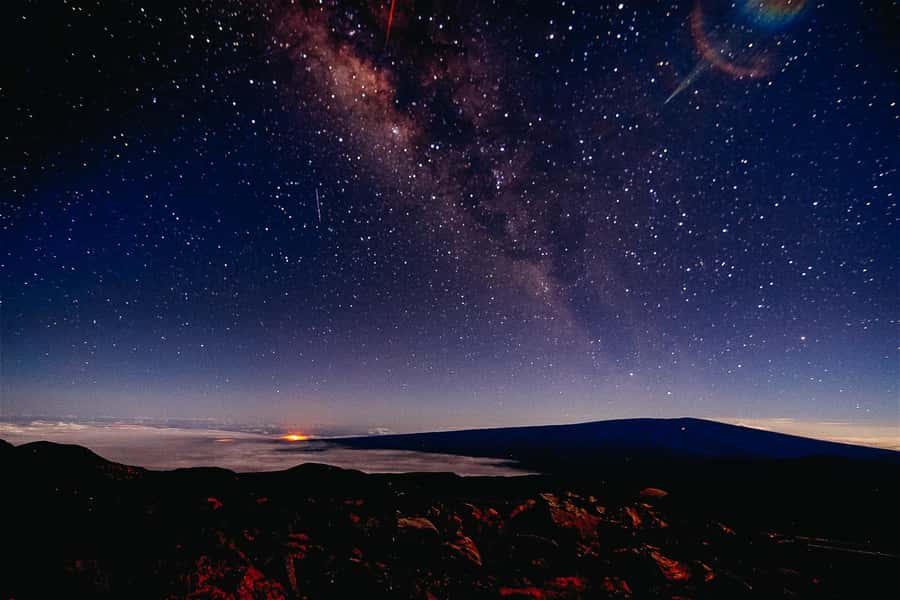
Reviewed · MAUNA KEA SUMMIT & STARGAZING
Mauna Kea: Stellar Explorer Tour from Hilo
Mauna Kea at night is the real show. This 7-hour tour from Hilo mixes big island scenery in daylight—Rainbow Falls and the Kaumana Caves—with serious sky time at night, guided by folks who can turn astronomy into easy, fun talk. I like that you’re not shuffled through random stops; the drive across the volcano country actually sets up the stargazing mood. One watch-out: if clouds roll in, the stars can be disappointing, even with great telescopes.
The biggest win for me is the hands-on feel of the night viewing: you use large-aperture telescopes with expert narration, and you may get views of planets like Saturn and Jupiter plus the kind of deep-sky targets most people never see. I also really like the local flavor built into the day—guides such as Nate, Richard (or Rich), Eric, Henry, Hunter, and Krystal/Crystal show how Hawaiian culture, volcano formation, and astronomy connect. The tone stays friendly and human, not stiff.
Here’s the main drawback to plan around: the tour stays away from the summit and visitor areas of Maunakea out of respect for Native Hawaiian concerns, so you won’t get that top-of-the-mountain experience. You still get excellent stargazing, but your expectation needs to be about the sky view—not the summit road trip.
In This Review
- Key things that make this Mauna Kea night tour work
- From Hilo to Rainbow Falls: a strong start before the sky turns black
- Kaumana Caves: learning how lava left its signature
- Driving across Saddle Road: why the route matters for Mauna Kea stargazing
- Boiling Pots: volcano energy you can stand near
- Night stargazing at one of the preferred Mauna Kea sites
- Telescopes, cold air, and what you’ll actually need to enjoy the night
- Price and value: is $189 worth a 7-hour Mauna Kea night?
- Who this tour fits best (and who might want something else)
- Should you book Mauna Kea: Stellar Explorer from Hilo?
- FAQ
- Where does the Mauna Kea Stellar Explorer tour start?
- How long is the tour from Hilo?
- What are the main daytime stops?
- Does this tour go to the summit or Visitor Center of Maunakea?
- What happens during the stargazing portion?
- Is telescope equipment included?
- What should I wear or bring?
- Is there a refund if plans change?
Key things that make this Mauna Kea night tour work
- Rainbow Falls + Kaumana Caves early sets the tone before nightfall.
- Stargazing with large-aperture telescopes means real magnification, not just a quick look.
- Expert astronomer-style narration comes with practical sky guidance.
- Small group (13 max) keeps the night talk from feeling like a lecture hall.
- Stops like Boiling Pots add volcano “wow” before the stars.
- No summit/visitor center visit respects Native Hawaiian concerns while still delivering a dark-sky experience.
More summit sunsets and stargazing on Mauna Kea
- Big Island, Hawaii: Volcano and Stargazing Tour with Dinner★ 4.8 · 179 reviews
- Mauna Kea: Stellar Explorer Tour from Hilo★ 4.5 · 67 reviews
- Mauna Kea: Stargazing Experience with Free Photos★ 4.2 · 32 reviews
From Hilo to Rainbow Falls: a strong start before the sky turns black
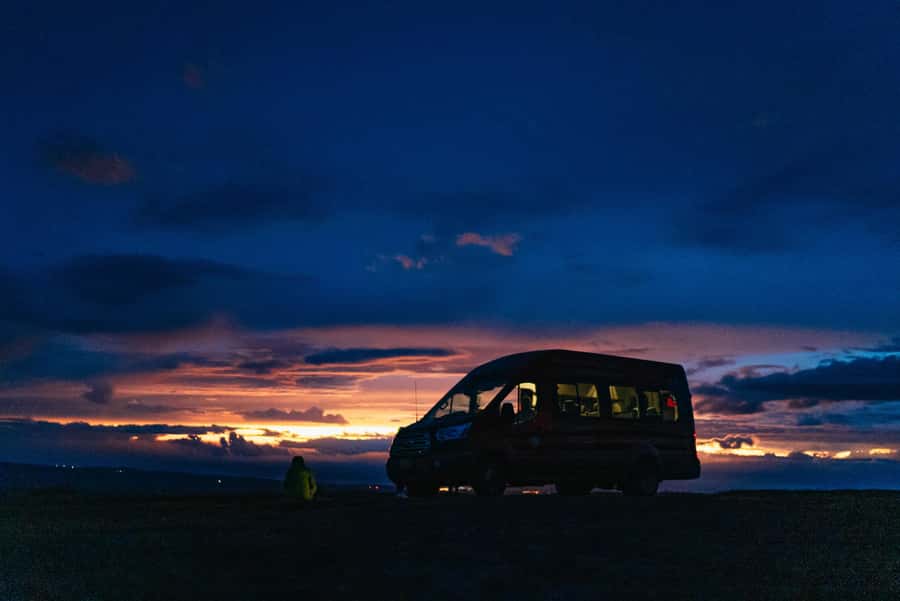
This tour begins in Hilo at the Grand Naniloa DoubleTree, right on Banyan Drive. That matters because you’re starting from a spot that’s easy to reach without complicated extra transfers. From there, you head out through the island’s changing scenery, with plenty of time for your guide to set the story for what you’ll see later that night.
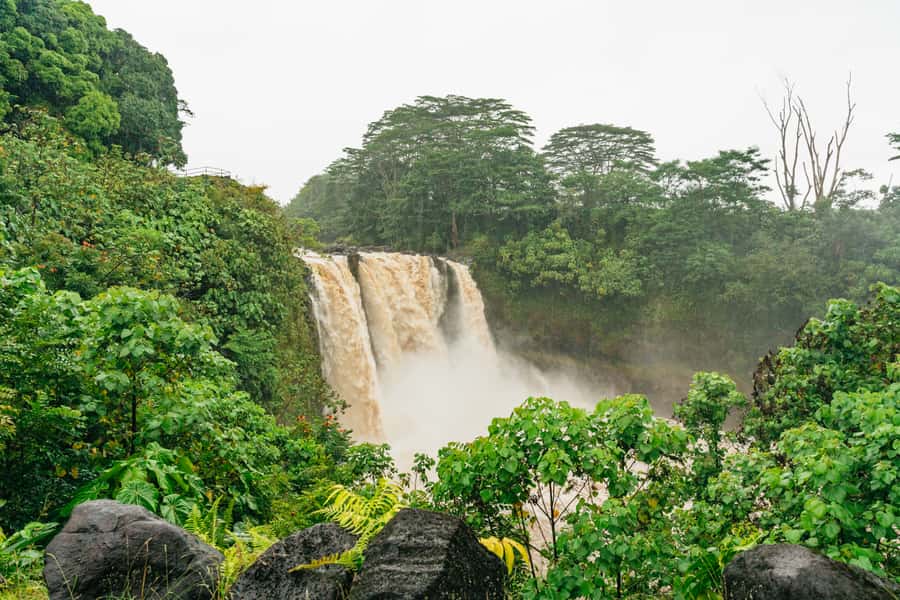
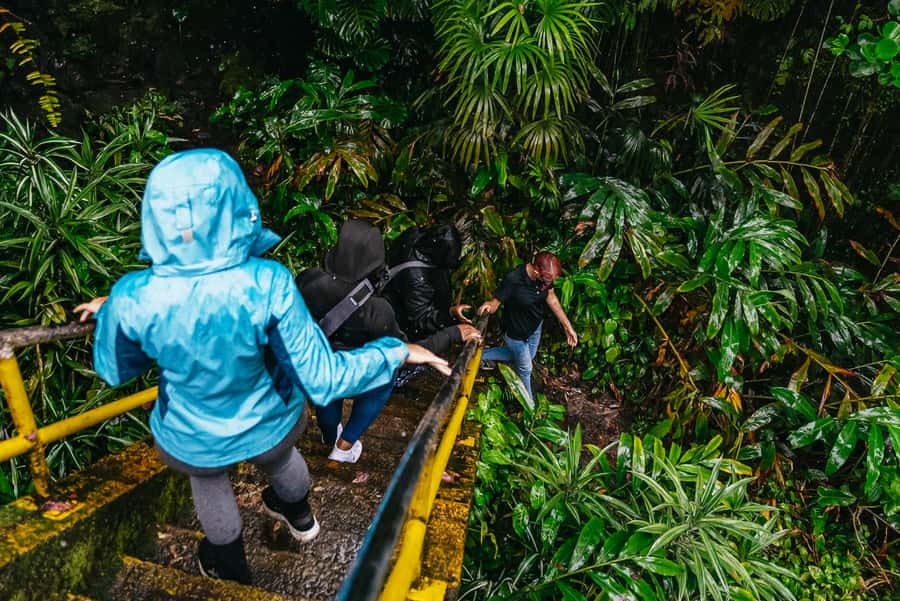
Rainbow Falls is the first big visual hit. Even if you’ve seen waterfalls before, this one has an easy “pause the day” effect. Your guide uses the stop as more than a photo moment; you’ll get context about the landscape and how it all fits into the island’s volcanic behavior and local geography. It’s the kind of stop that helps you shift from vacation brain into observant brain—useful later when you’re trying to spot constellations and point out celestial targets.
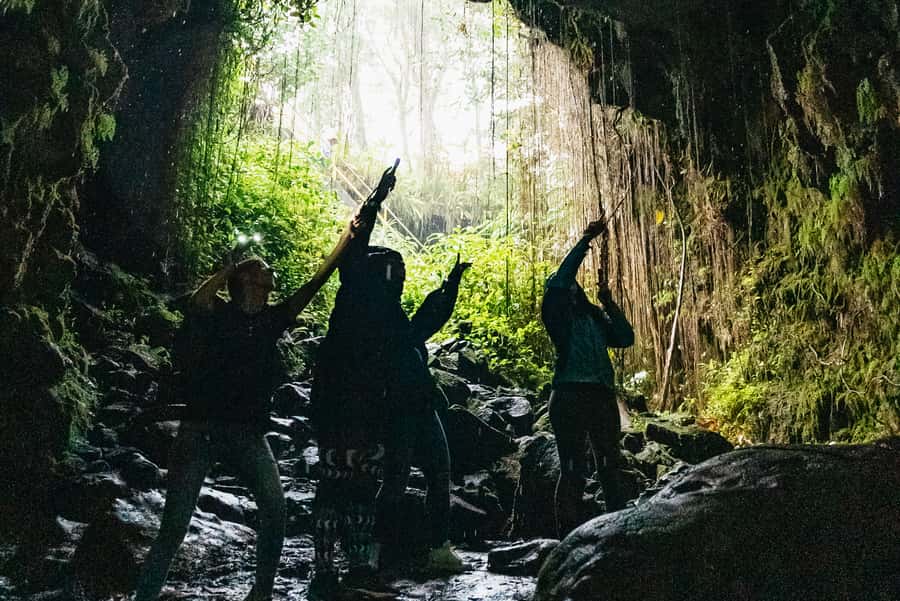
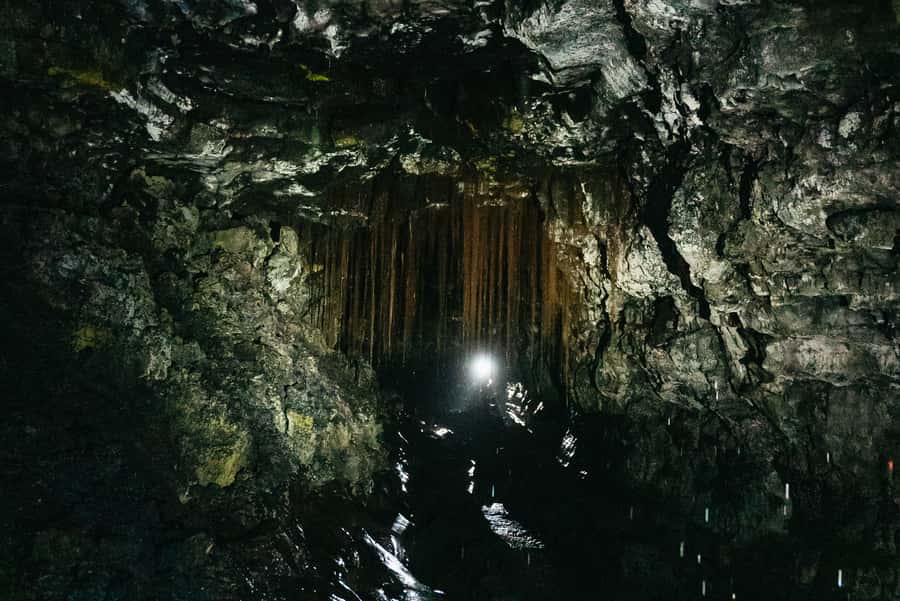
Then you move toward the Kaumana Caves, and that shift from waterfall spray to geologic texture is smart. Caves on Hawaiʻi’s side of the world aren’t just spooky holes. They’re part of the volcanic system—lava once flowed, and the shape of those paths affects what you can see today. Guides like Hunter and Henry in particular are known for weaving culture and science together, so you don’t just walk around; you learn what to look for and why it matters.
Kaumana Caves: learning how lava left its signature
At the Kaumana Caves stop, the value is in the guide-led interpretation. The caves help you understand that the island isn’t just “pretty.” It’s an active system with long-term consequences you can still read in rock.
If you’re the type who wants to know why a place looks the way it does, this stop is built for you. Many tours rush past scenery and hope you’ll do the connecting yourself. Here, your guide gives you that bridge—how lava tubes and cave systems form, and how they relate to the larger volcanic forces behind Mauna Kea and the neighboring volcanoes.
There’s also a practical side: moving through the cave area (and then getting back into the vehicle) breaks up the day so you’re not stuck in one long stretch before night. You’ll be grateful for that pacing when you’re later in colder, higher-elevation conditions.
Driving across Saddle Road: why the route matters for Mauna Kea stargazing
A key part of the day is the drive across Saddle Road between Mauna Kea and Mauna Loa. This isn’t only transportation—it’s a set-up. As you travel, the environment changes, and your guide can explain what you’re crossing: the relationship between the island’s major volcanoes, their scale, and what “tallest” and “biggest” really mean in real-world terms.
The big lesson here is that Mauna Kea isn’t just a place on a map. It’s one of Earth’s major volcanic landmarks, and its geography has made it a prime location for astronomy. You feel that even before you see the telescope. The drive gives you that sense of distance and elevation, which helps the later transition to nighttime make sense.
Your guide will also tailor the talk to what’s likely visible once darkness settles. That’s important because night sky viewing is weather-and-season dependent. When clouds or haze show up, your guide’s ability to pivot—target selection, explanation, and patience—makes the difference between a bland sky show and a memorable one.
Boiling Pots: volcano energy you can stand near
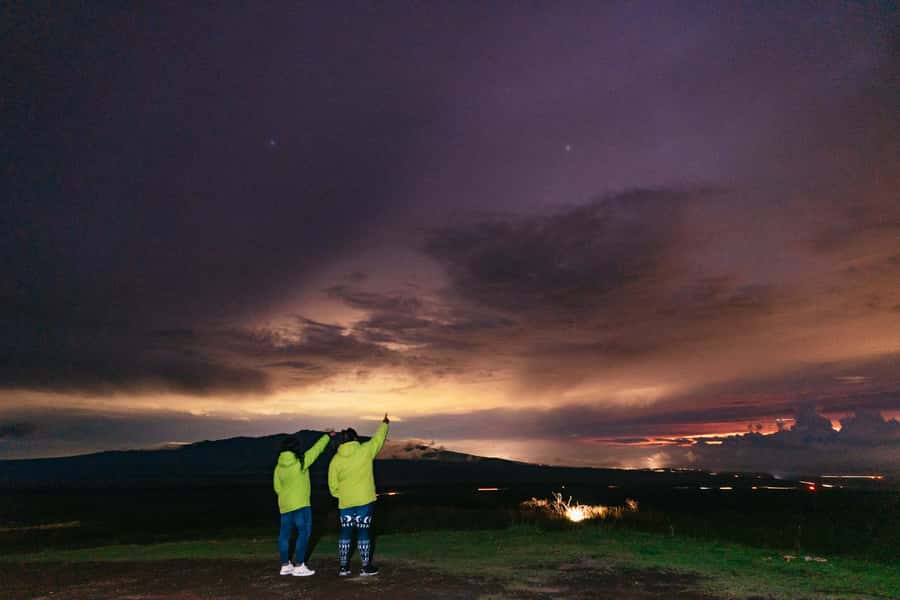
Before the night viewing, you’ll stop at Boiling Pots. This is the kind of place that turns geology into something physical. The name hints at heat and activity, and the stop is about experiencing the volcanic system at human scale—steam, ground activity, and the sense that the island is still doing its thing.
This stop helps break the day into two halves: living landscape in daylight, then the universe above you at night. If you’re even slightly interested in how Hawaiʻi works, Boiling Pots is a strong “connect the dots” moment. You don’t just hear about volcanoes; you see how the heat and movement can show up near the surface.
Also, it’s a useful emotional transition. After walking and looking around a heated, steam-related landscape, the cool clarity of the night sky tends to feel even more dramatic.
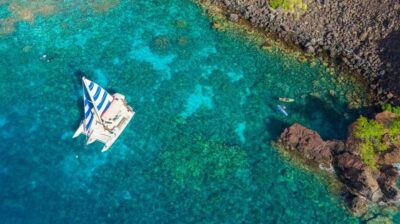
Night stargazing at one of the preferred Mauna Kea sites
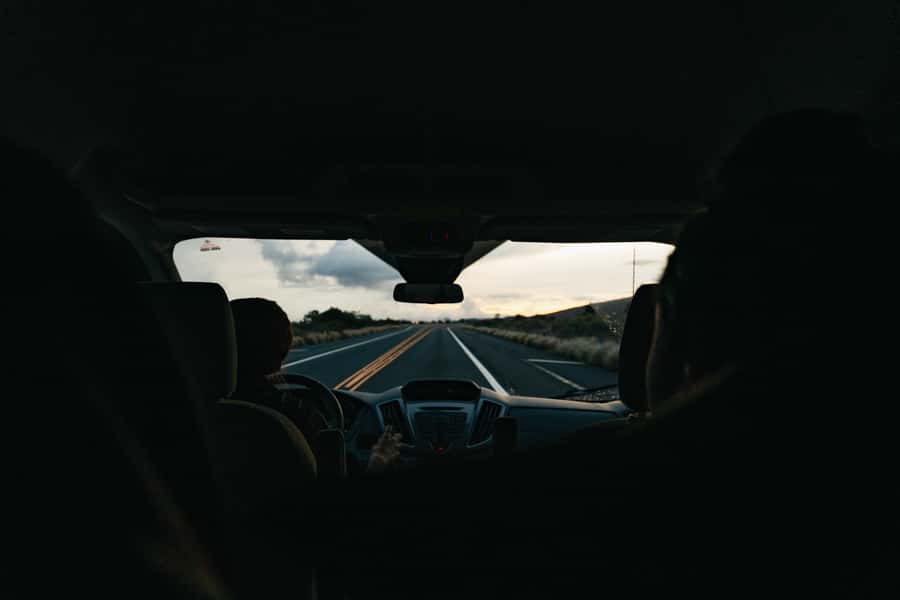
Now for the reason most people book: the nighttime stargazing on Mauna Kea. Your tour guide takes you to one of the preferred stargazing locations on Mauna Kea for the night session. Out of respect for Native Hawaiian concerns, this tour does not visit the summit or the Visitor Center. You should know that up front so your expectations match the experience.
That said, what you do get is serious observing time. Through a large-aperture telescope, you’ll look at deep-sky objects and planetary targets. The tour emphasizes a purist telescope approach with a fast focal ratio, which supports wide-field views. Translation: you’re more likely to see sprawling views of objects rather than only a small, tight-looking view.
Depending on weather and what’s up in the sky, you may observe:
- galaxies, nebulae, and star clusters
- planets and double star systems
- the moon (when it’s available and makes sense to view)
The narration is a big part of how this works. Instead of vague astronomy talk, you get guided explanations from expert astronomer-type voices—people who have written articles for well-known magazines and worked at world-class observatories for decades. In plain terms, they can point out what you’re seeing and why it looks the way it does.
In the guide feedback you’ll see names pop up again and again: Nate is praised for his amazing knowledge and for explaining navigation-style references like the North Star; Richard (and Rich) get credit for making planet viewing feel almost unreal, with mentions of Saturn and Jupiter looking especially sharp; Henry and Hunter are praised for perseverance when the sky hunt gets tricky; Eric is noted for mixing Hawaiian culture, plants/flora, and the stars in a way that feels coherent rather than random.
One more factor: weather. One guide can have the best plan and still get shut down by clouds. When the sky clears, you might get an eye-opening star count—people have mentioned seeing thousands upon thousands of stars. If it doesn’t clear, you still typically get the telescope experience and the explanations, just with fewer visible targets.
Telescopes, cold air, and what you’ll actually need to enjoy the night
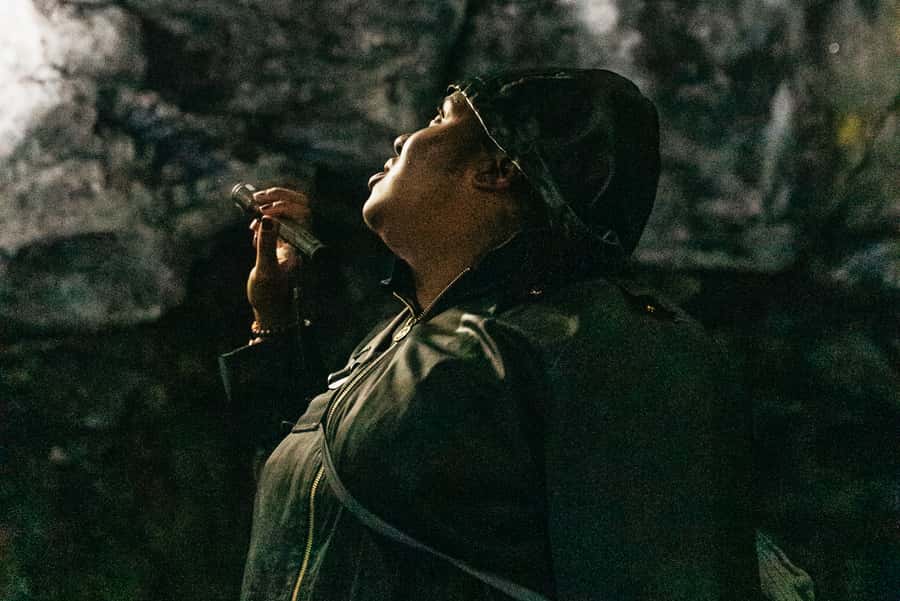
This tour includes telescope equipment and jackets, which helps a lot. Still, you should dress like you’re going outside in cold mountain air for hours. The provided jackets won’t replace good clothing choices, especially if you get chilly easily.
Bring:
- a jacket (even though jackets are included, having your own layer can help)
- long pants
- closed-toe shoes
Don’t wear open-toed shoes. That’s a safety and comfort rule, and it matters because you’re moving around at higher elevation and likely standing during the stargazing portion.
Also, your best move is to wear warm, breathable layers under your jacket. The night session is the kind of time when you want to forget about your body’s discomfort and focus on the sky. When your legs and fingers are comfortable, the whole experience becomes easier to enjoy.
Price and value: is $189 worth a 7-hour Mauna Kea night?
At $189 per person for about 7 hours, this isn’t a casual impulse purchase. The value comes from two things you don’t easily recreate on your own: (1) guided access to Mauna Kea stargazing from the Hilo side, and (2) the telescope setup paired with expert narration.
A small group helps. With a maximum of 13 participants, you’re less likely to feel like you’re waiting in line for your chance to look. That matters at night when patience is part of the process.
The transport gets a strong score as well, with 85% of reviewers giving a perfect score. Even without getting into logistics details, that tells you the experience isn’t built on a shaky ride or confusing handoffs. For a night tour, smooth transportation is half the success.
You’re also paying for more than telescope time. The day includes Rainbow Falls, Kaumana Caves, and Boiling Pots, and those stops add context. If you only wanted stars, you could find simpler astronomy options elsewhere. The reason this price can feel justified is the “science plus island” approach: you learn why Mauna Kea matters and then you see it, not just hear about it.
If you’re on a tight budget, weigh whether you’d rather do one big “once-in-a-lifetime” sky session with guided stops—or spread your money across multiple shorter activities. If Mauna Kea is the top item on your list, this one is a solid match.
Who this tour fits best (and who might want something else)
This tour is a great fit if you like:
- astronomy that comes with clear explanations (not just pointing at stars)
- volcano education tied to real places you walk through
- a guided day that still feels personal
It’s also a strong choice for couples and small groups who want a calm, focused experience. The guides’ personalities come through—people highlight guides like Richard/Rich and Krystal/Krystal for being funny and energetic, and Henry/Hunter/Eric for mixing local culture, plants, and sky knowledge into one story.
You might want to think twice if:
- you dislike cold nights and long waits without a summit viewpoint
- you expect guaranteed clear skies (no night tour can promise that)
- you only care about the absolute “top of Mauna Kea” experience
Remember: no summit visit is intentional and part of the tour’s respectful approach, so your priorities should be about dark skies and guided observing, not a summit badge.
Should you book Mauna Kea: Stellar Explorer from Hilo?
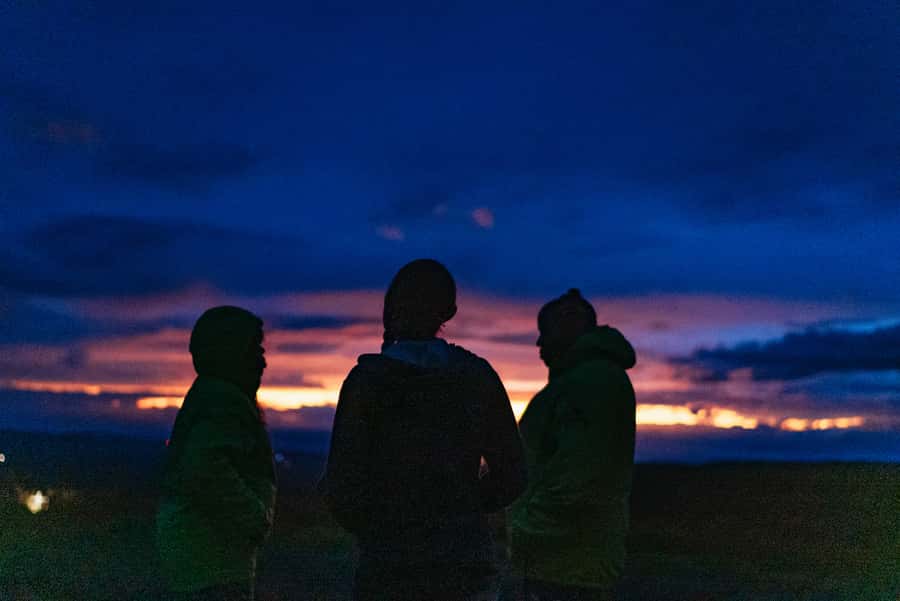
If your idea of a great Hawaiʻi day is part geology, part culture, and part sky-watching, I’d book this. The day stops are well chosen, but the payoff is the night session with large-aperture telescopes and expert-style narration. The small group size keeps the experience from feeling rushed, and the included jackets plus telescope gear remove some common pain points.
The only reason not to book is simple: you can’t control the weather. If you’re traveling during a period when clouds are likely, you might feel disappointed. If you can be flexible and you really want that rare Mauna Kea perspective, this tour gives you a structured, guided way to experience it.
If you want, tell me your travel month and whether you want more focus on culture, volcanoes, or astronomy, and I can help you decide if this is the right priority for your Hawaiʻi trip.
FAQ
Where does the Mauna Kea Stellar Explorer tour start?
The meeting point is the Grand Naniloa DoubleTree Hotel, 93 Banyan Drive, Hilo, HI 96720.
How long is the tour from Hilo?
The tour runs for 7 hours.
What are the main daytime stops?
You visit Rainbow Falls and the Kaumana Caves, and you also stop at Boiling Pots.
Does this tour go to the summit or Visitor Center of Maunakea?
No. The tour does not visit Maunakea’s summit or the Visitor Center out of deference to Native Hawaiian concerns.
What happens during the stargazing portion?
You go to a preferred Mauna Kea nighttime stargazing location and observe deep-sky and planetary objects through a large-aperture telescope. Weather permitting, you may see galaxies, nebulae, star clusters, planets, double stars, and the moon.
Is telescope equipment included?
Yes. Telescope equipment is included, along with entrance fees and jackets.
What should I wear or bring?
Bring a jacket, long pants, and closed-toe shoes.
Is there a refund if plans change?
Yes. Free cancellation is offered up to 24 hours in advance for a full refund.
More Tours in Island Of Hawaii
- Big Island, Hawaii: Volcano and Stargazing Tour with Dinner
★ 4.8 · 179 reviews - Big Island: Kealakekua Bay, Captain Cook & Marine Life Tour
★ 4.7 · 134 reviews - Big Island: Coffee, Black Sand, Volcano and Waterfall Tour
★ 4.9 · 57 reviews - Big Island: Full Day Adventure Tour of the Kohala Waterfalls
★ 4.5 · 42 reviews - Hawaii: Big Island Hilo Zipline Tour
★ 4.9 · 41 reviews - Big Island: Kona Half-Day Boat Tour with Snorkeling & Lunch
★ 5.0 · 34 reviews
More Tour Reviews in Island Of Hawaii
- Kailua Kona: Night Manta Ray Adventure on the Big Island
★ 4.8 · 1,199 reviews - Big Island: Night Swim with Manta Ray with Hot Chocolate
★ 4.9 · 420 reviews - Kailua-Kona: Whale Watching Cruise on the Big Island
★ 4.7 · 273 reviews - From Keauhou Bay: Snorkel Cruise to Captain Cook’s Monument
★ 4.8 · 242 reviews - Big Island, Hawaii: Volcano and Stargazing Tour with Dinner
★ 4.8 · 179 reviews - From Kona: Big Island Underwater Submarine Adventure
★ 4.6 · 162 reviews
Mauna Kea After Sunset
- Big Island, Hawaii: Volcano and Stargazing Tour with Dinner
★ 4.8 · 179 reviews - MaunaKea Stellar Explorer From Kona
★ 4.2 · 82 reviews - Mauna Kea: Stargazing Experience with Free Photos
★ 4.2 · 32 reviews
Just Added: The Newest Big Island Reviews



Mauna Kea Summit & Stargazing, compared.
 ★ 5.0Big Island GOAT Experience: Mauna Kea Summit, Sunset & StarsFrom $2891,706 reviews
 ★ 5.0Small Group Big Island Twilight Volcano and Stargazing TourFrom $2971,619 reviews
 ★ 5.0Mauna Kea Summit and Stars Small-Group Adventure TourFrom $3291,545 reviews
 ★ 5.0Mauna Kea Summit Tour with Free Night Star PhotoFrom $2801,449 reviews
 ★ 4.8Hilo: Mauna Kea Summit, Sunset, & Stargazing ExperienceFrom $289629 reviews
 ★ 5.0Mauna Kea Stargazing Experience + PhotosFrom $299261 reviews
 ★ 4.8MaunaKea Summit SUNSET and Star Tour with PhotoFrom $280220 reviews
 ★ 4.8Big Island, Hawaii: Volcano and Stargazing Tour with DinnerFrom $297179 reviews
Browse the lists this tour appears in