
Reviewed · MAUNA KEA SUMMIT & STARGAZING
MaunaKea Summit SUNSET and Star Tour with Photo
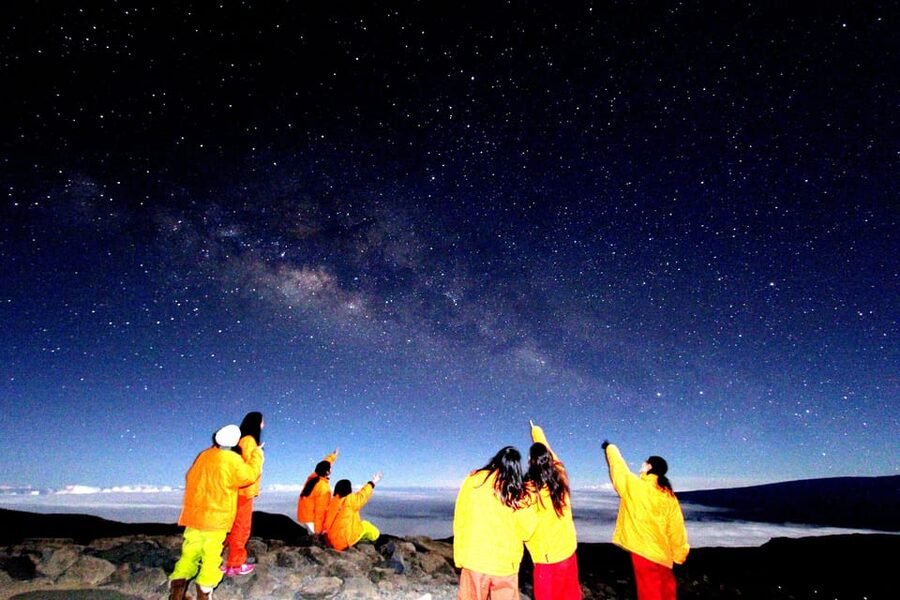
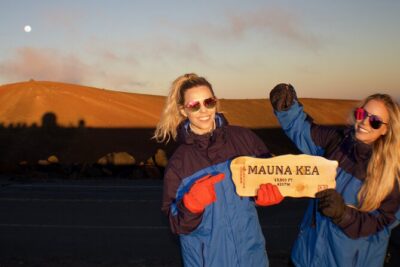
Mauna Kea at sunset is a different kind of wow. I love that this tour gets you up to the summit (13,800 ft) for sunset plus a second stargazing round down around 12,000 ft, all with a guide running the show. I also like the practical touch: warm snow gear is included and you get free DSLR photos of you at sunset and again under the stars. One consideration: bad weather and moon phase can affect what you actually see, so star lovers should keep expectations flexible.
What makes this one feel worth the time is the pacing and support. You start with an easy meet-up in Waikoloa or Kailua Kona, build up altitude gradually, and you’re not left to figure out cold, timing, and equipment on your own. Guides like Yoki John and James (and often Wes) get lots of credit for safety checks, storytelling, and stepping in to help you get the shot.
In This Review
- Key Details That Make This Mauna Kea Tour Worth Your Evening
- 4×4 Pickup to Snow Parkas: How the Cold Is Handled
- Mauna Kea Visitor Information Station: Acclimate, Eat, and Reset
- The Summit Road: Scenic Stops and Why Timing Matters
- Sunset at 13,800 Feet: DSLR Photos and a Real Human Pace
- Down to 12,000 Feet: Stargazing with a Telescope and Laser Pointer
- Price, Safety, and What You’re Actually Paying For
- Should You Book This Mauna Kea Sunset and Star Tour?
- FAQ
- FAQ
- How long is the Mauna Kea sunset and stargazing tour?
- What time do we arrive at the summit for sunset?
- Does the tour include photos, and how do I get them?
- What food and drinks are included?
- What should I bring or wear?
- Is this tour suitable for kids or older adults?
Key Details That Make This Mauna Kea Tour Worth Your Evening
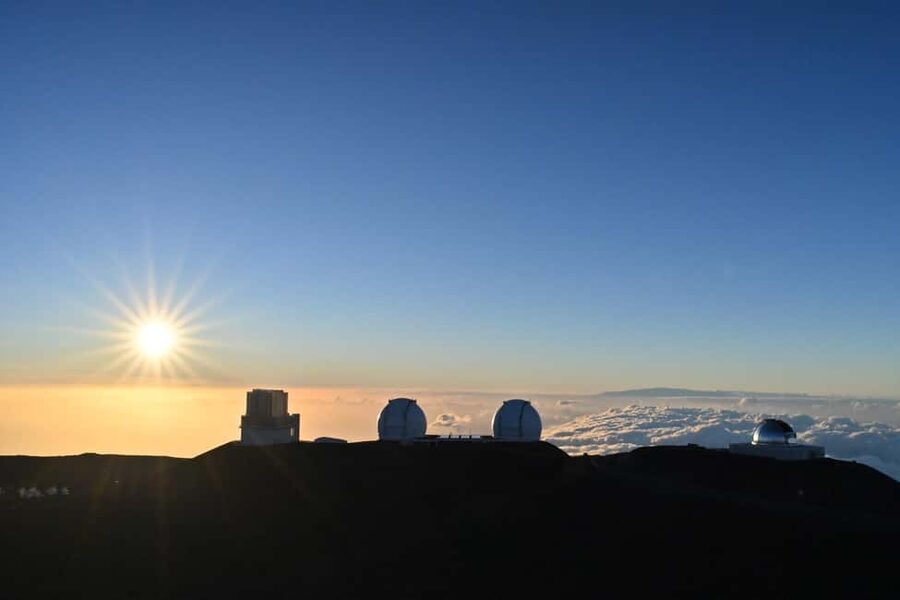
- 4×4 van access to the summit area, timed so you arrive about an hour before sunset
- Snow parkas, ski pants, and gloves provided, so you’re not guessing what to pack for the cold
- Warm acclimation time at the Mauna Kea Visitor Information Station before you go higher
- Guide-led DSLR photo sessions: you pose, they shoot, and you get the photos at the end
- Refractor telescope + laser pointer stargazing, with a hot drink while you watch
- Altitude-first planning with monitoring and an oxygen tank for emergencies
Still deciding? Here is how this one stacks up against the Big Island tours people book most.
- MaunaKea Summit SUNSET and Star Tour with Photo★ 4.8 · 220 reviews
- Waikoloa: Big Island Spectacular Helicopter Tour★ 4.5 · 5 reviews
- From Waikoloa: Kohala Coast Helicopter Adventure★ 4.0 · 5 reviews
- Big Island, Hawaii: Polaris Slingshot Rental★ 5.0 · 3 reviews
4×4 Pickup to Snow Parkas: How the Cold Is Handled
This tour is built for the reality of Mauna Kea: altitude and temperature. You’ll start with a simple meet-up that makes it easy to join without a complex plan—either at McDonald’s (Kailua Kona area option) or at Queens’ Marketplace in the Waikoloa resort area. From there, you head toward the Mauna Kea region with your live English guide and a steady flow of Big Island context along the way.
Then comes the part that surprises many first-timers: you dress like you’re heading for snow, even if the rest of Hawaii feels like beach weather. At the Mauna Kea Visitor Information Station, you’ll change into snow parkas, ski pants, and gloves that are provided. You just need closed-toe shoes. I like this setup because it removes the most common mistake—showing up underdressed and trying to “tough it out.”
The tour also includes key safety basics that matter on a mountain like this: a provided oxygen tank for emergency and altitude-aware pacing. Guides consistently get praised for checking on people as the elevation climbs. That shows up in the way they manage the day, not just what they say on the ride.
One more practical note: you are not allowed to enter inside the observatories. That means your focus stays on the summit and the stargazing zones, not touring restricted facilities.
Mauna Kea Visitor Information Station: Acclimate, Eat, and Reset
Before you go higher, the plan gives you time at the Mauna Kea Visitor Information Station to adjust. You’ll get a break plus free time for shopping in the visitor center gift shop. The real win here is acclimation. Even if you’re fit, your body still needs time to settle when you jump to very high elevations.
You’ll also eat. The tour provides a BLT sandwich plus bottled water, with a veggie sandwich option if you message in advance about dietary restrictions (send it the day before the tour). This is not fancy dinner. It’s fuel. And because the day is cold, a solid warm meal early helps you avoid feeling wiped out later.
Small comfort tip based on what people run into: one traveler noted that the summit stop can involve a port-a-potty setup. If that matters to you, pack what you normally use for comfort—especially hand sanitizer—because it’s not listed as being provided.
The Summit Road: Scenic Stops and Why Timing Matters
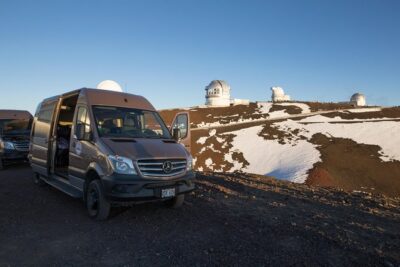
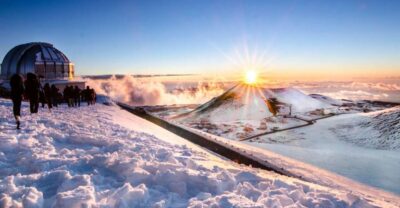
When it’s time to head to the summit area, you’re going by 4×4 passenger van, and you’ll aim to arrive roughly 60 minutes before sunset. That timing is everything. Too late, and you miss the light you need for photos and a calm experience. Too early, and you freeze for no reason.
On the way up, the schedule includes photo stops and sightseeing from the summit road, plus time to stop and visit along the route. Those stops help break up the climb visually—so it’s not just a long uphill ride followed by instant sunset pressure.
Also, the tour explicitly warns that timing and location can shift depending on weather and any events. That’s not a flaw; it’s mountain reality. Clouds, wind, and operational changes can happen up there, so your guide’s job is to keep the experience as close as possible to the plan.
Sunset at 13,800 Feet: DSLR Photos and a Real Human Pace
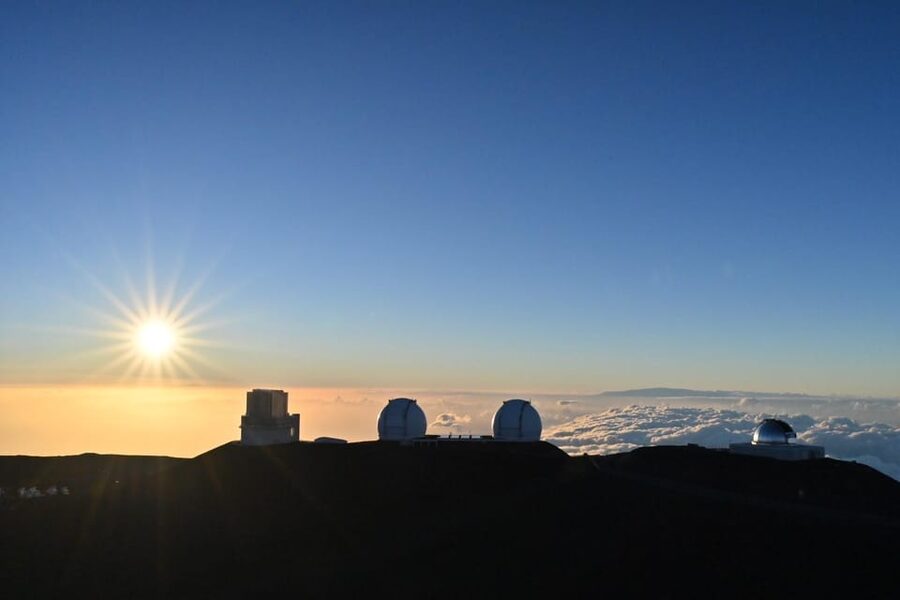
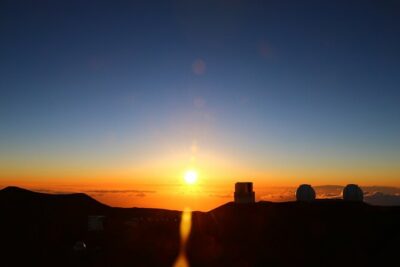
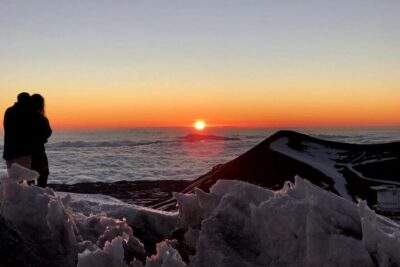
At the summit, the headline is sunset from the highest peak in Hawaii. You’ll arrive with enough time to settle, change your posture, and actually enjoy the view instead of rushing.
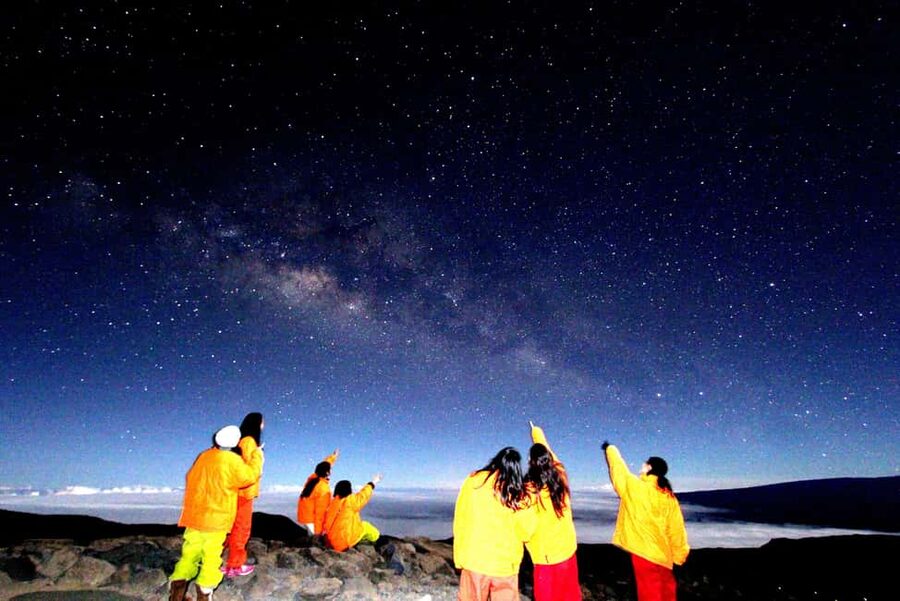
A big part of the experience here is the photo program. Your guides take DSLR photos of you at the summit—sunset first—then later again for stars. The photos are free of charge and delivered to your smartphone at the end of the tour. That means you’re not standing around trying to get your own camera settings perfect while also absorbing the moment.
I also like that the guides actively manage posing. It’s a cold, windy place, and you don’t want to waste your brief best light trying to figure out where to stand. Multiple guides get praised for being both good photographers and good hosts. Names that pop up again and again include James, Wes, Francis, and Josh, with guides like Yoki John also highlighted for making people feel comfortable from pickup onward.
One more thing: sunset can still be stunning even if you don’t get perfect star conditions later. But if you’re planning your whole Big Island trip around this evening, it helps to know the tour admits that sunset and stargazing aren’t 100% guaranteed in bad weather, and moon phase affects star visibility.
Down to 12,000 Feet: Stargazing with a Telescope and Laser Pointer
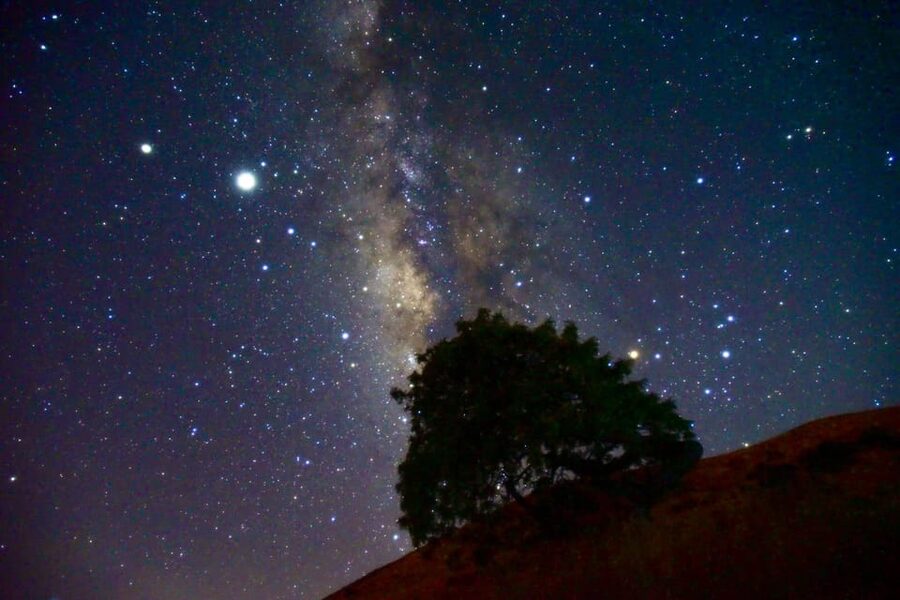
After sunset, the tour transitions to stargazing at about 12,000 ft. Expect roughly an hour of star time. This is where the tour earns its keep beyond the sunset photo.
You’ll use an astronomical telescope (and the experience also includes a refractor telescope and laser pointer style guidance). Your guide explains what you’re seeing—celestial objects and how to orient yourself in the night sky. If you’ve ever looked up and felt like you’re guessing, this part helps. It also keeps the group from wandering off in the cold.
Hot drinks are included during stargazing. That matters more than it sounds. Cold hands and a dry mouth can make star viewing feel like work. People consistently mention the hot chocolate as one of the best comfort touches.
What you see varies, but the format stays consistent: guide points, telescope views, then you get time to enjoy the sky. Some guides have also been credited for showing planets when conditions line up—one person specifically mentioned seeing Saturn through the telescope. Don’t count on any single planet every night, but do expect the guide to make your sky time feel guided, not random.
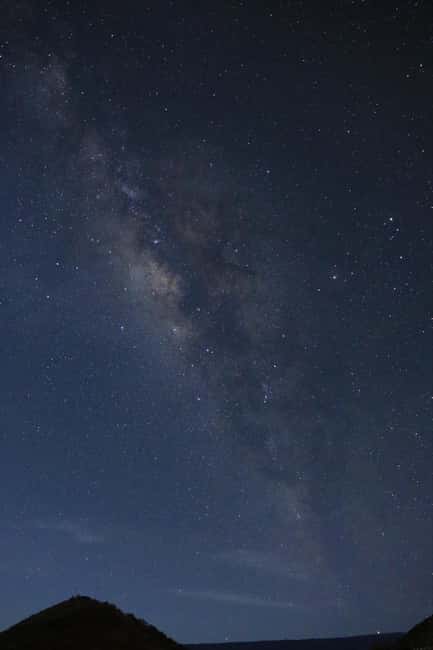
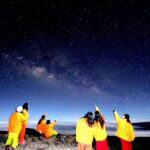
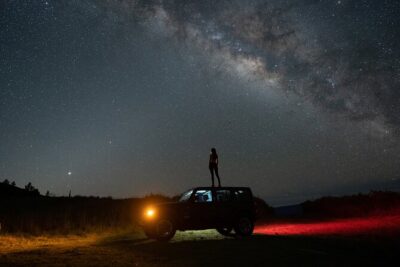
Also, it’s not just about looking. The guides take your star-and-Milky Way style photos too. Several reviews highlight moments like seeing the Milky Way and getting photos with it in the background.
Price, Safety, and What You’re Actually Paying For
At $280 per person for about 8 hours, this tour isn’t a budget pickup. The key question is value. Here’s what you’re paying for, in practical terms:
- Summit access by 4×4 with a guide managing the altitude and route timing
- Mauna Kea admission fee included
- Warm gear included (parkas, ski pants, gloves)
- A meal and drinks (BLT, plus hot drink during stargazing)
- Equipment and instruction (telescope and guided stargazing)
- A photo service using a DSLR, delivered free to your phone
When you line those up, the price feels less like a generic tour fee and more like a package that removes the hardest parts of doing Mauna Kea yourself: logistics, cold gear, timing, and figuring out telescope basics while standing in extreme conditions.
Safety-wise, the day is designed for altitude awareness. The tour notes that if someone develops altitude sickness or other conditions, the guide may adjust how long you spend at the summit or where you stargaze. That’s a big deal for a mountain experience, because the best guide is the one who responds instead of pushing.
One more reality check: the tour is not suitable for everyone. It lists restrictions including:
- No children under 16
- No people over 70
- No pregnant women
- Not recommended for back problems, claustrophobia, wheelchair users, respiratory issues, recent surgeries
- Not allowed for people over 300 lbs (136 kg)
- People who dived within 24 hours can’t participate
If any of those apply, skip it and ask your hotel or a local operator about alternatives that are safer for your situation.
Should You Book This Mauna Kea Sunset and Star Tour?
If you want the Mauna Kea experience without building a complicated plan, I think this one is a strong match. Book it if you:
- Want both sunset and stargazing in one day
- Care about getting proper photos without spending your time fiddling with camera settings
- Prefer a guide-led night sky talk using telescope views and a laser pointer
- Are okay with the idea that weather and moon phase can change what you see
I’d think twice if you’re sensitive to altitude, hate cold, or you fall into the tour’s “not suitable” list. And if you’re the type who gets anxious when plans change, remember the tour openly says summit and stargazing timing can shift with weather and conditions.
One final practical note before you decide: people consistently mention that the guides keep checking on the group and helping with comfort. Names that stand out across experiences include Wes, James, Francis, Chris, and Yoki John—and a few even mention bilingual handling in mixed-language groups (for example, one setup paired Shoyo with English support). That kind of attention is the difference between a cold hour you survive and a night you remember.
FAQ
FAQ
How long is the Mauna Kea sunset and stargazing tour?
The tour lasts about 8 hours, including pickup, summit time, and an evening stargazing session.
What time do we arrive at the summit for sunset?
The plan is to arrive about 60 minutes before sunset, but the exact timing can change based on weather and other events.
Does the tour include photos, and how do I get them?
Yes. Your guides take free DSLR photos of you at sunset and during stargazing, and you receive them on your smartphone at the end of the tour.
What food and drinks are included?
A BLT sandwich is included, with a veggie sandwich available if you message about dietary restrictions day before. Bottled water is provided, and there is a hot drink during the stargazing.
What should I bring or wear?
Wear closed-toe shoes. Warm winter gear like snow parkas, ski pants, and gloves are provided during the tour.
Is this tour suitable for kids or older adults?
No. The tour states it cannot accommodate guests under 16 years old or older than 70.
More Tours in Waikoloa Village
- Waikoloa: Big Island Spectacular Helicopter Tour
★ 4.5 · 5 reviews
More Tour Reviews in Waikoloa Village
- Waikoloa: Big Island Spectacular Helicopter Tour
★ 4.5 · 5 reviews - From Waikoloa: Kohala Coast Helicopter Adventure
★ 4.0 · 5 reviews - Waikoloa Deluxe Catamaran Whale Watch
★ 3.4 · 3 reviews - Big Island, Hawaii: Polaris Slingshot Rental
★ 5.0 · 3 reviews
Just Added: The Newest Big Island Reviews
Mauna Kea Summit & Stargazing, compared.
 ★ 5.0Big Island GOAT Experience: Mauna Kea Summit, Sunset & StarsFrom $2891,706 reviews
 ★ 5.0Small Group Big Island Twilight Volcano and Stargazing TourFrom $2971,619 reviews
 ★ 5.0Mauna Kea Summit and Stars Small-Group Adventure TourFrom $3291,545 reviews
 ★ 5.0Mauna Kea Summit Tour with Free Night Star PhotoFrom $2801,449 reviews
 ★ 4.8Hilo: Mauna Kea Summit, Sunset, & Stargazing ExperienceFrom $289629 reviews
 ★ 5.0Mauna Kea Stargazing Experience + PhotosFrom $299261 reviews
 ★ 4.8Big Island, Hawaii: Volcano and Stargazing Tour with DinnerFrom $297179 reviews
 ★ 5.0Mauna Kea Arnott’s AdventuresFrom $255150 reviews
Browse the lists this tour appears in