
Reviewed · KONA HUMPBACK WHALE CRUISES
Kailua-Kona: Whale Watching Cruise on the Big Island
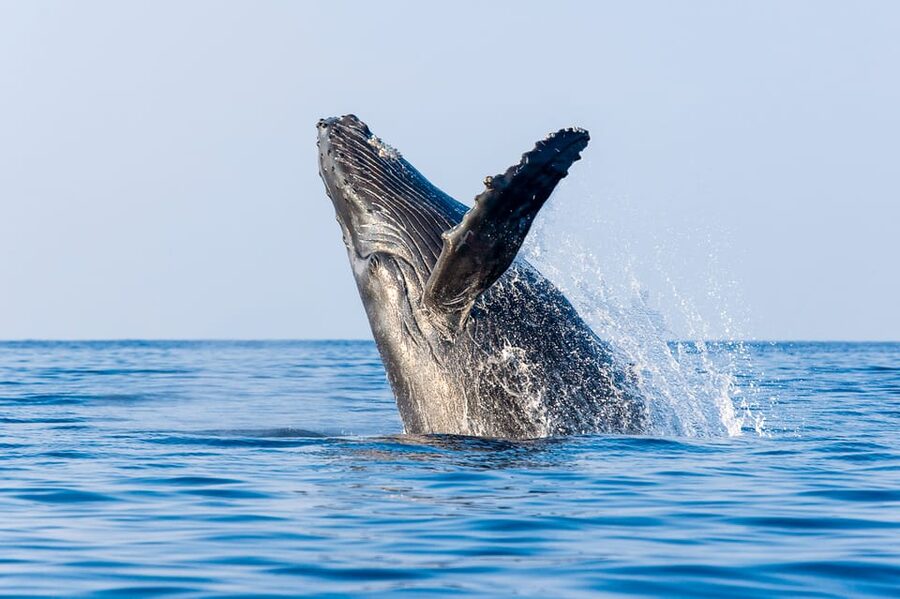
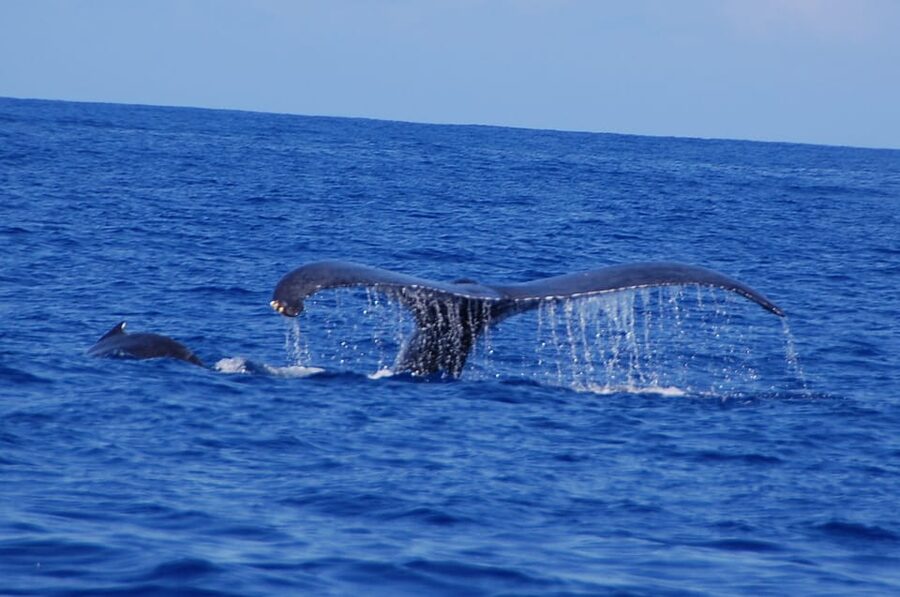
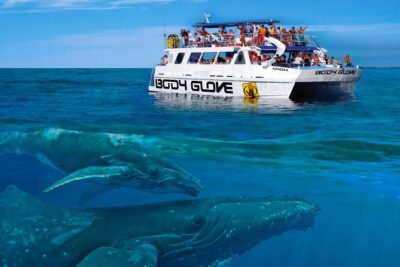
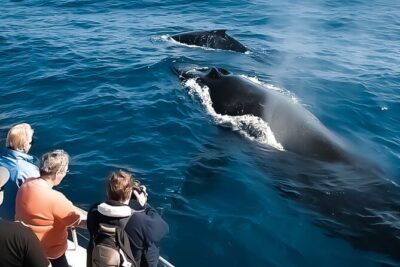
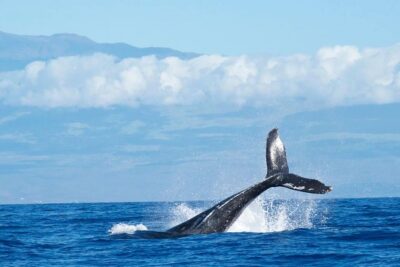
Hearing whale song through a hydrophone is unreal. On this 150-minute cruise out of Honokohau Harbor, I like that the crew actively searches and repositions so you get a real chance at close views, sometimes within just a few hundred yards. I also love the up-close feeling when humpbacks are near enough to see details like flukes, breaching, and the way mothers and calves stay in the same patch of ocean.
One consideration: audio quality on the boat can vary. A couple of people noted that the public address system on the main deck wasn’t always easy to hear, and background music could be distracting for whalewatching.
In This Review
- The kind of sightings that stick with you
- Key things to know before you go
- Whale Singing From Honokohau: Why This Cruise Feels Different
- Price and value: Is $115 worth it for 2.5 hours?
- Getting to Honokohau Harbor without losing time
- Your 150 minutes at sea: how the crew turns search time into sightings
- Hydrophones: hearing humpback whales instead of just seeing them
- What you might see: calves, breaches, and whale behavior
- Onboard comfort: snacks, drinks, and motion-sickness reality
- Who this cruise suits best (and who should skip it)
- Should you book this Honokohau whale cruise?
- FAQ
- Where does the cruise depart from?
- How long is the cruise?
- What’s included in the ticket price?
- What should I bring for the tour?
- Is hotel pickup included?
- Will I definitely see whales?
- Who should avoid this activity?
The kind of sightings that stick with you
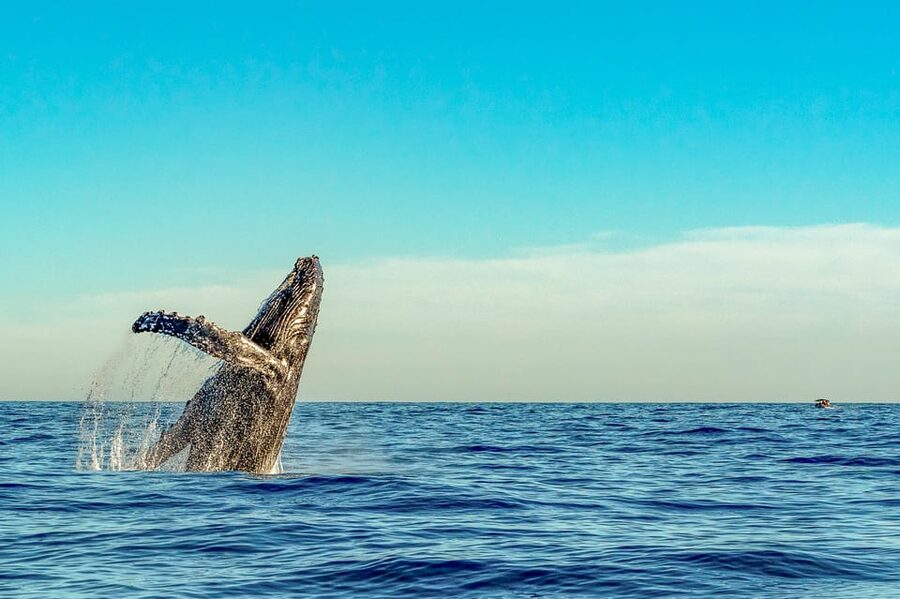
You’ll be out specifically for humpbacks, and Hawaii is one of the few places in the U.S. where they mate, calve, and nurse—so the “moms and babies” part is not just a story. The best part is often the behavior: you might see a calf stay right alongside its mother while other whales circle nearby, and you may even catch males competing in intense head-to-head moments.
To keep the trip comfortable, you get snacks and drinks, plus the hydrophone speaker so you can listen to what these whales sound like underwater—without needing perfect conditions to enjoy at least a piece of the magic.
More humpbacks off the Kona coast this winter
- Kailua-Kona: Whale Watching Cruise on the Big Island★ 4.7 · 273 reviews
- Kailua Kona: Humpback Whale Watching Adventure Cruise★ 4.5 · 33 reviews
- Kalaoa: Big Island and Kona Midday Whale Watching Tour★ 4.3 · 29 reviews
- Kona Deluxe Catamaran Whale Watching Cruise★ 4.4 · 18 reviews
Key things to know before you go
- Hydrophone whale song: You’ll listen to humpbacks through underwater microphones and a speaker on board.
- Short cruise, focused plan: The outing is 2.5 hours, so you spend your time on the water, not waiting around.
- Mothers and calves are the goal: This region is known for calving activity, so baby whales are a realistic highlight.
- Repositioning matters: Captains like Bryce, Jacob, Simon, and Aidan (names you may see in real-world sailings) are described as working to put you on sightings.
- Bring your motion-sickness plan: Seasick meds help most when taken ahead of time, not once nausea hits.
Whale Singing From Honokohau: Why This Cruise Feels Different
If you’re picturing a typical whale watch where you crane your neck and hope for the best, this one adds a big missing piece: sound. Hawaii humpbacks sing in a way you can actually hear with the cruise’s hydrophone speaker, which turns the underwater world into something you can experience in real time. Even when a whale is farther than you’d like, hearing the song can still make the trip feel complete.
The other reason I think this cruise lands well is that the Big Island’s humpback season connects to real biology, not just tourism branding. Hawaii is the only U.S. state where humpback whales mate, calve, and nurse their young. Warm water helps, and so does the underwater mix of depths and good visibility. On top of that, there’s no obvious natural predator pressure like you’d expect elsewhere—so the whales use this space to raise babies.
For the families in your group, that humpback-mom-and-calf story is the emotional engine. You don’t just see big animals; you can often see the relationship: the way calves stick close, and the way mothers respond when the group shifts.
Price and value: Is $115 worth it for 2.5 hours?
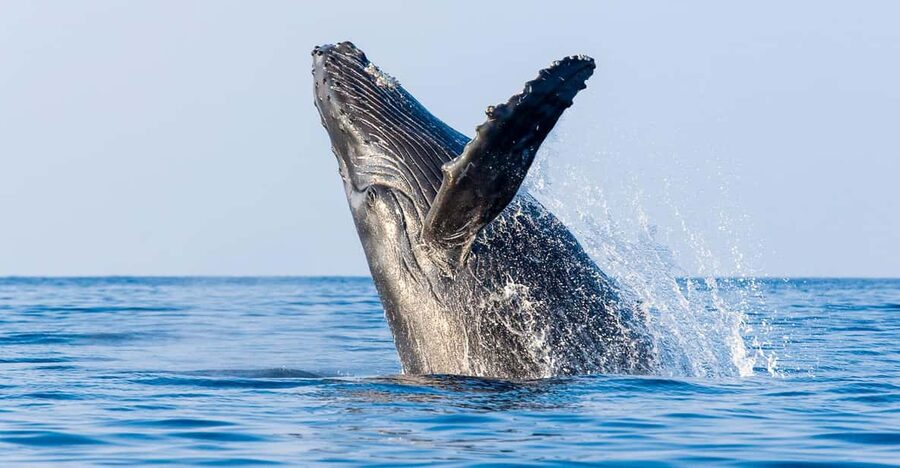
At $115 per person for a 150-minute cruise, the price is in the “serious activity” tier. Here’s the value math that matters:
- You get a dedicated outing where the focus stays on humpbacks, not a general sightseeing boat.
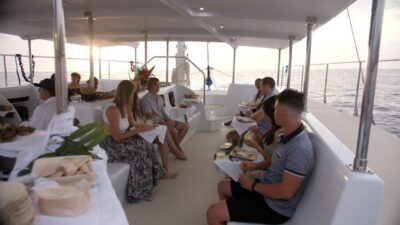
- Snacks and drinks are included (chips, granola bars, rice krispies, fruit snacks, plus water, juice, and ginger ale), so you’re not hunting for food mid-trip.
- The hydrophone speaker is built into the experience. That’s not a small add-on; it’s what makes the cruise feel more than just spotting from above the water.
The main cost factor isn’t the cruise itself—it’s what you might spend elsewhere if you do a “several stops” day plan. This is a concentrated window. If your schedule only gives you one whale-watching chance, I’d rather pay for a focused 2.5-hour sail that hands you both visuals and whale song than piece together multiple half-tries.
One small downside in the value equation: there’s no hotel pickup or drop-off. You’ll drive yourself or arrange your own transport to get to Honokohau Harbor.
Getting to Honokohau Harbor without losing time
This cruise is based at Honokohau Harbor (North Side). It’s about 4.5 miles south of Kona Airport and 3.5 miles north of Kailua Kona, so it’s usually not a long haul if you’re staying in Kona-town areas.
Plan to arrive a bit early because check-in is at the harbor near the pavilion and public restrooms. The directions are simple, but follow them closely:
- Turn into Honokohau Harbor.
- Make your first right after you turn in.
- Follow the road as it veers left until it ends at a large parking lot.
- In the lot, drive left toward the boat ramp.
- Meet your crew member by the pavilion next to the public restrooms.
If you’re doing this with kids, I like arriving early enough to get everyone settled before you start scanning the water.
More time on the water off the Kona coast
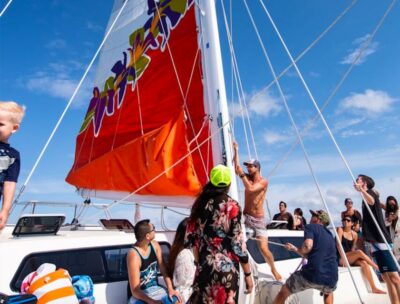
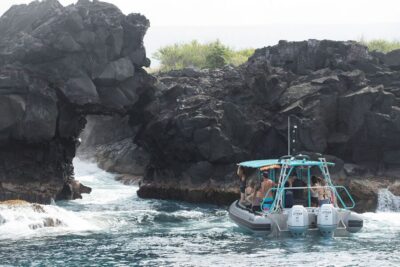
Your 150 minutes at sea: how the crew turns search time into sightings
The cruise is 150 minutes, so there’s no room for long detours. What you’re paying for is the crew’s ability to read where whales are and move the boat accordingly.
A pattern shows up in real-world sailing experiences: the captain and crew keep scanning, and when whales show up, they’re quick about positioning so you can actually see what you’re looking at. Some sailings include moments right in front of the boat, where you might catch a breach close enough to feel the scale—like hearing the splash more than seeing it first.
This is also where being on the boat matters. When whales come near, your view changes fast:
- One pass might be all flukes and blow holes.
- Another might include breaching.
- Then you might see dolphins working the edges of the same area.
And yes, sometimes you get bonus wildlife. In the information from actual sailings, people have reported spinner dolphins right away, along with other sightings like sharks and manta ray. That’s not guaranteed (no one can promise exact marine sightings), but it’s a good sign the crew isn’t only watching humpbacks from one angle.
Hydrophones: hearing humpback whales instead of just seeing them
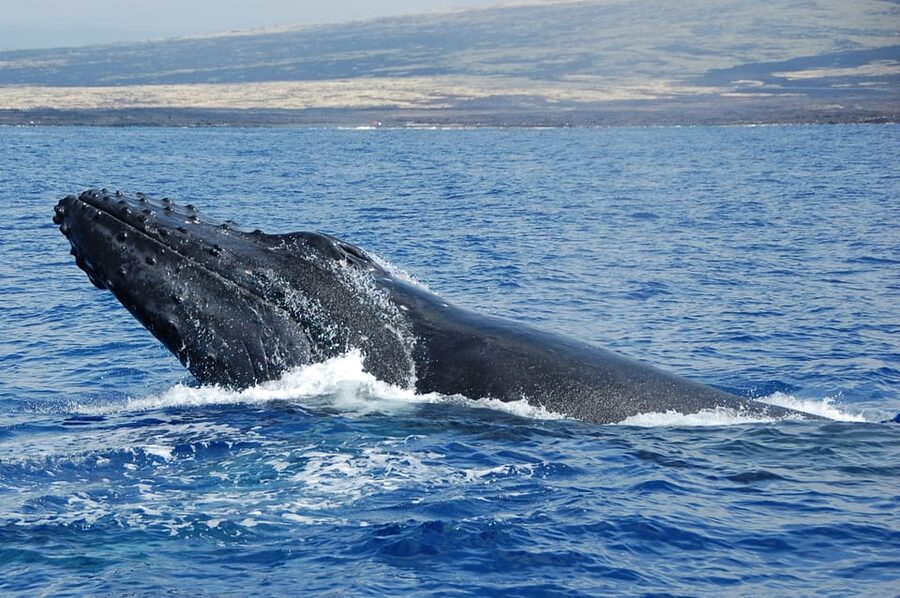
The hydrophone feature is the big ticket here. A whale song can be hard to picture because it’s not like a bird call you can mimic. With underwater microphones feeding a speaker on board, you get a direct sensory hook.
Here’s what you should know so you enjoy it more:
- The hydrophone moment often comes when the crew feels the whales are nearby enough for the signal to be meaningful.
- Even if you don’t spot every sound source instantly, you’ll still be able to connect the noise to the whale behavior you’re watching.
It’s also why this cruise is a strong choice for people who are new to whale watching. Once you hear the song, the activity becomes more about understanding than just spotting.
What you might see: calves, breaches, and whale behavior
Humpback behavior is where the trip earns its “once-in-a-lifetime” reputation. The descriptions of where these whales are in Hawaii are very specific: you can have mating behavior, calving, and nursing in the same seasonal window.
Here are the highlights to keep an eye out for:
- Mothers and calves together: The most emotional sightings are the ones where you can see the pairing and the closeness. Calves often stay near the mother’s path, and the pair can move as a unit.
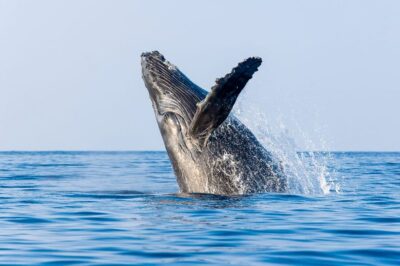
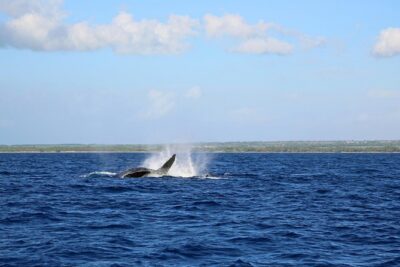
- Breaching and slapping: People have reported big breaching moments and extended periods of fluke slapping. Those sounds and surface behaviors are dramatic because they’re visible and loud.
- Males competing: During mating season, males may engage in head-to-head battles for females. If you see aggression—more churning and close interaction—try not to expect a gentle “swim past.” This is real whale competition.
- Other ocean life: Dolphins often show up during whale-watching sails, and some sailings include sharks, flying fish, manta ray, or even a whale shark. If you see anything new, ask the crew what they think it is.
A quick mindset tip: don’t fixate on only one surface action. Whale watching works in patterns. You might have minutes of subtle movement, then a sudden breach, then a return to quiet, then another activity burst.
Onboard comfort: snacks, drinks, and motion-sickness reality
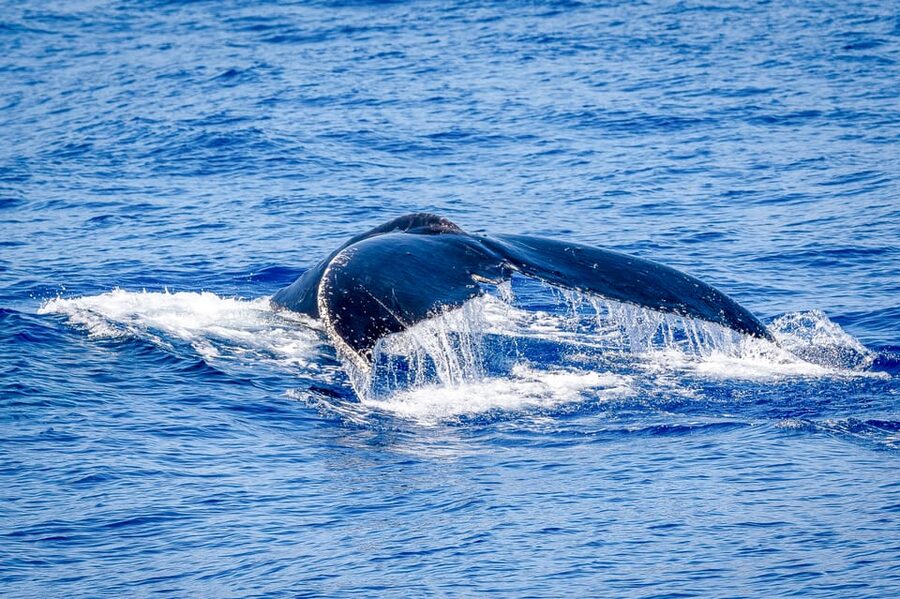
You’ll be out for 2.5 hours, which is long enough to get hungry and short enough that the right prep pays off.
Included refreshment is straightforward and genuinely useful on a boat: water, juice, ginger ale, plus snacks like chips, granola bars, rice krispies, and fruit snacks. This matters because it keeps everyone steady during the searching time, when the best sightings might still be ahead.
Comfort is also about weather and temperature. I’d treat this as a “bring layers” outing:
- sunscreen, hat, and sunglasses
- long-sleeve jacket or sweatshirt
- and a motion-sickness plan
Motion sickness is not a small detail here. The guidance for this tour is to bring medicine and take it most effectively the night before and again at least 1 hour before the scheduled tour time. If you’ve ever gotten queasy on boats in the past, plan for it. Waiting until you feel bad usually makes it harder to settle.
One more onboard note: some people mentioned the main deck public address system wasn’t always clear, and that loud music could distract. If sound quality matters to you, positioning and deck choice can be worth considering when you board. Ask where the crew expects the best whale-viewing and listening points to be.
Who this cruise suits best (and who should skip it)
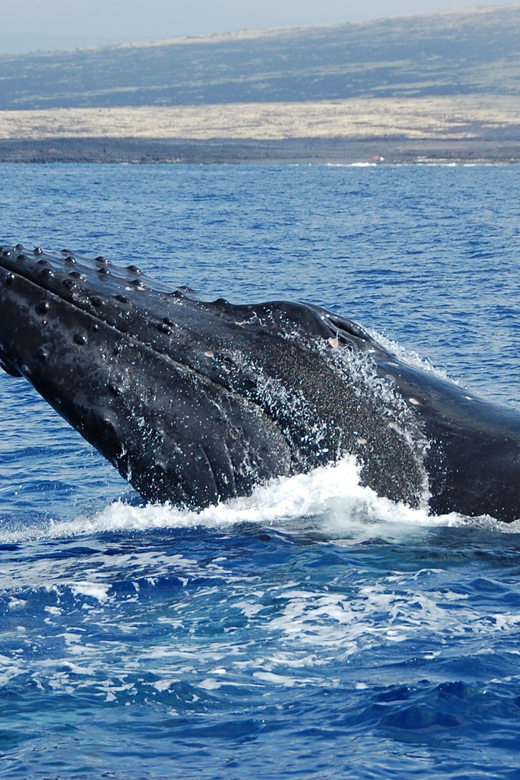
This is a great fit if your top priorities are:
- whale song through hydrophones
- a good chance at seeing humpbacks close to the boat
- a guided search that keeps working until the whales show
It’s especially good for families because the cruise includes snacks and a live English tour guide, plus the vibe tends to be friendly and attentive based on real sailing experiences.
But it’s not for everyone. The tour data lists these as not suitable:
- pregnant women
- people with heart problems
- people with back problems
If any of those apply, I’d skip this specific cruise and look for a more appropriate option with medical safety in mind.
If you’re traveling with kids, I also like that the crew often stays engaged—bubbles and frequent check-ins show up in real accounts. That kind of attention makes whale watching easier for shorter attention spans.
Should you book this Honokohau whale cruise?
I’d book it if you want more than sightings-from-a-distance. The hydrophones change the experience from visual-only to sound-and-vision, and that’s why it earns strong satisfaction even when nature stays unpredictable.
Here’s my simple decision checklist:
- Book if you want humpbacks specifically, and you’d enjoy hearing their underwater singing.
- Book if your group can handle 2.5 hours on open water and you’re willing to prepare for motion with sunscreen and motion-sickness medicine.
- Skip if motion or medical conditions are a concern (pregnancy, heart issues, or back problems are explicitly flagged as not suitable).
If whales aren’t spotted on your tour, the plan includes a free return cruise (no refunds). That safety net makes the risk feel lower than with many “spot-or-suffer” whale watches.
In short: this is a focused humpback experience from Honokohau Harbor, built around the hydrophone moment and supported by a crew that keeps searching.
FAQ
Where does the cruise depart from?
It departs from Honokohau Harbor (North Side). You meet your crew member by the pavilion next to the public restrooms, near the check-in area.
How long is the cruise?
The duration is 150 minutes, or about 2.5 hours.
What’s included in the ticket price?
Included are the 2.5-hour cruise, snacks (chips, granola bars, rice krispies, fruit snacks), beverages (water, juice, ginger ale), and a hydrophone speaker.
What should I bring for the tour?
Bring sunscreen, a hat, sunglasses, and a long-sleeve jacket or sweatshirt. Also bring motion sickness medicine if you’re prone to seasickness.
Is hotel pickup included?
No. Hotel pickup and drop-off are not included.
Will I definitely see whales?
No tour can guarantee sightings, but if whales are not spotted on your tour, you receive another cruise for free (no refunds).
Who should avoid this activity?
The tour data says it’s not suitable for pregnant women, people with heart problems, and people with back problems.
Boats and Cruises Off Kona
- From Keauhou Bay: Snorkel Cruise to Captain Cook’s Monument
★ 4.8 · 242 reviews - Waikoloa: Catamaran Sunset Sail with Cocktails
★ 4.8 · 68 reviews - Big Island: Morning Snorkel Sail to Captain Cook’s Monument
★ 4.9 · 49 reviews - Waikoloa Catamaran Snorkel & Sail Adventure with Lunch
★ 4.8 · 39 reviews - Big Island: Kona Half-Day Boat Tour with Snorkeling & Lunch
★ 5.0 · 34 reviews - Kailua Kona: Humpback Whale Watching Adventure Cruise
★ 4.5 · 33 reviews
More Tour Reviews in Island Of Hawaii
- Kailua Kona: Night Manta Ray Adventure on the Big Island
★ 4.8 · 1,199 reviews - Big Island: Night Swim with Manta Ray with Hot Chocolate
★ 4.9 · 420 reviews - From Keauhou Bay: Snorkel Cruise to Captain Cook’s Monument
★ 4.8 · 242 reviews - Big Island, Hawaii: Volcano and Stargazing Tour with Dinner
★ 4.8 · 179 reviews - From Kona: Big Island Underwater Submarine Adventure
★ 4.6 · 162 reviews - From Hawaii: Eco-Friendly Snorkeling Experience with BBQ
★ 4.8 · 151 reviews
Humpbacks Off the Kona Coast
- Kailua Kona: Humpback Whale Watching Adventure Cruise
★ 4.5 · 33 reviews - Kalaoa: Big Island and Kona Midday Whale Watching Tour
★ 4.3 · 29 reviews - Kona Deluxe Catamaran Whale Watching Cruise
★ 4.4 · 18 reviews - Hilo: Humpback Whale-Watching Cruise with Snacks and Drinks
★ 4.1 · 5 reviews
Just Added: The Newest Big Island Reviews




Kona Humpback Whale Cruises, compared.
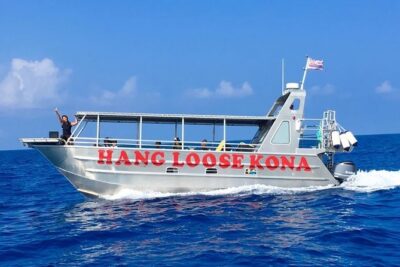 ★ 5.0Whale Watching On The Big IslandFrom $98573 reviews
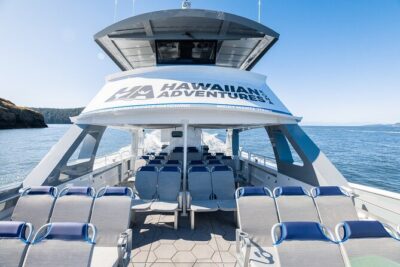 ★ 5.0Pelagic Whale Watch TourFrom $129557 reviews
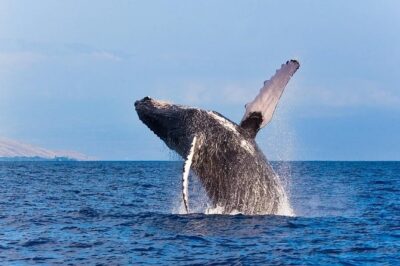 ★ 5.0Zodiac Raft Whale Watching AdventureFrom $113456 reviews
 ★ 4.5Whale Watch Excursion from the Big IslandFrom $151263 reviews
 ★ 5.0Wake Up With the Whales Cruise on SeasmokeFrom $125159 reviews
 ★ 5.0Whale Watching Tour – Big Island, HawaiiFrom $99148 reviews
 ★ 4.5Waikoloa Deluxe Whale WatchFrom $129124 reviews
 ★ 4.5Humpback Whale and Dolphin Watch in KonaFrom $10962 reviews
Browse the lists this tour appears in