
Reviewed · MAUNA KEA SUMMIT & STARGAZING
Hilo: Mauna Kea Summit, Sunset, & Stargazing Experience
Seeing Mauna Kea at night changes your scale. You ride up to the summit for a cold, cloud-above sunset, then you get a guided star show with hot drinks, snacks, and telescope time weather permitting. I like that your guide also takes your group photos in front of the Milky Way, and you get them emailed afterward. One drawback to plan around: this is not casual sightseeing. The altitude is real (about 14,000 ft), and the tour asks for a strong physical condition.
What makes this experience feel worth it is the mix. You’re not just looking up. You’re getting context for Hawaiian sky stories and astronomy at the same high-altitude research hub where part of the first black hole photo was captured. For $289 per person, the value comes from the full evening package: transport, warm gear, snacks, telescope viewing time, and the photography you don’t have to figure out on your own.
In This Review
- Key Things to Know Before You Go
- Why Mauna Kea Sunset and Stargazing Feels Different from Standard Hawaii Tours
- Getting There from Hilo: Pickup Options and the Pace of the Evening
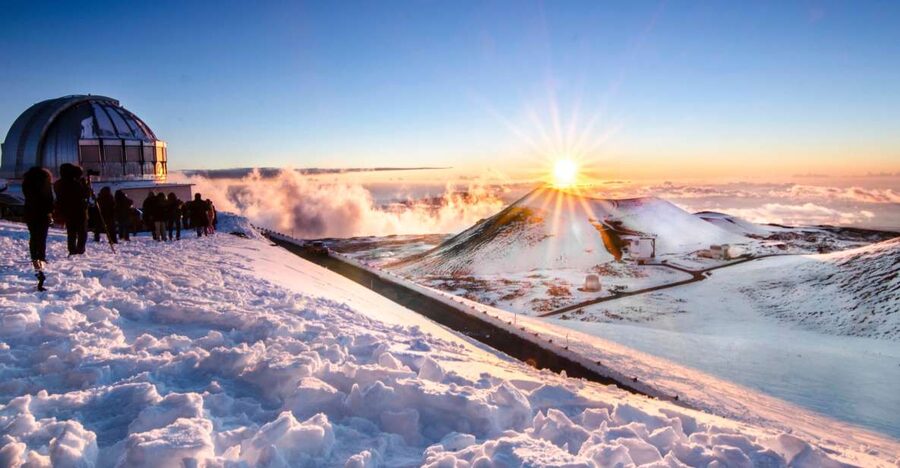
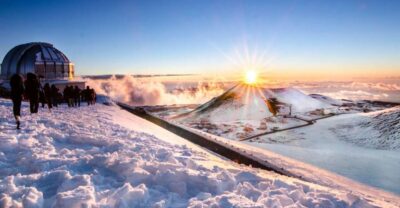
- The Mauna Kea Summit Sunset: Clouds Below, Research Telescopes Ahead
- The Black Hole Photo Connection: Why These Telescopes Matter
- Stargazing with a Private Star Show and Telescope Views
- Photos Taken by Your Guide: Getting the Milky Way Without the Trial-and-Error
- Transport, Comfort, and the Altitude Reality at 14,000 Feet
- Price and Value: Is $289 Worth It?
- Who This Tour Suits Best (and Who Should Skip It)
- Should You Book This Mauna Kea Summit and Stargazing Tour?
- FAQ
- What is the duration of the Mauna Kea Summit, Sunset, and Stargazing experience?
- Where are the pickup and drop-off locations in Hilo?
- What is included in the price?
- Is dinner included?
- Is the telescope viewing guaranteed?
- Do you get photos from the tour?
- What should I wear or bring?
- Is supplemental oxygen available?
- Who is this tour not suitable for?
- Can I cancel and get a full refund?
Key Things to Know Before You Go
- Summit sunset above the clouds: expect a dramatic shift from warm island weather to summit cold
- Warm comfort included: parkas, gloves, hot chocolate, and snacks on the way and at night
- Telescope viewing and a star talk: your private star show runs only if conditions allow
- Black hole photo observatories connection: you’ll visit the research area tied to the first black hole image
- Guide-taken photos emailed later: you don’t have to manage a camera while freezing
More summit sunsets and stargazing on Mauna Kea
- Hilo: Mauna Kea Summit, Sunset, & Stargazing Experience★ 4.8 · 629 reviews
Why Mauna Kea Sunset and Stargazing Feels Different from Standard Hawaii Tours
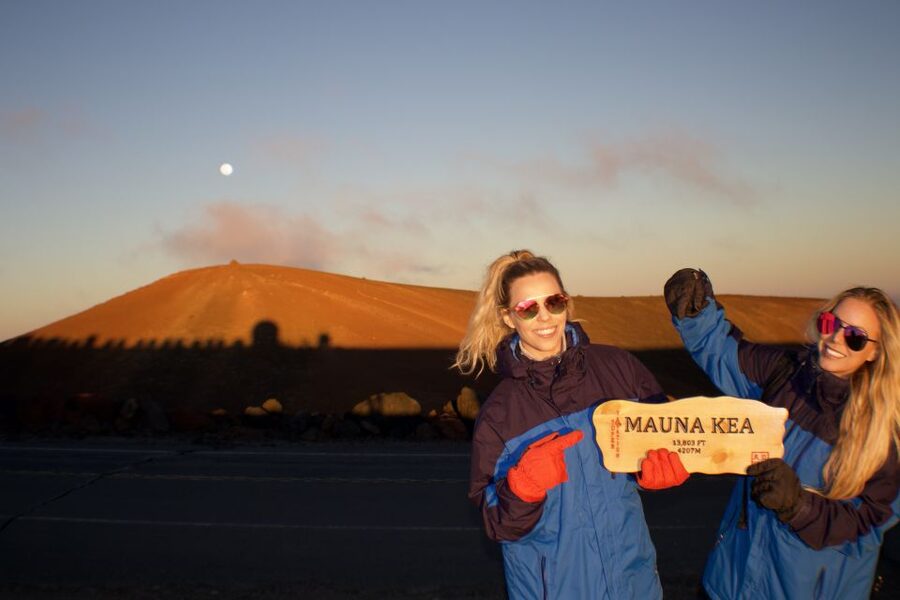
Most Hawaii tours show you pretty things. This one teaches you how to see them. The sunset at Mauna Kea has a special kind of drama: you’re high enough that the sky feels closer and the world looks layered, with clouds below and the observatories above.
Then comes the stargazing part, which is where the tour earns its keep. At summit height, the sky can look shockingly sharp. I like that you’re not left on your own with a vague “look up.” You get a guided presentation, and you also get telescope time so the sky turns from a pretty picture into real detail.
The tone is also practical. You’ll be provided parkas and gloves, plus hot chocolate and snacks, because this isn’t a short walk-and-go. You’re out in the cold long enough that comfort matters to your enjoyment.
Getting There from Hilo: Pickup Options and the Pace of the Evening
This is a long evening, about 390–450 minutes (roughly 6.5 to 7.5 hours). The tour uses pickup and drop-off options around Hilo, so you can skip the stress of driving the mountain road yourself at night.
Your pickup options include:
- Bank of Hawaii
- Starbucks
- Grand Naniloa Hotel Hilo – a DoubleTree by Hilton
Meeting point can vary by the option you book, and you’ll return to a drop-off location after stargazing.
The big thing to understand about the pace is altitude prep. The tour also notes that you need a strong physical condition. The schedule is built around the realities of the summit: adjusting, watching the sunset, then staying out for dark-sky viewing.
You’ll also want to show up early. Arrive at pickup at least 10 minutes before departure so you’re not rushing in cold gear right before the climb.
The Mauna Kea Summit Sunset: Clouds Below, Research Telescopes Ahead
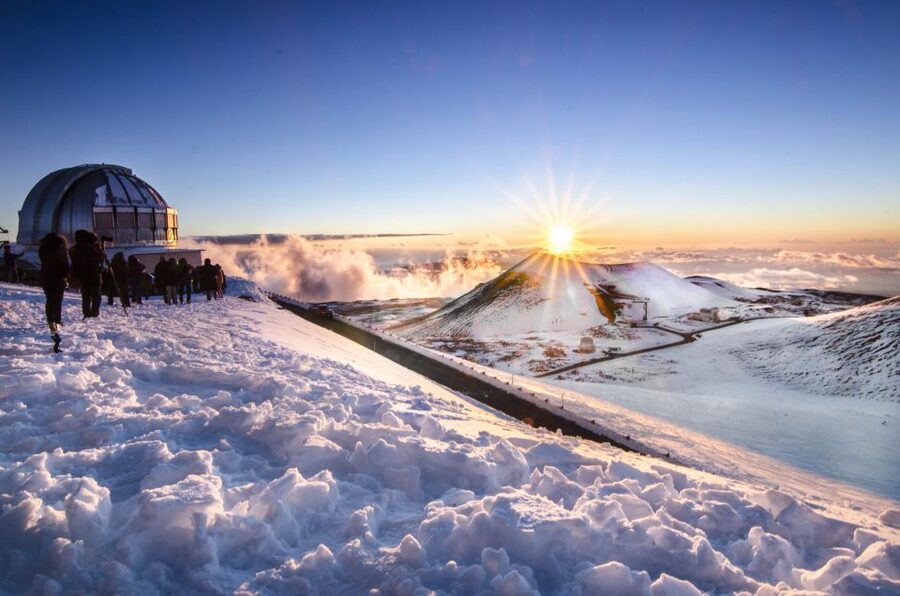
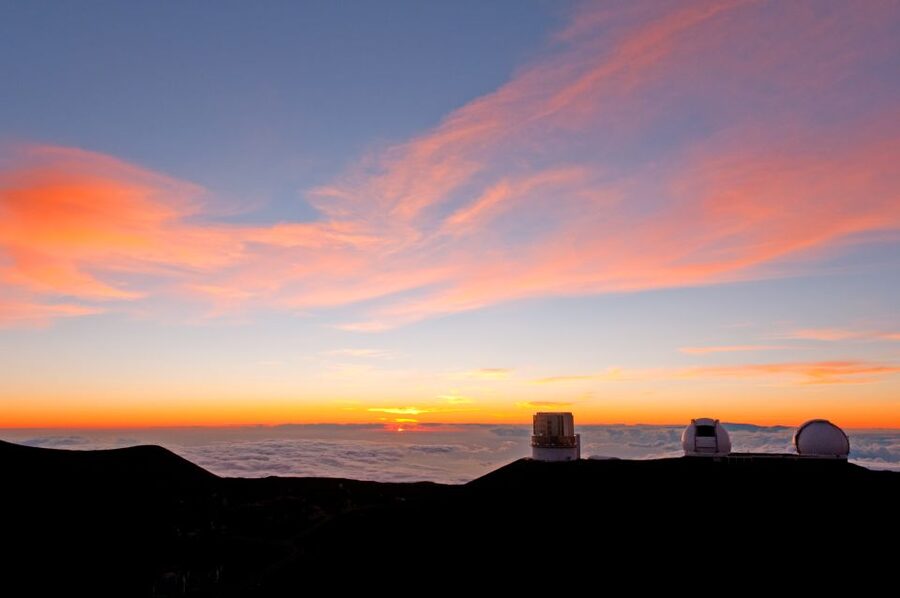
The summit portion is the payoff. You’ll reach the top in time for sunset from Mauna Kea, the highest point in the Pacific. What you’re really looking at is a “layer cake” view: island horizon angles giving way to cloud tops, with the research facilities setting the scene.
You’ll be given a parka and gloves, and you’ll have something warm to drink while you wait for the light to change. That matters because sunset isn’t instant. It takes time, and your fingers and breath need to stay steady if you want to enjoy it instead of just endure it.
One small reality check: the summit is cold and can be windy, and you’ll likely spend enough time outside that it helps to layer. Long pants and comfortable shoes are specifically requested. Even with parkas provided, your base layers control comfort.
The Black Hole Photo Connection: Why These Telescopes Matter
Here’s one of the coolest “wow, I didn’t expect that” parts of the evening. You’ll stand in an area known for a world-class cluster of research telescopes, and the tour specifically mentions you’ll see two of the eight telescopes that took the first black hole photo.
You don’t need a physics degree to appreciate what that means. The idea is simple and mind-bending: far-flung instruments working together can create a single view of something that would be impossible for one location to capture alone. Seeing that research hub in person makes the story feel less like sci-fi and more like real engineering.
It also changes how you look up. Instead of thinking of telescopes as “big cameras,” you understand them as part of a system. That context makes the later stargazing more satisfying, because you’ll recognize what the equipment is doing and why Mauna Kea is such a major site.
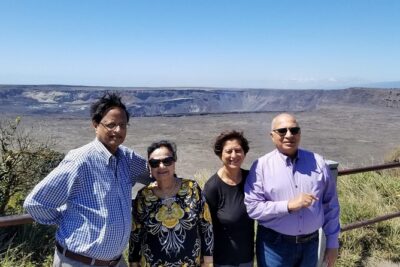
Stargazing with a Private Star Show and Telescope Views
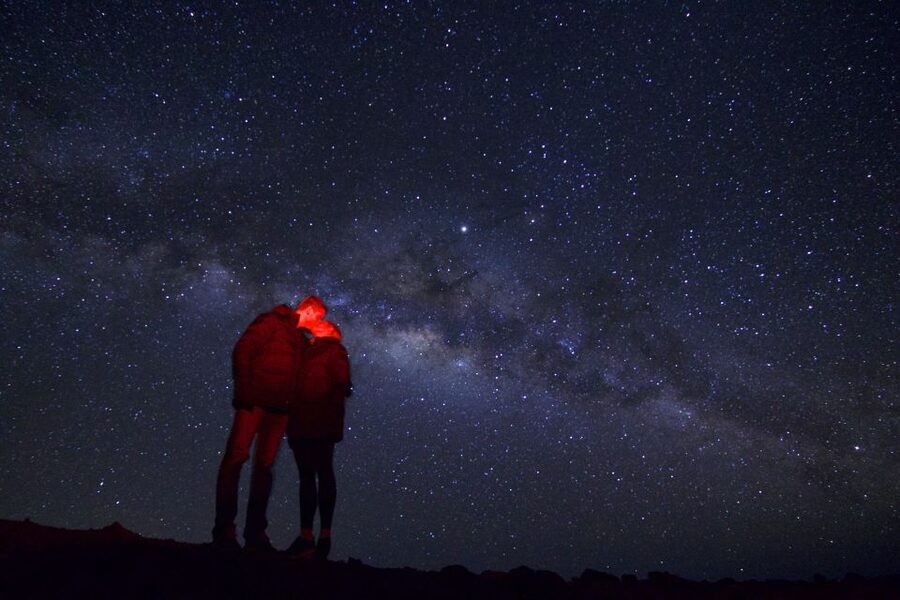
After sunset, the tour shifts into night sky mode. You’ll have a guided star show, with explanations that connect constellations to Hawaiian culture as well as astronomy.
What I like most is that you’re not just told names. You get guided attention to the sky, and then you get a chance to see objects through the tour’s telescope when weather permits. That timing matters because the whole experience depends on visibility.
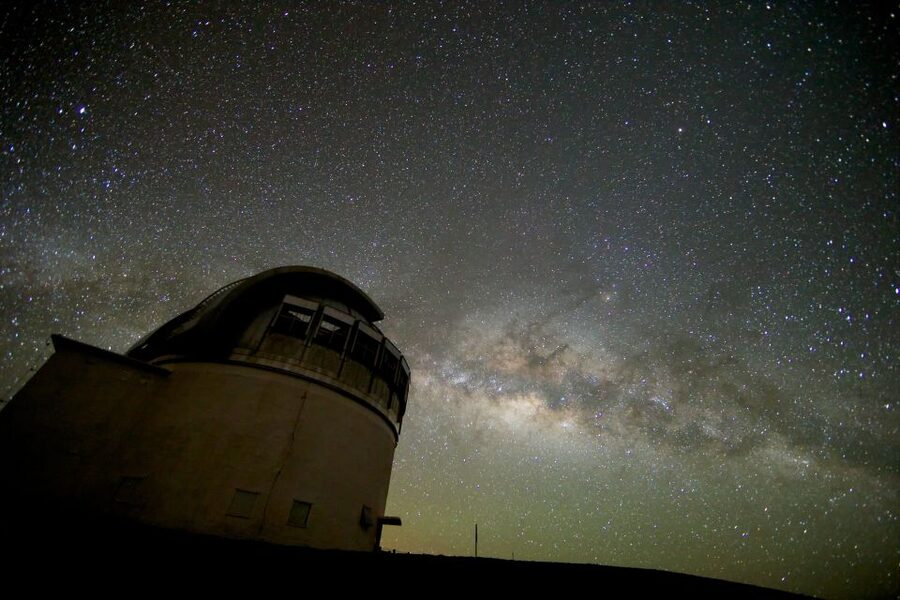
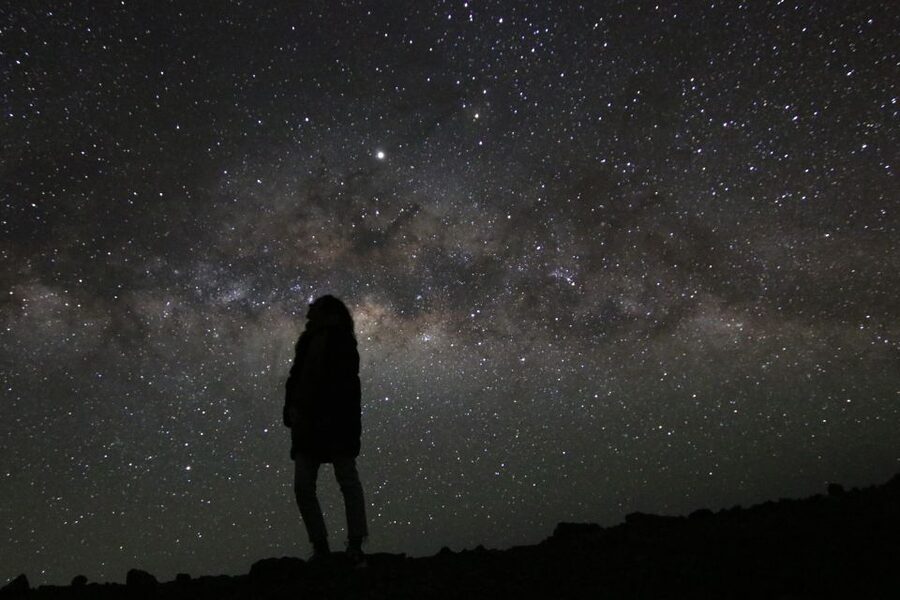
If conditions are clear, this is where the Milky Way can become the main character. Many people come expecting “a lot of stars,” but the summit can deliver something more intense—stars spread wide enough to feel like the sky has depth instead of distance. You’ll also hear about how people use stars for navigation, which turns the sky from decoration into information.
You’ll sip on hot chocolate and eat snacks during the viewing, which is a smart touch. At high elevation, you burn energy just staying comfortable. Keeping your stomach steady helps you focus on what you’re seeing.
Photos Taken by Your Guide: Getting the Milky Way Without the Trial-and-Error
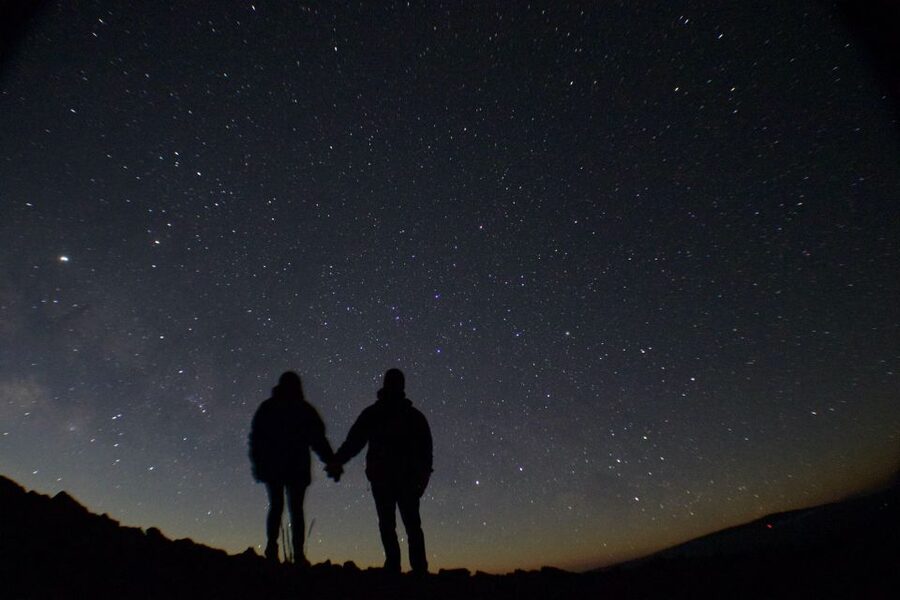
This tour includes free night photos taken by your guide on their camera, and you get them emailed afterward. That’s a big value point because night photography at Mauna Kea is hard. You’re cold, the sky moves, and getting a crisp shot requires settings and timing most people don’t want to wrestle with while also trying to enjoy the view.
Your guide handles the photo moments, so you can stay in the experience instead of constantly adjusting. Guides also take photos with the Milky Way in the background, which is exactly the kind of image you want from this place.
Practical tip: wear long pants and layer smartly, because you may spend time posing and waiting between views. If you’re too focused on staying warm, you’ll rush. If you’re comfortable, you’ll actually look up and let the sky do the work.
Transport, Comfort, and the Altitude Reality at 14,000 Feet
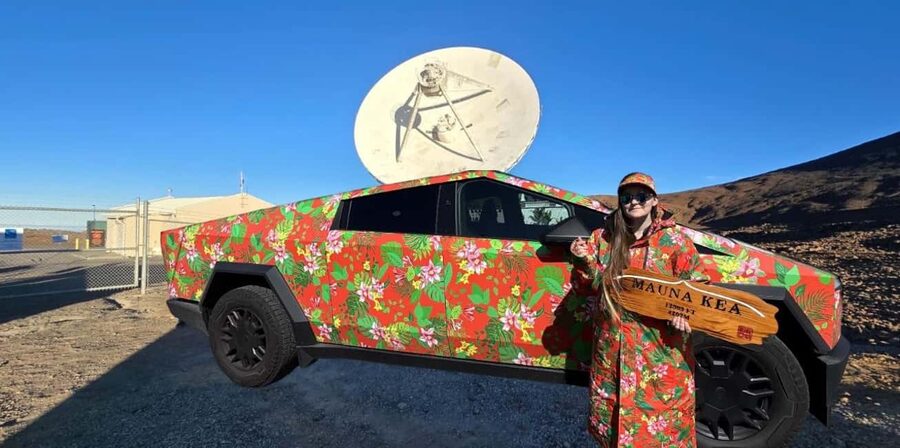
Mauna Kea sits around 14,000 ft, and the tour notes that oxygen levels are about 40% less than sea level. That’s why the tour doesn’t frame this as easy sightseeing.
Supplemental oxygen is available if needed, but you still should take the altitude seriously. The tour also warns this is not suitable for people with altitude sickness, and it tells you not to join if you have heart/lung conditions or respiratory issues.
The tour’s requirements are specific:
- Age range: 13–80 years old only
- Not allowed: alcohol and drugs
- Not suitable for: pregnancy, people with mobility impairments, back problems, heart conditions, respiratory issues
- Not recommended if you scuba dive within 24 hours prior
I also like that the tour provides warm parkas and gloves, because that’s one less thing you have to pack or buy. You’ll still want long pants and good shoes, and it helps to dress like you’re going somewhere seriously cold, not like you’re staying in Hawaii beach weather.
Price and Value: Is $289 Worth It?
At $289 per person, the price can look steep until you itemize what’s included. You’re not just paying for views.
Your cost supports:
- Pickup and drop-off from select Hilo locations
- Transport to the summit area
- Snacks and hot chocolate
- Guide throughout the experience
- Parkas and gloves
- Free night photos emailed after the tour
- Telescope viewing as long as weather permits
Here’s how I’d judge the value: this tour removes most of the friction. You don’t have to coordinate the drive, manage cold gear, figure out the best dark-sky spots, or plan photo timing in freezing conditions. The guide also helps you understand what you’re seeing, and that alone can turn a one-time look into a memorable story.
Also, the time commitment is part of the value. You’re getting a full evening arc: climb, summit sunset, then stargazing at night. For $289, you’re buying a whole sequence, not a quick stop.
The one thing to be honest about is that the tour isn’t for everyone physically. If you’re not able to handle high elevation, it’s not just a comfort issue—it becomes a safety issue. In that case, the “value” disappears, because you won’t enjoy it.
Who This Tour Suits Best (and Who Should Skip It)
This is a strong fit if you:
- Want a real stargazing experience, not a short photo stop
- Love astronomy context and Hawaiian sky stories
- Appreciate being warm and cared for in the cold (the provided jackets and gloves help a lot)
- Want someone to take your photos so you don’t lose time during the best moments
From the guide side, the experience is often led by named guides from the operator’s team. You may meet people like John, Val, Tae/Tay, Jess and Rob, or Mitch. The consistent theme in the guide-led portions is clarity: they connect what you see to meaning, then help you locate objects in the sky.
Skip this tour if you’re in any of the not-suitable categories: pregnancy, heart/lung or respiratory issues, mobility limitations, back problems, altitude sickness, or if you’re over 80. And if you’re deciding between this and a gentler Big Island option, altitude is the deciding factor. Mauna Kea is not subtle.
Should You Book This Mauna Kea Summit and Stargazing Tour?
If you want one Big Island night that feels like it belongs in a science documentary and a Hawaiian sky story at the same time, I think this tour is an easy yes—as long as you’re physically ready for the altitude.
Book it if:
- You’re excited by the idea of the summit sky and the observatories
- You value telescope time and guided star talk
- You want warm gear included and photos handled by your guide
Don’t book it if:
- You’re not comfortable with high elevation conditions, cold, or time outside
- Any of the safety restrictions apply to you
- You’re hoping for a low-effort stroll. This is a real evening on the move and in the cold
If the forecast is favorable for visibility, you’re in for a night where the sky stops being background and starts being the main event.
FAQ
What is the duration of the Mauna Kea Summit, Sunset, and Stargazing experience?
The duration is 390 to 450 minutes. Check available starting times when you reserve.
Where are the pickup and drop-off locations in Hilo?
Pickup options include Bank of Hawaii, Starbucks, and Grand Naniloa Hotel Hilo – a DoubleTree by Hilton. Drop-off locations are also listed as Starbucks, Bank of Hawaii, and the Grand Naniloa Hotel Hilo.
What is included in the price?
Included are pickup and drop-off (select locations), snacks and hot chocolate, free night photos sent by email, a live English guide, parka and gloves.
Is dinner included?
No. Dinner is not included.
Is the telescope viewing guaranteed?
Telescope viewing is weather permitting. If conditions don’t cooperate, the viewing may be affected.
Do you get photos from the tour?
Yes. Your guide takes photos on the camera, and you receive the night photos by email after the experience.
What should I wear or bring?
Bring comfortable shoes and long pants. The tour also provides parkas and gloves.
Is supplemental oxygen available?
Yes. Supplemental oxygen is available if needed due to the summit elevation.
Who is this tour not suitable for?
It is not suitable for children under 13, people over 80, pregnant women, and people with heart/lung conditions, respiratory issues, back problems, mobility impairments, or altitude sickness. It also notes not to scuba dive within 24 hours prior.
Can I cancel and get a full refund?
Yes. You can cancel up to 24 hours in advance for a full refund.
If you tell me your travel dates and whether anyone in your group has altitude sensitivity, I can help you decide if this is the right fit for your specific comfort level.
More Tour Reviews in Hilo
- Big Island: Volcanoes, Waterfalls, & Coffee Farm Day-Trip
★ 4.9 · 414 reviews - Volcano Adventure: Hilo Sightseeing w/ Optional Helicopter Tour
★ 4.5 · 412 reviews - Hilo Shore Excursion: Active Volcano, Lava Tube, Waterfall and Gardens
★ 5.0 · 393 reviews - Hawaii Volcanoes National Park and Hilo Highlights Small Group Tour
★ 5.0 · 260 reviews - Hilo: Hawaii Volcanoes National Park Flight
★ 4.4 · 248 reviews - Hawai’i’s Volcanoes National Park from Hilo Only
★ 5.0 · 167 reviews
Mauna Kea After Sunset
- From Big Island Hilo – Enchanting Mauna Kea & Waterfalls Tour
★ 3.5 · 7 reviews
Just Added: The Newest Big Island Reviews
Mauna Kea Summit & Stargazing, compared.
 ★ 5.0Big Island GOAT Experience: Mauna Kea Summit, Sunset & StarsFrom $2891,706 reviews
 ★ 5.0Small Group Big Island Twilight Volcano and Stargazing TourFrom $2971,619 reviews
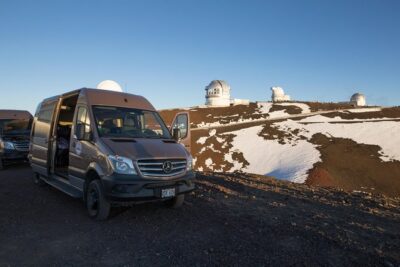 ★ 5.0Mauna Kea Summit and Stars Small-Group Adventure TourFrom $3291,545 reviews
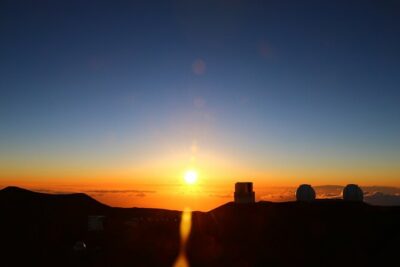 ★ 5.0Mauna Kea Summit Tour with Free Night Star PhotoFrom $2801,449 reviews
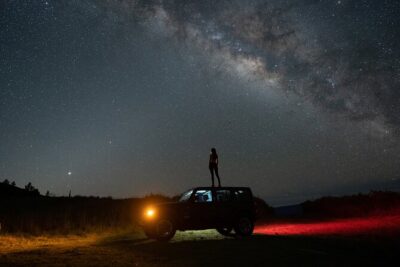 ★ 5.0Mauna Kea Stargazing Experience + PhotosFrom $299261 reviews
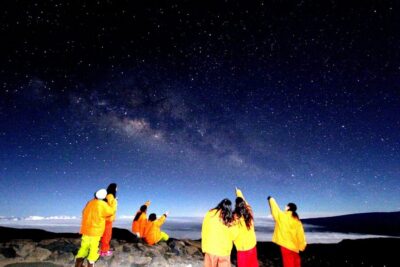 ★ 4.8MaunaKea Summit SUNSET and Star Tour with PhotoFrom $280220 reviews
 ★ 4.8Big Island, Hawaii: Volcano and Stargazing Tour with DinnerFrom $297179 reviews
 ★ 5.0Mauna Kea Arnott’s AdventuresFrom $255150 reviews
Browse the lists this tour appears in