Reviewed · KONA SURF LESSONS & BOARD RENTALS
2-Hour Guided Private Surf Lesson in Kona
Kona surfing gets real fast. You trade guesswork for a 2-hour private lesson at Kahalu’u Beach Park, with an instructor who stays focused on what you’re doing from the first moment you touch the board. I like that it’s not just hype about Hawaii waves; it’s hands-on fundamentals, plus smart gear that helps you move confidently.
Two things I really like: you get gear included (foam top surfboard, reef walker surf shoes, and an SPF surf shirt), and you learn the full routine—etiquette, technique, and safety—before you paddle out. One consideration: Kona surf lessons start at a specific beach spot, and the exact meeting area can be easy to miss unless you message ahead and confirm where you’ll line up.
By the end, the goal is simple: you should be set up to catch your first wave in Hawaii, not just watch from shore. And if you’re nervous, that’s where private coaching shines, because you can ask, adjust, and try again without waiting your turn.
In This Review
- Key highlights worth knowing
- Kahalu’u Beach Park is the Kona surf classroom
- Gear fit at the sand: foam top board, reef shoes, SPF surf shirt
- The 2-hour coaching flow: safety, etiquette, and the pop-up
- In the water: how you get your first ride (and how it feels)
- Private 1-on-1 lessons: best for nervous beginners and family trips
- Price and value: what you’re paying for at $229.99 per person
- Practical prep: what to bring, what to expect, and how to do better fast
- Should you book Ohana Surf Lessons in Kona?
- FAQ
- Where is the meeting point for the private surf lesson?
- How long is the lesson?
- What is included in the price?
- What should I bring if I want to be comfortable?
- Is this a private lesson or a group class?
- What language is the instruction offered in?
- What fitness level do I need?
- Can service animals attend?
Key highlights worth knowing
- True 1-on-1 time for the full 2 hours, so your coach can correct you fast
- Kahalu’u Beach Park is your classroom, with everything staged right at the beach
- Foam board + reef walker surf shoes + SPF surf shirt are included
- Etquette + safety briefing first, so you know how to share the water
- Pop-up practice is coached, not left to luck
- Drinking water is provided after each session
Catch a few more waves on the Kona coast
- Private Surf Experience★ 5.0 · 200 reviews
- Kona Surf Lesson in Kahaluu★ 5.0 · 152 reviews
- 2-Hour Guided Private Surf Lesson in Kona★ 5.0 · 84 reviews
- Go Surf Hawai’i (Kona Coast)★ 5.0 · 83 reviews
Kahalu’u Beach Park is the Kona surf classroom
Kahalu’u Beach Park is a classic place to learn in Kona because it gives you a real, on-the-ground surf experience instead of a staged lesson far from the water. You’re not wandering around wondering where to start. You meet right at the beach area near Ali‘i Dr, get checked for gear fit, and move through the lesson in a tight, logical flow.
What makes this setup valuable for beginners is the time you save. Surfing is already plenty challenging for your first day. Having the lesson anchored to the actual surf spot means you’re practicing with the right context from the start: where you stand, how you handle the board, and how the beach-to-water transition works.
It also helps that the instruction is built around fundamentals. You’re not just told to paddle and hope for a miracle. You get a step-by-step approach that includes both on-shore and in-water safety so you’re comfortable with the rules and the physical rhythm before you try to ride.
One more practical note: if you’re arriving from elsewhere in Kona, plan a little extra time. The beach is public and active, so it’s smart to confirm the exact meeting point so you don’t lose minutes when you should be gearing up.
Gear fit at the sand: foam top board, reef shoes, SPF surf shirt
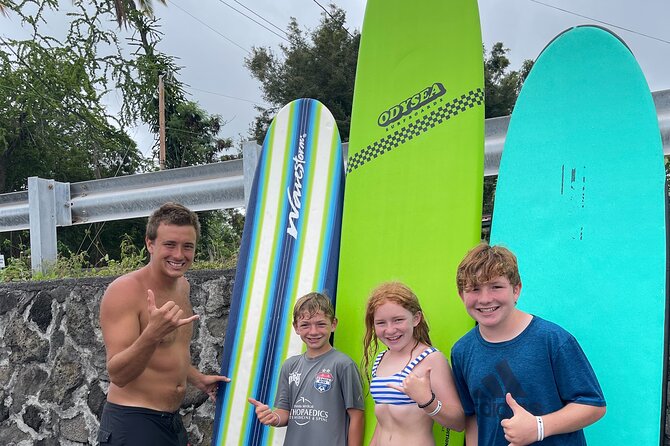
This lesson is smart about beginner friction. It gives you the gear that usually makes or breaks the first session: a foam top surfboard, reef walker surf shoes, and an SPF surf shirt. That’s a big deal because foam boards are easier to balance on, and reef walker shoes protect your feet while you move around near surf and rock.
The SPF surf shirt is also a practical win. Kona sun can be intense, and you’ll likely be out in it longer than you think when you include briefings, practice, and rest between attempts. You’re not juggling sunscreen before you even start; you’re set up to focus on learning.
Expect the coach to size you up for the board and get you in the right setup before the lesson really begins. That early fit matters. If the board is too big or wrong for your stance, your first attempts feel awkward even when your technique is fine. With foam boards, there’s still a learning curve, but the odds improve when the gear matches you.
After you’re outfitted, you move straight into demonstration. This isn’t a “gear up and hope” situation. You’ll watch the fundamentals, then practice them with coaching right away. That makes the time feel efficient, even though the lesson is only two hours total.
And after your session, you get complimentary drinking water. It’s small, but it helps you cool down and rehydrate while you still remember what the coach told you.
The 2-hour coaching flow: safety, etiquette, and the pop-up
The lesson is designed as a complete sequence, not a random set of tricks. You start with a hands-on demonstration of the basics, including proper technique and surf etiquette. Etiquette isn’t filler. It’s how you avoid getting in the way of others and how you understand what to do when multiple surfers are around.
Next comes the safety briefing, with details both on shore and in the water. For a beginner, that reduces the scary unknowns. You learn how to move with the board, what to be aware of in the water, and how to stay safe while you practice. If you’ve been hesitant because you don’t know the rules, this part usually gives you confidence fast.
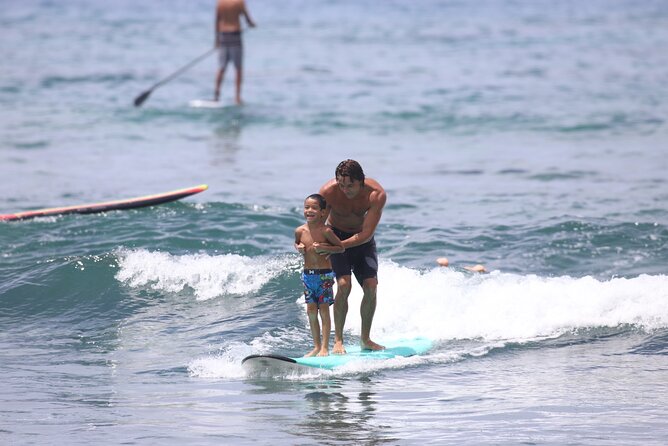
Then you focus on the pop-up method. The pop-up is the make-or-break moment in many first lessons, because you’re going from lying down to a standing stance quickly and correctly. A coach doesn’t just say stand up. They break down the movement so your body knows what to do under pressure.
This is also where private coaching pays off. When you’re only sharing attention with your instructor, there’s less time wasted on generic corrections. If your feet are landing wrong or your weight is off, your coach can adjust your next attempt immediately.
From what I’ve seen in similar beginner lessons, two hours can go either way. It can feel rushed, or it can feel like you actually learned something. Here, the structure is tight: demo, fundamentals, safety, pop-up practice, then in-water attempts.
In the water: how you get your first ride (and how it feels)
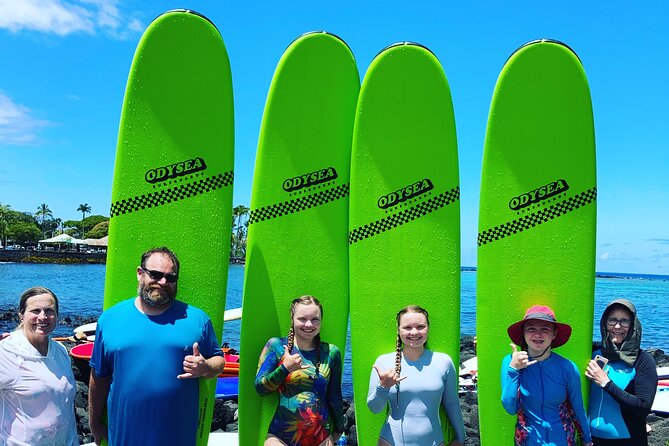
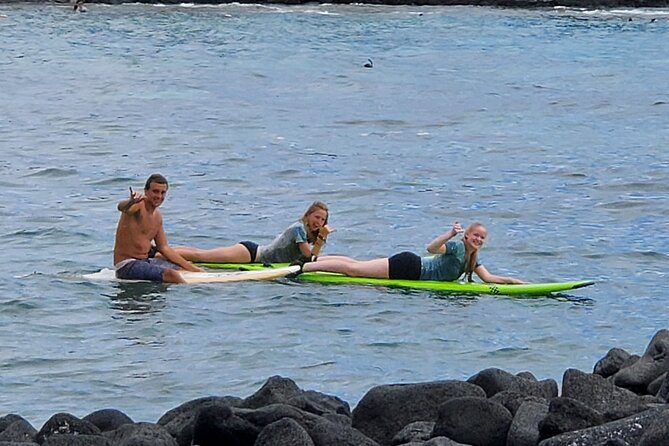
The promise here is not just that you’ll be near surf. The highlight is that you should be riding your first wave in Hawaii. That doesn’t mean every attempt becomes a perfect ride, but it does mean the lesson is built to get you into the action early enough to learn what works.
The best part of a guided first session is timing. You learn where you should be positioned, when to paddle, and how to respond as a wave approaches. Your instructor also watches your form, so when you stand—hopefully sooner than you expect—they can help you adjust in real time.
You should also expect a lot of short practice cycles. Surf learning is mostly repetition: try, reset, focus on one cue, then try again. A private instructor keeps those cycles moving so you spend less time waiting and more time improving.
From the kind of coaching praised by students, the approach tends to be patient and encouraging. In lessons associated with instructors like Thomas and Kai, people note that the guidance stays approachable even when you don’t have a clue how to surf. Others describe quick progress, including moments where you’re up faster than you expected, which is exactly the momentum you want on day one.
If you’re bringing kids or you’re an adult who hasn’t done much sports lately, the coaching style is still important. In lessons led by instructors such as Bradley, Alex, Koa, and Kaleo, people highlight confidence-building and safety focus. That matters because surfing is a mix of physical skill and mental calm.
The one thing to remember: ocean conditions can change. If waves are smaller or different that day, the lesson can still be valuable, but your ride count might vary. The upside of a full private session is that your instructor can adjust the plan to keep you practicing.
Let a local guide plan the whole day

Private 1-on-1 lessons: best for nervous beginners and family trips
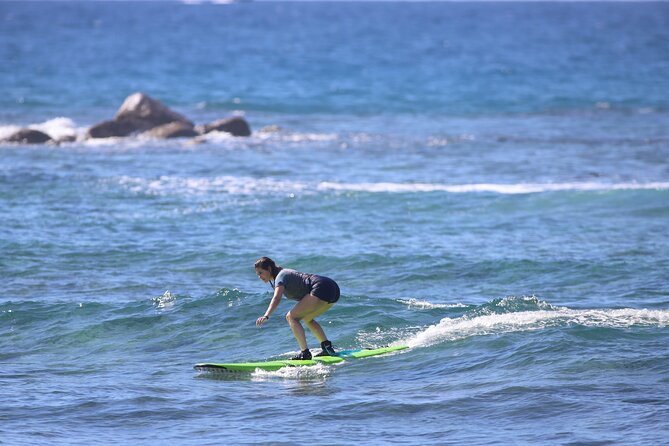
This is a private activity, meaning it’s only your group. That changes everything for learning. There’s no standing around while another group takes their turns. Your coach can watch you closely and correct you on your terms.
For beginners, that’s the fastest path from confusion to competence. You can ask direct questions, get one key adjustment at a time, and build confidence wave by wave. That’s why you’ll see people talk about catching waves in their first session rather than just learning theory.
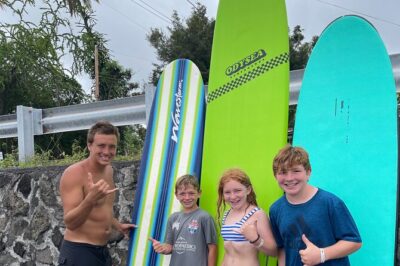
It also works well for families. If you’re traveling with a child or teen, a private lesson means your instructor can tailor cues to their comfort level. Some families specifically liked how coaches worked with kids around safety and balance, and how the students built enough confidence to keep going after the first session.
Even if you’re not traveling with others, the private format is ideal if you want a clear plan. Many people are used to group lessons where the coach is juggling multiple students. Here, you get undivided attention, so your learning curve is steeper.
Moderate physical fitness is the only real requirement noted for travelers. That doesn’t mean you need to be an athlete. It means you should be able to paddle, move around on the board, and repeat pop-ups a few times without feeling wiped out immediately.
Price and value: what you’re paying for at $229.99 per person
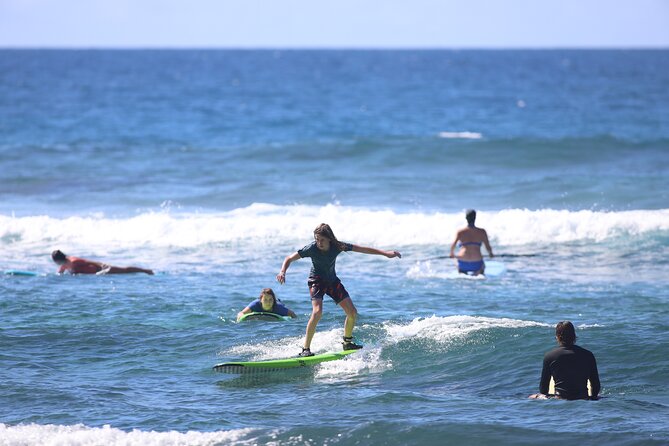
At $229.99 per person for about two hours, the big question is value: are you buying just ocean time, or are you buying skill? With this format, you’re paying for coaching intensity and included gear.
First, the lesson is private for the full session. That’s not a small upgrade. It’s the difference between doing a few attempts and actually understanding what to fix. For first-timers, that understanding is often worth more than extra time because it changes your body’s next attempt.
Second, the included gear is a real savings and a quality boost. You get foam top surfboard, reef walker surf shoes, and an SPF surf shirt. Those items aren’t just accessories; they directly affect safety and comfort, and comfort is what lets you focus.
Third, the structure matters. You’re guided through etiquette, technique, the pop-up method, and safety briefings on land and in water. When all of those pieces are included, you’re not spending your lesson guessing what matters most.
In practice, this tends to be a good fit if you want your Kona trip to include an active, memorable experience without spending half the day researching gear or trying to figure out the basics on your own.
Practical prep: what to bring, what to expect, and how to do better fast
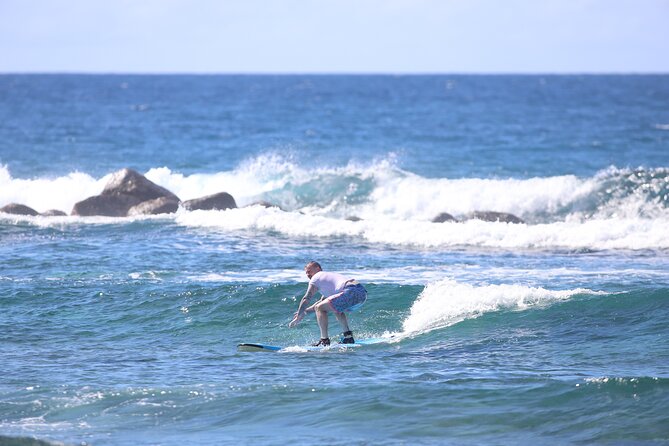
You don’t need to show up with a surf kit. But you should plan for what’s not included. Bring a swimsuit, towel, and sunscreen, and also budget for gratuity if you’d like to tip your instructor. The SPF surf shirt helps, but you’ll still be in the sun before and after the water time.
Wear something you don’t mind getting sandy or wet. You’ll be in reef shoes for protection, but you’ll still walk around and handle a board. Comfortable swimwear and quick-drying basics make life easier.
Next, think about mindset. Surfing is awkward at first. The first goal is usually getting stable enough to stand, not riding long distances. A private instructor can help you focus on the one thing that will improve your next attempt.
Also, take logistics seriously. One lesson experience noted that location info can be tricky without a heads-up. My advice: send a quick message the day of or the day before to confirm the exact meeting spot at Kahalu’u Beach Park. You’ll save stress and start learning sooner.
Finally, arrive with reasonable patience. Your session includes gear sizing, demonstration, safety briefing, and then practice. That’s why the lesson works even when you’re not strong in sports. You get coached steps, not random chaos.
Should you book Ohana Surf Lessons in Kona?
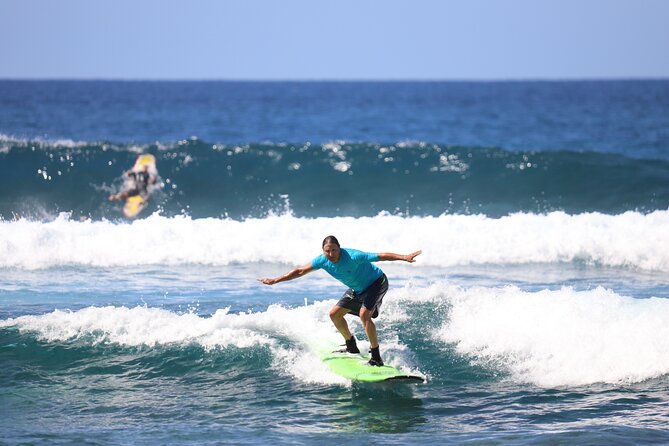
You should book this private Kona surf lesson if you want a beginner-friendly path to standing on a board with real coaching, not just a casual beach outing. It’s especially worth it when you value 1-on-1 attention, included gear, and a lesson built around safety, etiquette, and the pop-up method.
You might skip it if you’re looking for a low-cost group deal or if you’re hoping to spend most of the session just free-roaming on the water with no instruction. This is instruction-first, and that’s the point.
If your schedule is flexible, you’re also in a good spot: free cancellation is available up to 24 hours before the experience start time. And since this type of lesson is booked about 23 days in advance on average, booking earlier usually reduces last-minute stress.
If you’re traveling to Kona and want a real, hands-on activity that leaves you with a story (and hopefully a first-ride moment), this is one of those choices that turns your vacation into more than photos.
FAQ
Where is the meeting point for the private surf lesson?
The lesson meets at Kahalu’u Beach Park, Ali‘i Dr, Kailua-Kona, HI 96740, USA. The activity ends back at the meeting point.
How long is the lesson?
The lesson is about 2 hours total.
What is included in the price?
All lessons include a foam top surfboard, reef walker surf shoes, and an SPF surf shirt. Complimentary drinking water is provided after each lesson.
What should I bring if I want to be comfortable?
You’ll want to bring a swimsuit, towel, and sunscreen, since these are not included. You should also plan for instructor gratuity if you choose to tip.
Is this a private lesson or a group class?
It’s a private activity. Only your group participates.
What language is the instruction offered in?
The lesson is offered in English.
What fitness level do I need?
You should have a moderate physical fitness level.
Can service animals attend?
Service animals are allowed.
More Guided Big Island Days
- Guided Outrigger Canoe Tour in Kealakekua Bay
★ 5.0 · 218 reviews - Private Guide Meet In Hawaii Volcanoes National Park
★ 5.0 · 181 reviews - Self-Guided GPS Audio E-Bike Tour Hawaii Volcanoes National Park
★ 4.5 · 131 reviews - Self-Guided Audio Driving Tour in Big Island
★ 5.0 · 98 reviews - Big Island Hawaii Self-Guided Driving Tour
★ 4.0 · 45 reviews - Edible Hibiscus Guided Farm Tour (Big Island)
★ 5.0 · 31 reviews
More Tour Reviews in Big Island of Hawaii
- Big Island in a Day: Volcanoes Waterfalls Sightseeing and History
★ 5.0 · 6,569 reviews - Big Island Manta Ray Night Snorkel
★ 5.0 · 5,656 reviews - Big Island: Kona Manta Ray Snorkel Tour in Keauhou Harbor
★ 4.5 · 2,465 reviews - Hilo Shore Excursion: Volcanoes National Park & Black Sand Beach
★ 4.5 · 2,338 reviews - Big Island: Captain Cook Snorkel On A Power Catamaran With Lunch
★ 5.0 · 2,232 reviews - KONA Manta Ray Night Snorkel – FREE re-ride if no Sightings
★ 5.0 · 2,212 reviews
Waves on the Kona Coast
- Private Surf Experience
★ 5.0 · 200 reviews - Kona Surf Lesson in Kahaluu
★ 5.0 · 152 reviews - Go Surf Hawai’i (Kona Coast)
★ 5.0 · 83 reviews - Surf with the Pros
★ 5.0 · 53 reviews - Premium group surf lessons- Kona’s Best Surf Lessons
★ 5.0 · 45 reviews - Big Island Surf Lesson from Hilo
★ 4.0 · 13 reviews
Just Added: The Newest Big Island Reviews

Kona Surf Lessons & Board Rentals, compared.
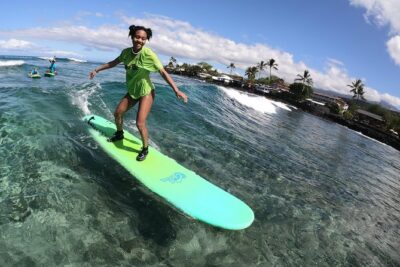 ★ 5.0Private Surf ExperienceFrom $199200 reviews
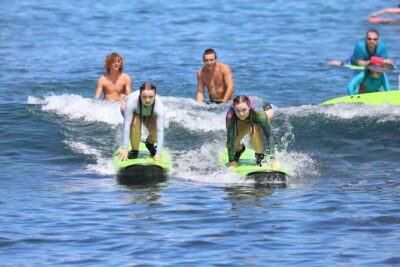 ★ 5.0Kona Surf Lesson in KahaluuFrom $169152 reviews
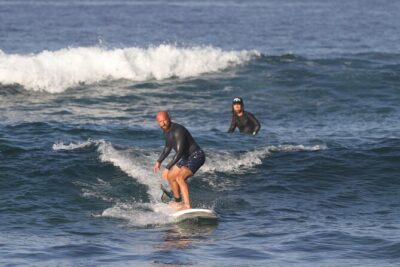 ★ 5.0Go Surf Hawai’i (Kona Coast)83 reviews
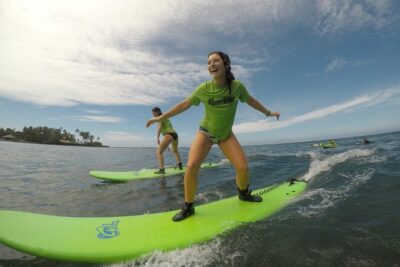 ★ 5.0Surf with the ProsFrom $16953 reviews
 ★ 5.0Premium group surf lessons- Kona’s Best Surf LessonsFrom $16945 reviews
 ★ 4.0Big Island Surf Lesson from HiloFrom $12013 reviews
Browse the lists this tour appears in