
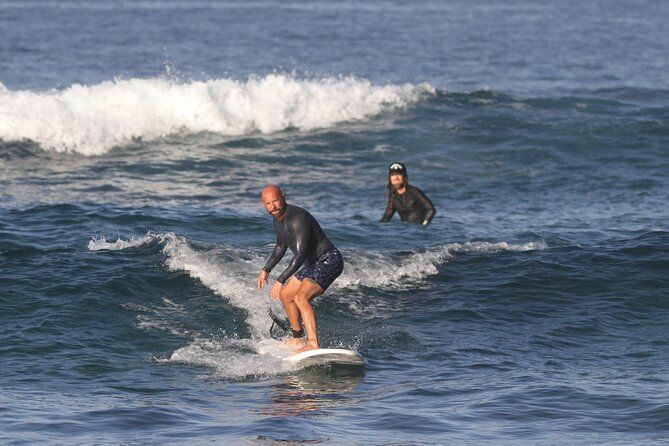
Reviewed · KONA SURF LESSONS & BOARD RENTALS
Go Surf Hawai’i (Kona Coast)
Surf coaching in Kona feels personal. A max of four people get tailored instruction at a beginner-friendly break, with everything you need handled for you. You finish with practical pointers you can use right away, not just a feel-good souvenir.
I also love the step-by-step structure: you get dry-land coaching for paddling and pop-ups before you go chase waves. The one thing to keep in mind is photos are an add-on with variable availability, so don’t plan your whole session around getting pictures.
In This Review
- Go Surf Hawai‘i Key Highlights
- Kona Coast Basics: What Your 90 Minutes Actually Includes
- Meeting on Ali‘i Drive: Why the Start Matters
- Small-Group Coaching on a Max of 4 People
- Gear That Keeps You Comfortable (and Safer)
- Dry-Land Training: Paddling, Pop-Ups, and Balance
- In the Water: A Mellow Beginner Break That Helps You Succeed
- Optional Photography: Great If You Get It, But Plan for Variability
- Insider Tips for Surf, Food, and Exploring Beyond the Usual Stops
- Price and Value: What You’re Really Paying For
- Weather Reality Check and the Simple Plan B
- Who Should Book This Surf Lesson on the Kona Coast?
- Should You Book Go Surf Hawai‘i (Kona Coast)?
- FAQ
- How long is the Go Surf Hawai‘i Kona Coast lesson?
- Where do we meet for the lesson?
- Is this lesson good for beginners?
- What equipment is included?
- Is there an option to get photos?
- How many people are in the group?
- Do kids need private lessons?
Go Surf Hawai‘i Key Highlights
- Small group limit of 4 for more hands-on time in the water
- All gear included, including a soft-top board and rash guard
- Dry-land coaching first, so you learn the motion before the ocean
- Beginner-friendly break, designed for first-timers and skill-building
- Insider local tips on where to surf, eat, and explore beyond the usual stops
- Optional photography, but availability can vary
Catch a few more waves on the Kona coast
- Private Surf Experience★ 5.0 · 200 reviews
- Kona Surf Lesson in Kahaluu★ 5.0 · 152 reviews
- 2-Hour Guided Private Surf Lesson in Kona★ 5.0 · 84 reviews
- Go Surf Hawai’i (Kona Coast)★ 5.0 · 83 reviews
Kona Coast Basics: What Your 90 Minutes Actually Includes
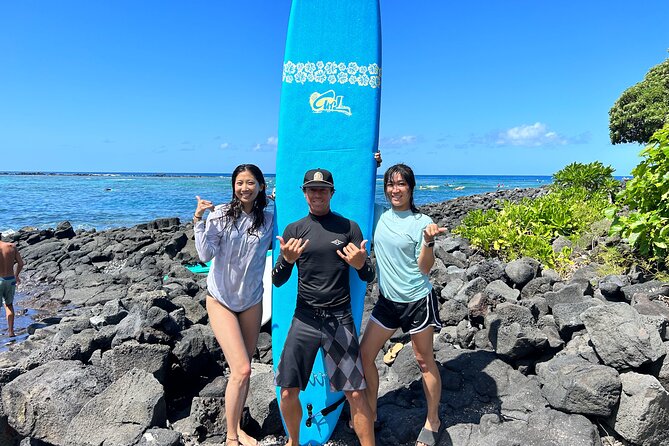
This is a 1 hour 30 minute surf lesson on the Big Island’s Kona Coast, built for first-timers and people leveling up. You’ll work with a pro surf coach who customizes the session to your current comfort level, whether you’re trying surfing for the first time or you want cleaner technique.
The flow is simple and smart. You learn the basics on land, then you hit a mellow, beginner-friendly break where you can focus on timing, balance, and getting back up quickly after wipeouts.
And because this is a limited-size group, you’re not stuck waiting your turn. You get more coaching during the moments that matter.
Meeting on Ali‘i Drive: Why the Start Matters
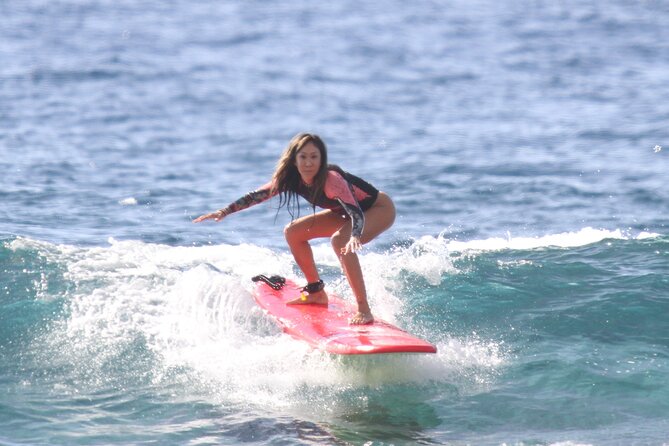
You meet at 78-6680 Ali‘i Dr, Kailua-Kona, HI 96740, USA. The start is set up so you can locate it easily (and it’s near public transportation if you’re not driving).
The real value of a clear meeting point is time in the water. Surf lessons run on tide and conditions. When you start smoothly, you spend more of your lesson doing the thing you paid for.
From there, the lesson keeps moving: gear, coaching, then ocean time. There’s no “sit and watch” vibe built into the schedule.
Small-Group Coaching on a Max of 4 People
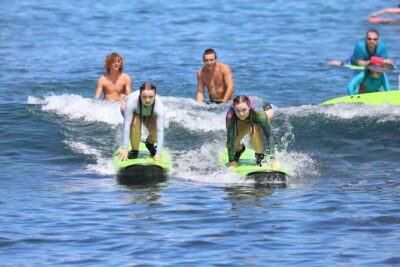
The maximum of 4 people is one of the biggest reasons this lesson feels different. Surf is chaotic by nature. When your group is tiny, the coach can correct your stance, timing, and paddle approach without rushing.
In real terms, that means you can go from getting one thing wrong to fixing it fast. And it also means different skill levels can share the same shoreline without the less-experienced person feeling left behind.
You may notice that instructors use a mix of encouragement and technique checks. Names that show up in the coaching credits include Jared, Jace, Rory, and Renee, and people consistently call out how patient they are, especially with beginners and kids.
Gear That Keeps You Comfortable (and Safer)
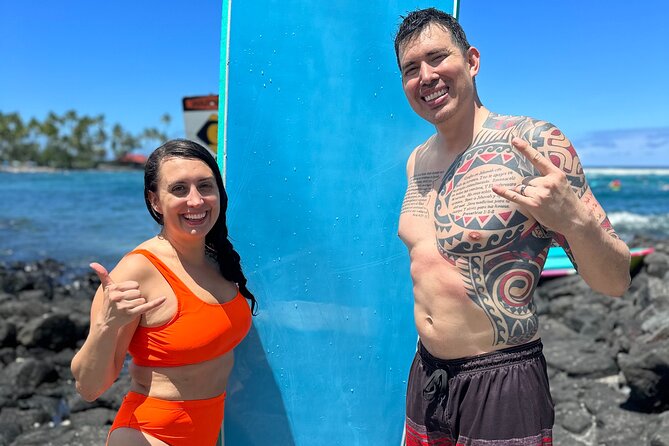
You don’t have to show up with a surf kit. All gear is provided, including a comfy soft-top board and a rash guard. Soft-top boards are easier to handle for new surfers, especially when you’re still learning how to pop up and balance without the board getting away from you.
The rash guard also helps with the practical side of the Kona sun. You’re wearing less exposed skin, which matters when you’re outside for most of the lesson and working at an active pace.
One small comfort tip: if you tend to get cold in the car ride back, bring something light for after the water. It’s not required, just a real-world comfort move.


Dry-Land Training: Paddling, Pop-Ups, and Balance
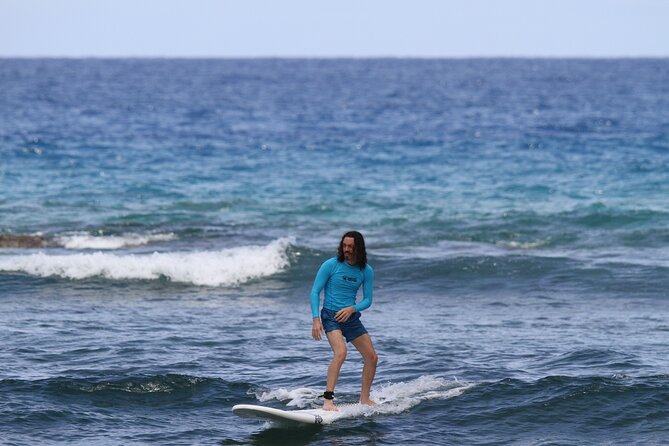
Before you head out, you practice the motions with dry-land coaching. The goal is to help you paddle, pop up, and find your balance—without guessing what to do once you’re in the ocean.
This matters more than it sounds. First-time surfers often lose confidence because the ocean feels like a completely different world. Dry-land instruction bridges the gap. You learn what your body should do, so when the coach points out a small adjustment, it clicks faster.
You’ll also get step-by-step guidance on how to set yourself up for a better chance at catching waves. It’s the kind of coaching that helps you stop thinking about everything at once and start focusing on one move at a time.
In the Water: A Mellow Beginner Break That Helps You Succeed
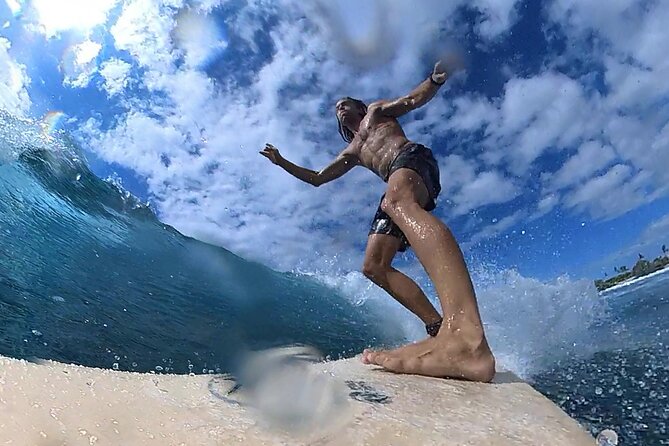
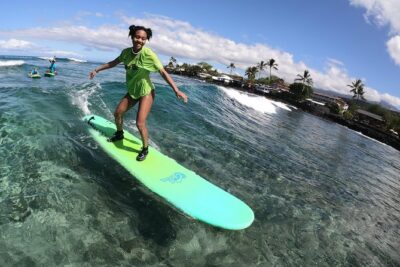
After land practice, you head to a mellow beginner-friendly surf break. This is where the lesson earns its value. The coach is matching the environment to your skill level so you can actually try and catch waves, not just struggle through conditions you’re not ready for.
The instructor works with you on the spot—how to time your paddle, where to position yourself, and what to do when a wave comes through. This is also where the small group size pays off again. You’re not just hearing advice. You’re getting corrections when you need them.
One thing I love about this setup is the variety of outcomes. Even if you’re not popping up immediately, you’re still building ocean skills: paddling rhythm, wave awareness, and the confidence to try again. Reviews commonly mention first-wave wins for adults and kids, and people who were nervous saying the coaching kept them safe and calm.
Also, if the ocean is flat or conditions aren’t working, the lesson may be adjusted or rescheduled. Surf depends on the day, and that’s part of the reality of learning outdoors.
Optional Photography: Great If You Get It, But Plan for Variability
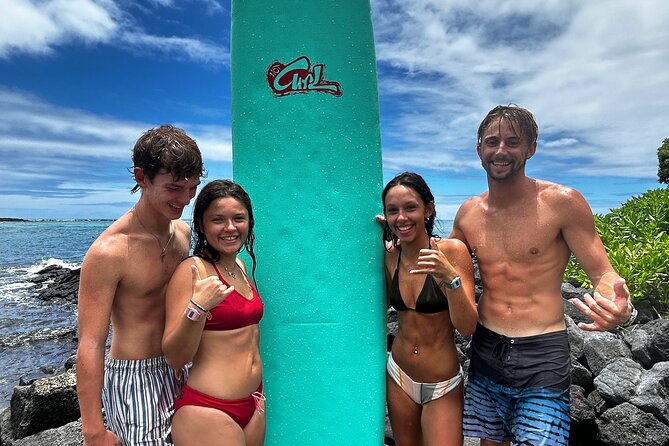
There’s an optional photographer available during your session. Availability can vary, so if photos are a must-have, message the team ahead of time and ask how to make it work.
If you do get photos, you’ll have something useful: a way to see posture, timing, and board position. That feedback can help you keep improving after you leave Kona.
If you don’t get photos, you’re not missing the core experience. The lesson still focuses on getting on waves and learning technique you can practice right away.
Insider Tips for Surf, Food, and Exploring Beyond the Usual Stops
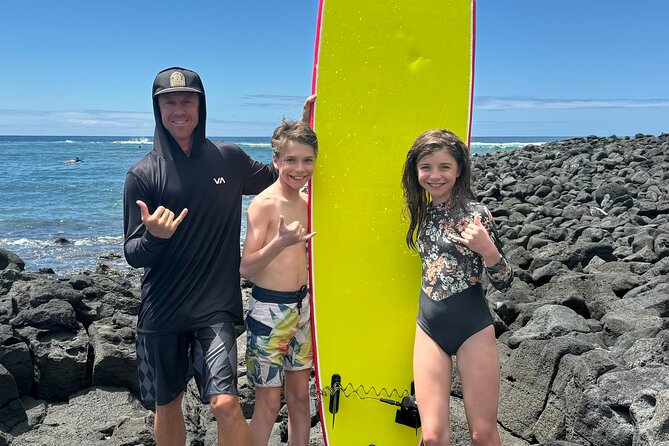
One of the most practical parts of this lesson is what you leave with: insider tips on where to surf, where to eat, and what to explore beyond the typical tourist routes. This is not just generic advice. It’s the kind of guidance that can save you time once you’re on your own.
Surf advice is especially useful because Kona has different breaks, and conditions change. Having local direction helps you avoid the common mistake of showing up at a spot that looks good on a map but isn’t right for your current skill level or the day’s swell.
People also mention the friendly, conversational coaching style. In some sessions, instructors even share tips about equipment rentals and how to match surf spots to the upcoming weather—exactly the kind of information you’d want before your next beach day.
Price and Value: What You’re Really Paying For
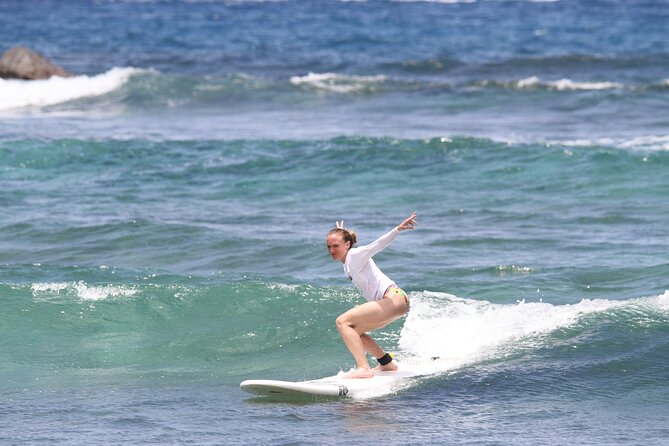
This experience can feel like more than just renting a board, and that’s exactly the point. You’re paying for coaching plus included equipment, in a session designed for beginner success.
Here’s how the value adds up:
- Instruction tailored to you instead of one fixed lesson plan
- All gear included, so you avoid extra rental costs and guesswork
- A small group limit, which typically means more direct attention
- Time in the water paired with dry-land technique practice
If you’ve ever tried to learn surfing on your own, you know how fast it becomes frustrating. The coach’s job is to keep you trying the right things, at the right moments, so your efforts turn into progress.
If you’re comparing cost, think in terms of what’s included and how much time you’ll actually spend practicing the correct motion.
Weather Reality Check and the Simple Plan B
This surf lesson requires good weather, and if conditions aren’t right, you’ll be offered a different date or a full refund. That’s fair. Surf lessons are only as good as the water you’re given.
Also, you can cancel for free up to 24 hours in advance of the experience start time for a full refund. If you’re planning around a tight Kona itinerary, this flexibility helps you manage risk.
My practical advice: keep at least one backup window on your schedule for the next day, if possible. Surf conditions can change fast, and a small buffer reduces stress.
Who Should Book This Surf Lesson on the Kona Coast?
Book this if you want a beginner-first experience with real coaching. It’s a strong fit for:
- First-time surfers who need technique basics and confidence
- Couples who want a shared activity where each person gets attention
- Families, including teens, who benefit from patient, calm guidance
- People who are active enough for moderate physical effort in the ocean
You might want to think about private instruction if you’re traveling with keiki under nine. The lesson notes that private lessons are required for kids younger than nine, so plan for that based on your group’s ages.
If you’re someone who already surfs regularly and wants advanced coaching, this is still doable, but your “next level” might take more time than a single session can deliver. The break is built for beginners, so expect skill-building more than high-performance wave chasing.
Should You Book Go Surf Hawai‘i (Kona Coast)?
I’d book it if your goal is simple: get safe, get instruction, and leave feeling like you can actually surf again soon. The small-group setup, the dry-land-to-water teaching flow, and the focus on a beginner-friendly break create a lesson structure that makes success more likely.
Skip it only if you need guaranteed photos for every rider, or if you’re unwilling to be flexible because ocean conditions can shift. For most people, that flexibility is part of why this feels like a fun day rather than a rigid lesson.
If you’re deciding today, here’s my quick checklist:
- Are you okay learning on a soft-top board with step-by-step coaching?
- Do you want local tips you can use after the lesson?
- Can you give the ocean a chance to cooperate with your schedule?
If yes, this is a strong Kona activity.
FAQ
How long is the Go Surf Hawai‘i Kona Coast lesson?
The surf adventure is listed as approximately 1 hour 30 minutes.
Where do we meet for the lesson?
The meeting point is 78-6680 Ali‘i Dr, Kailua-Kona, HI 96740, USA.
Is this lesson good for beginners?
Yes. The lesson is designed for all levels, with a beginner-friendly surf break and coaching customized to your skill level.
What equipment is included?
All gear is provided, including a soft-top board and a rash guard.
Is there an option to get photos?
There is optional photography available. A freelance photographer may capture your session, and availability can vary, so let the team know if you want photos.
How many people are in the group?
The maximum group size is 4 travelers, which keeps the lesson more personalized.
Do kids need private lessons?
Private lessons are required for keiki under nine.
More Tour Reviews in Big Island of Hawaii
- Big Island in a Day: Volcanoes Waterfalls Sightseeing and History
★ 5.0 · 6,569 reviews - Big Island Manta Ray Night Snorkel
★ 5.0 · 5,656 reviews - Big Island: Kona Manta Ray Snorkel Tour in Keauhou Harbor
★ 4.5 · 2,465 reviews - Hilo Shore Excursion: Volcanoes National Park & Black Sand Beach
★ 4.5 · 2,338 reviews - Big Island: Captain Cook Snorkel On A Power Catamaran With Lunch
★ 5.0 · 2,232 reviews - KONA Manta Ray Night Snorkel – FREE re-ride if no Sightings
★ 5.0 · 2,212 reviews
Waves on the Kona Coast
- Private Surf Experience
★ 5.0 · 200 reviews - Kona Surf Lesson in Kahaluu
★ 5.0 · 152 reviews - 2-Hour Guided Private Surf Lesson in Kona
★ 5.0 · 84 reviews - Surf with the Pros
★ 5.0 · 53 reviews - Premium group surf lessons- Kona’s Best Surf Lessons
★ 5.0 · 45 reviews - Big Island Surf Lesson from Hilo
★ 4.0 · 13 reviews
Just Added: The Newest Big Island Reviews


Kona Surf Lessons & Board Rentals, compared.
 ★ 5.0Private Surf ExperienceFrom $199200 reviews
 ★ 5.0Kona Surf Lesson in KahaluuFrom $169152 reviews
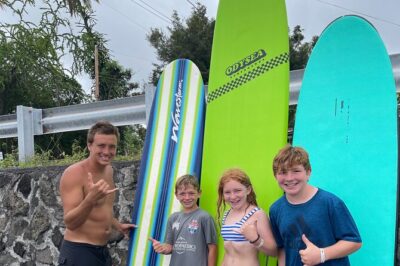 ★ 5.02-Hour Guided Private Surf Lesson in KonaFrom $22984 reviews
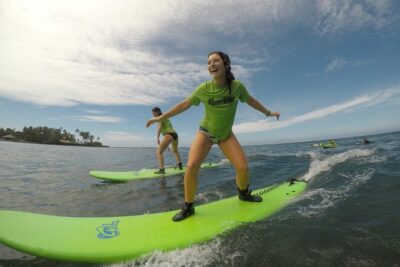 ★ 5.0Surf with the ProsFrom $16953 reviews
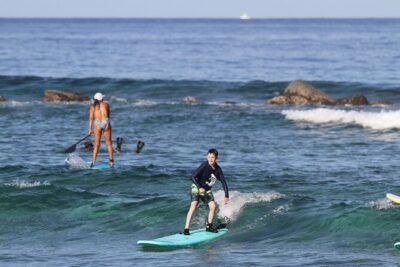 ★ 5.0Premium group surf lessons- Kona’s Best Surf LessonsFrom $16945 reviews
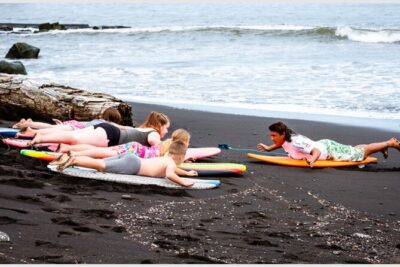 ★ 4.0Big Island Surf Lesson from HiloFrom $12013 reviews
Browse the lists this tour appears in