Reviewed · KONA SURF LESSONS & BOARD RENTALS
Big Island Surf Lesson from Hilo
Surf lessons in Hilo happen fast. You meet at 74 Kamehameha Ave, get rash guards, learn pop-ups on shore, then head into the water for hands-on coaching.
I like how this is built around quick, practical basics: a short land lesson, then you’re actually in the lineup to try. I also like that it’s a private activity for just your group, which keeps things focused. The big drawback to weigh is that safety and smooth logistics depend on the specific guide and conditions, and there are a few serious negative accounts (including lateness, rough takeoff conditions, and police involvement in one case).
In This Review
- Key things that matter before you go
- Why a Hilo Surf Lesson Works for Beginners
- Meet at 74 Kamehameha Ave: The Logistics You Should Know
- Rash Guards, a Quick Land Brief, and Why the Order Matters
- In-Water Coaching: Getting Up Without Overthinking
- The Surf Break Brief: Safety Basics You Should Take Seriously
- Price and Value: Is $120 Per Person Fair?
- What Can Go Wrong: A Realistic Safety Check
- Who This Big Island Surf Lesson Fits Best
- Should You Book This Big Island Surf Lesson?
- FAQ
- Where is the lesson meeting point in Hilo?
- What start times are available for the surf lesson?
- How long is the surf lesson?
- What’s included in the lesson?
- Is this lesson private or shared with other groups?
- Does the company provide rash guards?
- What happens if weather is bad or I need to cancel?
Key things that matter before you go
- Meet at 74 Kamehameha Ave in downtown Hilo, then you’re done at the same spot
- Rash guards provided plus a short warm-up on land before you go in
- Pop-ups and safety briefing first, so you’re not guessing once you hit the water
- Coach in the water who helps you get standing and catching more waves
- Two lesson start times: 8:30 AM or 10:30 AM
- Weather-dependent experience with a reschedule or refund path if canceled for conditions
Catch a few more waves on the Kona coast
- Private Surf Experience★ 5.0 · 200 reviews
- Kona Surf Lesson in Kahaluu★ 5.0 · 152 reviews
- 2-Hour Guided Private Surf Lesson in Kona★ 5.0 · 84 reviews
- Go Surf Hawai’i (Kona Coast)★ 5.0 · 83 reviews
Why a Hilo Surf Lesson Works for Beginners
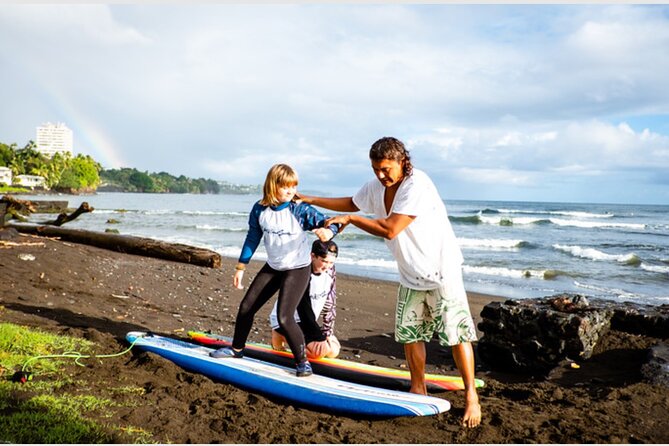
If you’ve never surfed before, the biggest fear is usually simple: what if I freeze up when the water hits? This lesson format is designed to reduce that panic. You get a quick meet-and-greet, you’re fitted with rash guards, you do a short drill on land, and then you’re back in the water fast.
The other thing I like: the coaching style is very “do the next step” focused. You’re not just watching someone else. The instructor stays in the action and helps you get up on waves, aiming for more standing moments instead of endless paddling.
One more value point: you’re paying for instruction time in a place that makes surfing feel possible. Hilo is an outdoors town where mornings often set the tone. If you’ve got limited vacation days, a focused 1-hour lesson is easier to slot in than a half-day course.
Meet at 74 Kamehameha Ave: The Logistics You Should Know
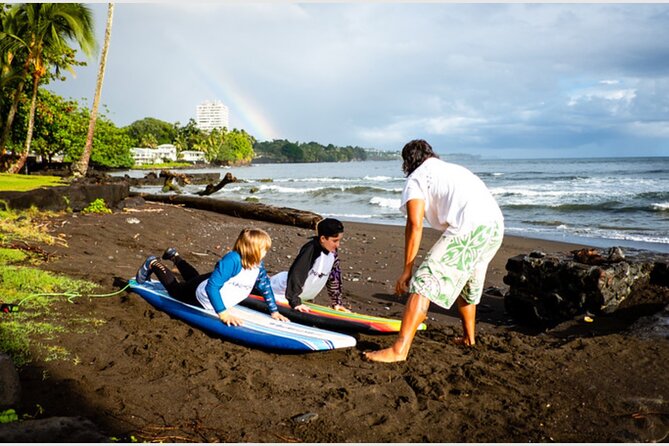
The lesson starts at 74 Kamehameha Ave, Hilo, HI 96720, and it ends back at the same meeting point. That matters more than it sounds. You don’t waste your morning figuring out parking, then doing a second trek across town after the lesson.
Start times are split into two windows: the first lesson begins at 8:30 AM and the second begins at 10:30 AM. If you care about morning light, calmer crowds, or just keeping your day simple, choose the start that matches your energy.
You also get a mobile ticket, and the lesson language is English. Service animals are allowed, and the meeting area is near public transportation. If you’re traveling without a car, that’s a real plus.
Rash Guards, a Quick Land Brief, and Why the Order Matters
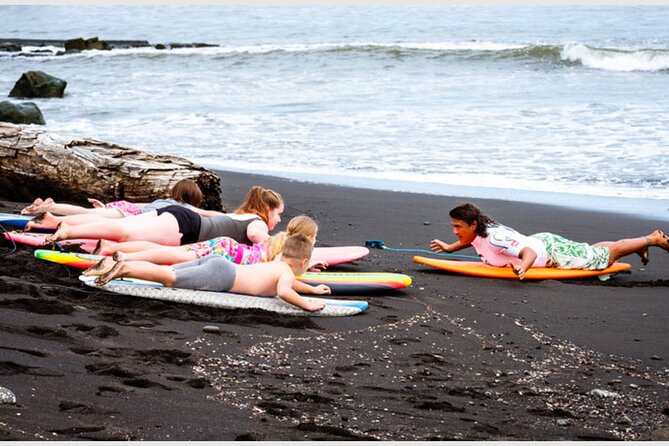
The flow is straightforward and beginner-friendly. First: meet and greet, then rash guards handed out so you can focus on form. Next comes a short land lesson (about 5 minutes) with two goals: learning basic movement and getting the safety basics for the surf break you’ll be using.
You’ll practice pop-ups on land. That’s the move that turns you from “lying on a board” into “standing and moving.” It’s also the move your arms will thank you for later. In a lot of beginner lessons, the board-to-stand part is rushed. Here, you get a quick preview before you’re in the chaos of waves.
Then you do a fast stretch. This is small, but it helps. Surf is mostly legs, core, and quick recovery. A short stretch before you paddle out is a “save your body later” move, especially if you’re not used to beach workouts.
In-Water Coaching: Getting Up Without Overthinking
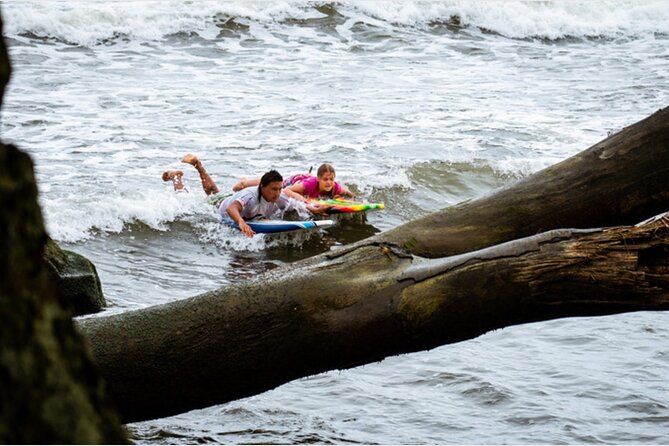
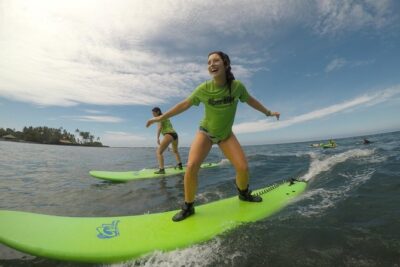
After the shore steps, you hit the water. This is the part that makes the lesson worth your time. The instructor’s job is not just to stand on the beach and point. You’ll be coached in the water, including pushing you on waves and working on getting you up and standing.
That in-water support is the difference between a lesson that feels like a ride-along and one that feels like you’re progressing. If your goal is to leave with a couple of real wave moments—rather than just paddling practice—that’s what this structure is aiming for.
One practical detail: you’re not stuck waiting around on the shoreline for long stretches. The lesson is designed to keep you moving through the sequence. And since this is a private activity for just your group, you’re less likely to lose momentum to unrelated people’s questions.
If you’ve got a kid or a first-timer, this matters even more. A fast reset from wipeout to try-again is how confidence gets built.
More Big Island tours we have been out and rated



The Surf Break Brief: Safety Basics You Should Take Seriously
The lesson includes a discussion of the surf break and safety topics before you start catching waves. You should treat that briefing as part of the lesson, not background chatter.
Surf safety is never just rules on paper. It’s body position, where you’re paddling, when you’re turning, and how you handle waves and other surfers. The coach’s safety talk is there so you know what you’re aiming for and what to avoid.
Also, be aware that one of the negative patterns in the feedback is that conditions can change, including meeting location or the beach used. When that happens, safety matters even more. If you show up and the water looks rougher or the area looks unsafe, say so and ask what the plan is. Don’t tough it out if you feel uneasy.
Price and Value: Is $120 Per Person Fair?
At $120 per person for about 1 hour, you’re paying for real coaching time and for someone to help you turn “I want to try surfing” into “I stood up.” That’s the value equation.
A few things make the cost easier to justify:
- Rash guards are included, so you’re not scrambling for gear at the last minute
- Instruction is hands-on with in-water support
- The lesson is structured to get you up as much as possible, not just out there for fitness
But price only holds up if the lesson runs well. When the coaching is patient and you’re actually getting wave attempts, $120 feels like a good deal. When logistics slip, when the group isn’t fully included, or when conditions lead to injuries, that’s a different story entirely.
So my advice is simple: plan to arrive early enough to settle in, confirm start time, and pay attention to safety and clarity from the moment you meet your instructor.
What Can Go Wrong: A Realistic Safety Check
Here’s the balanced part. The overall rating is 4 out of 5 across 13 accounts, so most experiences lean positive. But there are also serious negatives in the mix—enough that you should treat this as a “check before you commit” activity.
Some bad reports point to problems like:
- the guide being late
- meeting place confusion (asked to meet somewhere, then changed location)
- rough takeoff conditions described as more rocky than expected
- harsh behavior and safety concerns
There’s also an account involving police questioning about permits after the lesson started. Even if that kind of situation is rare, it’s a reminder to verify your instructor and expect professionalism.
How do you protect yourself?
- When you book, make sure you know the exact 8:30 or 10:30 start time you want.
- Confirm the meeting point direction clearly before the morning begins.
- If the plan changes, ask where you’ll surf and what conditions to expect.
- If anything feels unsafe—crowd control, board handling, or surf conditions—pause and speak up.
Most people will be fine. Still, a little vigilance turns a “maybe” into a “yes, this was worth it.”
Who This Big Island Surf Lesson Fits Best
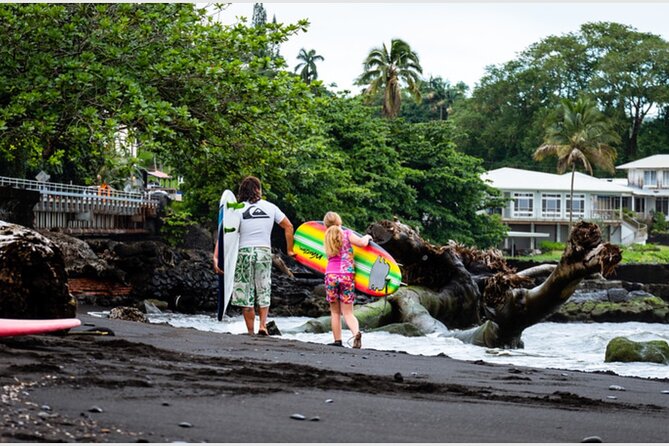
This lesson fits best if you’re:
- a complete beginner who wants structure fast
- traveling as a family or couple and wants a more focused experience
- okay with ocean time that depends on weather and water conditions
The experience says most travelers can participate, and it’s offered in English. Service animals are allowed, and the location is near public transportation, so it’s not limited to people who arrive with a perfect setup.
If you’re chasing technical mastery, this is not a multi-day training camp. It’s a first taste with coaching designed to get you standing and having fun. That’s a good match for vacation goals.
If you’re the type who panics in water when things change last minute, choose the earlier start time, arrive early, and confirm the plan on the spot. Surf is never fully predictable; your comfort depends on clear guidance.
Should You Book This Big Island Surf Lesson?
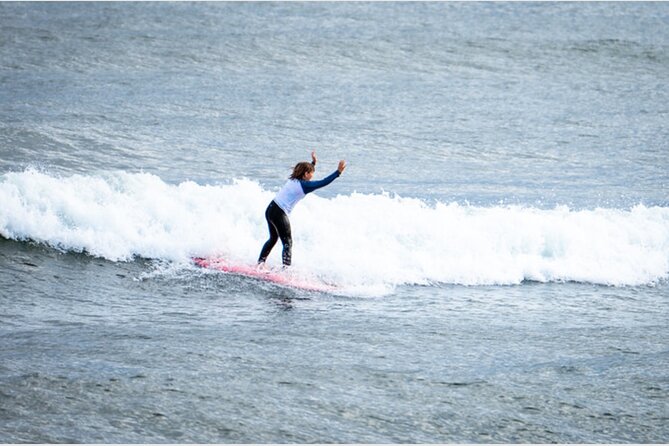
I’d book it if your priority is a short, beginner-friendly session with in-water help and a real chance to stand up. The strongest positive pattern centers on patient, kind instructors and successful wave attempts—especially for kids and first-timers. When it goes well, you leave feeling like surfing is doable, not just a cool idea.
I’d hesitate if:
- you’re very sensitive to schedule changes
- you expect a perfectly consistent beach every time
- you need strict, quiet professionalism with zero rough edges
If you do book, I’d go in with a simple plan: confirm your start time, arrive early, watch the safety briefing like it matters (because it does), and ask questions if the surf spot or conditions look different than expected.
In short: it can be a high-value morning if the coaching and conditions line up. Treat it like any active ocean activity—show up ready, stay alert, and don’t accept anything that feels unsafe.
FAQ
Where is the lesson meeting point in Hilo?
You’ll meet at 74 Kamehameha Ave, Hilo, HI 96720, and the activity ends back at the same meeting point.
What start times are available for the surf lesson?
The first lesson begins at 8:30 AM, and the second one begins at 10:30 AM. You can message or call the provider to choose which start time you prefer.
How long is the surf lesson?
The lesson runs for about 1 hour.
What’s included in the lesson?
You’ll get a meet-and-greet and rash guards, a short 5-minute land lesson with pop-ups and surf break/safety topics, a quick stretch, and then you’ll go into the water for surfing coaching.
Is this lesson private or shared with other groups?
This is listed as a private tour/activity, so only your group participates.
Does the company provide rash guards?
Yes. Rash guards are handed out as part of the lesson.
What happens if weather is bad or I need to cancel?
The experience requires good weather. If it’s canceled due to poor weather, you’ll be offered a different date or a full refund. Free cancellation is available up to 24 hours before the start time for a full refund.
More Workshops in Big Island of Hawaii
- Kona Surf Lesson in Kahaluu
★ 5.0 · 152 reviews - Fun and Creative Stained Glass Class and Workshop
★ 5.0 · 120 reviews - Private Coffee Roasting Class
★ 5.0 · 101 reviews - Hands-On Hawaiian Imu Cooking and Cultural Dining Experience
★ 5.0 · 95 reviews - 2-Hour Guided Private Surf Lesson in Kona
★ 5.0 · 84 reviews - Premium group surf lessons- Kona’s Best Surf Lessons
★ 5.0 · 45 reviews
More Tour Reviews in Big Island of Hawaii
- Big Island in a Day: Volcanoes Waterfalls Sightseeing and History
★ 5.0 · 6,569 reviews - Big Island Manta Ray Night Snorkel
★ 5.0 · 5,656 reviews - Big Island: Kona Manta Ray Snorkel Tour in Keauhou Harbor
★ 4.5 · 2,465 reviews - Hilo Shore Excursion: Volcanoes National Park & Black Sand Beach
★ 4.5 · 2,338 reviews - Big Island: Captain Cook Snorkel On A Power Catamaran With Lunch
★ 5.0 · 2,232 reviews - KONA Manta Ray Night Snorkel – FREE re-ride if no Sightings
★ 5.0 · 2,212 reviews
Waves on the Kona Coast
- Private Surf Experience
★ 5.0 · 200 reviews - Kona Surf Lesson in Kahaluu
★ 5.0 · 152 reviews - 2-Hour Guided Private Surf Lesson in Kona
★ 5.0 · 84 reviews - Go Surf Hawai’i (Kona Coast)
★ 5.0 · 83 reviews - Surf with the Pros
★ 5.0 · 53 reviews - Premium group surf lessons- Kona’s Best Surf Lessons
★ 5.0 · 45 reviews
Just Added: The Newest Big Island Reviews




Kona Surf Lessons & Board Rentals, compared.
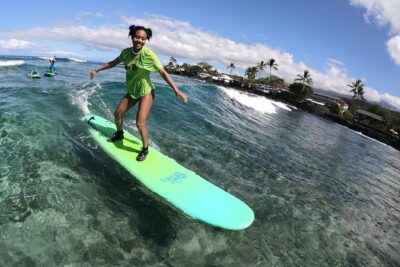 ★ 5.0Private Surf ExperienceFrom $199200 reviews
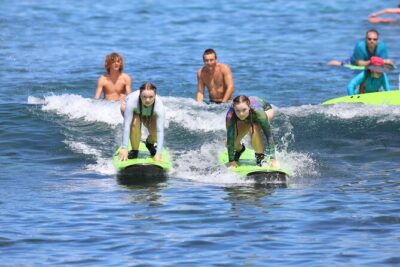 ★ 5.0Kona Surf Lesson in KahaluuFrom $169152 reviews
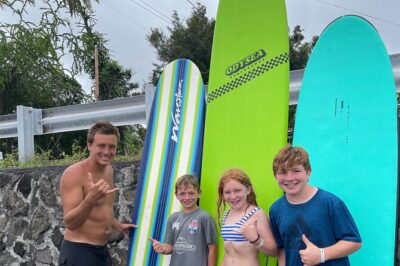 ★ 5.02-Hour Guided Private Surf Lesson in KonaFrom $22984 reviews
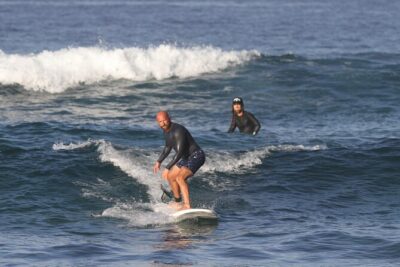 ★ 5.0Go Surf Hawai’i (Kona Coast)83 reviews
 ★ 5.0Surf with the ProsFrom $16953 reviews
 ★ 5.0Premium group surf lessons- Kona’s Best Surf LessonsFrom $16945 reviews
Browse the lists this tour appears in