

Reviewed · HAWAII VOLCANOES NATIONAL PARK TOURS
Hawaii Volcanoes National Park Self-Guided Driving Audio Tour
A volcano park that talks back. This self-guided driving audio tour strings together 43+ narrated stories across a 24.5-mile route, so you get the why behind the scenery as you pass each pullout. I especially like the offline maps and hands-free GPS story playback, which lets you focus on the views instead of phone-wrangling. One watch-out: the tour is designed to be followed in the recommended direction, so if you constantly reverse or jump around, the flow may feel less smooth.
You’ll also like the practical value: the price is per group (up to 4), and you can pause for photos, short walks, or a quick snack without feeling like you’re holding up a bus. The route covers major geology highlights—lava tubes, crater overlooks, petroglyphs, and the Holei Sea Arch—without forcing a strict pace. For first-timers, this is a smart way to get context fast and cut down on pre-trip research.
In This Review
- Key highlights you’ll feel right away
- Why a self-guided audio drive works so well in Hawaii Volcanoes
- Price, route length, and timing: what 16.99 actually buys you
- From the Entrance Station to the visitor center zone
- Kilauea Military Camp, steam vents, and the Sulphur Banks Trail smell test
- Kilauea Overlook and the Kīlauea Iki crater loop
- Thurston Lava Tube and the craters you can almost read
- Cinder cones, kipukas, and Mauna Ulu’s toadstool shapes
- Petroglyphs, Holei Sea Arch, and a smart art stop before you leave
- How to make the GPS audio work smoothly in your car
- Who this self-guided audio tour is best for
- Should you book this Hawaii Volcanoes driving audio tour?
- FAQ
- How long does the Hawaii Volcanoes National Park self-guided driving audio tour take?
- What does it cost, and is it per person?
- How many stories and how long is the route?
- Do I need to pay the national park entrance fee?
- Does it work offline in the park?
- Is the tour guided by a person?
- Can I pause and resume the tour?
- How do I hear the audio in my car?
Key highlights you’ll feel right away
- GPS-triggered audio that plays as you reach each story point
- Offline-ready use after downloading on strong Wi‑Fi/cellular
- Great value per car/group, not per person
- A 2–3 hour route that hits the park’s most famous stops
- Lots of walkable moments, from smelly sulfur vents to the sea arch
More ways into Hawaii Volcanoes National Park
- Big Island in a Day: Volcanoes Waterfalls Sightseeing and History★ 5.0 · 6,569 reviews
- Hilo Shore Excursion: Volcanoes National Park & Black Sand Beach★ 4.5 · 2,338 reviews
- Small Group Big Island Twilight Volcano and Stargazing Tour★ 5.0 · 1,619 reviews
- Big Island Highlights: Coffee, Volcano, Black Sands & Waterfall★ 5.0 · 1,054 reviews
Why a self-guided audio drive works so well in Hawaii Volcanoes
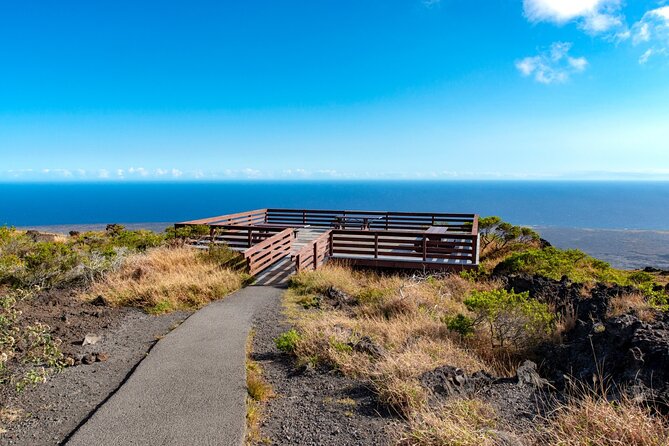
Hawaii Volcanoes National Park is big, and it can feel like you’re just driving from one view to the next unless someone puts the geology into words. This audio tour does that job while you’re still in motion, with stories that automatically play based on your location. That means you can pull over, step out for a couple minutes, and still feel like you’re not missing the point.
I like the format because it respects real travel time. You’re not stuck with a group schedule. If you want one extra minute at Kilauea Overlook or you suddenly see a trail you want to check, you can pause and go. Several people in the feedback also pointed out that the narration helps you move through the park more confidently, especially if you didn’t plan every hike in advance.
There’s also a nice psychological payoff: the park starts to make sense. Steam vents become a sign of underground heat, crater views become clues to ongoing activity, and lava tubes stop being just a cool cave and start being a timeline you can walk through. This is the kind of self-guided format that keeps you curious instead of overwhelmed.
Price, route length, and timing: what 16.99 actually buys you
The tour costs $16.99 per group, good for up to four people. That pricing is a big deal in a park like this, because most guided options tend to charge per person and can climb fast. If you’re traveling as a couple, with friends, or with older teens, paying per car tends to feel like better value than buying a full-on guide.
Plan on about 2–3 hours for the full loop, depending on how long you stop for walks and photos. The driving portion is over 24.5 miles, and you’ll pass more than 43 audio stories. In plain terms: it’s long enough to give you a real sense of the park, but short enough for people on a single-visit day.
Two practical notes from the fine print matter for your expectations:
- The park entrance fee is required for Hawaiʻi Volcanoes National Park, and it’s not included in this tour.
- You need time on a phone to get the app downloaded properly before you start. The instructions say you must download the tour while you’re in strong Wi‑Fi/cellular, then it works offline after that.
If you want flexibility plus context at a low cost, the math tends to work out well.
From the Entrance Station to the visitor center zone
Your route begins at the Entrance Station in Volcano, HI 96785, then you head through the Entrance Gate and start around the visitor center area. Even before you hit the famous overlooks, the early stories help you orient yourself: what you’re seeing, why you’re seeing it, and what kind of park this really is.
This first stretch sets the tone. It’s where an audio tour earns its keep. Instead of guessing, you get the background so the rest of the drive feels like one connected story rather than a list of pullouts.
You’ll also start learning the rhythm you need for success: pull in, stop, listen, then drive to the next point. Several people emphasized that audio works best when you don’t rush. In other words, follow the speed limit so the narrator has time to finish each story before the next GPS cue fires.
If you have kids or teens who get bored with reading signs, this start often helps. It gives you a reason to stop even when you just want to “keep moving.”
Kilauea Military Camp, steam vents, and the Sulphur Banks Trail smell test
Stop 1 is Kilauea Military Camp. It’s a recreational facility for soldiers today, but the story behind it is hard history: during World War II, it functioned as an internment camp for prisoners of war and innocent Japanese citizens. If you’ve only thought of the park as scenery, this moment grounds the visit in real human history tied to Hawaiʻi.
Stop 2 is Steam Vents. Here the tour helps you read the landscape correctly. The steam rises because Kīlauea’s heat warms underground groundwater pockets, and the steam itself becomes a sign of underground activity. This is one of those stops where a short listen can completely change what you notice with your own eyes.
Then comes the Sulphur Banks Trail start—short, but not gentle. The tour calls it sweet in tone but you’ll quickly learn the truth: it’s famously smelly. That’s not a reason to skip it. It’s part of the experience. If you’re sensitive to strong odors, you might keep your time brief, but if you can handle it, the smell is a direct clue to the active volcanic gases you’re seeing.
These early stops do two jobs well:
- They build meaning fast, so later craters and lava features feel connected.
- They give you quick wins even if you’re only doing a minimal walk.
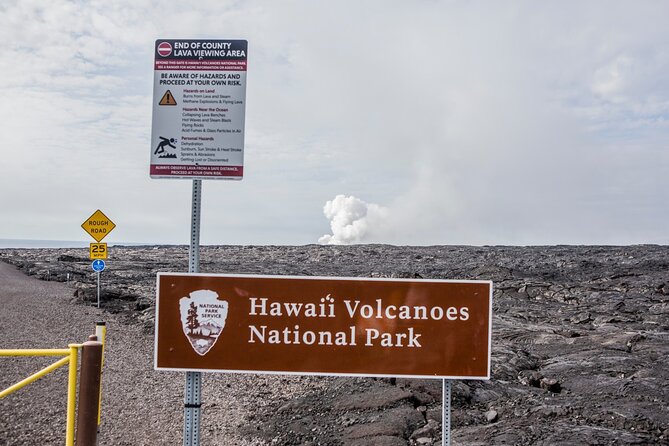
Admission at each of these pullouts is free, though you’ll still need the park entrance pass to get into the park itself.
Drive it yourself with another audio trail



Kilauea Overlook and the Kīlauea Iki crater loop

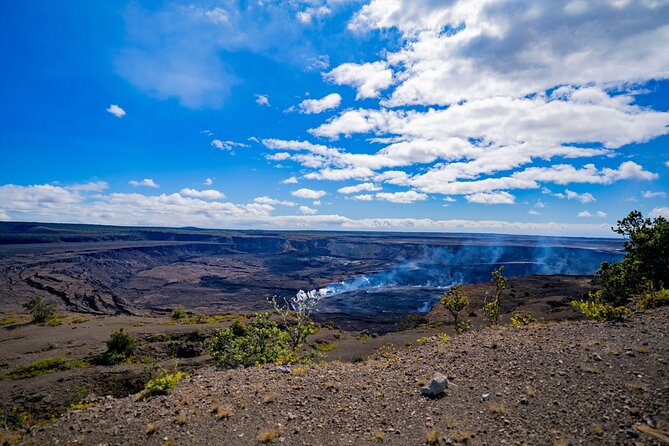
Stop 3 is Kilauea Overlook, one of the must-see points in the park. The crater doesn’t look like a classic volcano, but the narration ties it back to the reality: Kīlauea is one of the most active volcanoes in the world. That perspective matters, because it turns “cool view” into “active system you’re observing.”
Stop 4 is Kīlauea Iki Trailhead, which leads into Kīlauea Iki Crater. The loop is 3.3 miles and can take about three hours, and the elevation change can be strenuous. The audio tour includes a 10-minute segment at the trailhead, but the hike itself is where you’ll feel the full payoff and the full effort.
Here’s my practical take: if you only have a short visit, don’t force the whole loop. Do what you can safely manage, then get back in the car for the next stops. The tour is built so you can still keep the story going even if you don’t do every long walk.
Also, pay attention to the fact that this is a crater hike in volcanic terrain. The tour encourages a hands-free flow, but your body still sets the pace here. Plan on slowing down more than you think, especially if you’re not used to uneven ground.
Thurston Lava Tube and the craters you can almost read
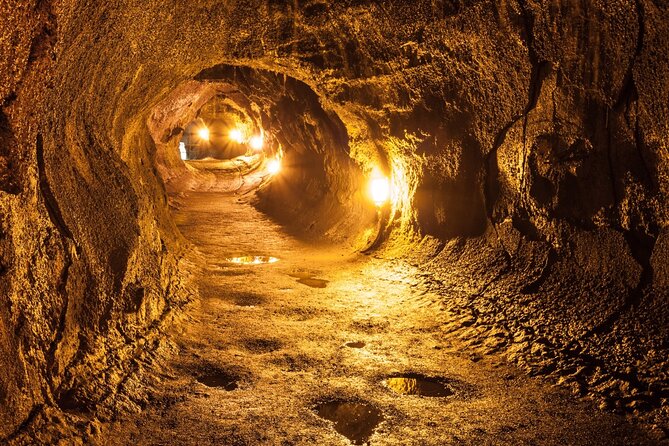
Stop 5 is Nahuku – Thurston Lava Tube, one of the park’s signature sights. The tour explains the core idea: molten lava moved through the area, and a tunnel formed because the outside cooled and hardened while the inside kept flowing. That’s a helpful detail because it gives the cave a “how it happened” logic, not just a “look at this” moment.
Stop 6 is Luamanu Crater. The story is dramatic: it was once filled with a dense forest, then changed in just one day. Even without extra narration time, that single sentence hits. It turns the crater into a snapshot of sudden change—volcanoes don’t wait for our schedules.
Stop 7 is Puhimau Crater. The audio spotlights the geological formations shaped by volcanic activity. Stop 8 is Pauahi Crater, a steep-sided pit crater formed by explosive activity—about 330 feet deep and roughly 1,000 feet in diameter. The tour mentions features like lava spatter deposits and fumaroles, which emit steam and gases.
This crater block is where you start seeing patterns:
- Lava tubes teach you about flow and cooling.
- Craters teach you about upheaval—explosions, collapses, and fast transformations.
- Fumaroles teach you that the heat isn’t gone; it’s still moving underground.
You’ll probably find yourself slowing down here, because it’s the most “explainable” part of the drive. The audio narration makes it easier to translate what looks like rock into something with a process behind it.
Cinder cones, kipukas, and Mauna Ulu’s toadstool shapes
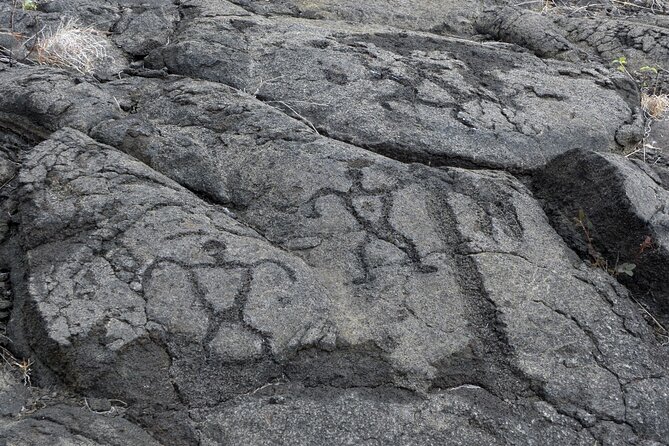
Stop 9 is Pu’u Huluhulu, a cinder cone. The name means hairy hill because low shrubs grow across it, giving it a fuzzy look from afar. It’s a small detail, but these kinds of names add personality to the geology. You’re not just looking at a cone—you’re looking at a living memory of the past landscape.
Stop 10 is Kipuka Puaulu. Kipukas are formed when a lava flow surrounds older vegetation, leaving it as an “island” of life. Over time it can develop a microclimate—different soil and moisture than the surrounding lava field—so you can get different plant growth in a small area that shouldn’t exist if the lava had been uniform.
Stop 11 is Mauna Ulu Lookout, where you get panoramic views of the Mauna Ulu lava flow. The tour notes the mostly flat gray terrain, and the toadstool-shaped formations you can look for.
This section is a nice change of pace. Instead of only focusing on what volcanoes destroy, you get a view of how life persists and returns in pockets. And it gives you a better reason to step out of the car and really look around, because there’s a story in the small differences.
Petroglyphs, Holei Sea Arch, and a smart art stop before you leave
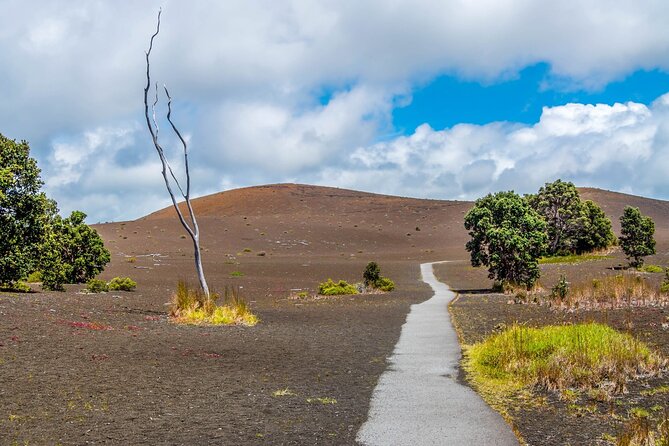
Stop 12 is Pu’u Loa Petroglyphs. The narration points out the sheer scale—over 23,000 ancient petroglyphs etched into hardened lava rock. Even if you only spend a few minutes, that number makes the place feel bigger than it looks from the road.
Stop 13 is Holei Sea Arch, the famous arch you want to time right. The route ends at the Hōlei Sea Arch area, but don’t treat this as a quick photo and go. The feedback I’m using from the tour notes that making it all the way down here is worth the drive.
Stop 14 is the Volcano Art Center Gallery. It’s a small stop separate from the rest of the visitor center, and it’s a good break if you want something calmer after hours of geology and wind. Even a short visit can add a different angle to your park day—how Hawaiʻi’s volcano story shows up in culture and art.
If you’re planning your timing, this is where you should save energy. The sea arch is the payoff for a lot of the route, and the art gallery gives you a gentle landing at the end.
How to make the GPS audio work smoothly in your car
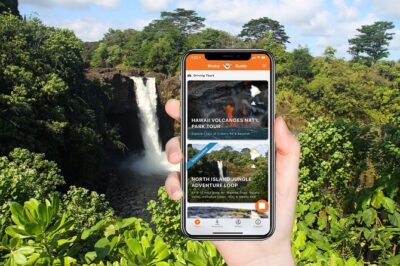
This tour is hands-free once it’s running. The audio stories play automatically based on your location, so your job is mostly to drive safely and stay aligned with the route.
Here are the setup and playback points that matter most:
- Download the app and tour content while you’re on strong Wi‑Fi/cellular. The instructions are clear that you must do the download at the start; after that, it works offline.
- When you’re in the park, open the separate Action’s audio tour guide app and enter the password sent by email/text.
- Connect your phone to your car stereo through Bluetooth, USB, or AUX. Audio playback is compatible with Apple CarPlay, and Android Auto support is listed as on the way.
Also, one very practical tip: drive the speed limit. Multiple people noted that the narrator needs time to finish before the next story cue. If you zip from pullout to pullout, the audio can feel rushed or cut off.
If you go slightly off course, GPS can still track you and adjust, as long as you’re following the general route. But the tour works best when you start from the recommended point and keep going the intended way. One small complaint in the feedback was that reversing isn’t the best experience, so plan your day around the flow.
Last, keep an eye on conditions that aren’t tour-related. The info you’re given includes a tsunami warning reminder to check tsunami.gov, and it also suggests checking official park websites for closures during rare government shutdowns.
Who this self-guided audio tour is best for
This is a great fit if you want park context without the cost and pace of a guided group. It’s also ideal when you like structure but hate strict schedules—because you can pause for hikes, short walks, and photos.
Families can use it well because it’s car-based for the driving parts, yet it points you toward walkable stops like the lava tube and the crater trails. Couples often like it too because it turns a long drive into an actually meaningful experience, not just road time.
Solo visitors benefit as well, especially if you’re the kind of person who prefers learning while you move. The GPS audio format means you don’t need a map app open the whole time.
The main reason you might not choose this style is if you strongly prefer reading instead of listening, or if you want total freedom to roam far off route and constantly reorder your stops. The narration is tied to locations, so the closer you stay to the intended driving path, the better the experience.
Should you book this Hawaii Volcanoes driving audio tour?
Book it if you want an efficient, low-cost way to understand Hawaii Volcanoes National Park as you drive. The biggest win is the combination of offline GPS audio and story-rich stops across the park’s signature sights—plus the per-group pricing that makes it easier to justify.
Skip it or consider a different approach if:
- you think you’ll spend most of your day hiking far away from the main driving route, or
- you don’t want to deal with phone setup and downloading ahead of time, or
- you’re the type who needs a fully flexible reverse route.
If you’re on a single day and want to come away feeling like you actually learned something—this is a smart buy.
FAQ
How long does the Hawaii Volcanoes National Park self-guided driving audio tour take?
It takes about 2 to 3 hours to complete, depending on how long you stop and walk.
What does it cost, and is it per person?
It costs $16.99 per group, up to 4 people.
How many stories and how long is the route?
The tour is over 24.5 miles long and includes more than 43 audio stories.
Do I need to pay the national park entrance fee?
Yes. Hawaiʻi Volcanoes National Park requires an entrance fee, and it is not included in the tour.
Does it work offline in the park?
Yes. You must download the tour while you have strong Wi‑Fi/cellular, and then it works offline after that.
Is the tour guided by a person?
No. It is self-guided. You start at the Entrance Station and the audio plays automatically as you reach each story point.
Can I pause and resume the tour?
Yes. You can start anytime, pause anywhere, and go at your own pace.
How do I hear the audio in my car?
You connect your phone to your car stereo using Bluetooth, USB, or AUX. Audio playback is compatible with Apple CarPlay, and Android Auto support is listed as on the way.
More Tour Reviews in Big Island of Hawaii
- Big Island in a Day: Volcanoes Waterfalls Sightseeing and History
★ 5.0 · 6,569 reviews - Big Island Manta Ray Night Snorkel
★ 5.0 · 5,656 reviews - Big Island: Kona Manta Ray Snorkel Tour in Keauhou Harbor
★ 4.5 · 2,465 reviews - Hilo Shore Excursion: Volcanoes National Park & Black Sand Beach
★ 4.5 · 2,338 reviews - Big Island: Captain Cook Snorkel On A Power Catamaran With Lunch
★ 5.0 · 2,232 reviews - KONA Manta Ray Night Snorkel – FREE re-ride if no Sightings
★ 5.0 · 2,212 reviews
Drive the Island Yourself
- Big Island Adventure Bundle: 5 Epic Audio Driving Tours
★ 4.5 · 138 reviews - Self-Guided GPS Audio E-Bike Tour Hawaii Volcanoes National Park
★ 4.5 · 131 reviews - Self-Guided Audio Driving Tour in Big Island
★ 5.0 · 98 reviews - Big Island – Hawaii Volcanoes National Park Driving Tour
★ 4.0 · 95 reviews - Big Island Hawaii Self-Guided Driving Tour
★ 4.0 · 45 reviews - Big Island – South Island Coastal Loop Driving Tour
★ 4.5 · 17 reviews
Deeper Into Volcanoes National Park
- Big Island in a Day: Volcanoes Waterfalls Sightseeing and History
★ 5.0 · 6,569 reviews - Hilo Shore Excursion: Volcanoes National Park & Black Sand Beach
★ 4.5 · 2,338 reviews - Small Group Big Island Twilight Volcano and Stargazing Tour
★ 5.0 · 1,619 reviews - Big Island Highlights: Coffee, Volcano, Black Sands & Waterfall
★ 5.0 · 1,054 reviews - Deluxe Volcano Experience with Restaurant Dinner
★ 5.0 · 620 reviews - Big Island: Fat Tire E-Bike Tour through Volcanoes National Park
★ 5.0 · 546 reviews
Just Added: The Newest Big Island Reviews




Hawaii Volcanoes National Park Tours, compared.
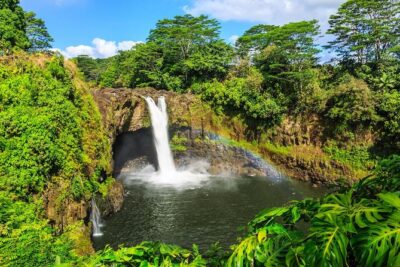 ★ 5.0Big Island in a Day: Volcanoes Waterfalls Sightseeing and HistoryFrom $2646,569 reviews
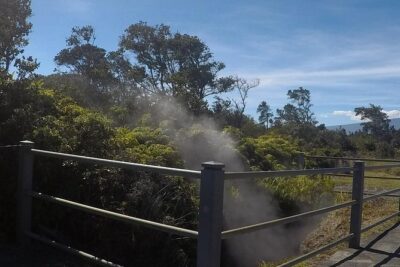 ★ 4.5Hilo Shore Excursion: Volcanoes National Park & Black Sand BeachFrom $1592,338 reviews
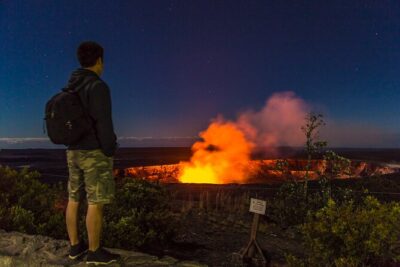 ★ 5.0Small Group Big Island Twilight Volcano and Stargazing TourFrom $2971,619 reviews
 ★ 5.0Big Island Highlights: Coffee, Volcano, Black Sands & WaterfallFrom $2991,054 reviews
 ★ 5.0Deluxe Volcano Experience with Restaurant DinnerFrom $341620 reviews
 ★ 5.0Fat Tire E-Bike Tour through Volcanoes National ParkFrom $199546 reviews
 ★ 4.5Big Island, Hawaii: Volcanoes National Park SafariFrom $379545 reviews
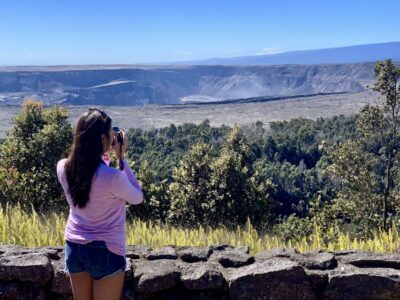 ★ 4.9Volcanoes, Waterfalls, & Coffee Farm Day-TripFrom $264414 reviews
Browse the lists this tour appears in