
Reviewed · HAWAII VOLCANOES NATIONAL PARK TOURS
Volcanoes National Park: Guided, Small-Group Hike
Kīlauea makes this a walking show. I love the included breakfast and gourmet lunch and the chance to get inside the park’s major craters with real structure and guidance. The one thing to weigh first is that the route is about 8 miles and assumes moderate fitness.
This isn’t just a pass-through for photos. Your guide slows things down on purpose, answers your questions, and can flex the pace to your group—something you’ll feel if you end up with a very small party, like some couples have experienced. Guides I’ve seen named include Jennifer (often with Cameron) and Yvonne, both of whom bring heavy focus on volcanology and what you’re seeing underfoot.
The payoff is a half-day that mixes geology, comfort, and wonder without feeling like a race. You also get a built-in “safety net” for the trickier terrain, especially around the lava formations that draw most people here.
In This Review
- Quick takeaways before you lace up
- What makes this Volcanoes National Park hike worth your half day
- Halemaʻumaʻu and Kīlauea Iki: walking where the ground explains itself
- Nahuku’s Thurston Lava Tube: the stop that turns into quiet time
- Food and pacing: breakfast, a lunch picnic, and not bonking in the craters
- Native Hawaiian forest: the mood shift you shouldn’t skip
- Gear, trekking poles, and what moderate fitness really means
- Price and value: what $220 really covers (and what doesn’t)
- Who this hike suits best—and who might want a different option
- A few smart booking tips (without the stress)
- Should you book this Volcanoes National Park guided small-group hike?
- FAQ
- How long is the Volcanoes National Park guided hike?
- Is this tour private or shared with other groups?
- What’s included in the price?
- Are park fees included?
- Where does the hike start?
- What happens if the weather is poor?
Quick takeaways before you lace up
- Private, small-group feel: it’s only your group, so you get more attention than the big-bus style tours.
- Real crater time: Halemaʻumaʻu and Kīlauea Iki aren’t just viewpoints; you walk through them.
- Thurston Lava Tube visit: this is one of the park’s most popular attractions, and it’s better with context.
- Meals are part of the hike: breakfast, snacks, and a picnic lunch keep your energy steady.
- Native Hawaiian forest stop: you finish in a totally different mood from the craters.
- Gear is provided: you’ll have backpacks and trekking poles for the rougher stretches.
More ways into Hawaii Volcanoes National Park
- Big Island in a Day: Volcanoes Waterfalls Sightseeing and History★ 5.0 · 6,569 reviews
- Hilo Shore Excursion: Volcanoes National Park & Black Sand Beach★ 4.5 · 2,338 reviews
- Small Group Big Island Twilight Volcano and Stargazing Tour★ 5.0 · 1,619 reviews
- Big Island Highlights: Coffee, Volcano, Black Sands & Waterfall★ 5.0 · 1,054 reviews
What makes this Volcanoes National Park hike worth your half day
Volcanoes National Park is easy to love, but it’s also easy to “just drive and look.” This guided hike is built for the kind of day where your brain stays as engaged as your legs. You start at the Kīlauea Visitor Center area and work through a route that’s designed to show you how the park’s features connect—lava, craters, and then the forest that grows back around the aftermath.
The value starts with how the day is handled. You’re not wandering on your own with a map and guesswork. Instead, your guide sets a pace, manages the route, and shares what you’re looking at as you go—so the craters stop being random scenery and start being a story with cause and effect.
Then there’s the practical stuff that makes this feel like a “yes” day. You get breakfast, snacks, and a lunch picnic in the middle of the experience. Even if you’re a fast walker, you’ll appreciate that you’re not hunting for food later or cutting your hike short because you’re underfed.
The one realistic consideration: it’s about an 8-mile hike with moderate fitness expectations. If you’re currently working through limited stamina or you avoid longer walks, you should treat this as a serious trek—not a casual stroll.
Halemaʻumaʻu and Kīlauea Iki: walking where the ground explains itself
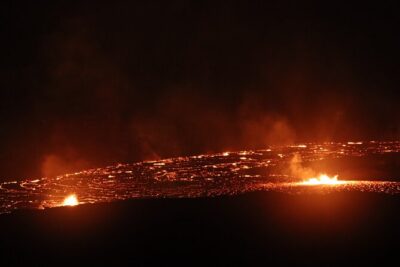
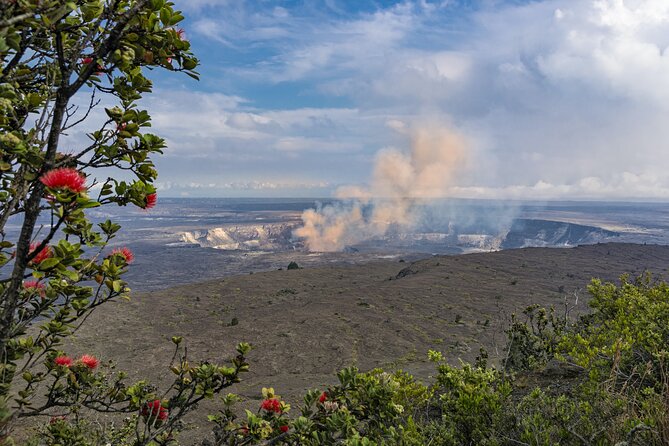
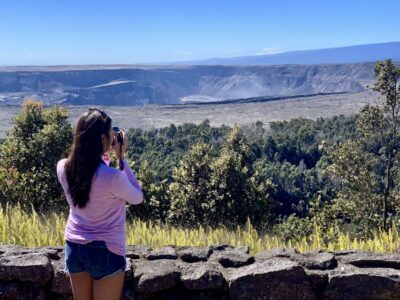
The signature part of this hike is time in the park’s craters, especially the Kīlauea system. You begin with the Halemaʻumaʻu area, which—based on recent activity—has been experiencing lava eruptions since December 23, 2024, roughly once every week or two. That doesn’t mean you can bank on a spectacular eruption during your exact hour, but it does mean the location is relevant right now, not just historically interesting.
When you’re near an active feature like this, the ground feels alive in a way that’s hard to replicate from a roadside viewpoint. That’s where a good guide matters. You’re not just staring into a crater; you’re getting explanations that help you connect what you’re seeing with how volcanic landscapes change over time.
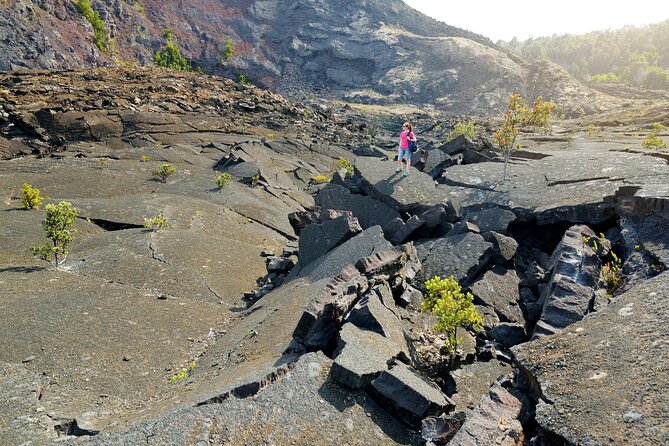
From there, you move into Kīlauea Iki Crater. This is where you get one of the most memorable “I can’t believe I’m doing this” moments: you travel across hardened lava lake terrain under guidance. The texture underfoot is unlike typical trail dirt, and the route is designed so you can experience the volcanic surface safely while still feeling close to the action.
One nice thing about this structure is that it keeps the day from feeling repetitive. Halemaʻumaʻu gives you the dramatic crater setting. Kīlauea Iki adds the up-close walk across cooled volcanic ground, so you’re not just standing still—you’re learning with every step.
Nahuku’s Thurston Lava Tube: the stop that turns into quiet time
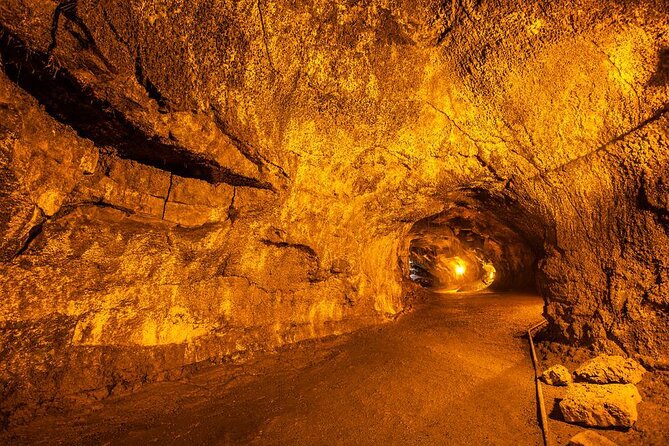
Halfway through the hike, you reach Thurston Lava Tube (from the Nahuku area). This is one of those park attractions people line up for, and it becomes much more interesting when you’re not doing it at a sprint.
Lava tubes are different from open craters. They’re about pathways—how lava moved, cooled, and left a sheltered structure behind. Standing near the tube, you start to understand the eruption story in a new way: not just big events in the moment, but the shapes left after the fact.
If you’re the kind of traveler who likes asking why things are the way they are, this is a strong moment for it. Your guide’s job is to translate what you’re seeing into clear explanations while you’re there, so you don’t have to piece it together later with a phone screen and a fuzzy memory.
Practically, it also helps that your pace is controlled. With the hike’s total distance and crater terrain, it’s smart to break up effort with a compelling feature. The lava tube gives you that—plus it’s a nice mental reset from open views and wide crater edges.
Food and pacing: breakfast, a lunch picnic, and not bonking in the craters
Here’s what surprised me most in the way this day is set up: the meals aren’t an afterthought. Breakfast starts the day off right, then you get snacks during the hike, and there’s a lunch picnic placed as part of the experience—so you’re relaxing in a volcanic setting instead of rushing back out to eat somewhere else.
This matters more than you might think. An 8-mile hike with crater terrain can be mentally demanding, even if you consider yourself fit. Eating before you feel hungry keeps your energy and mood steady, and it helps you stay present instead of counting steps.
Lunch is described as gourmet by the people who’ve done it, and there are even notes of extra care—like a homemade chocolate chip cookie added at lunch in one instance. I wouldn’t count on any single dessert showing up every time, but the pattern is clear: you’re not grabbing a sad sandwich while you wipe off sweat and move on.
Pacing is also part of the value. The guides are set up to adjust the walk to the group, so it doesn’t become a one-size-fits-all march. That’s especially helpful if you’re traveling with someone who doesn’t want to push hard or if you’re the type who likes stopping for questions and photos.
Let a local guide plan the whole day


Native Hawaiian forest: the mood shift you shouldn’t skip
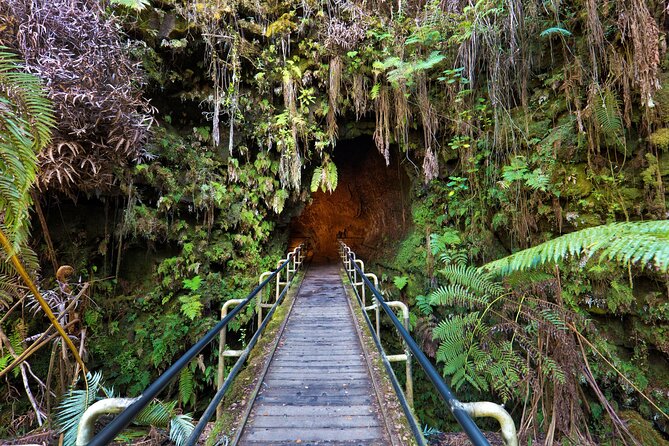
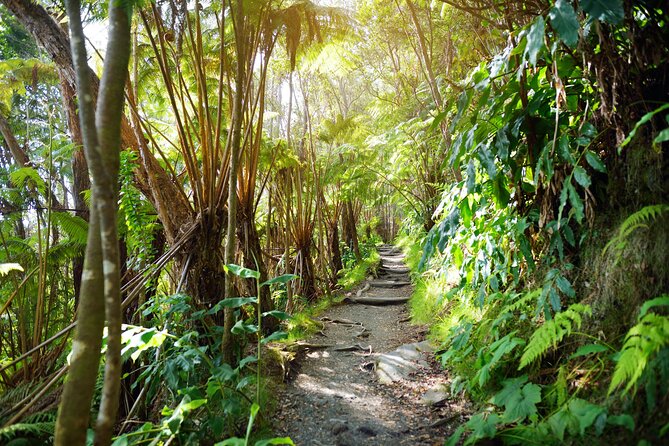
After the volcanic sections, you move into a native Hawaiian forest area. This part of the hike is important because it changes the story from crater mechanics to living recovery.
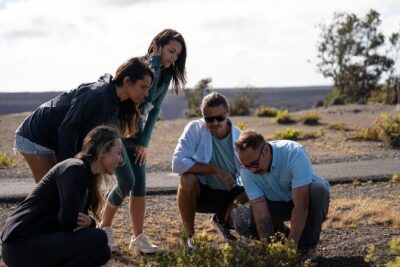
You’re surrounded by unique flora and fauna, and your guide ties it back to what volcanoes do to ecosystems over time. The forest stop is also a breather. Even if you’re still walking, the environment feels less exposed than crater edges, which helps your body recover while your mind continues learning.
This is one of the reasons I like this specific route style. A lot of Volcanoes NP tours only do the dramatic parts. Here, the day ends with a different kind of connection to place—one that feels more grounded and human-scale than crater walls and big views.
Expect also that conditions can vary during the hike. One detailed account noted getting multiple weather types in a single day, from rainforest conditions to crater terrain. So plan for the possibility of sun, rain, and mist.
Gear, trekking poles, and what moderate fitness really means
This hike is listed for moderate physical fitness. Translation: you’ll be walking about 8 miles, spending time on uneven, volcanic surfaces, and staying steady on terrain that isn’t like a paved sidewalk.
Good news: you’re not doing it unassisted. You’ll be provided with trekking poles and a backpack, which help a lot on uneven stretches and can reduce strain on knees. The poles are especially useful for anything with changes in footing, typical of crater environments.
Still, you’ll want to come prepared. Based on the terrain and weather variation people report, bring layers you can adapt quickly to changing conditions. Even in Hawaii, a crater hike can feel different from the visitor center area a few minutes into the route.
Also keep your head in the right place. Volcanoes NP can make even confident hikers cautious in the crater sections. That’s normal. The guided format is built to keep things moving without forcing you to white-knuckle your way through tricky stretches.
Price and value: what $220 really covers (and what doesn’t)
The tour price is $220 per person for about 6.5 hours. That includes a lot of the “hidden costs” that add up on your own:
- breakfast
- snacks
- a picnic lunch
- trekking poles
- a backpack
But the park fees are separate. You’ll need a National Park Pass for $15 USD and you’ll pay a Volcanoes National Park admission fee of $15 per person. So a typical total ends up around $250 per person in park entry costs on top of the tour price.
Is it worth it? For me, the key isn’t only the distance or the sights. It’s the combination of (1) guided crater access, (2) meals built into the day, and (3) having gear that supports your footing. If you tried to DIY it, you’d still pay for park access, you’d need your own day pack and poles, and you’d miss out on the constant explanations that make the hike click.
If you like geology, plants, and how active volcanism shapes a place, this tends to feel like a strong value. If you only want a couple photo stops and you dislike longer walks, you may feel the price doesn’t match the slower, educational approach.
Who this hike suits best—and who might want a different option
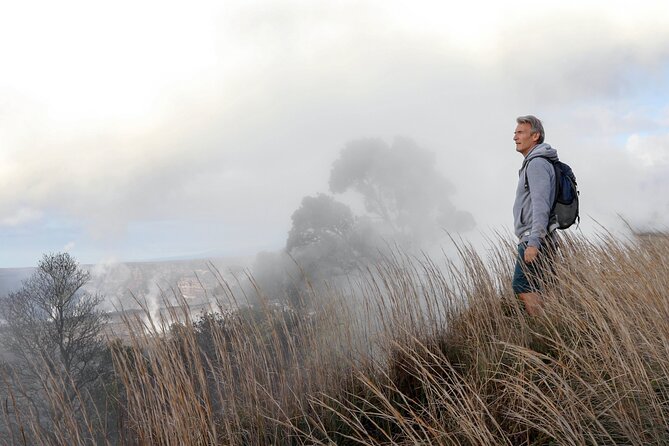
This is a great fit if you want an active day that’s still structured and educational. It suits:
- couples and friends who want a smaller-group feel
- first-time visitors who want context fast
- people who enjoy asking questions and hearing the “why” behind volcano features
- hikers with moderate stamina who don’t mind a longer walk
It may be less ideal if:
- you’re looking for a short, easy stroll
- you dislike changing weather or you struggle with crater terrain
- you’re trying to keep costs extremely low, since park fees are added on top
Because it’s a private tour/activity limited to your group, it also works nicely when you want a day with less crowd energy. One account even described a scenario where the group ended up very small, which made the experience feel extra personal and flexible.
A few smart booking tips (without the stress)
If you’re the type who plans to maximize your odds of seeing active features, remember this: conditions and volcanic activity can change. Your guide’s route is timed to the park’s current reality, but you still rely on nature.
I also suggest you treat this as a weather day, not just a sunshine day. Since people have reported getting multiple weather types, pack like rain and cool mist are possible, even if the morning looks clear.
Finally, if you’re picky about pace, tell your guide what you prefer at the start. The guides in named accounts described flexibility, including tailoring the experience to what the group wanted and adjusting speed as needed.
Should you book this Volcanoes National Park guided small-group hike?
Book it if you want the crater highlights in a way that feels guided, safe, and meaningful—plus you want the day to include food and gear so you can focus on walking and learning. The mix of Halemaʻumaʻu, Kīlauea Iki, Thurston Lava Tube, and a native forest finish makes it hard to call this a one-note hike.
Skip it if 8 miles of moderate terrain sounds like too much, or if you want a low-effort, quick-view day. Volcanoes NP rewards effort here, and this tour is designed for people who want to earn the story behind what they see.
If your group is ready for a half-day workout with strong guidance and real meals included, this is a very solid way to spend your time on the Big Island.
FAQ
How long is the Volcanoes National Park guided hike?
It’s about 6 hours 30 minutes (approx.).
Is this tour private or shared with other groups?
This is a private tour/activity, and only your group will participate.
What’s included in the price?
Included are a picnic lunch, snacks, and hiking gear such as backpacks and trekking poles.
Are park fees included?
No. You’ll need to pay a National Park Pass ($15 USD) and a Volcanoes National Park admission fee ($15 per person). Those are not included in the tour price.
Where does the hike start?
You meet at the Kīlauea Visitor Center, 1 Crater Rim Drive, Volcano, HI 96785, USA. The activity ends back at the meeting point.
What happens if the weather is poor?
This experience requires good weather. If it’s canceled due to poor weather, you’ll be offered a different date or a full refund.
More Guided Big Island Days
- Guided Outrigger Canoe Tour in Kealakekua Bay
★ 5.0 · 218 reviews - Private Guide Meet In Hawaii Volcanoes National Park
★ 5.0 · 181 reviews - Self-Guided GPS Audio E-Bike Tour Hawaii Volcanoes National Park
★ 4.5 · 131 reviews - Self-Guided Audio Driving Tour in Big Island
★ 5.0 · 98 reviews - 2-Hour Guided Private Surf Lesson in Kona
★ 5.0 · 84 reviews - Big Island Hawaii Self-Guided Driving Tour
★ 4.0 · 45 reviews
More Tour Reviews in Big Island of Hawaii
- Big Island in a Day: Volcanoes Waterfalls Sightseeing and History
★ 5.0 · 6,569 reviews - Big Island Manta Ray Night Snorkel
★ 5.0 · 5,656 reviews - Big Island: Kona Manta Ray Snorkel Tour in Keauhou Harbor
★ 4.5 · 2,465 reviews - Hilo Shore Excursion: Volcanoes National Park & Black Sand Beach
★ 4.5 · 2,338 reviews - Big Island: Captain Cook Snorkel On A Power Catamaran With Lunch
★ 5.0 · 2,232 reviews - KONA Manta Ray Night Snorkel – FREE re-ride if no Sightings
★ 5.0 · 2,212 reviews
Deeper Into Volcanoes National Park
- Big Island in a Day: Volcanoes Waterfalls Sightseeing and History
★ 5.0 · 6,569 reviews - Hilo Shore Excursion: Volcanoes National Park & Black Sand Beach
★ 4.5 · 2,338 reviews - Small Group Big Island Twilight Volcano and Stargazing Tour
★ 5.0 · 1,619 reviews - Big Island Highlights: Coffee, Volcano, Black Sands & Waterfall
★ 5.0 · 1,054 reviews - Deluxe Volcano Experience with Restaurant Dinner
★ 5.0 · 620 reviews - Big Island: Fat Tire E-Bike Tour through Volcanoes National Park
★ 5.0 · 546 reviews
Just Added: The Newest Big Island Reviews




Hawaii Volcanoes National Park Tours, compared.
 ★ 5.0Big Island in a Day: Volcanoes Waterfalls Sightseeing and HistoryFrom $2646,569 reviews
 ★ 4.5Hilo Shore Excursion: Volcanoes National Park & Black Sand BeachFrom $1592,338 reviews
 ★ 5.0Small Group Big Island Twilight Volcano and Stargazing TourFrom $2971,619 reviews
 ★ 5.0Big Island Highlights: Coffee, Volcano, Black Sands & WaterfallFrom $2991,054 reviews
 ★ 5.0Deluxe Volcano Experience with Restaurant DinnerFrom $341620 reviews
 ★ 5.0Fat Tire E-Bike Tour through Volcanoes National ParkFrom $199546 reviews
 ★ 4.5Big Island, Hawaii: Volcanoes National Park SafariFrom $379545 reviews
 ★ 4.9Volcanoes, Waterfalls, & Coffee Farm Day-TripFrom $264414 reviews
Browse the lists this tour appears in