
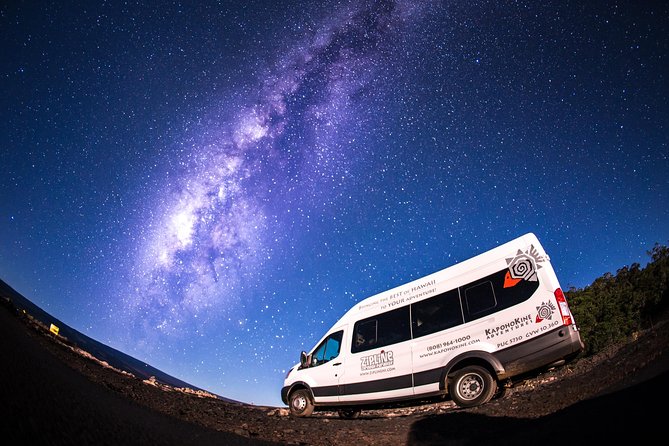
Reviewed · MAUNA KEA SUMMIT & STARGAZING
Maunakea Stellar Explorer HILO
Stars start falling before it’s dark. The Maunakea Stellar Explorer Hilo strings together Rainbow Falls and Kaumana Caves with guided telescope stargazing from one of the darkest spots you can reach from Hilo. I like that the trip is built like a full evening plan, not just a quick stop-and-go stargare, and I like that the pickup-and-drop-off setup keeps you focused on the views instead of parking and timing. One possible drawback: you should expect stargazing from a chosen Maunakea access point, not the top observatories, and weather plus the moon phase can change what you see.
In This Review
- Quick highlights you’ll feel in real life
- The big picture: what this tour really is
- Price and value: $240.73 for a full evening plan
- Timing matters: the 3:30 pm start and night-sky rhythm
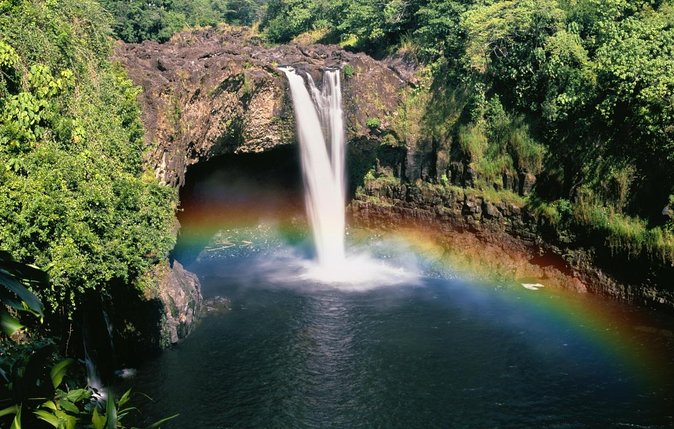
- Stop 1 in Hilo: Rainbow Falls and the photo moment
- Stop 2: Boiling Pots and how to spot the illusion
- Kaumana Caves Park: picnic dinner in a lava-tube cathedral
- Mauna Kea at night: what Dobsonian stargazing feels like
- Saddle Road: geology narration plus solar viewing
- The guides: where the difference really shows
- What to pack (so the night stays fun)
- Getting what you thought you booked: observatory vs. night-sky site
- How fit and comfort factor in
- Room for improvement: a couple of things to weigh
- Should you book? Who this tour is perfect for
- FAQ
- What time does the Maunakea Stellar Explorer Hilo tour start, and how long is it?
- Does the tour include hotel pickup and drop-off?
- What stops are included besides Mauna Kea stargazing?
- Is dinner included?
- Do you get to view the sun and the night sky with telescopes?
- What if I need a vegetarian meal or have allergies?
Quick highlights you’ll feel in real life
- Telescope time that’s the main event: big aperture Dobsonians built for wide, crisp views of planets, clusters, and nebulae
- A real Hilo-to-night-road route: Rainbow Falls, Boiling Pots, and Kaumana Caves keep the evening moving
- Picnic dinner with a view: lunch/dinner is served right at Kaumana Caves, so you’re eating with context
- Solar viewing on Saddle Road: a solar telescope may show sunspots and flares when conditions allow
- Small group size (max 26): easier than a huge bus for asking questions and getting seated near the telescope
- Guide-led setup and pacing: you’re not just dropped off; you get help aiming and understanding what you’re seeing
More summit sunsets and stargazing on Mauna Kea
- Small Group Big Island Twilight Volcano and Stargazing Tour★ 5.0 · 1,619 reviews
- Big Island: Mauna Kea Summit and Stars Small-Group Adventure Tour★ 5.0 · 1,545 reviews
- Big Island: Mauna Kea Summit Tour with Free Night Star Photo★ 5.0 · 1,449 reviews
- Mauna Kea Stargazing Experience + Photos★ 5.0 · 261 reviews
The big picture: what this tour really is
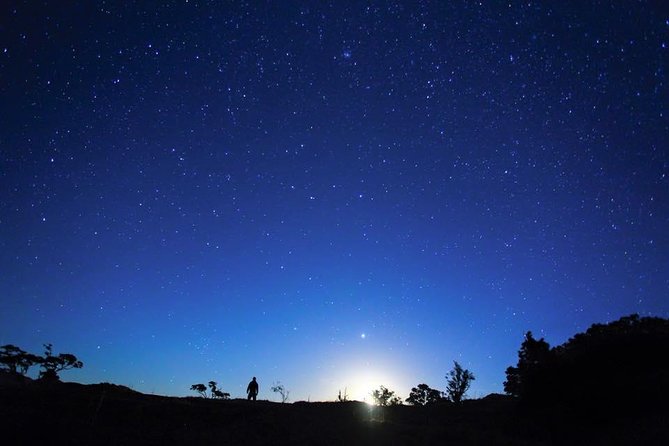
This is a 7-hour, end-to-end evening where you start with famous Hilo-area stops, then gradually shift into astronomy mode. The payoff is the Maunakea portion: guided stargazing using a large-aperture Dobsonian telescope plus dark-sky conditions.
The smartest thing about this format is how it supports your brain. Early on, you’re awake and curious. Later, when you’re in the cold-dark air with your head tilted up, you already know what you’re looking for. That matters, because stargazing without a guide can feel like watching a slideshow where you don’t have the captions.
Price and value: $240.73 for a full evening plan
At about $240.73 per person for a ~7-hour experience, the value depends on what you want out of the day. If your goal is simply to see Saturn or Jupiter, you could do that with a good backyard telescope and a little homework. But if your goal is the guided experience—where someone explains what you’re seeing, helps you compare objects, and keeps the night organized—this price can make sense.
You also get built-in convenience: hotel pickup and drop-off, plus round-trip transportation. Those two pieces alone remove a lot of friction on the Big Island, where distances add up fast and timing matters for dark-sky viewing.
Timing matters: the 3:30 pm start and night-sky rhythm
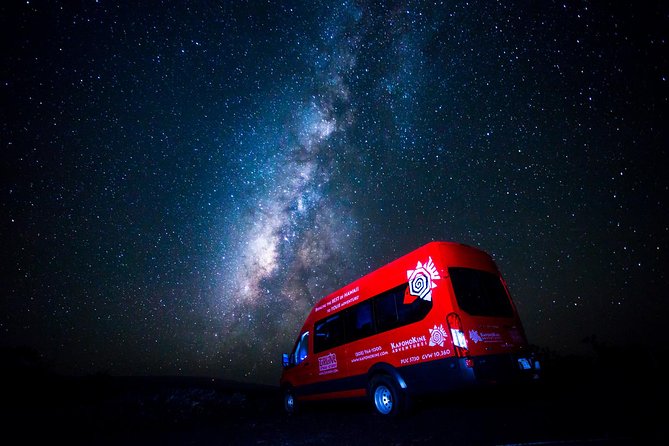
This tour starts at 3:30 pm and returns to the meeting point in Hilo. That late afternoon start is intentional. It gives you daylight time for the waterfalls and lava-tube stops, then enough time for the route to change as the sky darkens.
If you’re planning your own day around it, don’t schedule anything tight before pickup. You’ll want the full calm minutes at each stop, and you’ll want time to settle into the colder upper elevations when it’s time for astronomy.
Stop 1 in Hilo: Rainbow Falls and the photo moment
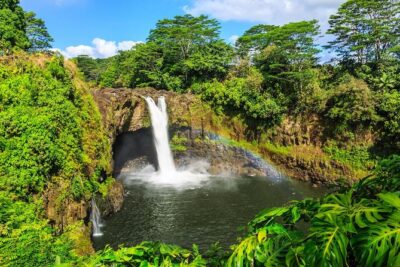
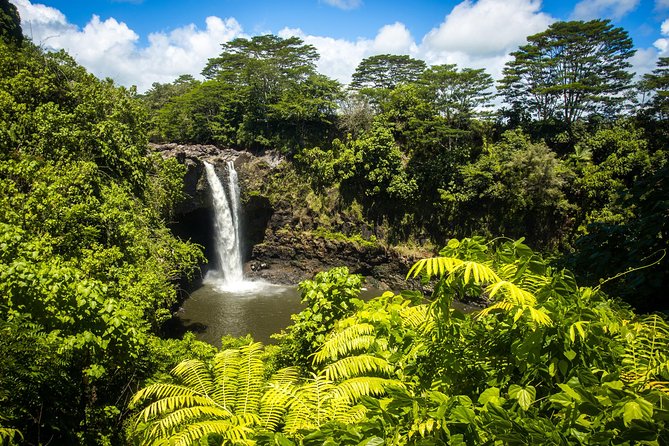
You begin in Hilo, cruising the historic waterfront area before arriving at Rainbow Falls. It’s an iconic twin waterfall system about 80 feet tall, and the name comes from the rainbow effect you can sometimes spot when conditions line up.
Practical tip: in afternoon light, you usually aren’t walking away with a perfect rainbow photo, and that’s fine. Think of this stop as a sensory warm-up: sound, mist, and a quick check that your feet and camera are ready for the rest of the evening.
Stop 2: Boiling Pots and how to spot the illusion
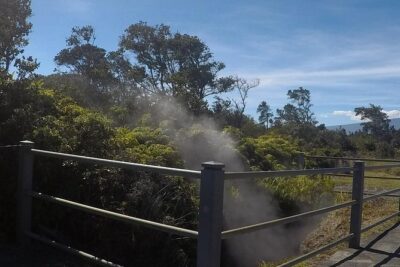
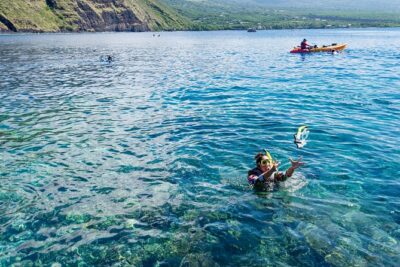
Next you head toward Boiling Pots along the Wailuku River area. The “boiling” look comes from water flowing through rock depressions, creating a bubbling effect you can photograph.
This is also one of those stops where timing and viewpoint matter. If it’s raining, the scenes can get dramatic. If it’s calm, you’ll still get the texture and movement that makes the place recognizable.
Kaumana Caves Park: picnic dinner in a lava-tube cathedral
Then comes the stop that many people remember most for atmosphere: Kaumana Caves Park. These caves are part of a lava-tube system associated with lava traveling roughly 1.5 miles from Hilo-town in 1881. You can peek inside the cave spaces, which feel tall and open in a way that’s hard to describe until you’re there.
The best part for your stomach: you’ll enjoy a picnic-style lunch/dinner atop the caves, with hot drinks/coffee and beverages included. That meal timing is smart because it gives you a break before the cold-dark stargazing. It also keeps the evening from turning into endless driving.
If you take the cave portion seriously, wear shoes with good grip. Some cave areas have uneven ground, and a simple fall-safety mindset pays off in the long run.
Mauna Kea at night: what Dobsonian stargazing feels like
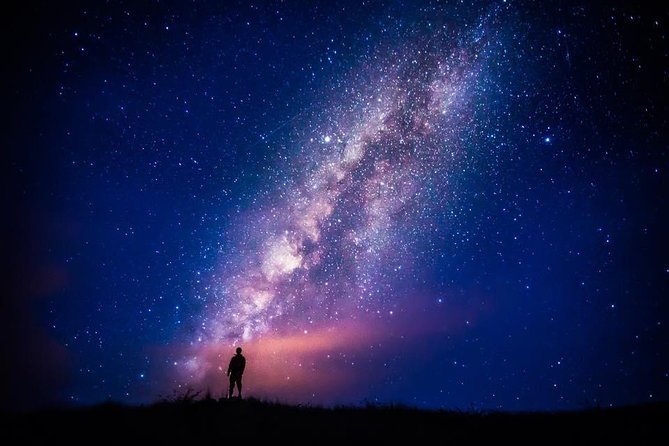
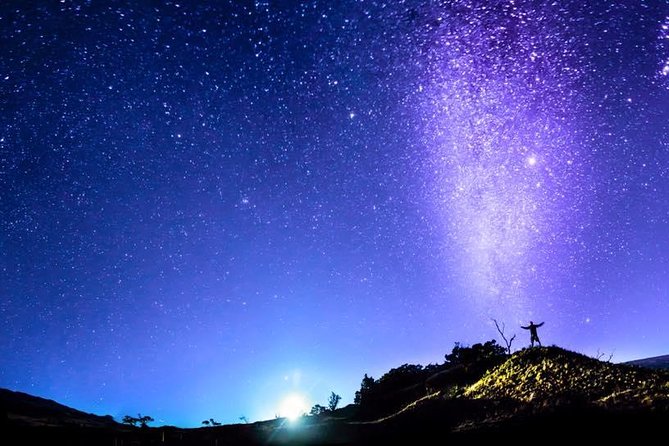
The heart of the trip is the Maunakea stargazing stop. Your guide takes you to a preferred location on Mauna Kea (not the summit observatories) and uses large Dobsonian telescopes with a wide-field setup. The goal is seeing deep sky and planetary objects through a telescope with a big aperture and fast focal ratio designed for sweeping views.
Here’s what you should expect to see when conditions cooperate:
- Planets like Saturn and Jupiter
- The Moon
- Star clusters and double star systems
- Classic targets such as the Orion Nebula and Andromeda Galaxy
- Sometimes nebulae and galaxies that look like faint smudges to the naked eye, then turn into structured objects once you’re at the eyepiece
A key detail: the experience is only as good as the sky. Low fog and smoke can cut visibility. Even when the night isn’t perfect, the telescope views often still deliver a strong moment because you’re not relying on your eyes alone.
Saddle Road: geology narration plus solar viewing
After the Mauna Kea stargazing stop, you travel across Saddle Road between Mauna Kea and Mauna Loa. This is where the trip earns its “more than just astronomy” label.
Your guide shares volcanology and geology stories as you pass lava flows and vegetation zones. Then, when weather allows, the guide sets up a solar telescope to watch the sun in true color—things like sunspots, solar flares, and prominences.
Reality check: solar viewing depends on clear skies. If clouds roll in, you’ll still have the road narration and the views, but the sun show may be limited. Build the expectation around “weather permitting,” not around “guaranteed.”
The guides: where the difference really shows
This is one of those tours where the guide can make you feel like you’re in a small science class with a friend who cares. Multiple guides are named in the experience stories, including Rich, Eric, Henry, Nate, Sam, Hunter, and Nate again as a recurring standout.
Across these names, the pattern is consistent:
- They keep people engaged the whole ride, including kids when families are present
- They help you map what you’re seeing—constellations, planets, and night-sky targets
- They’re patient with questions, including repeat questions from tired nighttime eyes
- They bring practical extras, like warm layers/parkas and flashlights for the lava-tube area
If you want maximum value, bring one simple mindset: ask. If there’s something you want to see—like a planet or a specific object—request it. It’s easier for a guide to prioritize your interests early than to guess what you want later.
What to pack (so the night stays fun)
For this kind of Maunakea evening, your comfort directly affects your enjoyment. Bring:
- Poncho or rain gear if you tend to get cold in mist and light rain
- Non-slip, closed-toe shoes for cave steps and uneven areas
- Warm layers—even in Hawaii, the elevation air can feel sharp at night
- A willingness to slow down and look longer at the telescope instead of rushing to the next stop
One more pro move: plan around the moon phase. A full moon can still be beautiful, but it can reduce the contrast of faint deep-sky objects. If you specifically want galaxies and nebulae, the darker-window nights tend to be the ones to aim for.
Getting what you thought you booked: observatory vs. night-sky site
Some disappointment stories come from a mismatch between expectations and reality. The tour experience described here focuses on stargazing from a practical access location on Maunakea rather than going to the top observatories.
So if your dream is standing near the biggest observatory domes at the summit, adjust your mental picture now. Think: “access to excellent dark-sky viewing at the foot areas,” with guided telescope time as the real prize.
That said, the telescopes and guides are the point. Jupiter and Saturn aren’t consolation prizes—they’re classic targets that reward you even when conditions aren’t perfect.
How fit and comfort factor in
Most people can participate, but it’s still a full evening with multiple stops, stairs or uneven cave ground, and time spent outdoors at night.
If you have mobility concerns, consider how you’ll handle:
- Getting on and off the van repeatedly
- Standing in the dark while telescopes are being set and aimed
- Walking around the lava-tube cave area
Good shoes and a steady pace fix a lot of this. If you’re traveling with kids, the tour format can work well because the guide can keep attention through explanations and hands-on pointing. Just keep an eye on head height in cave areas—some spaces are low.
Room for improvement: a couple of things to weigh
Let’s keep it balanced. The overall rating is strong at 4.4 from 99 reviews, which usually means the experience works for most people. Still, a few recurring issues show up in the negative and mixed stories:
- Some folks felt the night-sky site was more of a rest-stop-style viewing area than a more formal visitors area
- A few evenings had weather challenges like fog, smoke, or smoke-related haze that reduced what could be seen
- One or two stories mention transport comfort issues like poor air-conditioning in the van
None of these erase the value for the right traveler. They just matter if your expectations are tied to a specific level of comfort or a specific stargazing venue look.
Should you book? Who this tour is perfect for
Book this tour if:
- You want guided telescope stargazing from Maunakea-level skies, not a self-guided drive with guesswork
- You like tours that include meaningful daytime stops like Rainbow Falls and lava-tube caves
- You want a guide to connect the dots between Hawaiian place stories and the night sky
- You’re okay with weather and moon phase affecting what you see, and you still want to try
Skip it (or shop carefully) if:
- Your priority is summit observatories specifically, not “Maunakea viewing at a practical access site”
- You’re expecting a relaxed, slow stroll with minimal driving and setup
- You’re very sensitive to outdoor cold and standing around while telescopes are readied
If you do book, pack for the outdoors, check the lunar phase when possible, and go in ready to ask questions at the telescope. That’s when this tour turns into a real memory instead of just a checklist night.
FAQ
What time does the Maunakea Stellar Explorer Hilo tour start, and how long is it?
It starts at 3:30 pm and runs for about 7 hours.
Does the tour include hotel pickup and drop-off?
Yes. The tour offers pickup from most hotels and ends back at the meeting point in Hilo.
What stops are included besides Mauna Kea stargazing?
You’ll visit Rainbow Falls, Boiling Pots, Kaumana Caves Park, and Saddle Road along the way to and from Mauna Kea.
Is dinner included?
Yes. Dinner is included, and it’s described as a picnic-style meal served with a view at Kaumana Caves, along with beverages like bottled water and coffee or tea.
Do you get to view the sun and the night sky with telescopes?
Yes. The night sky is viewed through Dobsonian telescopes on Mauna Kea, and on Saddle Road a solar telescope may be set up for safe solar viewing when conditions allow.
What if I need a vegetarian meal or have allergies?
You can enter dietary requirements in the Special Requirements box during checkout, or update them afterward by using Manage my Booking and emailing your needs.
More Tour Reviews in Big Island of Hawaii
- Big Island in a Day: Volcanoes Waterfalls Sightseeing and History
★ 5.0 · 6,569 reviews - Big Island Manta Ray Night Snorkel
★ 5.0 · 5,656 reviews - Big Island: Kona Manta Ray Snorkel Tour in Keauhou Harbor
★ 4.5 · 2,465 reviews - Hilo Shore Excursion: Volcanoes National Park & Black Sand Beach
★ 4.5 · 2,338 reviews - Big Island: Captain Cook Snorkel On A Power Catamaran With Lunch
★ 5.0 · 2,232 reviews - KONA Manta Ray Night Snorkel – FREE re-ride if no Sightings
★ 5.0 · 2,212 reviews
Mauna Kea After Sunset
- Big Island GOAT Experience: Mauna Kea Summit, Sunset & Stars
★ 5.0 · 1,706 reviews - Small Group Big Island Twilight Volcano and Stargazing Tour
★ 5.0 · 1,619 reviews - Big Island: Mauna Kea Summit and Stars Small-Group Adventure Tour
★ 5.0 · 1,545 reviews - Big Island: Mauna Kea Summit Tour with Free Night Star Photo
★ 5.0 · 1,449 reviews - Mauna Kea Stargazing Experience + Photos
★ 5.0 · 261 reviews - Mauna Kea Arnott’s Adventures
★ 5.0 · 150 reviews
Just Added: The Newest Big Island Reviews


Mauna Kea Summit & Stargazing, compared.
 ★ 5.0Big Island GOAT Experience: Mauna Kea Summit, Sunset & StarsFrom $2891,706 reviews
 ★ 5.0Small Group Big Island Twilight Volcano and Stargazing TourFrom $2971,619 reviews
 ★ 5.0Mauna Kea Summit and Stars Small-Group Adventure TourFrom $3291,545 reviews
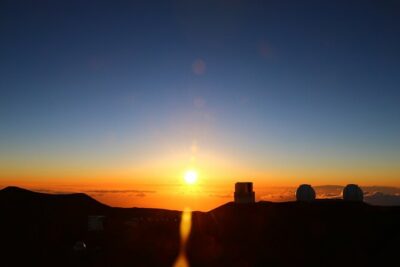 ★ 5.0Mauna Kea Summit Tour with Free Night Star PhotoFrom $2801,449 reviews
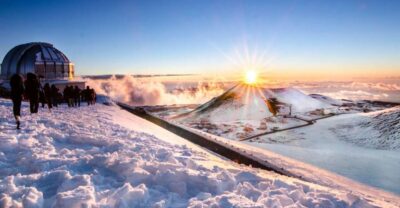 ★ 4.8Hilo: Mauna Kea Summit, Sunset, & Stargazing ExperienceFrom $289629 reviews
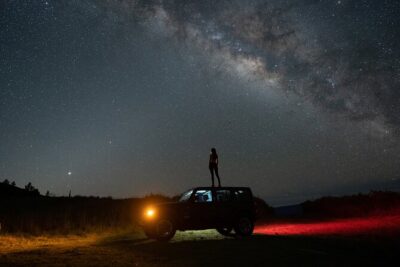 ★ 5.0Mauna Kea Stargazing Experience + PhotosFrom $299261 reviews
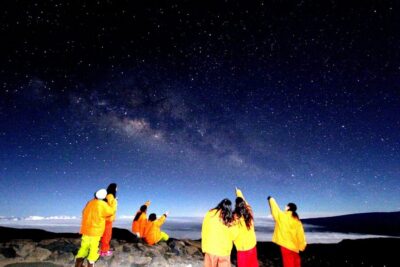 ★ 4.8MaunaKea Summit SUNSET and Star Tour with PhotoFrom $280220 reviews
 ★ 4.8Big Island, Hawaii: Volcano and Stargazing Tour with DinnerFrom $297179 reviews
Browse the lists this tour appears in