
Reviewed · MAUNA KEA SUMMIT & STARGAZING
Maunakea Stellar Explorer from Kona
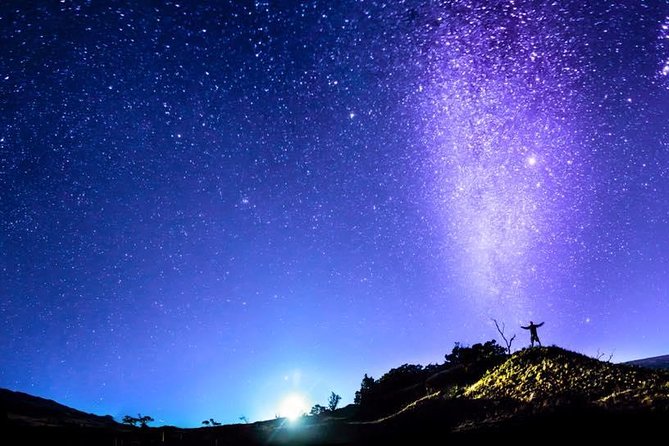
The night sky over the Big Island feels close. You get a Kona dinner first, then a guided ride across Saddle Road with volcanology talk, and finish with telescope viewing and sky explanations. I especially like the focus on hands-on night observing through Dobsonian telescopes, and the way guides use a laser pointer to connect what you’re seeing to constellations and planets. One thing to consider: this tour does not go to Mauna Kea’s summit, so you may miss the higher-elevation sunset views some people expect.
If your trip goal is learning the sky while staying warm and comfortable, this one fits. The group is capped at 26, and pickup is offered, which makes it easier than trying to schedule your own stargazing stop. Just keep weather in mind, since rain or heavy cloud can cut the viewing short.
In This Review
- Key highlights at a glance
- Kona Dinner First: Why This Tour Starts with Food
- Saddle Road Geology: The Guided Ride Between Volcano Giants
- The Mauna Kea Telescope Stop Without the Summit
- How the Telescopes Work: Dobsonians, Big Views, Real Objects
- Warm Gear, Cold Reality: What to Wear for Night Viewing
- Timing and Transport: A 6.5-Hour Block That Actually Adds Up
- Price and Value: Is $263.76 Fair for What You Get?
- Who This Tour Suits Best
- Book It or Skip It? My Decision Guide
- FAQ
- FAQ
- What time does the Maunakea Stellar Explorer from Kona start?
- Is hotel pickup included?
- What’s included with the tour besides telescopes?
- Do they visit Maunakea’s summit?
- How long is the tour?
- Are tickets mobile-friendly?
- What languages is the tour offered in?
- What dietary needs can the tour handle?
- How many people are in the group?
- Is free cancellation available?
- Do I need to bring warm clothing?
Key highlights at a glance
- Kailua Bay dinner setup before you drive into the dark
- Saddle Road volcanology narration between Mauna Kea and Mauna Loa
- Stargazing without the summit drive while still using big-aperture telescopes
- Warm jackets plus hot drinks at the end of the night
- Laser pointer sky teaching that helps you track objects quickly
More summit sunsets and stargazing on Mauna Kea
- Small Group Big Island Twilight Volcano and Stargazing Tour★ 5.0 · 1,619 reviews
- Big Island: Mauna Kea Summit and Stars Small-Group Adventure Tour★ 5.0 · 1,545 reviews
- Big Island: Mauna Kea Summit Tour with Free Night Star Photo★ 5.0 · 1,449 reviews
- Mauna Kea Stargazing Experience + Photos★ 5.0 · 261 reviews
Kona Dinner First: Why This Tour Starts with Food
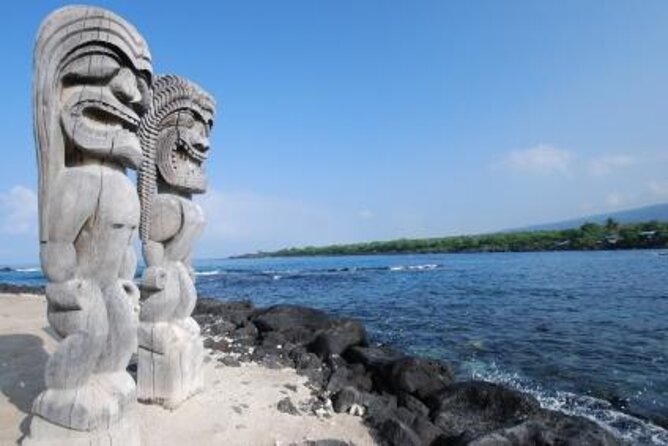
This is not a grab-and-go stargazing sprint. You start with dinner in Kona, and that extra time matters for two reasons. First, it gets you fed before the temperature drops, so you’re not trying to enjoy the night sky while thinking about a growling stomach. Second, it sets a relaxed tone. People arrive, get the day’s logistics out of the way, and you shift from daytime sightseeing into nighttime astronomy mode.
You’ll get a Hawaiian-style dinner, and bottled water is included. The meal isn’t what I’d call the star of the show, but it’s part of the value equation: you’re paying for a whole experience, not just telescope time. Also, a few departures have dinner at a restaurant near the harbor, and service and food quality have been praised—while other guests have found it less impressive or a bit basic for the price.
Practical tip: If dinner isn’t your favorite part, do what locals do—use the pre-night meal to hydrate and fuel up, then save your appetite for the rest of your Kona evening.
Saddle Road Geology: The Guided Ride Between Volcano Giants
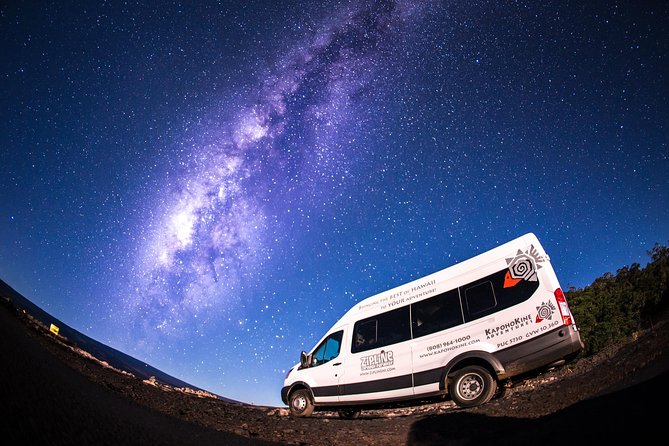
After dinner, you head across Saddle Road, the long stretch between Mauna Kea and Mauna Loa. This is where the tour becomes more than just a night activity. You ride with an NPS-trained guide who explains volcanology and geology as the landscape changes. You’ll get narration about lava flows as well as flora and fauna along the way.
This section helps first-timers in a big way. When you later look up at the sky, you understand the place better. The Big Island isn’t just dark-sky theatre—it’s active geology, and the tour uses the drive to connect what you see on the ground to what you learn about Hawaii overall.
The ride also gives you a chance to get oriented for night observing. You’ll be building anticipation while still learning something concrete. And since the guide is talking about the environment, it can feel like less of a long transport time and more like a moving classroom.
The Mauna Kea Telescope Stop Without the Summit
Here’s the key expectation to set: this tour does not visit Mauna Kea’s summit. The reason is respectful—deference to Native Hawaiian concerns. That’s important context, and it also affects what you’ll see.
In practice, the viewing site is typically at lower elevation than the summit. Based on what guests have described, it can be closer to around 6,000 to 7,000 feet rather than the higher visitor areas. That’s not automatically a dealbreaker; it still supports excellent dark-sky viewing, and the telescope experience is still the main event. But it can disappoint anyone who planned their trip around summit sunset views or the visitor-center scenery.
So I’d frame it like this: you’re buying guided stargazing and telescope time, not summit-breathtaking roadside vistas. If you want a true summit sunset, you may prefer a different format.
Practical tip: If you’re the type who cares about sunrise/sunset viewpoints as much as astronomy, plan your day so you’re not relying on this tour to deliver those scenes.
How the Telescopes Work: Dobsonians, Big Views, Real Objects
This is where the tour earns its reputation. You’ll observe through a large-aperture Dobsonian telescope. The guide explains what’s up in the sky, and you’re not just looking once—you get time with the equipment.
Guests have specifically raved about seeing:
- Saturn with the ring pattern
- Jupiter with visible cloud bands
- Venus as a distinct planet
- The Moon with impressive surface detail
- Double stars like Alpha Centauri
- Deep-sky favorites such as galaxies, nebulae, and star clusters (depending on what’s visible that night)
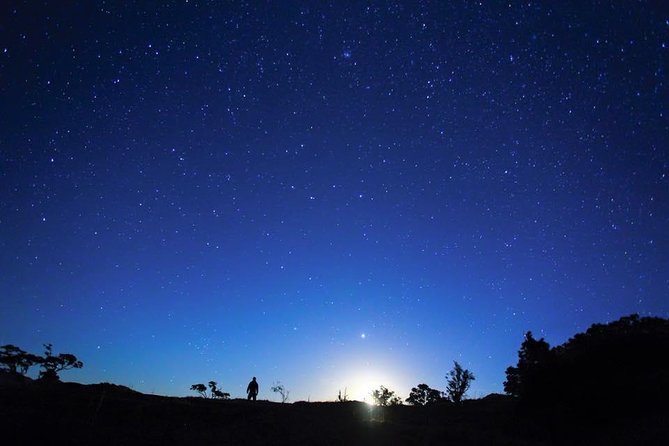
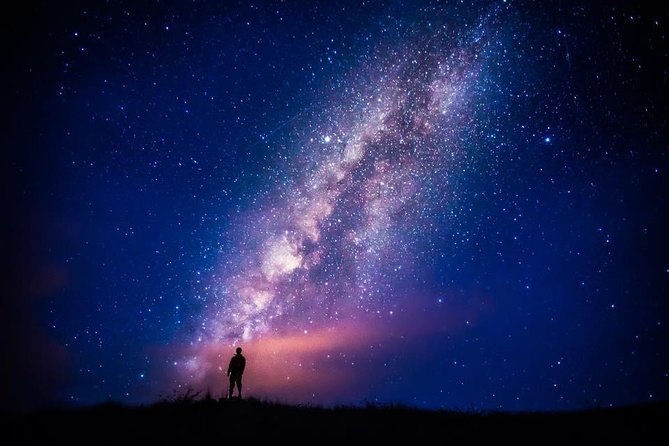
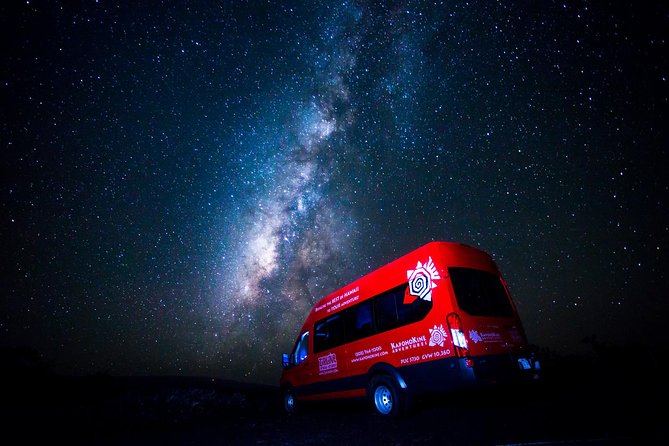
- The Milky Way looking breathtaking against dark sky conditions
- Occasional falling stars when luck and clarity line up
One of the best features is the way guides help you track objects. Many guides use a laser pointer to point out stars and constellations as they explain what they are and why they matter. Names that have come up often in praise include Marcus, Sam, Hunter, Nate, Adam, Diego, Krystal, Rich, and Mark. Different personalities, same idea: the sky is easier when someone shows you exactly where to look.
Dobsonians also tend to give strong “wide field” views compared with many smaller handheld optics. That matters because it lets you appreciate scale—especially with bright features like the Milky Way and star clusters.
Practical tip: If you bring a camera, do it. Guests have been able to capture the Moon through the telescope, and even simple phone shots can feel like proof you were really there—assuming you steady your device.
Warm Gear, Cold Reality: What to Wear for Night Viewing
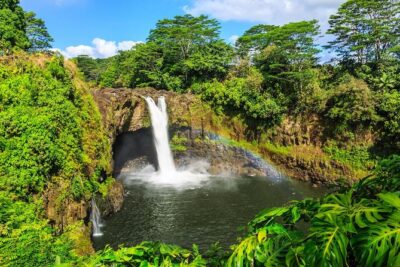
Even in Hawaii, it can get cold once you’re at elevation and the sun disappears. Guests have mentioned conditions around the high 20s Fahrenheit, which makes layers non-negotiable.
Good news: warm jackets are provided and you’ll warm up at the end with Kona coffee and hot chocolate. Still, you’ll enjoy this more if you come prepared. Wear warm socks, sweatpants, and a hat or gloves if you run cold. If you show up in thin evening clothes, the telescope experience can turn into a shiver-fest.
Also remember: the night sky is about patience. It can take a minute for your eyes to adjust. Cold can make you rush. Dress so you can stay comfortable long enough to actually enjoy the views.
Practical tip: Bring a small flashlight with a red setting if you have one. It helps you move around without blasting everyone’s night vision.
Timing and Transport: A 6.5-Hour Block That Actually Adds Up
This is roughly a 6 hours 30 minutes experience, starting around 3:30 pm. The schedule is built to move from day to dusk to night without rushing. Dinner eats up the early chunk of time, then Saddle Road takes you into position for stargazing.
The important detail is where the value sits: your guide is doing two jobs—helping you understand the geology on the way and teaching the sky once you arrive. That can feel like a lot for one day, but it also means you’re not just sitting in the dark hoping for good luck.
Group size can shape the vibe. The tour caps at 26 travelers, and that’s usually a manageable number. Even so, one common complaint is that larger groups can make telescope time feel slower, especially if you’re sharing the same guide and equipment schedule. If you prefer quick turns and lots of individual handling time, I’d go into it ready to wait your turn a bit.
Price and Value: Is $263.76 Fair for What You Get?
At $263.76 per person, this isn’t a cheap add-on. The question isn’t whether you’re paying for a telescope—that’s the obvious part. The real value check is whether you’re also paying for the full package: pickup, transportation, guide narration, dinner, jackets, and hot drinks.
When the sky cooperates, the payoff can feel very worth it:
- Saturn’s rings and Jupiter’s bands have been repeatedly highlighted
- The Milky Way experience has left people speechless
- Guides like Marcus, Hunter, Adam, and Krystal have earned praise for teaching style and patience
- The laser-pointer approach helps you understand what you’re looking at instead of just staring
But price also means your expectations need to match the format. If you expect summit-level views and visitor-center sunsets, this is not that. And if the night turns rainy or cloudy, the disappointment can sting because it’s still a timed experience. There’s no way around weather, but you can control how you plan your expectations.
Value take: If you want guided stargazing, warm support, and a structured learning experience without dealing with driving and managing your own setup, the cost can make sense. If your top priority is summit sunset scenery, you’ll likely feel shortchanged.
Who This Tour Suits Best
This works especially well if you:
- Want a guided introduction to astronomy, not just telescope peeking
- Like the idea of learning about Hawaii’s geology while you travel
- Prefer pickup and an organized schedule over DIY planning
- Enjoy the chance to see planets like Saturn and Jupiter through a proper scope
It may not fit as well if you:
- Came primarily for Mauna Kea summit sunset views
- Hate the idea that weather can spoil night viewing
- Are expecting dinner to be a standout culinary event
Book It or Skip It? My Decision Guide
I’d lean toward booking if your plan for the Big Island includes at least one serious night-sky moment and you want a guide to help you connect the dots quickly. The combination of Dobsonian telescope viewing plus clear teaching, warm gear, and a structured ride is exactly the kind of “effort saved” that makes a paid tour feel justified.
I’d pause before booking if summit imagery is the main thing you’re chasing. Since this tour stays below the summit and doesn’t promise that higher viewpoint, it’s better to choose a different experience if your heart is set on that specific scenery.
Also, remember weather is the wildcard. If you’re the type who needs guaranteed clear skies, you might want a backup plan for your Kona schedule.
If you do book, dress for cold anyway. That one move turns a good stargazing night into a comfortable one you actually remember.
FAQ
FAQ
What time does the Maunakea Stellar Explorer from Kona start?
It starts at 3:30 pm (pickup is scheduled based on your booking details).
Is hotel pickup included?
Yes. Hotel pickup and drop-off are included, and you choose your pickup details in the booking process.
What’s included with the tour besides telescopes?
You get bottled water, a driver/guide, warm jackets, dinner, and Kona coffee and hot chocolate after stargazing.
Do they visit Maunakea’s summit?
No. The tour does not go to Maunakea’s summit.
How long is the tour?
It’s about 6 hours 30 minutes.
Are tickets mobile-friendly?
Yes. You receive a mobile ticket.
What languages is the tour offered in?
The tour is offered in English.
What dietary needs can the tour handle?
You can request vegetarian meals or accommodations for allergies and gluten or lacto free needs by entering them in the Special Requirements box or by emailing after booking.
How many people are in the group?
The maximum group size is 26 travelers.
Is free cancellation available?
Yes. You can cancel for a full refund up to 24 hours before the experience start time.
Do I need to bring warm clothing?
Warm jackets are provided, but you should still plan for cold nighttime conditions.
More Tour Reviews in Big Island of Hawaii
- Big Island in a Day: Volcanoes Waterfalls Sightseeing and History
★ 5.0 · 6,569 reviews - Big Island Manta Ray Night Snorkel
★ 5.0 · 5,656 reviews - Big Island: Kona Manta Ray Snorkel Tour in Keauhou Harbor
★ 4.5 · 2,465 reviews - Hilo Shore Excursion: Volcanoes National Park & Black Sand Beach
★ 4.5 · 2,338 reviews - Big Island: Captain Cook Snorkel On A Power Catamaran With Lunch
★ 5.0 · 2,232 reviews - KONA Manta Ray Night Snorkel – FREE re-ride if no Sightings
★ 5.0 · 2,212 reviews
Mauna Kea After Sunset
- Big Island GOAT Experience: Mauna Kea Summit, Sunset & Stars
★ 5.0 · 1,706 reviews - Small Group Big Island Twilight Volcano and Stargazing Tour
★ 5.0 · 1,619 reviews - Big Island: Mauna Kea Summit and Stars Small-Group Adventure Tour
★ 5.0 · 1,545 reviews - Big Island: Mauna Kea Summit Tour with Free Night Star Photo
★ 5.0 · 1,449 reviews - Mauna Kea Stargazing Experience + Photos
★ 5.0 · 261 reviews - Mauna Kea Arnott’s Adventures
★ 5.0 · 150 reviews
Just Added: The Newest Big Island Reviews


Mauna Kea Summit & Stargazing, compared.
 ★ 5.0Big Island GOAT Experience: Mauna Kea Summit, Sunset & StarsFrom $2891,706 reviews
 ★ 5.0Small Group Big Island Twilight Volcano and Stargazing TourFrom $2971,619 reviews
 ★ 5.0Mauna Kea Summit and Stars Small-Group Adventure TourFrom $3291,545 reviews
 ★ 5.0Mauna Kea Summit Tour with Free Night Star PhotoFrom $2801,449 reviews
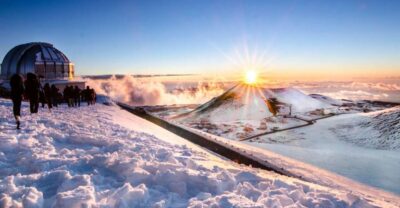 ★ 4.8Hilo: Mauna Kea Summit, Sunset, & Stargazing ExperienceFrom $289629 reviews
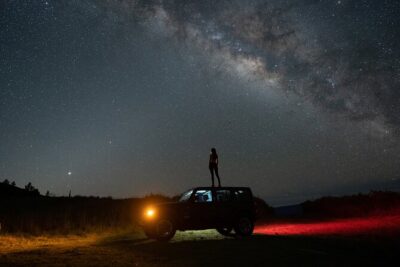 ★ 5.0Mauna Kea Stargazing Experience + PhotosFrom $299261 reviews
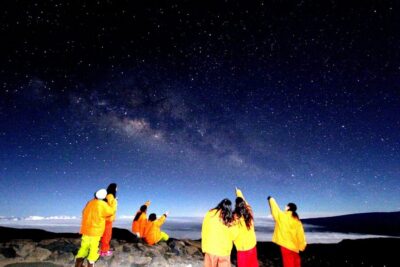 ★ 4.8MaunaKea Summit SUNSET and Star Tour with PhotoFrom $280220 reviews
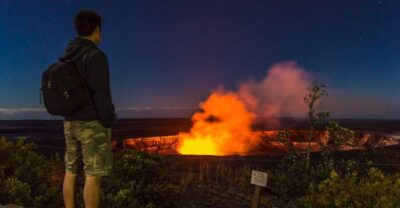 ★ 4.8Big Island, Hawaii: Volcano and Stargazing Tour with DinnerFrom $297179 reviews
Browse the lists this tour appears in