
Reviewed · BIG ISLAND LUAUS & HAWAIIAN FEASTS
Hands-On Hawaiian Imu Cooking and Cultural Dining Experience
Underground oven day on the Big Island. You learn the craft of an imu, the traditional underground oven, by helping build one from scratch with native Hawaiian hosts. Then you sit down for a backyard-style feast featuring kalua pig and other island favorites, plus a taro-based dessert.
What I like most is the hands-on work (not just watching), and the way the meal feels like part of a family gathering rather than a scripted performance. One thing to think about: it’s weather-dependent and outdoors, so if you’re hoping for an indoor, guaranteed plan, this may not be your best match.
In This Review
- Men of Pa‘a Hosts, Real-Time Culture, and a Meal You’ll Remember
- Quick Hits Before You Go
- Where This Happens: Pāhoa’s Imu Experience Starts at Auina Street
- What an Imu Really Means (and Why This Tour’s Hands-On Part Matters)
- Step-by-Step Flow: From Building the Oven to Uncovering the Food
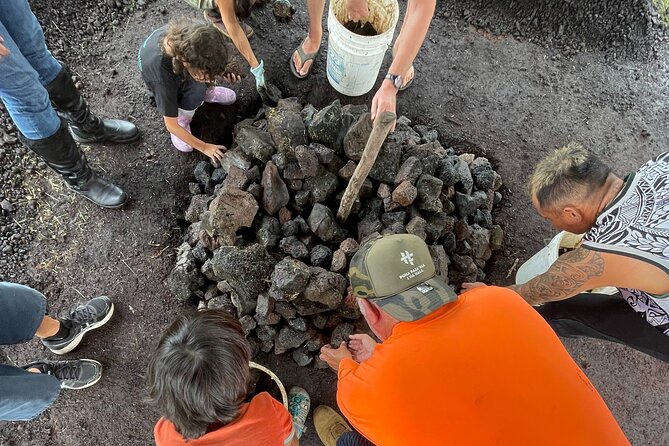
- Building the imu: where you learn by doing
- Waiting time: learning keeps the time from dragging
- Uncovering and serving: the payoff moment
- The Lunch Menu: Kalua Pork, Kalua Chicken, Vegetables, and Kulolo
- Dietary reality check
- Culture You Can Feel: Ohana, Meaningful Words, and Chants
- A global perspective from the lead host
- What you should do during the talking part
- Price and Value: Is $150 Worth It?
- Timing, Weather, and What to Wear for an Outdoor Oven Experience
- Who This Tour Fits Best (and Who Might Skip It)
- Should You Book This Imu Mea ‘Ai Tour?
- FAQ
- What time does the tour start?
- Where is the meeting point?
- How much does it cost?
- What’s included in the price?
- What food will I eat during the feast?
- Is the tour offered in English?
- Is the group size small?
- What happens if weather is bad?
- What is the cancellation policy?
Men of Pa‘a Hosts, Real-Time Culture, and a Meal You’ll Remember
The experience is run by Imu Mea ‘Ai Food Tour Hawaii at a small-to-midsize setting (up to 50 people), and it starts at 10:00 am in Pāhoa. From the way the hosts explain food and meanings, you get the sense this is about ohana—family, connection, and caring for one another—while the food slowly cooks underground.
If you’re the type who enjoys asking questions and learning words as you go, you’ll likely feel right at home. If you’re strict about dietary restrictions, the menu includes kalua pork and kalua chicken, with kalua vegetables and kulolo as other options.
Find another luau and imu feast
- Big Island, Hawaii: Admission to Voyagers of the Pacific Luau★ 4.0 · 790 reviews
- Hands-On Hawaiian Imu Cooking and Cultural Dining Experience★ 5.0 · 95 reviews
- Hawaii Loa Luau on the Big Island★ 4.5 · 65 reviews
- Hale Hoaloha Luau at the Mauna Lani★ 5.0 · 65 reviews
Quick Hits Before You Go
- Build the imu yourself with native Hawaiian guidance, not a passive tour.
- Slow-cooked kalua mains include pork and chicken, plus kalua vegetables (taro/kalo and sweet potato among them).
- Kulolo dessert shows up as a taro-based finish with coconut milk and honey.
- Cultural pieces beyond the food include chanting and meaningful word exchange during the gathering.
- Small-group feel with a maximum of 50 travelers, so you’re more than just a seat in a crowd.
Where This Happens: Pāhoa’s Imu Experience Starts at Auina Street
This tour meets at 15-1380 Auina St, Pāhoa, HI 96778, and it loops back to the same meeting point at the end. It’s scheduled for about 4 hours, with lunch included, plus bottled water. The tour is offered in English, and you’ll get a confirmation at booking plus a mobile ticket.
Pāhoa is a different vibe from the big resort hubs. That matters here, because this isn’t designed like a staged show. You’re meeting the hosts in the rhythms of the area, then spending the afternoon focused on the cooking method and the cultural meaning behind it.
What an Imu Really Means (and Why This Tour’s Hands-On Part Matters)
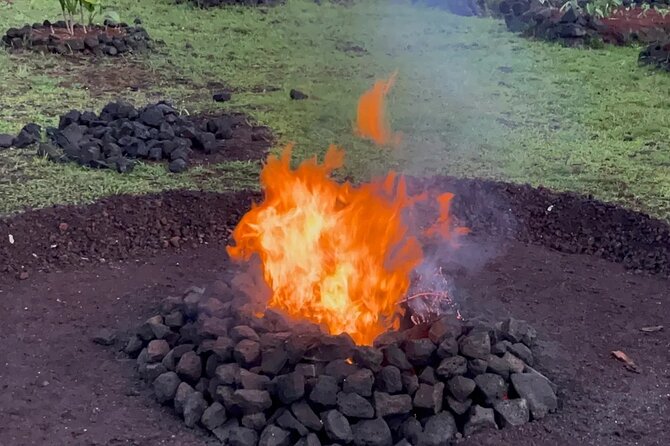
An imu is an underground oven that slow cooks using materials from the earth. You don’t need to know the science to enjoy it, but it helps to understand the concept: heat and time work together. Foods steam and cook gently underground, which is why the finished kalua items taste so different from food that was simply grilled or roasted at high heat.
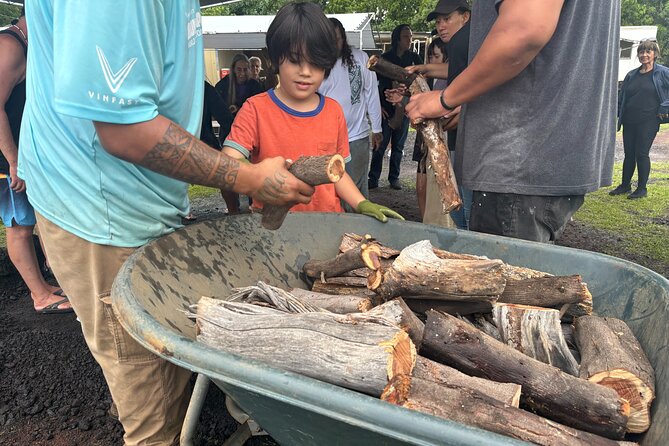
On this tour, you build the imu from scratch. That’s the big value. You’re not just learning about a tradition in theory—you’re participating in the steps that make the food possible. Even if you’re not the outdoorsy type, this kind of involvement tends to make the meal feel more meaningful because you helped set it up.
One practical takeaway: expect the process to feel hands-on and earth-focused. Dress like you’re okay with getting a little dirt around. Closed-toe shoes and comfortable clothes are a smart move.
Step-by-Step Flow: From Building the Oven to Uncovering the Food
The overall arc is simple, and that’s a good thing. You’ll (1) learn about the tradition and build the imu, (2) wait while it cooks, then (3) uncover it and eat together in a backyard-style feast.
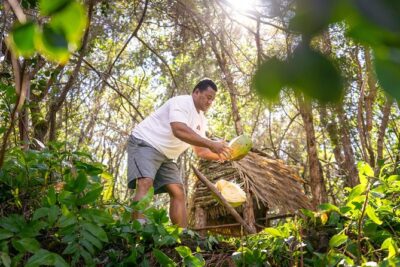
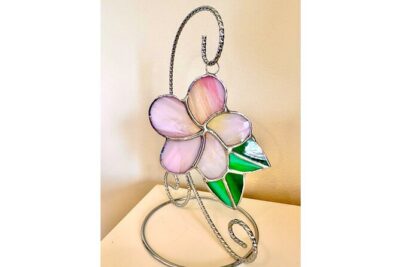
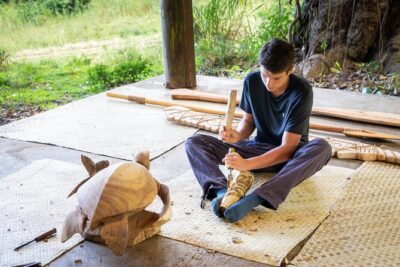
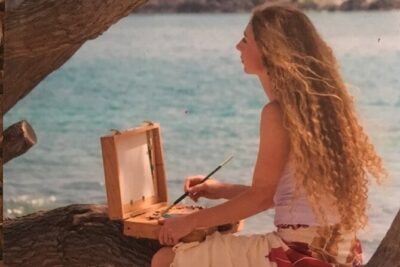
More hands-on Hawaiian craft and culture

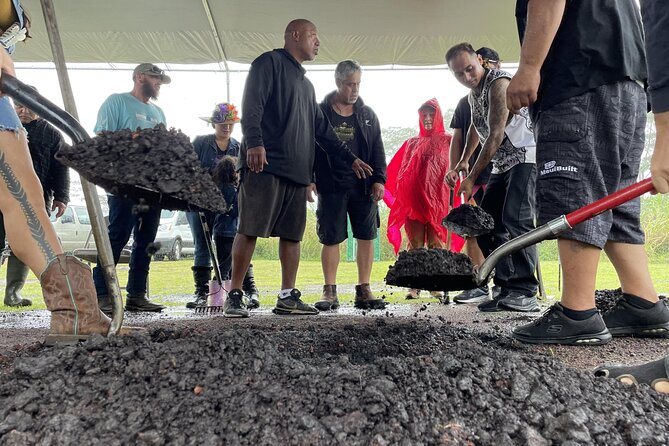
Building the imu: where you learn by doing
You’ll be guided by native Hawaiians whose families have used this cooking method for generations. While the exact sequence can vary with conditions, the key is that you’re contributing to the build, not standing to the side. This is where questions matter. Ask what each step is for. Even if the language is new, the meaning often lands fast when you’re part of the action.
Waiting time: learning keeps the time from dragging
Underground cooking takes time, so you won’t just sit in silence. The cultural portion is part of what fills the waiting period. In past events, people have described chanting and meaningful word exchange, which helps explain why the meal isn’t treated as just food—it’s treated like a shared event with spirit and respect.
Uncovering and serving: the payoff moment
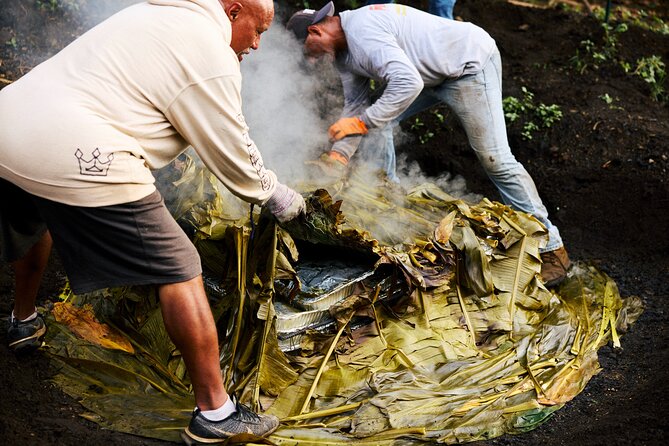
When the imu is uncovered, that’s when everything clicks. The food comes out slow-cooked, with that distinct kalua-style flavor. This is also the moment when you’ll feel the difference between watching cooking happen and actually being part of the process.
The Lunch Menu: Kalua Pork, Kalua Chicken, Vegetables, and Kulolo
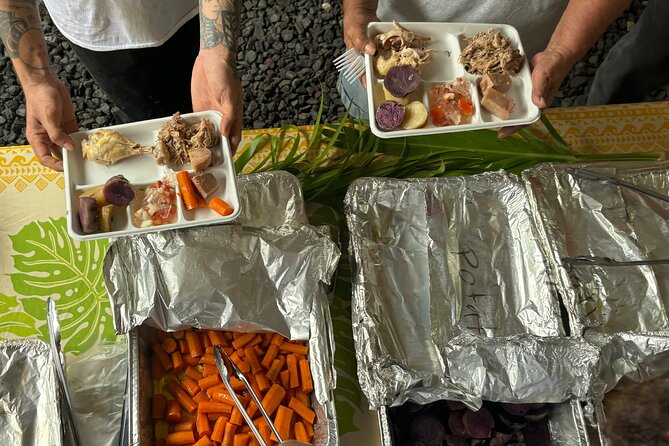
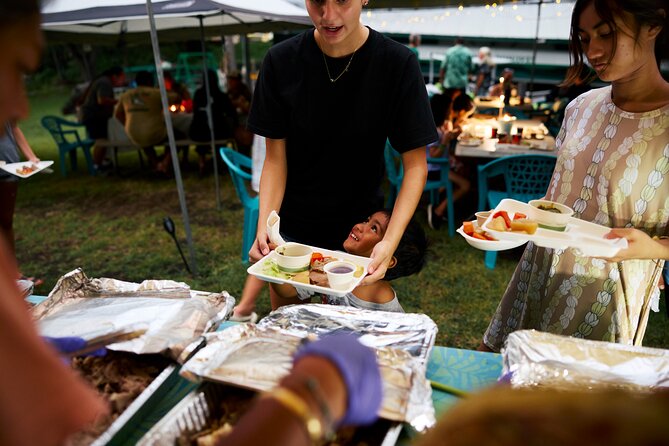
The meal is the heart of the day, and it’s built around underground-cooked items. Here’s what’s on the sample menu:
- Kalua Pork: pork steamed in an underground oven
- Kalua Chicken: chicken steamed in an underground oven
- Kalua Vegetables: including local sweet potato, kalo (taro), carrots, celery, and more
- Kulolo (dessert): made with kalo (taro), coconut milk, and honey
A good way to think about this: you’re getting multiple textures and flavors cooked in the same spirit. The pork and chicken show you how the imu method works on different proteins, while the vegetables let you taste the method’s softer side. The dessert is a reminder that taro shows up across both savory and sweet Hawaiian food traditions.
Dietary reality check
The menu includes pork and chicken, so if you avoid those entirely, you may need to rely mostly on kalua vegetables and dessert. If you have severe allergy needs, the provided details don’t confirm ingredients beyond the menu items listed, so ask questions ahead of time when you book.
Culture You Can Feel: Ohana, Meaningful Words, and Chants
This experience does more than hand you a plate. It’s designed to teach how food connects people—family, community, land, and intention.
In the cultural portion, hosts share meaning behind words and the reasons people gather. This kind of explanation can sound abstract until you’re eating together and the meal feels like the point. People also described chanting and the exchange of words as part of the ceremony around the food. That’s the kind of moment that turns lunch into an event you’ll talk about long after the last bite.
A global perspective from the lead host
One review detail that’s especially interesting: the group leader has shared that he traveled abroad as part of a Hawaiian Travel Authority delegation and came back with observations he’s excited to share. That doesn’t replace tradition—it adds context, like how local culture can be seen and respected in different places. It also tends to make the session feel more personal and less like a script.
What you should do during the talking part
Go in ready to listen, but also to ask. If you want to get the most from the cultural explanation, you’ll do best by treating it like a conversation, not a lecture. The hosts have made room for translation in the past, so if you need language support, it’s reasonable to ask.
Price and Value: Is $150 Worth It?
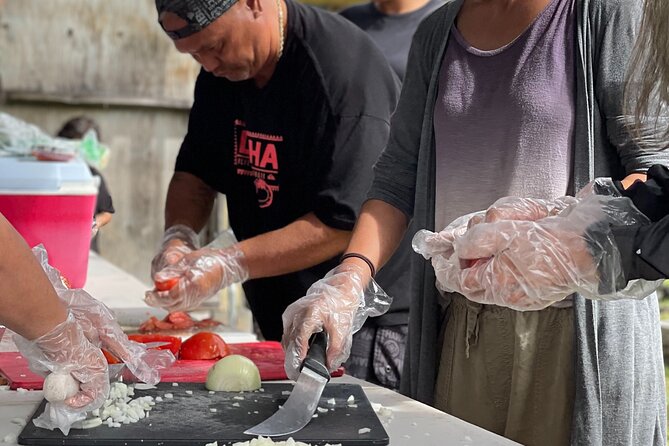
At $150 per person for about 4 hours, this isn’t a bargain snack tour. You’re paying for hands-on teaching, cultural context, and a full meal centered on an underground cooking method. The tour also includes lunch, bottled water, and an activity guide.
Here’s why that can be good value: the imu build is the attraction. If you’ve ever done a classic luau-style event where you mostly watch, this is a different category because you help create the cooking setup. That hands-on involvement is where the cost tends to make sense.
Booking timing can also affect value. This tour averages 25 days in advance, so the availability you want may fill sooner than you’d guess. If your schedule is fixed, plan ahead.
Timing, Weather, and What to Wear for an Outdoor Oven Experience
This starts at 10:00 am and runs about 4 hours. Because it depends on good weather, the plan can shift if conditions aren’t right. That’s important in the Big Island context—showers and sudden changes happen.
What should you wear?
- Comfortable clothes you don’t mind getting a bit dusty
- Closed-toe shoes for an earth-focused activity
- Sun protection (hat/sunglasses/sunscreen), especially if the day is clear
If you’re traveling with kids or anyone who has trouble kneeling or standing for a while, consider how “build the oven” might feel for them. The experience is participatory, so it’s not just a sit-and-watch afternoon.
Who This Tour Fits Best (and Who Might Skip It)
This is a strong match if you want:
- A hands-on Hawaiian food experience tied to the imu method
- More than food: you want meaning, words, and ceremony around the meal
- A lunch that feels grounded in local cooking rather than generic buffet style
- An event with a more intimate community feel (up to 50 people)
It might not fit as well if:
- You need a fully indoor experience
- You have strict dietary needs that don’t align with a menu built around pork, chicken, and taro-forward items
- You’re uncomfortable with outdoor, earth-based activities
Should You Book This Imu Mea ‘Ai Tour?
I’d book it if you’re on the Big Island for a short time and you want one standout food experience that also teaches. The combo of building the imu, eating the results, and learning the cultural meaning is the whole point. At $150, you’re not just buying lunch—you’re buying participation and context.
Also consider the timing. With an average booking window of about 25 days, it’s a smart pick if your trip is already set and you want to lock in a plan.
If you’re looking for a simple, sit-back meal with zero participation, you might find this too active. But if you like learning by doing, this is exactly the kind of afternoon that makes Hawaii feel real.
FAQ
What time does the tour start?
The start time is 10:00 am, and the experience runs for about 4 hours.
Where is the meeting point?
You’ll meet at 15-1380 Auina St, Pāhoa, HI 96778, USA, and the tour ends back at the same meeting point.
How much does it cost?
The price is $150.00 per person.
What’s included in the price?
It includes lunch, bottled water, and an activity guide.
What food will I eat during the feast?
The sample menu includes kalua pork, kalua chicken, kalua vegetables (including kalo/taro and sweet potato), and kulolo dessert made with kalo, coconut milk, and honey.
Is the tour offered in English?
Yes. The tour is offered in English.
Is the group size small?
The maximum group size is 50 travelers.
What happens if weather is bad?
The experience requires good weather. If it’s canceled due to poor weather, you’ll be offered a different date or a full refund.
What is the cancellation policy?
You can cancel for a full refund up to 24 hours before the experience starts. If you cancel less than 24 hours before, the amount paid isn’t refunded.
More Tour Reviews in Big Island of Hawaii
- Big Island in a Day: Volcanoes Waterfalls Sightseeing and History
★ 5.0 · 6,569 reviews - Big Island Manta Ray Night Snorkel
★ 5.0 · 5,656 reviews - Big Island: Kona Manta Ray Snorkel Tour in Keauhou Harbor
★ 4.5 · 2,465 reviews - Hilo Shore Excursion: Volcanoes National Park & Black Sand Beach
★ 4.5 · 2,338 reviews - Big Island: Captain Cook Snorkel On A Power Catamaran With Lunch
★ 5.0 · 2,232 reviews - KONA Manta Ray Night Snorkel – FREE re-ride if no Sightings
★ 5.0 · 2,212 reviews
Hawaiian Craft and Culture
- Polynesian Cultural ATV Tour in Kona
★ 5.0 · 627 reviews - Fun and Creative Stained Glass Class and Workshop
★ 5.0 · 120 reviews - Polynesian Cultural Carving Experience in Kona
★ 5.0 · 82 reviews - Creative Soul Scavenger Hunt( Kona Big island Hawaii)
★ 4.5 · 20 reviews - 3-Hour Cup N Canvas Painting Party
★ 5.0 · 4 reviews - Hawaiian Floral Crown Weaving in Hilo
★ 5.0 · 3 reviews
Luaus and Imu Feasts
- Big Island, Hawaii: Admission to Voyagers of the Pacific Luau
★ 4.0 · 790 reviews - Big Island: Island Breeze Luau
★ 4.0 · 733 reviews - Hawaii Loa Luau on the Big Island
★ 4.5 · 65 reviews - Hale Hoaloha Luau at the Mauna Lani
★ 5.0 · 65 reviews - Feast and Fire Luau Outrigger Kona Resort and Spa
★ 4.0 · 31 reviews
Just Added: The Newest Big Island Reviews



Big Island Luaus & Hawaiian Feasts, compared.
 ★ 4.0Big Island, Hawaii: Admission to Voyagers of the Pacific LuauFrom $190790 reviews
 ★ 4.0Island Breeze LuauFrom $192733 reviews
 ★ 4.4Kailua-Kona: Voyagers of the Pacific Luau with Buffet DinnerFrom $190564 reviews
 ★ 5.0Hale Hoaloha Luau at the Mauna LaniFrom $23065 reviews
 ★ 4.5Hawaii Loa Luau on the Big IslandFrom $21465 reviews
 ★ 4.0Feast and Fire Luau Outrigger Kona Resort and SpaFrom $20131 reviews
Browse the lists this tour appears in