
Reviewed · KOHALA & HAMAKUA WATERFALLS
Farm to Table Cooking Class at Kulaniapia Falls
Farm lunch with waterfall views beats the usual tour. At Kulaniapia Falls on Hawai‘i Island, you’ll walk the gardens, harvest what goes into your meal, and then sit down to eat with big views of Hilo Bay and Mauna Kea. I especially like the farm-to-table lesson that’s practical, not preachy, and the fact that the food is mostly made from what you pick yourself. The one thing to plan for: the cooking time may not be 100% hands-on for everyone, since some prep or cooking can be done by staff or volunteers.
Why it feels special is simple: it’s plant-based, small, and timed to a relaxed morning. The class runs about 4 hours, starts at 9:30am, and caps at 8 people, so you’re not stuck in a loud crowd. I also like that you’re learning from the people who grow and run the place, with guides like Natalie and Adrian showing up in past sessions, and chefs like Davey helping shape the food.
Wear shoes you can trust. The farm walk includes uneven ground and some weedy areas, so closed-toe traction matters more than you’d think on a tropical property.
In This Review
- Key highlights to know before you go
- From Hilo Bay to your lunch plate: what this class is really like
- Your 4-hour flow: garden walk, harvest, then lunch in a working kitchen
- Harvesting seasonal produce: the volcanic soil lesson you’ll actually use
- Farm-to-table, the non-marketing way
- The lunch making: hands-on prep, and why that can be a good thing
- Eating with Hilo Bay and Mauna Kea in the background
- Who this class suits best (and who might want something else)
- Price and value: is $169 per person worth it?
- Practical tips so your day runs smoothly
- Should you book Kulaniapia Falls farm-to-table?
- FAQ
- How long is the Farm to Table Cooking Class at Kulaniapia Falls?
- What time does the class start?
- Where does the class meet?
- What does the $169 per person price include?
- Is it a plant-based cooking class?
- Is the menu based on farm produce we help harvest?
- What gratuity should I expect?
- What should I wear for the farm walk?
- Can I cancel and get a refund?
Key highlights to know before you go
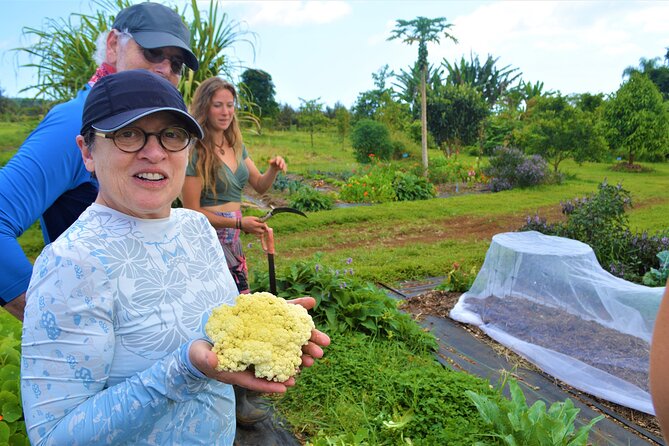
- Harvest-to-lunch ratio: 90%+ of the meal comes from seasonal produce grown on the farm that you help pick
- Small group energy: maximum 8 travelers, which keeps questions and pacing from feeling rushed
- Real farm-to-table talk: you’ll learn how growing, timing, and sustainability connect to what ends up on the plate
- Morning views with your meal: expect ocean and bay scenery (and sights toward Mauna Kea) while you eat
- Plan for footwear: uneven paths are part of the experience, so closed-toe shoes are a must
- Cooking style varies: some sessions have participants prep, while staff or volunteers handle portions of the actual cooking
More falls and swimming holes on the wet side
- Big Island in a Day: Volcanoes Waterfalls Sightseeing and History★ 5.0 · 6,569 reviews
- Big Island Zipline Tour Near Akaka Falls (250-ft Waterfall!)★ 5.0 · 1,077 reviews
- Big Island Highlights: Coffee, Volcano, Black Sands & Waterfall★ 5.0 · 1,054 reviews
- Big Island: 8-Zipline & Suspension Bridge Waterfall Adventure★ 5.0 · 914 reviews
From Hilo Bay to your lunch plate: what this class is really like
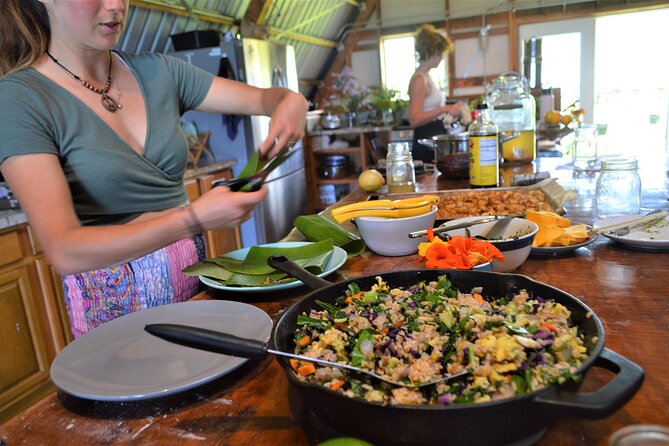
If you’re doing the Big Island and you want more than just eating somewhere nice, this is a smart choice. This farm-to-table class is built around a simple idea: food tastes better when you understand it from the ground up. You’ll start on the farm, walk through gardens, and harvest seasonal vegetables from the volcanic soil. Then you’ll work together to make a fresh plant-based lunch that you can actually recreate later at home.
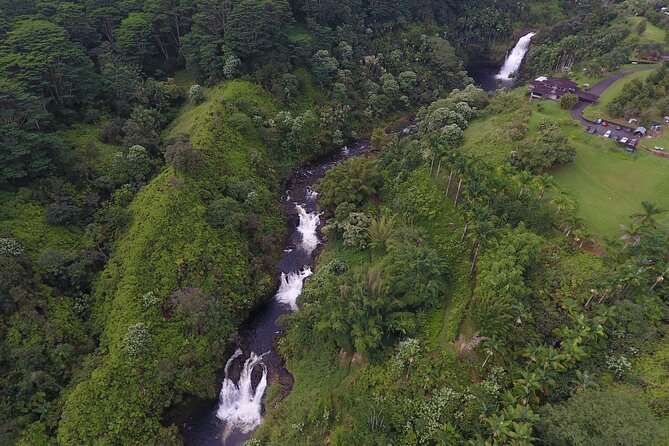
You’re also getting the setting. Kulaniapia Falls is on the Hilo side, and the property comes with bamboo gardens, a waterfall nearby, and views that pull your eyes toward the ocean. People often remember the moment they arrive—before the apron even goes on—because it feels like the farm is the main event, and the cooking is the payoff.
The day has a “let’s make food” tone, not a demo lecture. That matters because you’ll learn the why behind things like seasonality and growing methods, while still leaving with something tangible: recipes and a lunch you helped bring to life.
Your 4-hour flow: garden walk, harvest, then lunch in a working kitchen
The schedule is straightforward, but each step has its own payoff.
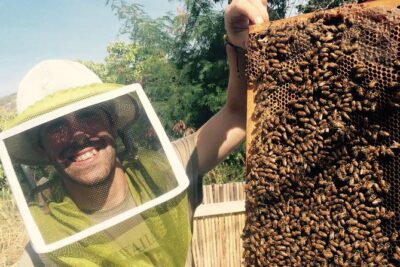
First comes the garden time. You’ll stroll through the farm with a community member who knows the operation and can point out what’s growing well right now. This is where you’ll get your bearings: how the gardens are arranged, what “seasonal” really means here, and what kinds of produce are ready for picking.
Then you move into harvesting. The goal isn’t just to grab a few items for photos. You’ll pick produce for the lunch you’ll eat afterward, and the plan is that 90%+ of the meal will come from what you harvest yourself. That ratio is one of the main reasons the experience feels worth it; it turns the class into a real farm-to-plate loop.
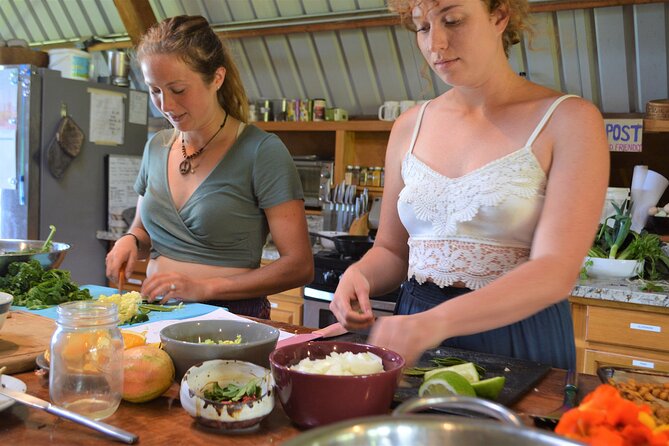
Finally, you return to a cooking space. Past sessions have described a remodeled barn kitchen with strong views, so it’s not just a back room. You’ll use the ingredients you picked and work through the plant-based lunch together.
The duration is about 4 hours. That’s long enough to feel like a “morning activity,” but short enough that you can still enjoy Hilo afterward.
Harvesting seasonal produce: the volcanic soil lesson you’ll actually use
This class is plant-based, and it’s also seasonal. That pairing is important. On Hawai‘i Island, growing conditions differ from island to island and even from one farm area to another, so the menu isn’t built to impress with exotic ingredients. It’s built to use what’s ready now.
When you harvest, you start learning the way farmers think:
- what ripeness looks like
- how to choose the best parts for eating
- how seasonal produce changes the way you cook
That’s the kind of knowledge you can apply at home even if you never grow anything. You’ll leave understanding why a recipe tastes different in-season versus out-of-season. And because you helped pick the produce, you’re more likely to notice textures and flavors while cooking—things that are easy to miss when all the ingredients magically appear at your table.
One note: harvesting and walking are part of the same physical activity. If you’ve got knee issues or you hate uneven ground, you’ll want to think carefully about the footwear and your comfort level. The terrain isn’t described as extreme, but it is uneven, and there are weedy areas.
Farm-to-table, the non-marketing way
A lot of tours use farm-to-table as a buzzword. Here, the phrase feels more grounded because you’re not only tasting. You’re learning how growing, timing, and care turn into food you can eat today.
The instructors are part of the draw because this experience is run like a working place, not a stage show. In past sessions, you might have a guide like Natalie leading the farm walk, or Adrian helping carry the day with energy and conversation. If Davey is running cooking support, that also comes through as hands-on leadership in the kitchen.
What I like about this setup is that it gives you a mental model. You start to connect:
- how harvest timing affects flavor
- why using local produce changes your menu choices
- how sustainability shows up as practical day-to-day decisions
That’s the real value of a farm-to-table class like this. You don’t just leave with recipes. You leave with a way of choosing ingredients that makes your meals taste more alive.
More island farm stands, from cacao to sea salt
The lunch making: hands-on prep, and why that can be a good thing
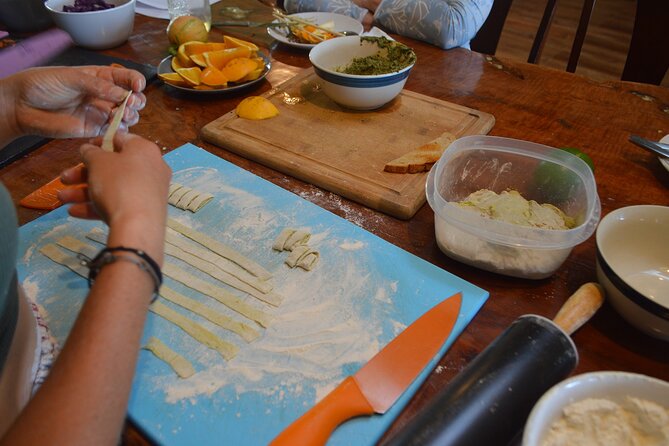
Here’s where expectations matter. Some people describe the cooking portion as involving more staff or volunteer work than full participant cooking. If you’re the type who wants to do every step yourself, that could feel slightly limiting.
But there’s also a flip side. When staff or volunteers take over parts of the cooking, the group can move faster and the lunch often comes out better. It also keeps the energy from turning into chaos, especially with a small group of up to 8.
In other words, you may still get plenty of meaningful participation:
- you’ll help harvest the ingredients
- you’ll take part in preparing the meal together
- you’ll eat something you know you helped assemble
And even if your role leans toward prep and assembling, you’ll still learn techniques you can copy later. Some of the most useful kitchen takeaways come from seeing how seasonal produce is handled right when it’s at peak.
Eating with Hilo Bay and Mauna Kea in the background
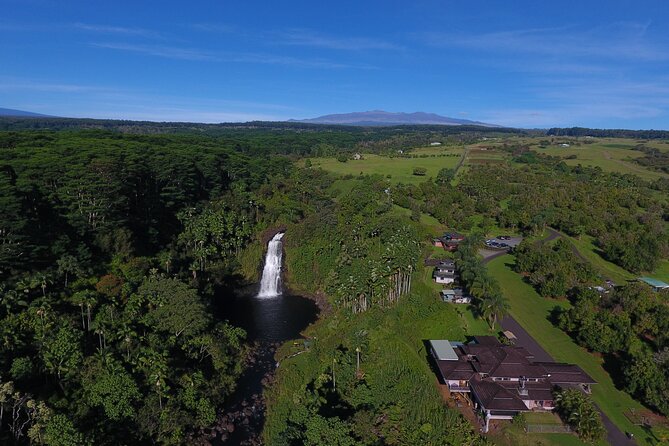
The food matters, but the setting makes the meal feel like part of the landscape of the day. Views of Hilo Bay come into play, and there are sights toward Mauna Kea depending on where you’re standing and how the day unfolds.
This is also one reason to pick this class for your schedule thoughtfully. Plan to have a clear morning with time to slow down. The experience works best when you’re not racing to the next stop right afterward.
If you want that “Big Island morning” feeling, you may get more than just gardens and lunch. Some sessions include extra time after the meal, like a short walk toward a river for a change of scenery. You might also encounter farm animals during the overall farm visit, such as goats, and there can be touches like coffee sampling depending on how the day runs.
None of that is meant to replace the class. It’s just the kind of atmosphere that makes this feel like a real working farm visit.
Who this class suits best (and who might want something else)
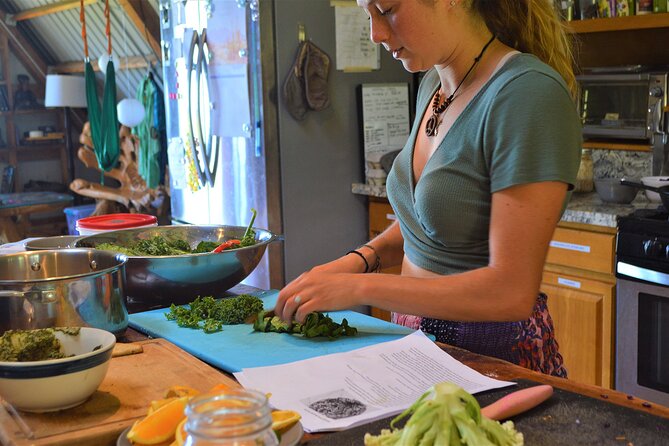
This is a great fit if you:
- want a plant-based cooking experience that starts on the farm
- like hands-on learning, especially harvesting and ingredient prep
- enjoy small-group activities more than big tour groups
- cook at home and want a clearer sense of how to use seasonal produce
It’s also a solid date idea. The setting is pretty, the pace is relaxed, and you’re sharing a practical activity together—not just talking over dinner.
You might consider skipping or choosing a different option if you’re specifically looking for a cooking class where you do every cooking step yourself. Based on how the experience has been described, some cooking is handled by staff or volunteers, so your role may be more about harvesting and prep than constant stove time.
For families, it can work too, as long as everyone is comfortable walking on uneven ground and getting a little dirty. Closed-toe shoes help here more than anything else.
Price and value: is $169 per person worth it?
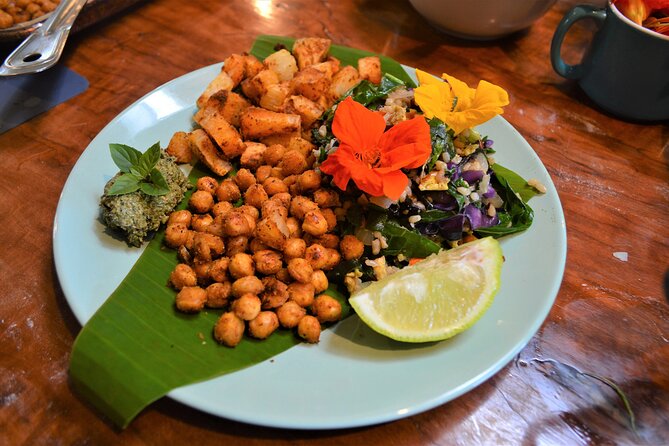
At $169 per person for about 4 hours, this isn’t a cheap activity. So you should judge value by what you actually get.
You’re paying for:
- a guided farm experience that leads directly into your meal
- a meal built around produce you harvest yourself (90%+ of the lunch)
- hands-on preparation and instruction in a plant-based format
- a small group setting (maximum 8 people)
When a class includes real ingredient harvesting and you eat what you harvested, the price feels more grounded. If the meal had been mostly store-bought ingredients or if the farm time were brief and mostly for show, the cost would be harder to justify. Here, the harvest-to-lunch connection is the main product, and it’s central to the experience.
Then add the location factor. You’re also on a waterfall-and-gardens property with ocean and bay views, which helps explain why the experience costs what it does.
One extra cost to keep in mind: gratuity is not included, and a typical gratuity amount mentioned is $20 per guest.
Practical tips so your day runs smoothly
A few small choices make a big difference.
- Wear closed-toe, flat shoes. The farm walk includes uneven ground and weedy areas. Skipping this part can mean sore feet or a lot of ankle-watching.
- Expect to get a little dirty. Harvesting is real, not staged.
- Bring a curious attitude. The best learning comes when you ask about what’s growing and why it matters.
- Plan your morning. Since it’s about 4 hours and starts at 9:30am, avoid booking back-to-back activities right after lunch if you can help it.
- Use the recipe goal. The class includes recipes you can take home, so think about whether you want to repeat the lunch later. If you do, pay attention to how the ingredient choices are made, not just the final plating.
Should you book Kulaniapia Falls farm-to-table?
If you want an authentic Hilo-area morning that ties together farm life, seasonal plant-based cooking, and a meal you help create, I’d book it. The small group size, the harvest-to-lunch connection (90%+ of the meal from what you pick), and the scenic setting around Hilo Bay make it feel like more than a cooking demo.
I would book it especially if you cook at home and want a stronger sense of how to choose produce by season. And I’d lean toward this class if you’re happy with a mix of participant prep and staff support in the kitchen.
But if your main goal is constant stove time where you personally handle every step of cooking, keep expectations realistic. The experience is designed around the farm and the workflow of the place, so your role may be more about harvesting and helping prepare than running every burner yourself.
FAQ
How long is the Farm to Table Cooking Class at Kulaniapia Falls?
It runs about 4 hours (approx.).
What time does the class start?
The start time is 9:30am.
Where does the class meet?
The meeting point is 100 Kulaniapia Dr, Hilo, HI 96720, USA. It ends back at the meeting point.
What does the $169 per person price include?
Lunch is included, and everything you need to harvest and prepare the meal together is provided.
Is it a plant-based cooking class?
Yes. The experience is described as a truly immersive plant-based food experience.
Is the menu based on farm produce we help harvest?
Yes. The sample menu uses seasonal produce grown on the farm, and the goal is that 90%+ of your meal comes from what you help harvest.
What gratuity should I expect?
Gratuity is not included, and a typical amount for this activity is $20 per guest.
What should I wear for the farm walk?
Wear tennis shoes or other closed-toe flat shoes, since you walk on uneven ground and through some weedy areas.
Can I cancel and get a refund?
Yes. You can cancel for a full refund up to 24 hours in advance of the experience’s start time. If you cancel less than 24 hours before, you won’t be refunded. The experience can also be canceled if a minimum number of travelers isn’t met, and you’ll be offered another date/experience or a full refund.
If you’d like, tell me your travel month and whether you want the most hands-on cooking possible, and I’ll help you decide if this fits your style and pacing.
More Tour Reviews in Big Island of Hawaii
- Big Island in a Day: Volcanoes Waterfalls Sightseeing and History
★ 5.0 · 6,569 reviews - Big Island Manta Ray Night Snorkel
★ 5.0 · 5,656 reviews - Big Island: Kona Manta Ray Snorkel Tour in Keauhou Harbor
★ 4.5 · 2,465 reviews - Hilo Shore Excursion: Volcanoes National Park & Black Sand Beach
★ 4.5 · 2,338 reviews - Big Island: Captain Cook Snorkel On A Power Catamaran With Lunch
★ 5.0 · 2,232 reviews - KONA Manta Ray Night Snorkel – FREE re-ride if no Sightings
★ 5.0 · 2,212 reviews
Island Farm Stands and Tastings
- Big Island GOAT Experience: Mauna Kea Summit, Sunset & Stars
★ 5.0 · 1,706 reviews - Hawaiian Salt Farm Tour in Kona
★ 5.0 · 767 reviews - Award Winning Farm Tour: Coffee, Chocolate and Unique Gifts
★ 5.0 · 484 reviews - Small-Group Big Island Tour: Hawaii Volcanoes National Park and Kona Coffee Farm
★ 5.0 · 343 reviews - Volcano, Chocolate and Waterfalls of the Big Island
★ 5.0 · 238 reviews - Experience Our Honey Farm And Beekeeping Tour
★ 5.0 · 167 reviews
Falls on the Wet Side
- Big Island in a Day: Volcanoes Waterfalls Sightseeing and History
★ 5.0 · 6,569 reviews - Big Island Zipline Tour Near Akaka Falls (250-ft Waterfall!)
★ 5.0 · 1,077 reviews - Big Island: 9-Line Waterfall Zipline Experience
★ 5.0 · 1,057 reviews - Big Island Highlights: Coffee, Volcano, Black Sands & Waterfall
★ 5.0 · 1,054 reviews - Big Island: 8-Zipline & Suspension Bridge Waterfall Adventure
★ 5.0 · 914 reviews - Big Island Waterfalls Tour with Swimming and Botanical Garden
★ 5.0 · 513 reviews
Just Added: The Newest Big Island Reviews



Kohala & Hamakua Waterfalls, compared.
 ★ 5.0Big Island in a Day: Volcanoes Waterfalls Sightseeing and HistoryFrom $2646,569 reviews
 ★ 5.0Big Island Zipline Tour Near Akaka Falls (250-ft Waterfall!)From $2461,077 reviews
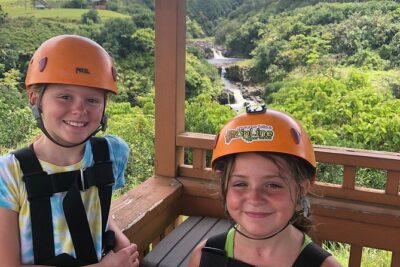 ★ 5.09-Line Waterfall Zipline ExperienceFrom $2531,057 reviews
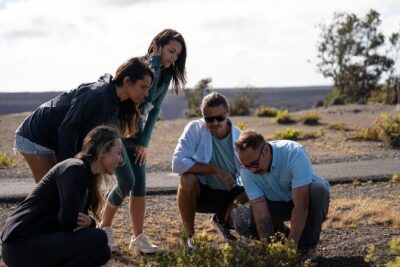 ★ 5.0Big Island Highlights: Coffee, Volcano, Black Sands & WaterfallFrom $2991,054 reviews
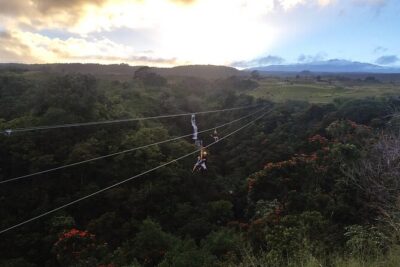 ★ 5.08-Zipline & Suspension Bridge Waterfall AdventureFrom $237914 reviews
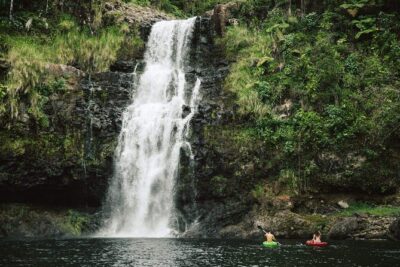 ★ 5.0Big Island Waterfalls Tour with Swimming and Botanical GardenFrom $297513 reviews
 ★ 4.9Volcanoes, Waterfalls, & Coffee Farm Day-TripFrom $264414 reviews
 ★ 5.0Hilo Shore Excursion: Active Volcano, Lava Tube, Waterfall and GardensFrom $187393 reviews
Browse the lists this tour appears in