
Reviewed · KONA HUMPBACK WHALE CRUISES
Sunset Whale Watching Shared Activity
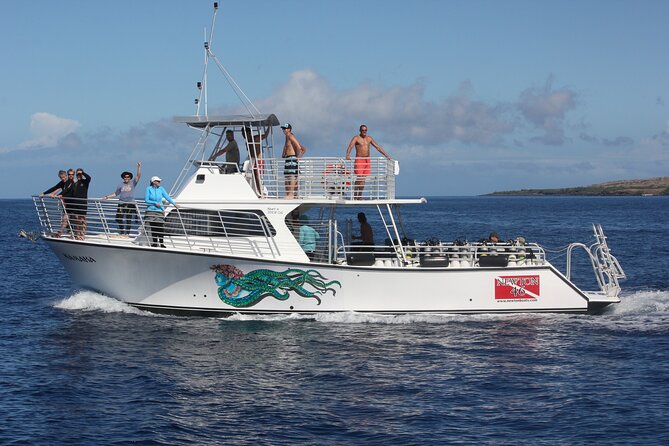
Whales at golden hour? That’s the point of this cruise. I like the slow, respectful approach in humpback breeding waters, and I like that the 46′ Namaka has multiple viewing decks so you’re not stuck fighting for angles. The main catch: the meeting spot is at the Kawaihae shopping center area, so Kona-base stays may feel a bit out of the way unless you use pickup.
This shared sunset whale watching outing runs about 2 hours 15 minutes, starting at 3:30 pm. For $157.18 you get a small-group vibe (max 24), snacks, water, and onboard marine-naturalist storytelling, then you finish with a real Hawaiian sunset. Keep in mind the tour depends on conditions, since it requires good weather.
In This Review
- Quick hits before you go
- Sunset timing makes this whale watch feel like part of the island
- The Namaka boat: space, shade, and real viewing options
- Kohala Coast whale country: humpbacks, spinner dolphins, and distance rules
- The sunset finish: colors, spouts in low light, and a green flash chance
- Price and what $157.18 actually buys you
- Meeting point at 61-3665 Akoni Pule Hwy: Kawaihae logistics in plain terms
- What’s included (and what you should bring) for a calmer cruise
- Crew energy: marine naturalists, easy going spotting, and real names
- Who should book this sunset whale watch, and who might choose something else?
- Should you book Kohala’s Sunset Whale Watching?
- FAQ
- How long is the sunset whale watching cruise?
- How much does it cost?
- Where do we meet, and where does the tour end?
- Is pickup offered?
- What animals might we see?
- Is alcohol included?
- FAQ
- What should I do if weather is bad?
Quick hits before you go
- Small-group limit (max 24 travelers), which helps you spread out and stay calm around wildlife
- 46′ Newton boat with 3 viewing decks plus shaded seating and a head
- Kohala Coast whale breeding area where humpbacks are the headline, plus spinner dolphins
- Hydrophone may be used for live whale sounds when conditions allow
- BYOB friendly (alcohol not included), while snacks and soda stay included
- Sunset timing gives you a chance at that classic green flash
More humpbacks off the Kona coast this winter
- Whale Watching On The Big Island★ 5.0 · 573 reviews
- Big Island: Pelagic Whale Watch Tour★ 5.0 · 557 reviews
- Zodiac Raft Whale Watching Adventure★ 5.0 · 456 reviews
- Whale Watch Excursion from the Big Island★ 4.5 · 263 reviews
Sunset timing makes this whale watch feel like part of the island
A whale watch is fun at any time of day, but the late-afternoon start changes the mood. You get the best kind of combo: wildlife time first, then the ocean shifts into evening colors. That matters because the Kohala Coast can be busy with marine life, while sunsets make the whole experience feel more like a Hawaiian outing than a checklist activity.
This cruise also has a built-in rhythm. The boat cruises the Kohala Coast area at a respectful pace, aiming for close-but-not-too-close whale viewing. Then, as the light drops, the ocean becomes the backdrop for everything you’ve been watching: spouts, slow surfacing, and the sudden burst of motion when spinner dolphins move through.
One practical note: sunsets are gorgeous, but they also mean you’ll likely be out a bit longer in the cooler evening air than you’d expect from a daytime tour. Wear something you can layer, and keep your camera ready even after the whales move on, because the sky is part of the show.
The Namaka boat: space, shade, and real viewing options
The tour runs on a 46′ Newton Boat called the Namaka, and the layout is designed for ocean viewing, not just transportation. What I like about this kind of setup for a shared experience is simple: fewer bottlenecks. With three viewing decks, you have options if one level is crowded or if the whales are surfacing in a direction that makes one area of the boat more useful.
You also get shaded seating areas, which is a big deal when you’re out on the water in Hawaii and the sun can be intense before golden hour. And yes, there’s a head (restroom) onboard, which makes a 2+ hour outing feel much more comfortable, especially for families or anyone who doesn’t want to stress about timing.
Another small detail that can make a trip better: the operator keeps the boat moving in a way that supports respectful wildlife viewing. In plain terms, you’re not dealing with nonstop engine noise or frantic crowding. The goal is “slow cruise, find whales, stay at a distance,” and that changes what the ocean feels like around you.
Kohala Coast whale country: humpbacks, spinner dolphins, and distance rules
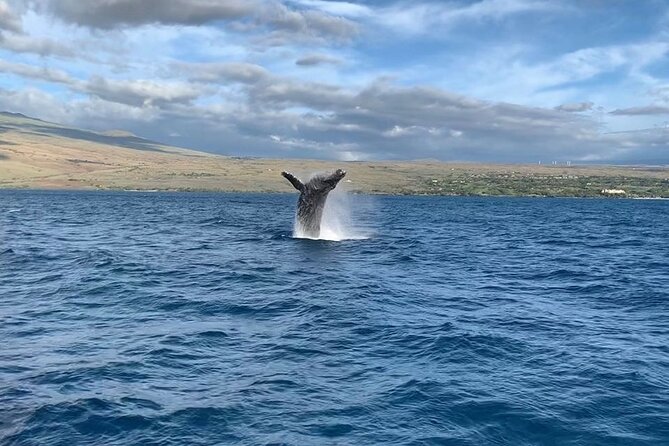
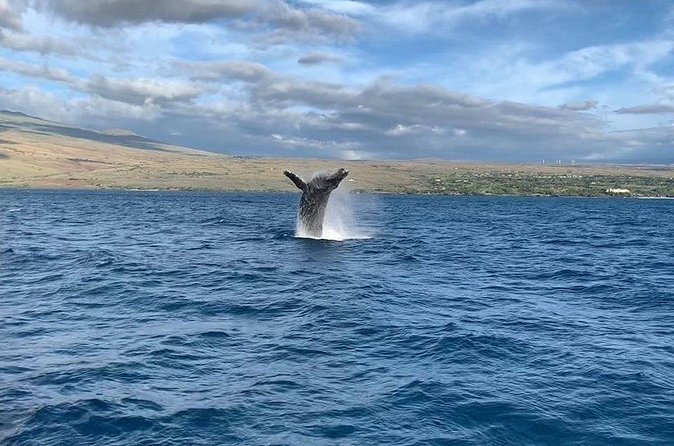
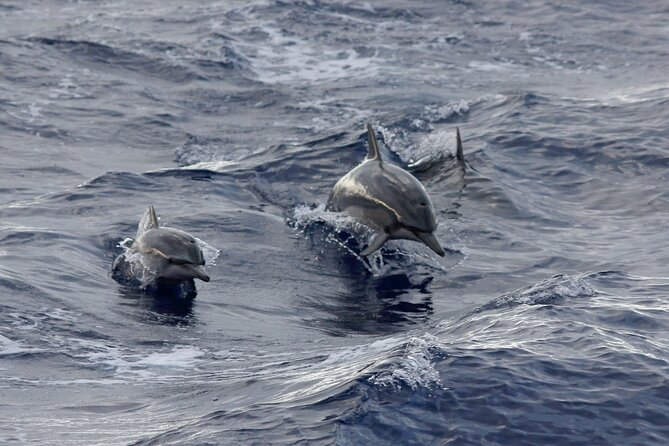
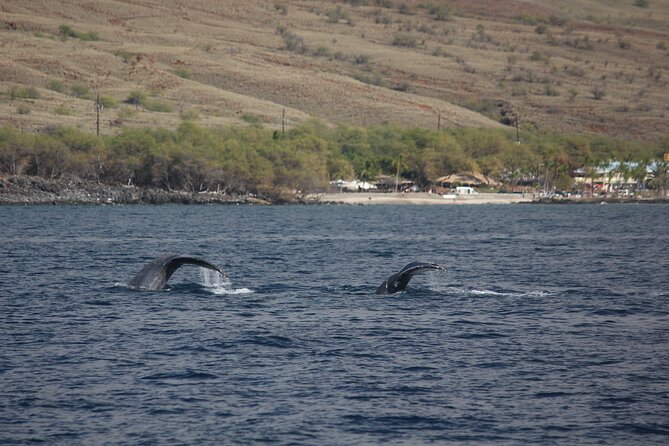
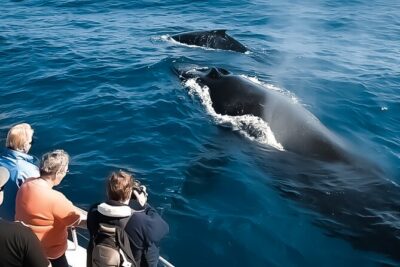
The Kohala Coast area is described as a whale breeding sanctuary, and the tour’s focus fits that. The most likely stars are humpback whales, with the chance of breeding and birthing activity, depending on what’s happening in the water that day. You can also see spinner dolphins, and the overall pattern is a slower, thoughtful watch rather than a drive-by.
This is where the “how” matters as much as the “what.” A respectful distance keeps the animals healthier and lets you observe without stressing them. It also often makes the spotting experience better for you, because the crew’s job becomes finding behavior worth watching, not chasing.
You might also get whale sounds through a hydrophone. The tour info notes that a hydrophone may be deployed depending on conditions, which is one of those add-ons that can turn a “cool sighting” into something you feel in your body. If it’s available that day, it’s a strong reason to show up ready to listen, not only to look.
And from the trip reports tied to this experience, the encounters can be intense. People describe close viewing early on, plus multiple whale surface events, and even dolphin activity happening around whales. That combination is exactly what you hope for: whales doing whale things, with dolphins adding motion and color.
The sunset finish: colors, spouts in low light, and a green flash chance
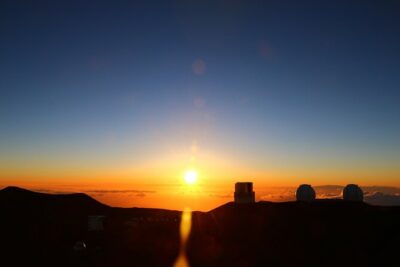
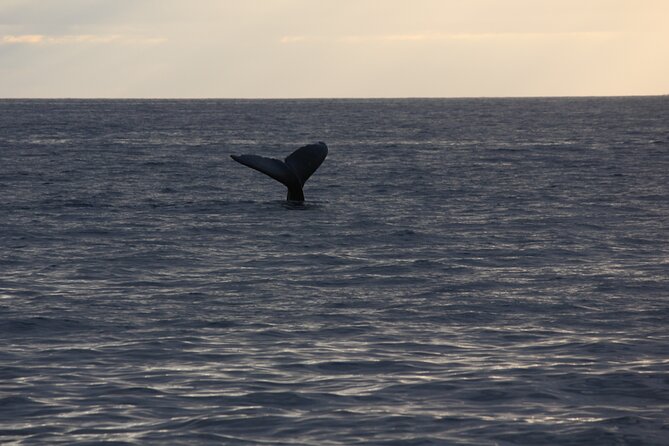
The cruise wraps around a Hawaiian sunset, and that time of day brings a different kind of beauty to whale watching. In daylight, your eyes focus on distance and shape. At sunset, your brain starts also tracking color: the sky turning copper and pink, the ocean reflecting it, and the whales appearing like sudden dark silhouettes before they break the surface.
The tour is timed to give you that payoff, not to rush it. If you’re lucky, you might even see the green flash, a classic Hawaiian moment people talk about because it’s real, but never guaranteed.
For practical photo planning: don’t wait until you think you’ve “missed” the best moment. Late in the watch, whales can surface unpredictably, and the crew’s slower navigation plus the time window helps give you repeated chances to catch both whale behavior and the sky changing overhead.
More Big Island tours we have been out and rated

Price and what $157.18 actually buys you
At $157.18 per person for about 2 hours 15 minutes, this isn’t a bargain, but it also isn’t outlandish for whale watching on a small boat in Hawaii. Here’s the value picture I see from the details you’re given:
- You’re paying for a good boat setup: a specific 46′ vessel with multiple decks and shaded areas, not a generic platform.
- You’re paying for the wildlife focus: slow cruising in the Kohala whale breeding area and attention to staying at a respectful distance.
- You’re paying for included basics: snacks, soda, and bottled water are in the price.
The “hidden value” is that the cruise includes what many people end up buying anyway while traveling: water and easy snacks. You also get filtered water for refills using your reusable bottle, or compostable cups if you don’t have one. Bring a bottle and you’ll feel good about staying hydrated without paying for extras.
Alcohol isn’t included, but BYOB is allowed. That’s often the sweet spot for value: you can choose what you like, and the tour still keeps the focus on the viewing rather than forcing an expensive beverage package.
Meeting point at 61-3665 Akoni Pule Hwy: Kawaihae logistics in plain terms
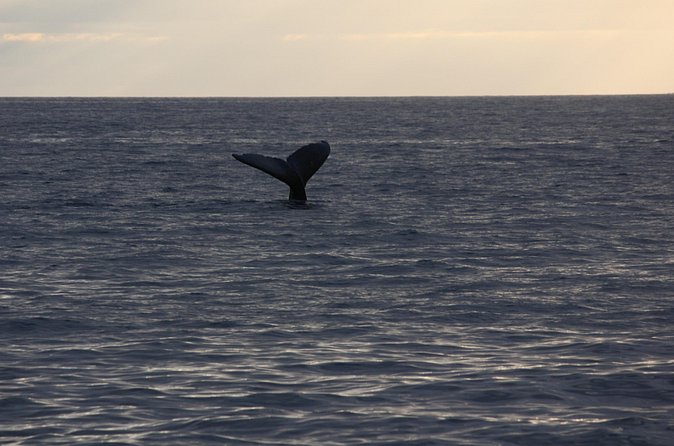
This is one area where I think you should plan a little more than usual. The start point is listed as 61-3665 Akoni Pule Hwy, Waimea, HI 96743, and the practical meeting location is the Kawaihae shopping center lower level.
If you’re staying near Kona’s main areas, this can feel like a longer drive. One of the repeated strengths mentioned about the trip is that it’s convenient for places north of the airport and for resorts outside downtown Kailua-Kona. Translation: if you’re already on that side of the island, you’ll probably find it easy. If you’re not, check your timing carefully.
Pickup is offered, but you need to choose it when booking. The info also says: if you want to meet at the location, don’t select a pickup location. In other words, you either go to the Kawaihae start area or you let them bring you to it.
What I’d do: confirm how you’re getting there before you leave for your day. Sunset tours punish last-minute uncertainty. You don’t want to arrive stressed and then rush onto the boat before you can enjoy the first minutes out at sea.
What’s included (and what you should bring) for a calmer cruise
Included:
- Soda/pop
- Snacks
- Bottled water (with filtered water available to fill reusable bottles)
Not included:
- Alcoholic beverages (BYOB is allowed)
That’s a solid set of inclusions for a shared activity, because it covers hydration and keeps your energy up while you’re scanning the horizon. It also means you can travel light. Still, there are a few things I’d consider bringing even though they aren’t listed as required:
- A refillable bottle if you like to keep waste down
- A light layer for late afternoon into evening
- Sun protection, since you’re on open water before sunset
- Any personal items you want for a longer time outside, like motion sickness meds if you’re sensitive
Also, service animals are allowed, which is good to know if you need that accommodation.
And if you’re deciding between this trip and another local whale watch: the onboard comfort details matter. The presence of a head, shaded seating, and multiple decks can turn a “fine” cruise into a comfortable one.
Crew energy: marine naturalists, easy going spotting, and real names
One of the most praised parts of this experience is how the crew runs the hunt. You get marine naturalists who focus on behavior and respectful viewing. The tone is described as friendly and Aloha-style, with people helping you understand what you’re seeing without making it feel like a lecture.
Specific crew names show up in trip write-ups: Captain Ty is mentioned as leading the way, and Mo and Jess are called out as outstanding mates. That kind of consistency matters, because whale watching is part wildlife, part navigation, and part communication. Good leadership helps you stay patient when animals are quiet, and it helps you respond calmly when they show up.
Another repeated theme: they don’t crowd the boat. On a shared experience with a lot of “eyes-on-the-water” time, crowding can ruin the vibe fast. When the crew manages space well, you get a better view and a calmer atmosphere around the sightings.
Who should book this sunset whale watch, and who might choose something else?
This tour is a great fit if you want:
- A small-group whale watch experience
- A chance to see humpbacks plus spinner dolphins
- Comfort features like shaded seating and a head
- A sunset finish, not just daytime whale spotting
It’s also a strong pick for families. One trip report mentions kids being entertained and in awe, and the general structure supports that: steady viewing, time for anticipation, and an end-of-trip reward in the sky.
It may be less ideal if you hate driving out to Kawaihae or you’re on a tight schedule in Kona and don’t want to deal with timing. Also, if you’re expecting a guarantee of maximum whale activity, keep your expectations flexible. The tour depends on conditions and the whales’ movements, and you’ll want to be okay with that variability.
Finally, if seeing whale sounds is important to you, ask about the hydrophone. It’s described as something that may be used depending on conditions, so it’s not guaranteed, but it’s part of what makes this cruise special when it does happen.
Should you book Kohala’s Sunset Whale Watching?
I’d book this if you want a whale watch that feels comfortable, respectful, and timed for Hawaii’s late-day magic. The combination of Kohala Coast whale breeding waters, a boat designed for viewing (multiple decks and shade), and included snacks and water makes the whole experience feel thoughtfully packaged for $157.18.
I’d also book it if you value crew behavior and not just sightings. A respectful distance approach is exactly what you want when you’re watching vulnerable animals during breeding season. Add a chance at the green flash, and you’ve got a sunset story worth remembering even if the ocean goes quiet for a stretch.
Skip it only if the Kawaihae meeting spot is a dealbreaker for your schedule or you know you’d struggle with changing conditions. If you can be flexible on timing and you can get to the start point (either via pickup or your own ride), this is a high-likelihood, low-stress way to see Hawaii’s winter whales in a more magical light.
FAQ
How long is the sunset whale watching cruise?
It runs about 2 hours 15 minutes (approximately).
How much does it cost?
The price is $157.18 per person.
Where do we meet, and where does the tour end?
Meeting starts at 61-3665 Akoni Pule Hwy, Waimea, HI 96743, at the Kawaihae shopping center lower level. The activity ends back at the meeting point.
Is pickup offered?
Pickup is offered. If you want to meet at the location yourself, don’t select a pickup location when booking.
What animals might we see?
The tour is focused on humpback whales (including breeding and birthing activity, depending on conditions) and spinner dolphins.
Is alcohol included?
No. Alcoholic beverages are not included, but BYOB is allowed. Snacks, soda, and bottled water are included.
FAQ
What should I do if weather is bad?
This experience requires good weather. If it’s canceled due to poor weather, you’ll be offered a different date or a full refund.
More Evening Experiences in Big Island of Hawaii
- Big Island Manta Ray Night Snorkel
★ 5.0 · 5,656 reviews - KONA Manta Ray Night Snorkel – FREE re-ride if no Sightings
★ 5.0 · 2,212 reviews - Manta Ray Night Snorkel at Kona, Big Island
★ 5.0 · 1,758 reviews - Big Island GOAT Experience: Mauna Kea Summit, Sunset & Stars
★ 5.0 · 1,706 reviews - Big Island: Mauna Kea Summit Tour with Free Night Star Photo
★ 5.0 · 1,449 reviews - Glow of the Deep: Night Snorkeling with Manta Rays
★ 4.5 · 1,254 reviews
More Tour Reviews in Big Island of Hawaii
- Big Island in a Day: Volcanoes Waterfalls Sightseeing and History
★ 5.0 · 6,569 reviews - Big Island Manta Ray Night Snorkel
★ 5.0 · 5,656 reviews - Big Island: Kona Manta Ray Snorkel Tour in Keauhou Harbor
★ 4.5 · 2,465 reviews - Hilo Shore Excursion: Volcanoes National Park & Black Sand Beach
★ 4.5 · 2,338 reviews - Big Island: Captain Cook Snorkel On A Power Catamaran With Lunch
★ 5.0 · 2,232 reviews - KONA Manta Ray Night Snorkel – FREE re-ride if no Sightings
★ 5.0 · 2,212 reviews
Humpbacks Off the Kona Coast
- Whale Watching On The Big Island
★ 5.0 · 573 reviews - Big Island: Pelagic Whale Watch Tour
★ 5.0 · 557 reviews - Zodiac Raft Whale Watching Adventure
★ 5.0 · 456 reviews - Whale Watch Excursion from the Big Island
★ 4.5 · 263 reviews - Wake Up With the Whales Cruise on Seasmoke
★ 5.0 · 159 reviews - Whale Watching Tour – Big Island, Hawaii
★ 5.0 · 148 reviews
Just Added: The Newest Big Island Reviews


Kona Humpback Whale Cruises, compared.
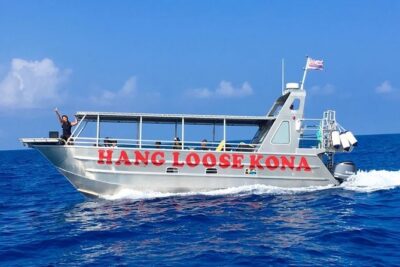 ★ 5.0Whale Watching On The Big IslandFrom $98573 reviews
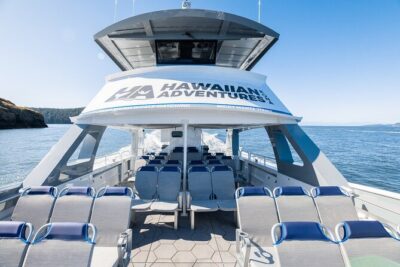 ★ 5.0Pelagic Whale Watch TourFrom $129557 reviews
 ★ 5.0Zodiac Raft Whale Watching AdventureFrom $113456 reviews
 ★ 4.7Kailua-Kona: Whale Watching Cruise on the Big IslandFrom $115273 reviews
 ★ 4.5Whale Watch Excursion from the Big IslandFrom $151263 reviews
 ★ 5.0Wake Up With the Whales Cruise on SeasmokeFrom $125159 reviews
 ★ 5.0Whale Watching Tour – Big Island, HawaiiFrom $99148 reviews
 ★ 4.5Waikoloa Deluxe Whale WatchFrom $129124 reviews
Browse the lists this tour appears in