
Reviewed · MANTA RAY NIGHT SNORKELS
Manta Ray Night Snorkel at Kona, Big Island
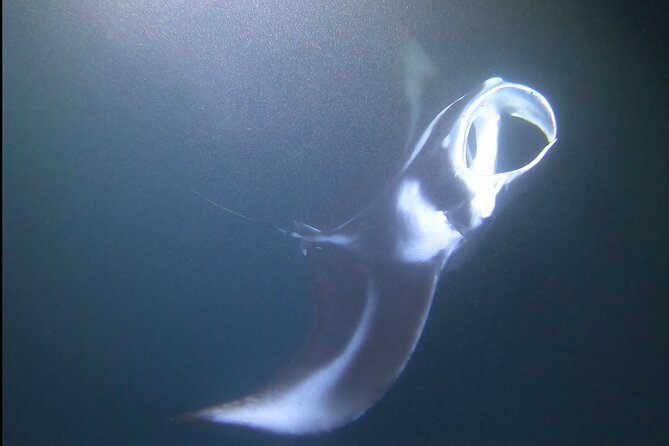
After dark, Kona turns into a manta-ray movie scene. This night snorkel is built for people who want to see manta rays feeding up close, and the guides focus on safety and calm instructions so first-timers can manage the dark water. The main catch: you need to be ready for possible seasickness, especially once you’re out in open water.
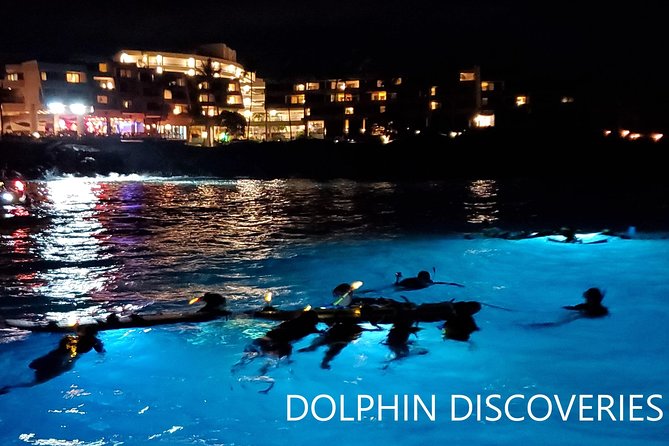
You’ll start at Dolphin Discoveries in Kailua-Kona, get your gear (short-sleeve wetsuit top, mask, snorkel), then head out to the manta feeding area in Keauhou Bay for about 30 minutes in the water. It’s also not a casual float—swimming and treading water are required, and you’ll climb back aboard via a metal ladder.
In This Review
- Key Points Before You Go
- Why Keauhou Bay Looks Different After Dark
- What the $44 Ticket Really Buys You (And What It Doesn’t)
- Check-In to Departure: Don’t Miss the 1-Hour Gap
- On the Boat and in the Water: How the Snorkel Actually Works
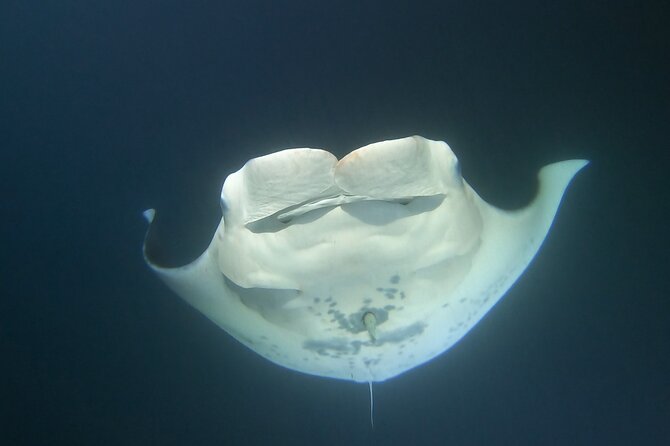
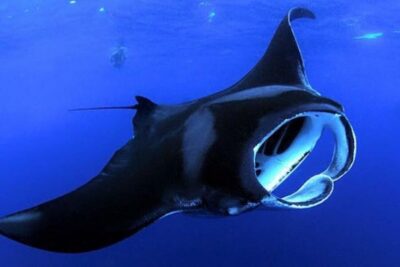
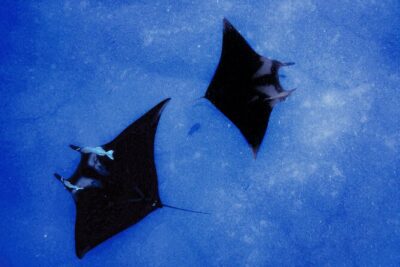
- Meeting a Wild Manta Ray: What to Watch for
- When the Water Gets Rough: Seasickness and Other Real-World Tips
- Who Should Book This, and Who Should Skip It
- How to Plan Your Night So You Enjoy It
- Should You Book the Manta Ray Night Snorkel at Kona?
- FAQ
- Is swimming required for the manta ray snorkel?
- What gear is included, and can I bring my own fins?
- How long will I be in the water?
- Are there age and weight limits?
- What if I don’t get to see manta rays?
- What happens if the tour is canceled due to weather?
Key Points Before You Go
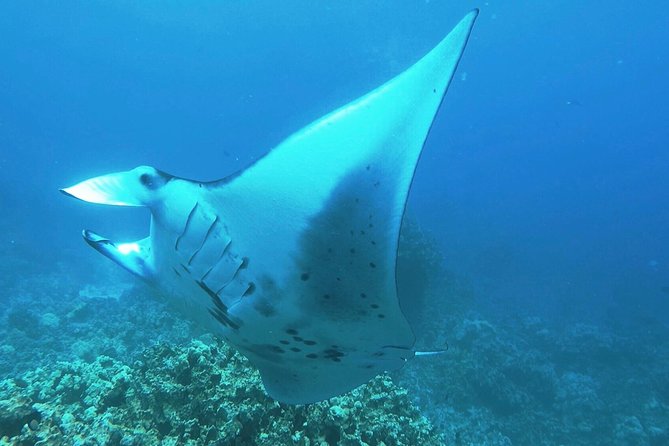
- Keauhou Bay after dark: manta rays feed at night, with snorkeling centered on where they’re active
- Snorkelers get the close-up view: ride-alongs stay on the boat and may not see manta rays
- Gear is included, but no fins: you’ll hold onto a lighted board and use your arms
- Plan around the timing: check-in is not departure, and you’ll spend less time in the water than you might hope
- Safety rules are real: open-ocean, deep/dark water, and a ladder back to the boat
- No refund if mantas don’t show: it’s wild ocean wildlife viewing, not a guaranteed show
Another night out over the Kona mantas
- Big Island Manta Ray Night Snorkel★ 5.0 · 5,656 reviews
- Big Island: Kona Manta Ray Snorkel Tour in Keauhou Harbor★ 4.5 · 2,465 reviews
- KONA Manta Ray Night Snorkel – FREE re-ride if no Sightings★ 5.0 · 2,212 reviews
- Manta Ray Night Snorkel at Kona, Big Island★ 5.0 · 1,758 reviews
Why Keauhou Bay Looks Different After Dark
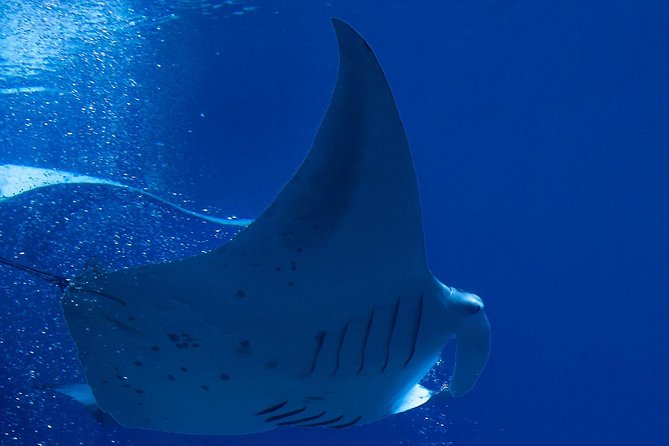
There’s something special about manta rays in their feeding mood. During the day they’re hard to read—fast, wide-ranging, and sometimes just a shadow under the surface. At night in Keauhou Bay, the action shifts. You’re not chasing them across open water; you’re snorkeling close to where they come in to feed, guided by what the crew is seeing in real time.
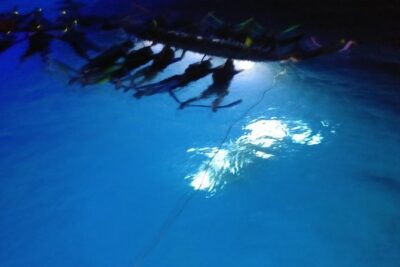
This is also one of those tours where the night matters as much as the animals. The “night snorkel” format means you’ll be underwater in dark conditions with a lighted focus point (you’ll hold onto a board with light, and you’ll swim short distances from there). If you’re the kind of person who loves marine life details—how they glide, how they move together, how they look when they’re close—you’re in the right place.
What the $44 Ticket Really Buys You (And What It Doesn’t)
At $44 per person, this tour is priced like an in-demand wildlife activity, but it stays reasonable because most of the “getting ready” cost is handled for you.
Included:
- Manta Ray Night Snorkel (or Ride Along if you selected that option)
- Short-sleeve wetsuit top, plus mask and snorkel
- Snorkeling vest for children 12 and under (and a snorkel vest rental option for others)
- A crew-led experience that gets you into the water for a focused time window
Not included:
- Towels
- Hotel pickup/drop-off
- Transportation
- Anything “private” (it’s group-based with a max of 28 people)
One important value point: the company is giving you a safe way into a tricky environment—open ocean at night—without charging extra for the basics. But you’re still responsible for showing up prepared, especially for swimming, cold-water comfort, and seasickness.
Check-In to Departure: Don’t Miss the 1-Hour Gap
Here’s the part that trips people up. The time you’re given is the check-in time, not departure. Departure is about 1 hour later, and the departure location is 1.4 miles from check-in.
What I’d do to make this smooth:
- Arrive no later than your scheduled check-in time.
- Don’t show up too early—there’s gear and prep work happening, and you don’t want to disrupt it.
- Plan for a short walk and some movement around the meeting area and parking. One person noted the walk from side-street parking to the boat ramp is real, even if it’s not far.
Also note the “be ready” detail: at the departure location, you need to be there 20 minutes before departure. That window matters because you’ll be outfitted with your equipment and reviewed for safety before you head out.
On the Boat and in the Water: How the Snorkel Actually Works
This is not a sit-and-watch tour unless you choose the ride-along option.
If you’re doing the snorkel:
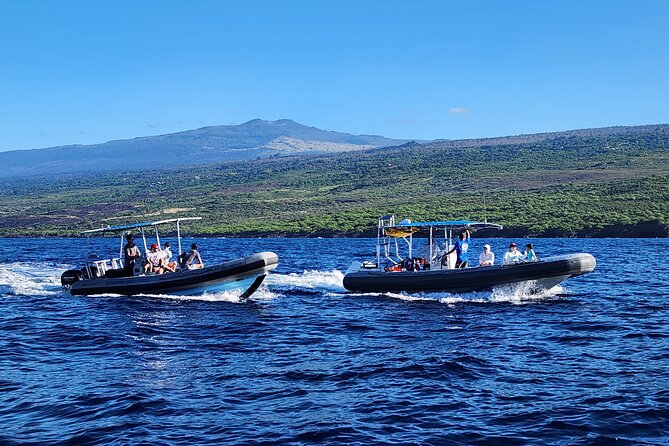
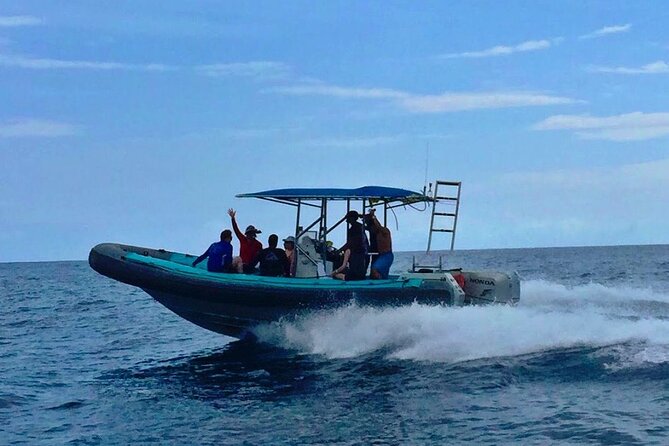
- You’ll board a boat that carries you to the manta feeding zone.
- Then you’ll get into the water from a pontoon, and you’ll swim short distances from the group’s lighted setup.
- You’ll spend about 30 minutes in the water (some days feel longer and some feel shorter depending on conditions and how quickly everyone stays together).
You don’t use fins. The no-fins rule changes the feel of the snorkel: you’ll rely more on your comfort with swimming and on your upper-body control while holding onto the lighted board.
Practical things you should know:
- You must be able to climb a metal ladder to get back onto the boat.
- There’s no restroom on the boat.
- Ocean conditions can make this more strenuous than it sounds on paper. It’s generally moderate, but it can turn into work if the water is rough.
More Big Island tours we have been out and rated

Meeting a Wild Manta Ray: What to Watch for
Manta rays are wild animals. That’s not just a legal line—it affects your expectations. The tour is designed around manta feeding in Keauhou Bay, so you’re in the right place and the crew is doing its job. But the ocean decides the final script.
What you can reasonably hope for:
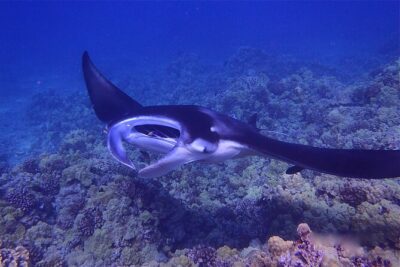
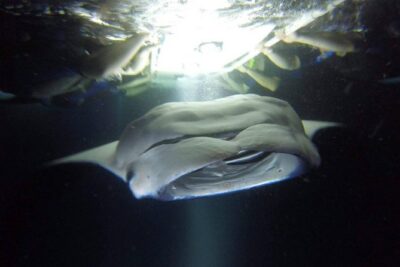
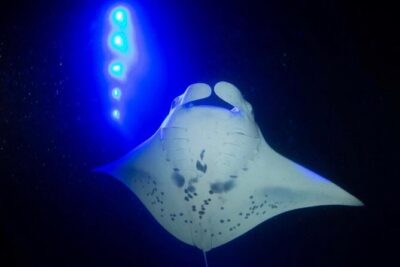
- Multiple passes close to you, sometimes at striking proximity.
- Calm, graceful movement under the water when they come through the feeding area.
- A guided explanation that helps you “read” what you’re seeing, rather than just staring at the biggest animal nearby.
Guide styles seem to matter a lot here. In the stories I’m hearing patterns around names like Vinny, Brianna, and Bryce, with people saying they keep first-timers calm and in control. Even if English isn’t your native language, you’ll want to understand safety directions well—this activity is structured around following the crew’s timing and body positioning.
And one more reality check: if you get anxious about being in dark, deep water, this is exactly the moment you need to listen and slow your breathing. The more you fight the water, the more tiring it gets.
When the Water Gets Rough: Seasickness and Other Real-World Tips
If you only remember one thing from people’s experiences, remember this: seasickness happens. More than one person described feeling sick on the boat and while snorkeling, and a few mentioned vomiting.
So I recommend you treat this like a boat-and-conditions day, even if the forecast looks nice.
- Consider bringing motion-sickness medication and using it correctly before you board.
- Bring a change of clothes. You may need it for comfort after you get back out.
- Plan to keep your expectations flexible. If the ocean is rolling, your experience can shift from smooth and floaty to more work.
You can also reduce stress by mentally prepping for the sensation of night snorkeling: the darkness, the soundscape, the movement of the boat, and the fact that you’re in a shared water zone with other snorkelers.
Who Should Book This, and Who Should Skip It
This tour fits best if you’re:
- A swimmer who can tread water
- Comfortable with deep and dark ocean conditions
- At least 6 years old (and no older than 70)
- Able to fit within the weight limit of 285 lbs
- Willing to follow safety instructions immediately
It’s also a poor fit if you:
- Have neck or back problems
- Have major medical conditions or a heart condition
- Are afraid of dark water, deep water, or large animals
- Struggle with listening and obeying safety directions in English
- Can’t handle the idea of climbing back via ladder
There’s a humane safety approach for kids: if young children are frightened and crying, they’ll be escorted back aboard with a guardian. No exception.
It also helps to know the group dynamic. Since the max is 28 people, you can end up near someone who’s louder or less respectful. If you’re sensitive to chaos, try to get your head in the right place: this works best when people stay calm and let the manta rays do their feeding.
How to Plan Your Night So You Enjoy It
Think of this as an event that needs a little prep, not a last-minute add-on.
Gear and comfort:
- You’ll get a short-sleeve wetsuit top, plus snorkel mask and snorkel.
- Towels are not included, so bring your own if you need it after.
- No fins are allowed, so wear swimwear that lets you move comfortably.
Health and safety:
- Be honest about ability. You must be physically and mentally capable of listening to and obeying safety instructions.
- Restrooms are not available on the boat, so handle that before you leave the shop area.
Communication:
- You’ll want to opt in to emails and text messages the operator sends, because important trip info may be shared as conditions change.
Should You Book the Manta Ray Night Snorkel at Kona?
I think you should book it if you want a true wildlife-by-the-water experience and you’re comfortable swimming at night in open ocean conditions. For $44, the value is strong because you get real guidance, wetsuit-top support, and the opportunity to see manta rays close enough that their size feels unreal.
I’d hesitate if any of the following are true:
- You know you get sick on boats.
- You’re not confident swimming and treading water.
- Dark water and big animals make you panic.
- You have neck/back issues or major medical constraints.
One last decision-maker: this is not a guaranteed manta encounter in the sense of a ticketed show. If mantas don’t appear during your specific tour night, the policy is no refund. That said, the format is built for the best odds by timing and location.
FAQ
Is swimming required for the manta ray snorkel?
Yes. Swimming is required, and you must also be able to tread water. Snorkeling experience is required.
What gear is included, and can I bring my own fins?
The tour includes snorkeling equipment like a short-sleeve wetsuit top, mask, and snorkel. No fins are allowed.
How long will I be in the water?
You should plan on about 30 minutes of in-water time.
Are there age and weight limits?
Yes. The minimum age is 6 and the maximum age is 70. The maximum weight is 285 lbs.
What if I don’t get to see manta rays?
Since this is a wild excursion, there are no refunds if manta rays are not viewed on your tour night.
What happens if the tour is canceled due to weather?
The experience requires good weather. If it’s canceled due to poor weather, you’ll be offered a different date or a full refund.
More Evening Experiences in Big Island of Hawaii
- Big Island Manta Ray Night Snorkel
★ 5.0 · 5,656 reviews - KONA Manta Ray Night Snorkel – FREE re-ride if no Sightings
★ 5.0 · 2,212 reviews - Big Island GOAT Experience: Mauna Kea Summit, Sunset & Stars
★ 5.0 · 1,706 reviews - Big Island: Mauna Kea Summit Tour with Free Night Star Photo
★ 5.0 · 1,449 reviews - Glow of the Deep: Night Snorkeling with Manta Rays
★ 4.5 · 1,254 reviews - Manta Magic: Small-Group Manta Ray Night Snorkel in Kailua Kona
★ 5.0 · 1,141 reviews
More Tour Reviews in Big Island of Hawaii
- Big Island in a Day: Volcanoes Waterfalls Sightseeing and History
★ 5.0 · 6,569 reviews - Big Island Manta Ray Night Snorkel
★ 5.0 · 5,656 reviews - Big Island: Kona Manta Ray Snorkel Tour in Keauhou Harbor
★ 4.5 · 2,465 reviews - Hilo Shore Excursion: Volcanoes National Park & Black Sand Beach
★ 4.5 · 2,338 reviews - Big Island: Captain Cook Snorkel On A Power Catamaran With Lunch
★ 5.0 · 2,232 reviews - KONA Manta Ray Night Snorkel – FREE re-ride if no Sightings
★ 5.0 · 2,212 reviews
More Nights With the Kona Mantas
- Big Island Manta Ray Night Snorkel
★ 5.0 · 5,656 reviews - Big Island: Kona Manta Ray Snorkel Tour in Keauhou Harbor
★ 4.5 · 2,465 reviews - KONA Manta Ray Night Snorkel – FREE re-ride if no Sightings
★ 5.0 · 2,212 reviews - Glow of the Deep: Night Snorkeling with Manta Rays
★ 4.5 · 1,254 reviews - Manta Magic: Small-Group Manta Ray Night Snorkel in Kailua Kona
★ 5.0 · 1,141 reviews - Sunset and Manta Ray Snorkel Adventure
★ 5.0 · 843 reviews
Just Added: The Newest Big Island Reviews

Manta Ray Night Snorkels, compared.
 ★ 5.0Big Island Manta Ray Night SnorkelFrom $845,656 reviews
 ★ 4.5Kona Manta Ray Snorkel Tour in Keauhou HarborFrom $252,465 reviews
 ★ 5.0KONA Manta Ray Night Snorkel – FREE re-ride if no SightingsFrom $492,212 reviews
 ★ 4.5Glow of the Deep: Night Snorkeling with Manta RaysFrom $801,254 reviews
 ★ 4.8Kailua Kona: Night Manta Ray Adventure on the Big IslandFrom $1211,199 reviews
 ★ 5.0Manta Magic: Small-Group Manta Ray Night Snorkel in Kailua KonaFrom $1451,141 reviews
 ★ 5.0Sunset and Manta Ray Snorkel AdventureFrom $154843 reviews
 ★ 5.0Manta Ray Night Snorkel in KonaFrom $125777 reviews
Browse the lists this tour appears in