
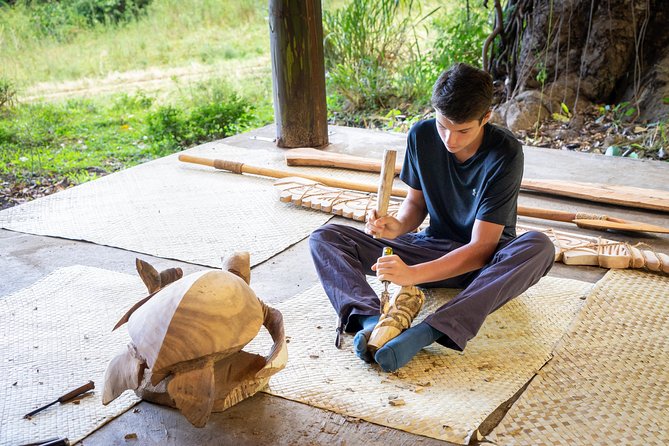
Reviewed · HAWAIIAN CRAFT & CULTURE WORKSHOPS
Polynesian Cultural Carving Experience in Kona
Want a souvenir with real meaning? In Kona, a hands-on tiki workshop with master carver Mani turns a short sit-down lesson into a keepsake you can actually make. It’s a cultural carving experience that feels personal, not staged.
I also like that you’re working with locally grown Big Island wood in a small setting. With up to eight people, you get real attention while you learn the tradition behind the design, and you can choose a morning or afternoon slot to fit your day.
One thing to plan for: the entrance can be tricky to find, and it can be warm while you work. Bring extra water if you’re the type who runs hot, and give yourself a little time to locate the meeting area.
In This Review
- Key things to know before you carve a tiki in Kona
- Where this Kona workshop happens (and why the setting matters)
- Meeting Mani: a master carver from Tonga, in a small-group workshop
- Tools and wood: what you actually do during the two hours
- Your take-home tiki: weight, packing, and the real-world souvenir test
- Price and value: does $242.40 make sense for a tiki carving in Kona?
- Timing, weather, and finding the place on Mamalahoa Hwy
- Who this Kona carving workshop suits best
- Should you book this Polynesian tiki carving in Kona?
- FAQ
- How long is the Polynesian Cultural Carving Experience in Kona?
- What’s included in the workshop?
- How many people are in the group?
- Who teaches the carving workshop?
- Where does the experience start?
- What if the weather isn’t good?
Key things to know before you carve a tiki in Kona
- Mani teaches up close: this is guided by a 4th-generation master carver from Tonga (with Mani’s name showing up again and again in feedback).
- You take home what you make: each person carves a tiki you’ll keep as a long-term reminder.
- Big Island wood matters: the workshop uses top-quality wood grown on the island.
- Small group pace: maximum group size is eight, so the instruction stays focused.
- Choose your symbol for the top: you pick the meaning/symbol, and he carves it for you.
- The tiki weighs about 7 pounds: plan luggage weight accordingly and expect possible extra screening.
More hands-on Hawaiian craft and culture
- Polynesian Cultural ATV Tour in Kona★ 5.0 · 627 reviews
- Fun and Creative Stained Glass Class and Workshop★ 5.0 · 120 reviews
- Hands-On Hawaiian Imu Cooking and Cultural Dining Experience★ 5.0 · 95 reviews
- Polynesian Cultural Carving Experience in Kona★ 5.0 · 82 reviews
Where this Kona workshop happens (and why the setting matters)
This experience starts in Holualoa at 77-6261 Mamalahoa Hwy, at Aloha Adventure Farms. The setting is part of the appeal, with people describing stunning scenery and views toward the Pacific, so you’re not just sitting in a studio. It’s the kind of location where the workshop feels like a break from the usual rush of Big Island sightseeing.
The practical side: the meeting point is near public transportation, and the experience uses a mobile ticket approach. Still, one recurring note is that the entrance can be hard to spot, so don’t schedule this at the end of a frantic day. If you’re doing it as a “one thing we must fit in” stop, build in a buffer and arrive a little early.
One more helpful thing: you may be asked to complete a waiver in advance online. If you do that ahead of time, the first minutes go smoother—no scrambling while tools and wood are waiting.
Meeting Mani: a master carver from Tonga, in a small-group workshop
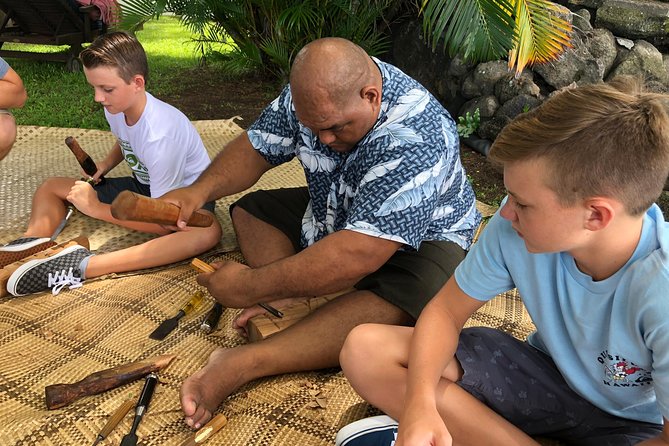
The core of the experience is the person leading it: a highly sought-after 4th generation Master Carver direct from Tonga, and in the real-world details, that teacher is often identified as Mani. That matters, because you’re not just learning how to shape wood—you’re learning the why behind the tiki and the traditions connected to it.
In a small group (up to eight), you also get the kind of pacing that’s hard to find in larger classes. The tone from the feedback is consistent: Mani is patient, and he helps people get to a good result even if you don’t consider yourself “crafty.” That’s a big deal. Wood carving is one of those activities where beginners can feel awkward fast—unless the instruction is steady and direct.
You’ll likely spend time listening to stories about culture and his upbringing, and then you’ll shift into hands-on work. The best part is that both parts land together: the meaning of the tiki doesn’t float in the background. It shows up while you’re carving.
Tools and wood: what you actually do during the two hours
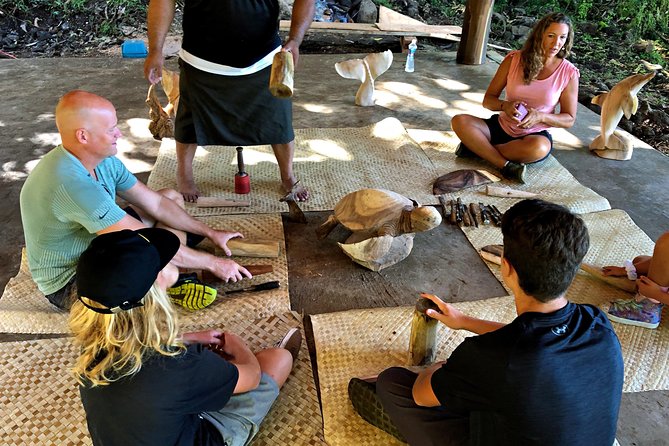
This isn’t a “watch and applaud” tour. Tools and wood are included, so you’re free to focus on doing the work rather than figuring out gear. The experience runs about two hours, which is long enough to get into a real rhythm, but short enough that it doesn’t turn into your whole day.
Here’s what you can expect from the flow of the workshop, in plain terms:
1) You get oriented and start carving your own tiki.
2) Mani guides technique and direction as you work.
3) You shape and finish your carving with help as needed.
4) You leave with a take-home keepsake.
What makes this valuable is that you’re not only copying a sample. You make choices. For example, multiple people note that everyone gets to choose the symbol for the top, and Mani carves that symbol for you. That gives the tiki a personal layer beyond “everyone made the same souvenir.”
Also, feedback repeatedly mentions that he checks in, adjusts, and fixes small issues so your carving doesn’t stall halfway. So if your hands are more used to grabbing snacks than tools, you’re still in the right place. The workshop is built around getting results.
One small consideration: the tour is listed with a moderate physical fitness level. That doesn’t mean you need to train for it, but you should expect standing and using your hands while carving. Plan for heat if you pick the earlier or later slot.
Your take-home tiki: weight, packing, and the real-world souvenir test
This is a point you’ll want to think about before you book, because it affects travel logistics. Several reviews mention that the pieces you bring home can weigh around 7 pounds each. That’s not heavy like a boulder, but it is heavy enough to matter for airline baggage decisions and for how you load your suitcase.
Then there’s the screening angle. At least one review describes TSA unpacking tiki carvings in carry-on luggage for agricultural scanning. You can’t control screening, but you can control prep. If you’re flying home, consider keeping the tiki accessible, so if it gets pulled aside, you’re not panicking through your whole bag. And don’t be surprised if you get extra attention—wood products can trigger curiosity.
One more practical tip from how the workshop is described: do plan time at home to treat your tiki as a real object, not a fragile decoration. Give it a spot where it won’t get bumped, and handle it with care while you pack.
The upside of all this weight and hassle is simple: you’re taking something you created. People consistently call the tiki a treasured keepsake because it carries both personal effort and cultural meaning.




Price and value: does $242.40 make sense for a tiki carving in Kona?
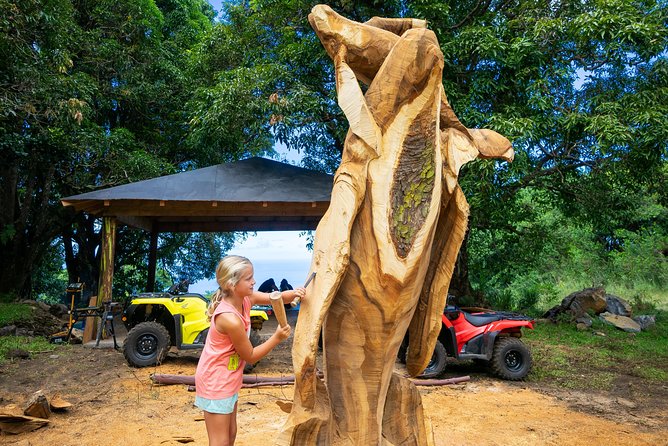
At $242.40 per person, you’re paying for more than a craft session. You’re paying for three things that are rare to get together:
- Instruction from a master carver from Tonga (Mani)
- Included tools and top-quality wood
- A small group setting that supports you getting an end result
Two hours sounds short, but wood carving isn’t “fast” work once you’re learning technique. The class size matters here. With up to eight participants, you’re less likely to be stuck doing guesswork while the instructor focuses on someone else.
You can also think about the alternative. Buying a carved tiki in a shop might be easier, but it won’t have the same personal meaning. Here, you pick the symbol and carve the object yourself, and you leave with a piece tied to the aloha message you’re given during the workshop.
So, is it good value? For people who want a hands-on, cultural, take-home activity that’s not a mass production, this looks like strong value. If you already have a lot of pricey tours lined up, it may feel like a splurge—but the included wood and tools plus the master carver instruction are doing real work in the “worth it” equation.
Timing, weather, and finding the place on Mamalahoa Hwy
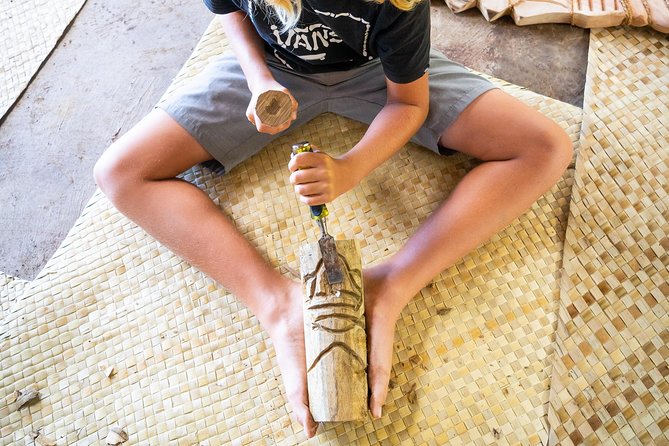
The workshop includes a start time listed as 10:00 am, and you can choose a morning or afternoon tour option. That flexibility helps on Kona days, since you can place it around beach time, hikes, or another activity.
Weather matters. This experience requires good weather, and if it’s canceled due to poor weather, you’ll be offered a different date or a full refund. Kona can change quickly, so plan for variability rather than assuming you’ll always get perfect conditions.
As for getting there: the address is specific (77-6261 Mamalahoa Hwy, Holualoa), but the entrance can be hard to find. If you’re using navigation, double-check you’re getting the correct driveway and don’t count on the last-minute “we’ll figure it out” approach.
Who this Kona carving workshop suits best
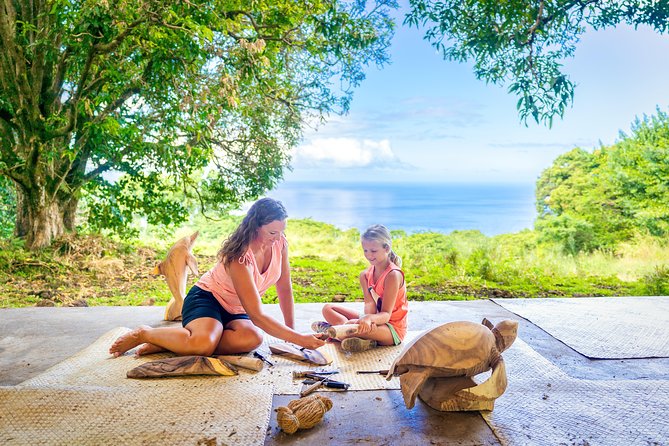
This is well-suited for just about anyone who wants a hands-on cultural activity, not only for people who already love crafts. Feedback highlights that kids and adults can do it, including families with children around early teen ages, with Mani described as patient and supportive.
It’s also a great fit for:
- Couples who want one “we made it together” activity
- Solo travelers who want conversation and focused guidance in a small group
- Families who want a meaningful souvenir that doesn’t feel like a generic store purchase
One more reason couples and families like it: it’s not just time at a table. People describe a peaceful environment and scenic surroundings, so it feels like a small Kona reset, not a rushed stop.
If you’re trying to cram in a lot of Big Island boxes, carve workshops can be a nice change of pace. Your brain shifts from “what do we see next?” to “what are we making right now?”
Should you book this Polynesian tiki carving in Kona?
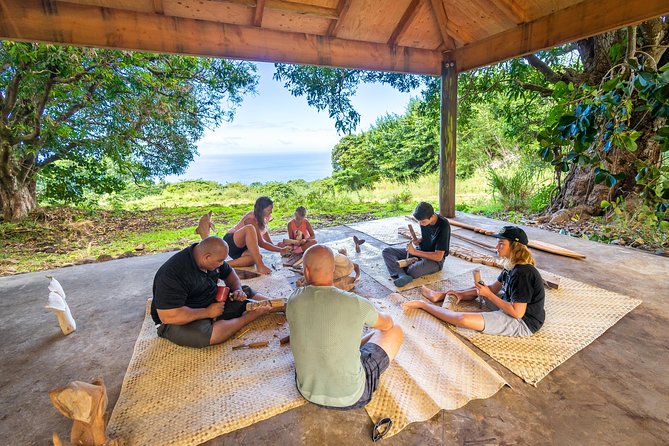
If you want a small-group, hands-on cultural experience that ends with a personal keepsake, I think this is a strong yes. The fact that the instruction is led by a master carver from Tonga (Mani), with tools and wood included, makes the learning part feel real—not like a quick demo.
I’d also book if you’re traveling with family or friends and you want everyone to leave with something unique, especially since the symbol choice for the tiki top is part of the process.
I’d hesitate only if you’re trying to keep luggage super light or you dislike wood-based souvenirs because of the ~7-pound weight and possible extra airport screening. If that’s you, plan your packing strategy early.
If you’re on the fence: make it one of your anchor experiences. Two hours in a peaceful Holualoa setting, learning from Mani, and taking home a tiki you made with your own hands is the kind of memory that lasts.
FAQ
How long is the Polynesian Cultural Carving Experience in Kona?
The experience runs for about 2 hours.
What’s included in the workshop?
Tools and wood to carve your tiki are included.
How many people are in the group?
The experience is limited to a maximum of 8 travelers.
Who teaches the carving workshop?
It’s led by a 4th generation Master Carver direct from Tonga, identified in reviews as Mani.
Where does the experience start?
The meeting point is 77-6261 Mamalahoa Hwy, Holualoa, HI 96725, USA, and it ends back at the meeting point.
What if the weather isn’t good?
The experience requires good weather. If it’s canceled due to poor weather, you’ll be offered a different date or a full refund.
More Tour Reviews in Big Island of Hawaii
- Big Island in a Day: Volcanoes Waterfalls Sightseeing and History
★ 5.0 · 6,569 reviews - Big Island Manta Ray Night Snorkel
★ 5.0 · 5,656 reviews - Big Island: Kona Manta Ray Snorkel Tour in Keauhou Harbor
★ 4.5 · 2,465 reviews - Hilo Shore Excursion: Volcanoes National Park & Black Sand Beach
★ 4.5 · 2,338 reviews - Big Island: Captain Cook Snorkel On A Power Catamaran With Lunch
★ 5.0 · 2,232 reviews - KONA Manta Ray Night Snorkel – FREE re-ride if no Sightings
★ 5.0 · 2,212 reviews
Hawaiian Craft and Culture
- Polynesian Cultural ATV Tour in Kona
★ 5.0 · 627 reviews - Fun and Creative Stained Glass Class and Workshop
★ 5.0 · 120 reviews - Hands-On Hawaiian Imu Cooking and Cultural Dining Experience
★ 5.0 · 95 reviews - Creative Soul Scavenger Hunt( Kona Big island Hawaii)
★ 4.5 · 20 reviews - 3-Hour Cup N Canvas Painting Party
★ 5.0 · 4 reviews - Hawaiian Floral Crown Weaving in Hilo
★ 5.0 · 3 reviews
Just Added: The Newest Big Island Reviews




Hawaiian Craft & Culture Workshops, compared.
 ★ 5.0Polynesian Cultural ATV Tour in KonaFrom $187627 reviews
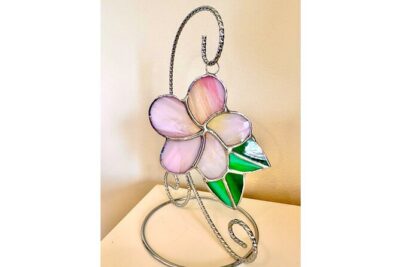 ★ 5.0Fun and Creative Stained Glass Class and WorkshopFrom $125120 reviews
 ★ 4.9Holualoa: Polynesian Culture ATV TourFrom $219106 reviews
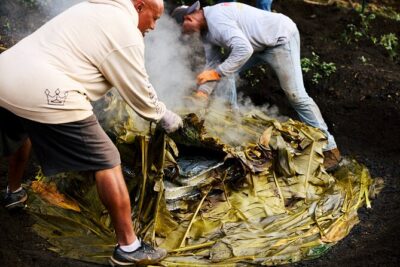 ★ 5.0Hands-On Hawaiian Imu Cooking and Cultural Dining ExperienceFrom $15095 reviews
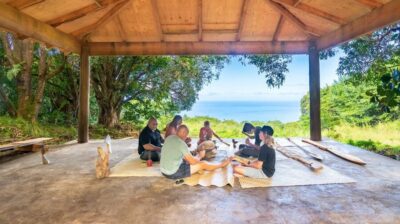 ★ 4.9Tiki Carving WorkshopFrom $21938 reviews
 ★ 4.5Creative Soul Scavenger Hunt( Kona Big island Hawaii)From $3520 reviews
★ 5.0Fun and Creative Stained Glass Class and WorkshopFrom $1254 reviews
★ 4.5Creative Soul Scavenger Hunt( Kona Big island Hawaii)From $3520 reviews
★ 5.0Fun and Creative Stained Glass Class and WorkshopFrom $1254 reviews
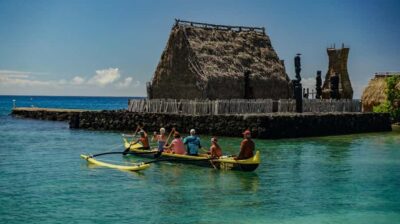 ★ 5.0Kealakekua Bay: Outrigger Canoe Ride with Cultural InsightsFrom $724 reviews
Browse the lists this tour appears in