
Reviewed · MANTA RAY NIGHT SNORKELS
Manta Ray Night Snorkel Tour in Kailua-Kona, Big Island
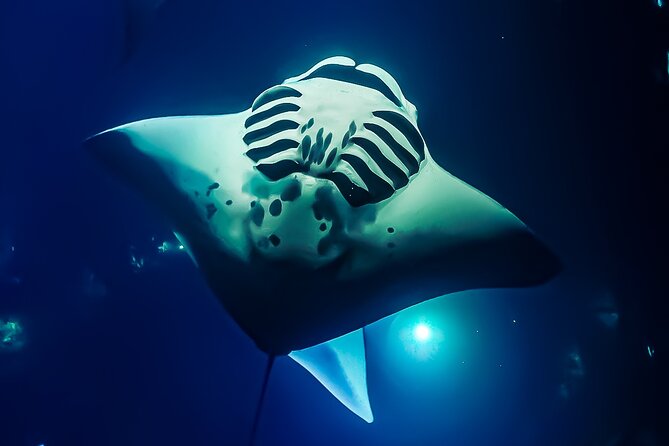
That first splash hits your brain like wow. This Kona night snorkel lets you watch manta rays feeding under lights that lure in plankton.
I especially love how easy it is to get started (the meeting point is straightforward, and you’re handed your snorkeling gear when you check in). I also like the vibe in the water: lifeguard-certified guidance and a calm setup mean you’re not thrown to the wolves. The one drawback to plan for is that you’ll likely feel chilly water and water time needs real swimming comfort, since you jump in from the boat and swim out to the platforms.
After about 45 minutes in the ocean, you warm up with hot cocoa, tea, and snacks, then you’re done and the rest of the evening is yours. The boat ride from Honokohau Harbor to Manta Heaven also gives you a pretty sweet stargazing cruise back.
In This Review
- Key highlights worth knowing
- Manta Ray Heaven: what makes this night snorkel feel special
- Honokohau Harbor to the platform: your ride, your timing, your comfort
- Stop 1: Garden Eel Cove / Manta Heaven, where the lights do the work
- Stop 2: Kailua-Kona, a cruise that doubles as your “settle in” phase
- Stop 3: the Island of Hawaii and the “watch the sky” return
- Gear, wetsuits, and those platform details that can make or break comfort
- Who this tour suits best (and who should think twice)
- Value for $125: why the package feels fair
- Weather, ocean conditions, and managing expectations on manta nights
- Quick checklist before you go
- Should you book Iruka Hawaii’s Manta Ray Night Snorkel?
- FAQ
- How long is the Manta Ray Night Snorkel tour?
- Where does the tour depart from?
- Is snorkeling equipment included?
- Do I need a wetsuit?
- How long will I be in the water?
- Is the tour okay for beginners?
- Can I bring food, drinks, or alcohol?
- What should I do if I get motion sickness?
- Is there a chance to see whales?
- Is there a bathroom on the boat?
Key highlights worth knowing
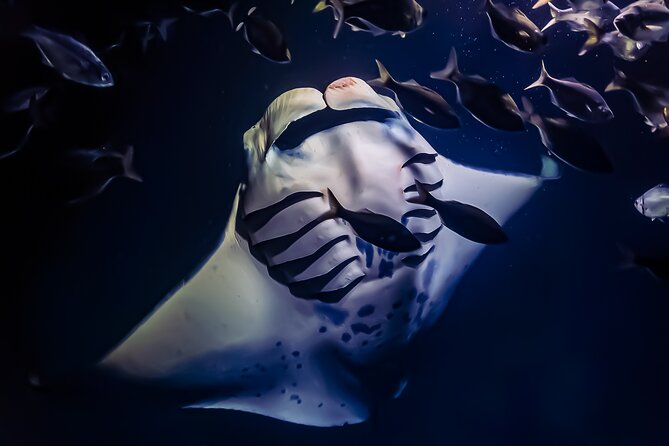
- Lighted “campfires” bring plankton right into manta feeding territory
- Beginner-friendly structure, but you still need comfortable swimming skills
- Speedboat ride from Honokohau Harbor keeps things moving (and the sky gets better fast)
- Provided snorkeling gear plus optional wetsuits helps you stay comfortable
- Free GoPro photos from the crew add a nice souvenir layer
- Small-group feel with a max of 30 travelers
Another night out over the Kona mantas
- Big Island Manta Ray Night Snorkel★ 5.0 · 5,656 reviews
- Big Island: Kona Manta Ray Snorkel Tour in Keauhou Harbor★ 4.5 · 2,465 reviews
- KONA Manta Ray Night Snorkel – FREE re-ride if no Sightings★ 5.0 · 2,212 reviews
- Manta Ray Night Snorkel at Kona, Big Island★ 5.0 · 1,758 reviews
Manta Ray Heaven: what makes this night snorkel feel special
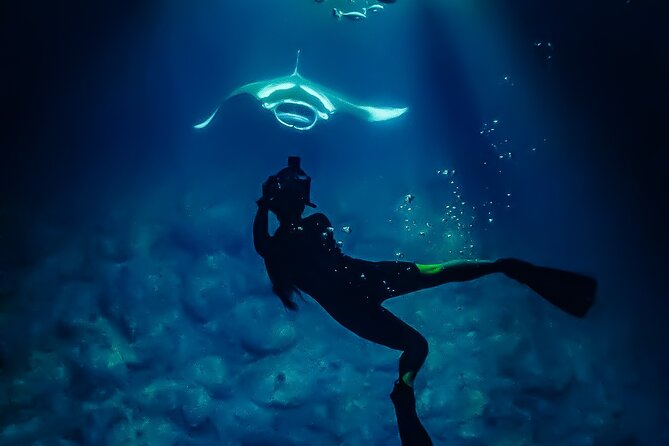
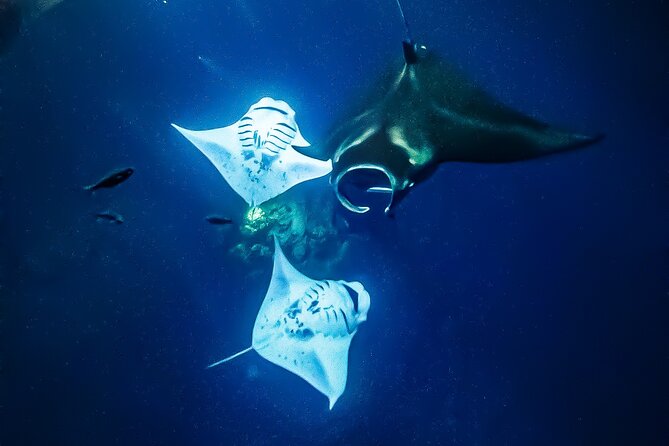
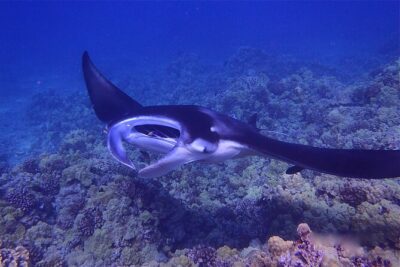
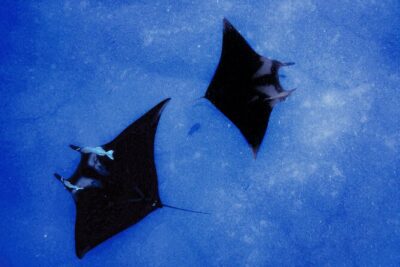
If you’ve ever seen manta rays in videos, you already know they look graceful. What you don’t get from a screen is the scale and the motion. Up close at night, mantas feel like slow planets drifting through the water column, then rolling as they feed. It’s gentle, not scary—if you’re set up right.
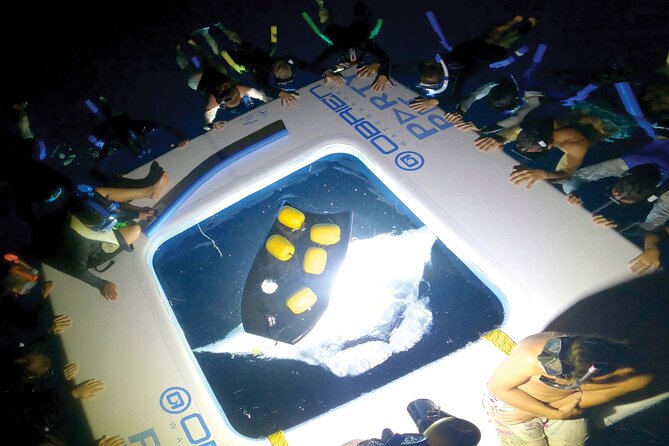
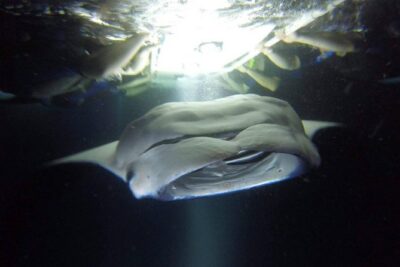
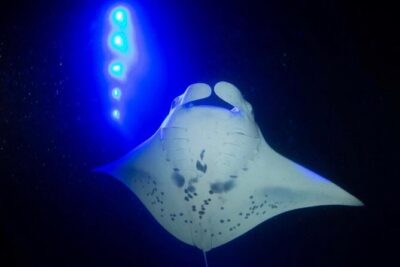
This tour centers on a site only accessible by boat, with submerged lights that act like feeding signals. The tour calls them campfires. Practically, that means the water becomes a controlled viewing area where plankton concentrates, and the mantas come in to feed. You’re not just hoping for luck; you’re joining a setup that increases your odds.
You also get a mix of night snorkeling plus a relaxed cruise. It’s not a long all-night event. You’re in the water for roughly 45 minutes, then you get hot cocoa, tea, and snacks while the boat cruises back under the stars.
Honokohau Harbor to the platform: your ride, your timing, your comfort
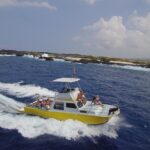
You meet at Iruka Hawai‘i Dolphin and Manta Tours at 74-380 Kealakehe Pkwy in Kailua-Kona. The tour departs from Honokohau Harbor on a speedboat (listed as KIBOU). From there, you cruise along the Kona coast toward your manta-ray zone.
Why this matters: speedboats keep the whole experience tight and efficient. You’re not sitting around waiting for darkness to decide to show up. You’re also positioned for good viewing because the guides can relocate if needed based on conditions.
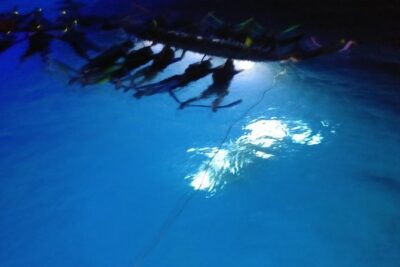
The schedule is built around sunset and then the darker “stars” portion. That’s when the lighted platform experience becomes really magical. You’ll float and watch mantas glide and roll below you—like the ocean turned into a nighttime aquarium.
Two comfort tips that show up again and again in the way people talk about this tour:
- Expect the water to feel cold once you’re floating. Wetsuit rentals are available ($10 for adults, $5 for children), and many people say it’s worth it.
- If you get motion sick, take precautions early. The tour advises taking motion sickness medication about an hour before departure.
One more practical item: there is no bathroom onboard reported by at least one guest, so plan accordingly before you board.
Stop 1: Garden Eel Cove / Manta Heaven, where the lights do the work
Your first stop is Garden Eel Cove / Manta Heaven. This is the heart of the tour, because it’s where you get the lighted platform snorkeling.
Here’s how the experience usually plays out in real terms:
- You gear up with the snorkeling equipment provided.
- You head into the water from the boat to reach the viewing platform area.
- The guides manage where you float so you can see the feeding zone.
- You watch for mantas as the lights attract plankton.
The guides emphasize safety, and the experience is described as calm and beginner-friendly. But I’d take the beginner label seriously in a specific way: you’re being coached, not abandoned. You still need to be comfortable with mask-and-snorkel basics and swimming out to the platform. One guest noted you jump into the water from the boat and swim to the platforms, so if you’re on the edge of your comfort zone, this is where you should be honest with yourself.
Also, keep expectations flexible. Mantas are wild animals. When the water cooperates, the show can be impressive. When it doesn’t, you may have to wait.
And yes—patience matters. Even on a great night, manta sightings aren’t always instant. Some people report waiting 15–20 minutes before seeing their first rays, then realizing it was worth it once they showed up.
Stop 2: Kailua-Kona, a cruise that doubles as your “settle in” phase
Stop 2 is Kailua-Kona. You won’t be doing a big land activity here. Think of this as part of the coastal cruising rhythm: you’re out at sea during peak evening conditions, and the boat ride gives you time to settle, get instructions, and enjoy the transition from sunset to fully dark skies.
If you’re traveling with kids, this cruise segment tends to matter because it’s calmer before the water time. One family reported spotting extra wildlife like dolphins on the way out. You can’t count on it every time, but it’s the kind of bonus you’ll appreciate when you get it.
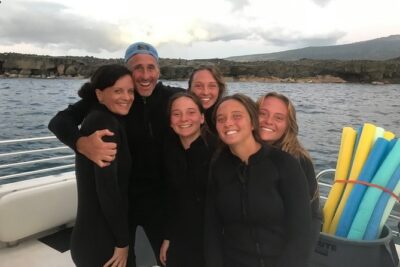
This is also where you’ll see why the guides’ approach matters. Many guests highlight how staff humor, showmanship, and clear instruction make you feel safe from start to finish. People name crew members like Trevor, Diego, Eric, Maddie, Nick, Mitch, Tamae, Tracy, and Mattie. That’s a good sign: you’re not just buying a manta sighting, you’re buying a crew that knows how to manage a night activity with mixed ages and swimming abilities.
More Big Island tours we have been out and rated

Stop 3: the Island of Hawaii and the “watch the sky” return
Stop 3 is listed as Island of Hawaii. Again, that’s more about the cruising route than a separate activity.
After your time in the water (around 45 minutes), you’ll get hot cocoa, tea, and snacks as the speedboat cruises back under the stars. If you’re the type who gets tired of constant structure, this is a nice payoff: you’re not stuck on a packed schedule the entire night.
There’s also seasonal wildlife timing to keep in mind. You can look for whales from November to March. Even if you don’t, the night sky portion is part of why this tour works. You’re pairing an animal encounter with an evening that feels genuinely different from a daytime snorkel.
Gear, wetsuits, and those platform details that can make or break comfort
The tour includes snorkeling equipment. That’s a big value move for you, because it removes one more logistics task while you’re on vacation. It also matters for hygiene and fit—gear you’ll use in cold water should be in decent condition, and many guests say the equipment was clean and workable.
Wetsuit rentals are available: $10 for adults, $5 for children. If you’re even slightly sensitive to cold, I’d plan to rent. More than one guest explicitly recommended the wetsuit for staying comfortable during the float time.
One thing to understand about the platform setup: you’re not just wading and floating in an open ocean swim lane. You’re in a guided viewing area with flotation options. That’s exactly why it can feel easy for beginners—the structure is there. But one outlier review criticized flotation equipment maintenance, describing issues with a flotation device in waves and crowded conditions. It’s not the majority of feedback, but it’s a reminder to come prepared: use the wetsuit if recommended, listen to the guide’s safety instructions, and speak up if something doesn’t feel secure.
Also, you’re allowed to bring food and drinks, and alcohol is allowed after snorkeling as long as you don’t use glass bottles. If you’re planning a more grown-up evening, this is one way to make it feel like part of your night out without taking away from the safety-first focus during snorkeling.
Who this tour suits best (and who should think twice)
This tour is family-friendly and open to all ages, with lifeguard-certified guides. That makes it a strong choice if you’re traveling with kids, extended family, or a mixed group where not everyone snorkels often.
It’s also ideal if you want a true “end-of-day wow” experience. You’re not hiking to an overlook for a view you’ve seen in photos. You’re watching mantas feed, right under a lighted platform.
Where you should think twice:
- If you struggle with swimming or you’re not comfortable with mask-and-snorkel basics. You’ll need enough comfort to swim out to the platform from the boat.
- If you get motion sickness easily and haven’t planned for it. Take the recommended medication about an hour before departure.
- If you’re the kind of person who needs a longer time in the water. The water time is about 45 minutes. One guest compared this to other manta tours with longer snorkel time and felt it was short. So if your priority is maximum minutes underwater, you might want to compare options.
If your goal is the manta-ray show plus a relaxed evening return, this tour matches that perfectly.
Value for $125: why the package feels fair
At $125 per person for roughly two hours, this isn’t a throwaway activity. But it also isn’t overpriced for what’s included.
Here’s what you’re paying for, in plain terms:
- Guides and a managed night environment at Manta Heaven (the whole “lights lure plankton” setup takes expertise)
- Speedboat transport from Honokohau Harbor to a boat-only site
- Snorkeling equipment included
- Hot cocoa, tea, and snacks on the way back
- Free GoPro photos from the crew, and some guests note footage can be sent at the end of the tour
Also, it’s a group tour with a max of 30 travelers, which helps keep costs down compared with private charters. Private manta ray charters are available, but you’re not required to go that route to get a high-quality, close-up experience.
My take: the price makes sense if you show up prepared—wetsuit if you run cold, motion sickness plan if you need it, and a mindset that sightings are wild-animal timing, not a guaranteed show every minute.
Weather, ocean conditions, and managing expectations on manta nights
This experience depends on good weather. If conditions are poor, the tour can be canceled and you’ll be offered a different date or a full refund.
Even when the tour runs, ocean conditions can affect how quickly you get sightings and how comfortable you feel. One guest described needing anti-nausea medication, renting a wetsuit, and recognizing that jumping in and swimming to platforms requires real comfort. So I’d treat the tour as beginner-friendly in structure, not beginner-zero-effort.
Most importantly: be patient. Mantas can show up quickly—or they can cruise past and you wait. When they do arrive, the spectacle tends to feel worth the wait because the lighted platform makes them easier to spot.
Quick checklist before you go
You’ll have snorkeling gear provided, but you still control comfort with a few choices:
- Consider renting the wetsuit if you get cold easily
- Take motion sickness medication about an hour before departure if you’re prone
- Bring food or drinks if you want
- If you plan to drink alcohol, save it for after snorkeling and skip glass
- Wear gear that dries fast and don’t count on changing clothes mid-tour
And if you’re going as a family or mixed-experience group, this tour is built for that. The guides handle safety and keep the experience moving, which reduces the “everyone is waiting for someone else” problem that can happen in bigger activities.
Should you book Iruka Hawaii’s Manta Ray Night Snorkel?
Book it if you want a real nighttime animal encounter in Kona that feels organized, safe, and fun from start to finish. The combination of lighted viewing (campfires), provided gear, and the warm snack return is a winning formula, especially for couples and families. I’d also say it’s a strong pick if you value crew energy—people specifically praise guides like Trevor and Diego for making them feel safe and getting people into the right mindset for watching.
Pass or at least compare options if you:
- can’t swim confidently or aren’t comfortable going from boat to platform,
- need bathroom facilities onboard,
- or you’re looking for much longer time in the water than about 45 minutes.
If you’re prepared and you can roll with the wild-animal timing, this is the kind of night you’ll remember long after your last manta ray photo is on your phone.
FAQ
How long is the Manta Ray Night Snorkel tour?
The tour lasts about 2 hours.
Where does the tour depart from?
It departs from Honokohau Harbor, and the meeting point is at Iruka Hawai‘i Dolphin and Manta Tours at 74-380 Kealakehe Pkwy, Kailua-Kona.
Is snorkeling equipment included?
Yes. Snorkeling equipment is provided.
Do I need a wetsuit?
Wetsuits are available for rent ($10/adult and $5/child). Whether you need one depends on how cold you run in the water, but rentals are offered.
How long will I be in the water?
The time in the water is around 45 minutes.
Is the tour okay for beginners?
The experience is described as calm and beginner-friendly, with lifeguard-certified guides helping all ages. You should still be comfortable swimming to the platform area.
Can I bring food, drinks, or alcohol?
You can bring food and drinks. Alcohol is allowed after snorkeling, but no glass bottles.
What should I do if I get motion sickness?
The tour recommends taking motion sickness medication about an hour before departure if you’re prone to motion sickness.
Is there a chance to see whales?
Yes. You can look for whales from November to March.
Is there a bathroom on the boat?
One review notes there is no bathroom onboard.
More Tours in Big Island of Hawaii
- Big Island: Kona Manta Ray Snorkel Tour in Keauhou Harbor
★ 4.5 · 2,465 reviews - Hilo Shore Excursion: Volcanoes National Park & Black Sand Beach
★ 4.5 · 2,338 reviews - Small Group Big Island Twilight Volcano and Stargazing Tour
★ 5.0 · 1,619 reviews - Big Island: Mauna Kea Summit and Stars Small-Group Adventure Tour
★ 5.0 · 1,545 reviews - Big Island: Mauna Kea Summit Tour with Free Night Star Photo
★ 5.0 · 1,449 reviews - Kona Snorkel Tour: Captain Cook Reef Snorkel, Dolphin & Sea Caves
★ 4.5 · 1,411 reviews
More Tour Reviews in Big Island of Hawaii
- Big Island in a Day: Volcanoes Waterfalls Sightseeing and History
★ 5.0 · 6,569 reviews - Big Island Manta Ray Night Snorkel
★ 5.0 · 5,656 reviews - Big Island: Kona Manta Ray Snorkel Tour in Keauhou Harbor
★ 4.5 · 2,465 reviews - Hilo Shore Excursion: Volcanoes National Park & Black Sand Beach
★ 4.5 · 2,338 reviews - Big Island: Captain Cook Snorkel On A Power Catamaran With Lunch
★ 5.0 · 2,232 reviews - KONA Manta Ray Night Snorkel – FREE re-ride if no Sightings
★ 5.0 · 2,212 reviews
More Nights With the Kona Mantas
- Big Island Manta Ray Night Snorkel
★ 5.0 · 5,656 reviews - Big Island: Kona Manta Ray Snorkel Tour in Keauhou Harbor
★ 4.5 · 2,465 reviews - KONA Manta Ray Night Snorkel – FREE re-ride if no Sightings
★ 5.0 · 2,212 reviews - Manta Ray Night Snorkel at Kona, Big Island
★ 5.0 · 1,758 reviews - Glow of the Deep: Night Snorkeling with Manta Rays
★ 4.5 · 1,254 reviews - Manta Magic: Small-Group Manta Ray Night Snorkel in Kailua Kona
★ 5.0 · 1,141 reviews
Just Added: The Newest Big Island Reviews

Manta Ray Night Snorkels, compared.
 ★ 5.0Big Island Manta Ray Night SnorkelFrom $845,656 reviews
 ★ 4.5Kona Manta Ray Snorkel Tour in Keauhou HarborFrom $252,465 reviews
 ★ 5.0KONA Manta Ray Night Snorkel – FREE re-ride if no SightingsFrom $492,212 reviews
 ★ 5.0Manta Ray Night Snorkel at Kona, Big IslandFrom $441,758 reviews
 ★ 4.5Glow of the Deep: Night Snorkeling with Manta RaysFrom $801,254 reviews
 ★ 4.8Kailua Kona: Night Manta Ray Adventure on the Big IslandFrom $1211,199 reviews
 ★ 5.0Manta Magic: Small-Group Manta Ray Night Snorkel in Kailua KonaFrom $1451,141 reviews
 ★ 5.0Sunset and Manta Ray Snorkel AdventureFrom $154843 reviews
Browse the lists this tour appears in