
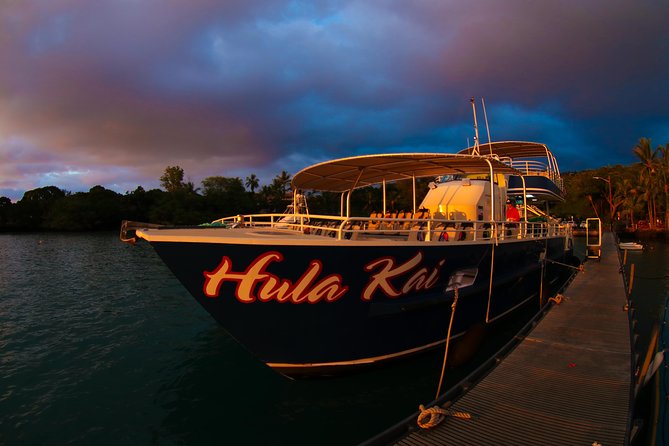
Reviewed · MANTA RAY NIGHT SNORKELS
Manta Ray Night Snorkel Tour from Kona
Manta rays show up after dark. This Kona night snorkel turns the Big Island ocean into a glowing feeding zone, where you can watch manta rays cruise beneath lights that are designed to be safe for them. The whole thing is built around night timing, so your odds feel much better than a daytime swim.
I love the way the crew uses safe underwater lights to bring the manta rays close enough for real viewing, not just a distant flash. I also love the warm homemade soup and hot drinks waiting right after you get back onboard.
One thing to consider: it can still feel chilly once you’re out of the water, even with a wetsuit. Bring a towel (and ideally a warm layer) so you don’t end the trip damp and cold.
In This Review
- Key Things to Know Before You Go
- Moonlight Manta Rays in Kailua Kona: the real appeal
- Price and value: what $160.50 covers (and why it matters)
- Getting started at Kaleiopapa Street (and why arriving early helps)
- The boat ride: short, manageable, and designed for night viewing
- Entering the water near the habitat lights
- What snorkeling feels like on the platform
- The manta ray show: feeding activity and how close they come
- After the snorkel: soup, hot drinks, and warming back up
- Who this tour is best for (and who should skip it)
- Ethics and safety: the gentle-giant mindset
- What to bring (so the night stays fun)
- Should you book the Kona Manta Ray Night Snorkel?
- FAQ
- How long is the Manta Ray Night Snorkel Tour from Kona?
- What does the tour cost?
- Where do I meet for the tour?
- Are there different departure times?
- What is included with the ticket?
- What should I know about masks?
- Is the tour suitable for children?
- Do I need to be a swimmer to go on this tour?
- What happens if the weather is poor?
- What is the maximum group size?
Key Things to Know Before You Go
- Four departure times give you options for your Kona day plan
- Meet 30 minutes early at 78-7130 Kaleiopapa St in Kailua Kona
- Snorkel in a manta habitat near where rays feed at night
- Gear and wetsuit are included, with instruction to help you feel steady in the dark
- Warm food and hot drinks are served onboard after your swim
- Small group size (max 26) keeps the vibe calmer in the water
Another night out over the Kona mantas
- Big Island Manta Ray Night Snorkel★ 5.0 · 5,656 reviews
- Big Island: Kona Manta Ray Snorkel Tour in Keauhou Harbor★ 4.5 · 2,465 reviews
- KONA Manta Ray Night Snorkel – FREE re-ride if no Sightings★ 5.0 · 2,212 reviews
- Manta Ray Night Snorkel at Kona, Big Island★ 5.0 · 1,758 reviews
Moonlight Manta Rays in Kailua Kona: the real appeal
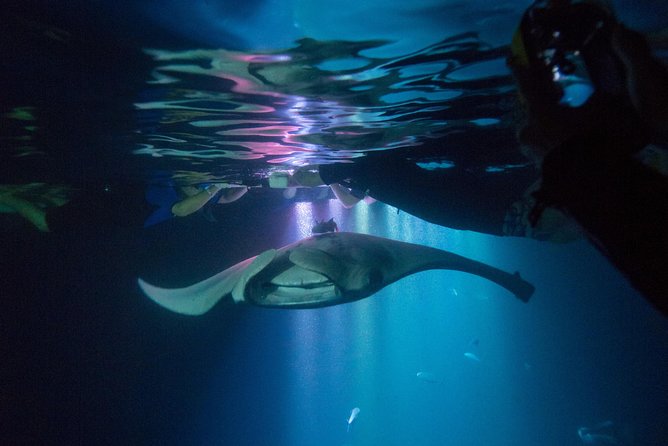
A manta ray night snorkel sounds like a photo-op. In real life, it’s more like watching big, graceful ocean wildlife do what they already do—just closer than you’d ever get on land. The key is timing: mantas feed most actively at night when plankton rises toward the surface, and the tour is built around that.
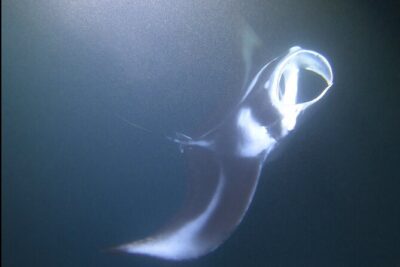
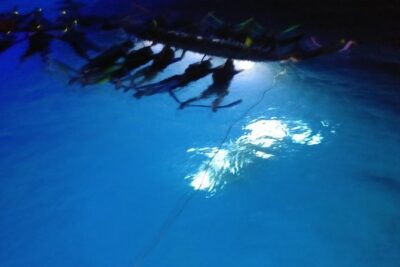
You’ll head out after dark with dive lights (safe for the mantas and for you) turned on under the water. Then you’ll snorkel near the lighted viewing area, where the rays can come in to feed. The first time you see a wingspan around 15 feet (4.5 meters) moving just below you, your brain takes a second to catch up.
This tour also keeps the experience simple. You get wetsuit-and-snorkel setup, instruction, and a clear plan: swim, watch, and then warm up onboard again. For a trip that lasts about 1.5 hours, it’s remarkably complete.
Price and value: what $160.50 covers (and why it matters)
At $160.50 per person, this isn’t a bargain-bin outing. But it also isn’t a “pay extra for everything” kind of tour. Your price includes the core stuff that usually adds up fast: snorkel equipment, a wetsuit, and instruction—plus warm homemade soup, bread rolls, and hot drinks after.
That bundled approach matters, especially at night. In the dark, you want gear that fits well, plus a crew that can guide you through safe entry, positioning, and how to handle your mask and breathing. The tour also limits the group size to 26, which usually means less jostling and more time spent actually watching.
If you’ve ever tried to piece together rentals, a charter, and a meal on your own, this price starts looking more like paying for a smooth, guided experience. You’re also paying for the night component: mantas are generally more active after dark, which is the whole reason this tour is scheduled this way.
Getting started at Kaleiopapa Street (and why arriving early helps)
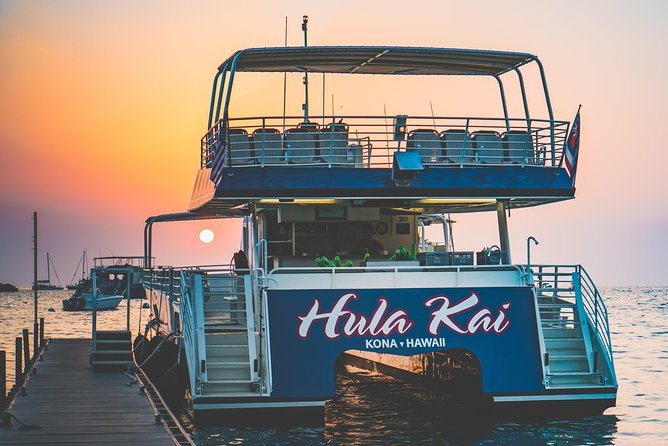
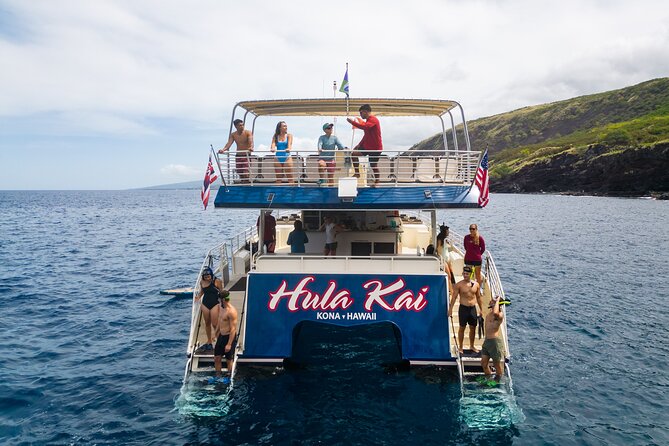
You meet at 78-7130 Kaleiopapa St, Kailua Kona, and you’ll want to arrive about 30 minutes before departure. The check-in spot is tied to Fair Wind Big Island Ocean Guides, and once you’re set up, you’ll hop aboard and head out under moonlight.
This is one of those tours where “almost on time” can turn into stress. The meeting area is close enough to Kona to be convenient, but finding the right group and settling in takes a few minutes. If parking or locating the correct dock is a question for you, give yourself extra cushion so you’re not rushing gear, check-in, and getting wet before you’re ready.
Once you’re checked in, you’ll be fitted with your snorkeling setup and wetsuit. Full-face snorkel masks aren’t permitted on the vessels, so stick to what the crew provides or bring only what fits their rules.
The boat ride: short, manageable, and designed for night viewing

You don’t spend all day getting to the manta zone. The ride is part of the experience, not a major time sink, and the route is aimed at reaching a known manta habitat area after dark.
This matters for two reasons. First, manta activity is highest at night, so the timing has value. Second, the less time you’re bouncing offshore, the easier it is for more people to stay comfortable and focused on the water.
The crew keeps the setup organized, and the boat is equipped for night visibility with lights meant to improve viewing. Those lights are used to attract and show you the manta action without creating chaos in the water.
One practical note from real-world experience on boats: if you’re prone to motion sickness, this ride can feel rough when conditions aren’t calm. A common approach is to take motion-sickness medicine in advance, then plan on having an easy plan for getting through the boat portion. If you tend to get queasy, I’d treat that as part of your packing list, not an afterthought.
More Big Island tours we have been out and rated

Entering the water near the habitat lights
After you get your final snorkel gear checks, you jump in. The entry is done from the vessel, and you’ll use a small ladder to get into the water. You’re not expected to “swim the whole way” or free-drift for long stretches right away.
Once you’re in, your goal is positioning: you’ll stay near the habitat area and the lighted viewing setup. The lights improve your visibility, and that changes the whole experience. Instead of guessing what you’re seeing, you can actually track rays as they glide in and out.
Manta rays are gentle. They don’t have teeth, stingers, or barbs. They can be big enough to feel unreal up close, but their behavior around divers and snorkelers is typically calm compared with more defensive species.
And because this is a night feed zone, you’re watching for movement linked to feeding—rays cruising through the light, circling, and sometimes coming very close. The viewing setup helps you keep your focus on what’s under you.
What snorkeling feels like on the platform
The tour isn’t just “get in water and hope.” You’ll snorkel near a lighted viewing platform, and you’ll spend time floating and watching. That platform is designed for safer, easier viewing in low light.
Holding position takes a little effort. Your arms and shoulders can get tired because you’ll want steady positioning to keep your face clear and your eyes on the water. The best approach is to relax your grip and let the setup do more of the work than your body muscles—especially if you’re new to snorkeling at night.
You may also notice other ocean life near the feeding zone, like small rays and plankton activity in the water. That’s part of the thrill: the lights make the underwater world feel visible enough that you’re not just waiting for the main event.
If you’re feeling nervous about the ocean at night, you’ll probably appreciate how the lighting reduces the fear factor. It’s still the open ocean, but it feels less like darkness and more like a controlled viewing environment.
The manta ray show: feeding activity and how close they come
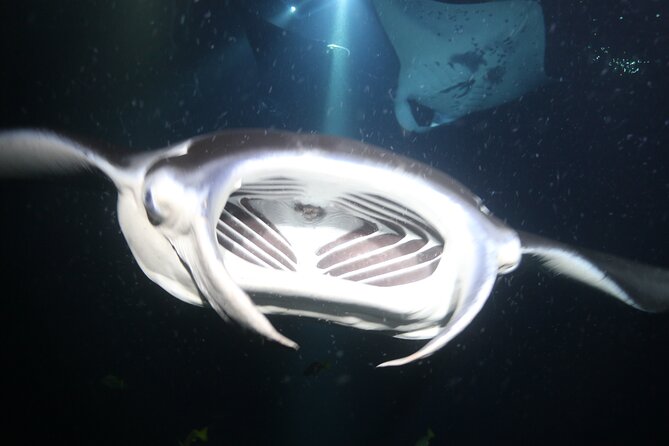
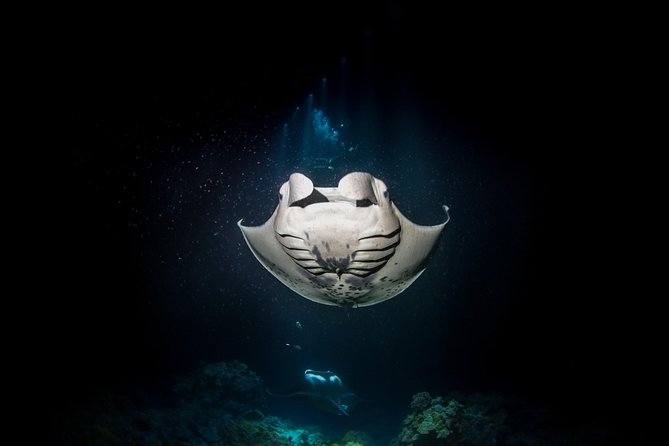
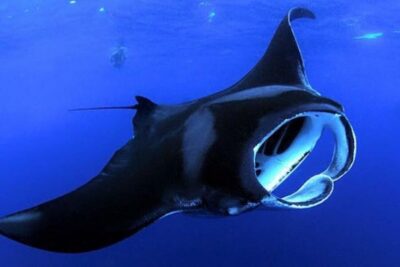
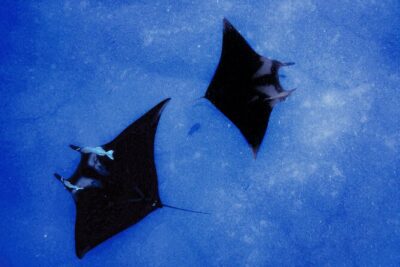
Manta rays have wingspans up to about 15 feet (4.5 meters), and you feel that scale when one glides beneath you. On a good night, it’s not a one-and-done sighting either. You can see multiple rays during your time in the water, and activity can pick up later in the session.
The whole concept is built on plankton. Mantas are most active when food is moving toward the surface, and the lights help you observe that feeding behavior. You’re essentially placed where the ecosystem is already doing its thing.
When a manta comes close, it can feel surprisingly intimate—up close enough that you’ll be looking nearly straight down at its movement patterns. It’s a calm, graceful presence rather than frantic chaos. And when rays start moving in and out of the lighted area, it becomes a little like watching a slow dance you don’t control.
Even if you don’t get wall-to-wall action the whole time, the “wow” moment is still the main point: seeing those massive wings glide through the water beside you, safely and peacefully.
After the snorkel: soup, hot drinks, and warming back up
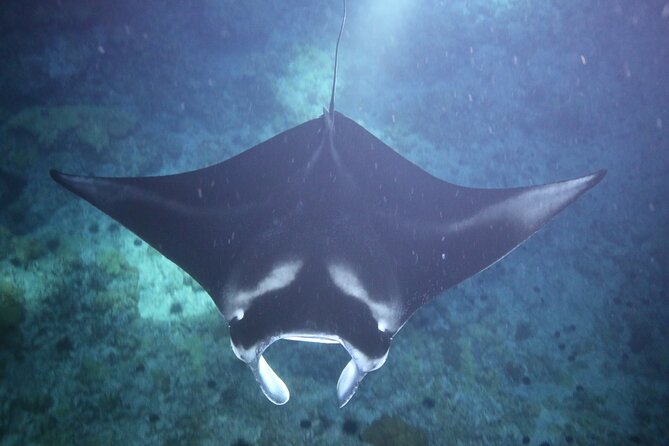
Once your time in the water is done, you dry off and head back onboard. Then comes one of the smartest parts of the tour: warm homemade soup and hot drinks. It helps you reset fast, especially if the water time left you cooler than you expected.
You’ll also get bread rolls, which sounds simple but helps you feel human again instead of cold and hungry. The crew tends to keep the atmosphere practical and friendly, with the boat returning to the same meeting point where you started.
A small but important comfort detail: taking off your wetsuit can make the temperature feel sharper. If you run cold easily, plan for that transition. Bring a towel so you can dry quickly, and pack a warm layer or sweatshirt for the ride back.
Who this tour is best for (and who should skip it)
This is a night activity in open water, so fit matters.
This tour calls for moderate physical fitness, and it’s not recommended for non-swimmers, beginners, or anyone without snorkeling experience. That doesn’t mean you need to be a marine athlete. It means you should already know the basics: breathing in rhythm, handling your snorkel gear, and staying calm in open water without panicking.
Age also matters. If you’re under 18, you must be accompanied by an adult. If you’re traveling with kids, use the snorkeling experience requirement as a key filter, not the age number alone.
If you’re confident in the water and you want a close-up encounter with gentle giants, this is a strong pick. If you’re hoping for a casual float with zero prep, you might want to choose a different type of water activity.
Ethics and safety: the gentle-giant mindset
The tour’s approach is centered on the idea that mantas are safe to be around when handled correctly. Mantas don’t have stingers or barbs, and they don’t pose the “defensive animal” concerns people worry about with other ray species.
The other safety piece is the light. The lights used to attract visibility are designed to be safe for the manta rays and for the snorkelers. That makes a difference because it keeps the experience focused on observation rather than forcing contact.
You’ll also have instruction as part of the tour, which helps you understand what to do in the water. And on the boat, the crew works to make sure people aren’t flailing in the dark or misunderstanding how to position themselves.
One more real-world tip: when you’re nervous, your body tenses. If you can, show up rested and ready to follow the crew’s guidance. It will make the whole thing feel less intimidating.
What to bring (so the night stays fun)
You don’t need to bring snorkeling equipment or a wetsuit—those are included. But you should bring the comfort items that make night snorkeling actually pleasant.
Here’s what I’d pack based on what people find helpful:
- A towel for after the swim (you’ll want to dry off quickly)
- A warm layer or sweatshirt for the period right after you exit the water
- If you want video, a GoPro with a head strap can be easier than holding it with your hands while you float
Also, plan your night around a basic comfort routine. If you’re prone to motion sickness, think about prevention before you arrive. The boat ride portion can feel rough in some conditions, and prevention helps you enjoy the water instead of fighting nausea.
Should you book the Kona Manta Ray Night Snorkel?
Book it if you want a true night wildlife encounter—one where you’re placed near a feeding habitat and you can see manta rays close enough to make you stop thinking and just watch. The value is strong because your ticket covers wetsuit and snorkel gear, instruction, and warm food after.
Skip it if you’re not comfortable snorkeling in open water or if you’re a non-swimmer or total beginner. This isn’t a “stand on the dock and watch” option. You’re in the water, under lights, with a task: float, observe, and stay calm.
If you want the best odds, choose one of the four available departure times and plan to arrive early at the meeting point on Kaleiopapa Street. The night timing is the whole point, and being ready on time helps you settle in before the water portion starts.
FAQ
How long is the Manta Ray Night Snorkel Tour from Kona?
The tour lasts about 1 hour 30 minutes.
What does the tour cost?
The price is $160.50 per person.
Where do I meet for the tour?
Meet at 78-7130 Kaleiopapa St, Kailua-Kona, HI 96740. You should meet your guide 30 minutes before departure.
Are there different departure times?
Yes. You can choose between four different tour times.
What is included with the ticket?
The tour includes the manta ray night snorkel, use of snorkel equipment, wetsuit and instruction, plus warm homemade soup, bread rolls, and hot drinks.
What should I know about masks?
Full face snorkel masks are not permitted on the vessels.
Is the tour suitable for children?
Guests under 18 years old must be accompanied by an adult.
Do I need to be a swimmer to go on this tour?
It is not recommended for non-swimmers, beginner swimmers, or those without snorkeling experience.
What happens if the weather is poor?
This experience requires good weather. If it’s canceled due to poor weather, you’ll be offered a different date or a full refund.
What is the maximum group size?
The tour has a maximum of 26 travelers.
More Tours in Big Island of Hawaii
- Big Island: Kona Manta Ray Snorkel Tour in Keauhou Harbor
★ 4.5 · 2,465 reviews - Hilo Shore Excursion: Volcanoes National Park & Black Sand Beach
★ 4.5 · 2,338 reviews - Small Group Big Island Twilight Volcano and Stargazing Tour
★ 5.0 · 1,619 reviews - Big Island: Mauna Kea Summit and Stars Small-Group Adventure Tour
★ 5.0 · 1,545 reviews - Big Island: Mauna Kea Summit Tour with Free Night Star Photo
★ 5.0 · 1,449 reviews - Kona Snorkel Tour: Captain Cook Reef Snorkel, Dolphin & Sea Caves
★ 4.5 · 1,411 reviews
More Tour Reviews in Big Island of Hawaii
- Big Island in a Day: Volcanoes Waterfalls Sightseeing and History
★ 5.0 · 6,569 reviews - Big Island Manta Ray Night Snorkel
★ 5.0 · 5,656 reviews - Big Island: Kona Manta Ray Snorkel Tour in Keauhou Harbor
★ 4.5 · 2,465 reviews - Hilo Shore Excursion: Volcanoes National Park & Black Sand Beach
★ 4.5 · 2,338 reviews - Big Island: Captain Cook Snorkel On A Power Catamaran With Lunch
★ 5.0 · 2,232 reviews - KONA Manta Ray Night Snorkel – FREE re-ride if no Sightings
★ 5.0 · 2,212 reviews
More Nights With the Kona Mantas
- Big Island Manta Ray Night Snorkel
★ 5.0 · 5,656 reviews - Big Island: Kona Manta Ray Snorkel Tour in Keauhou Harbor
★ 4.5 · 2,465 reviews - KONA Manta Ray Night Snorkel – FREE re-ride if no Sightings
★ 5.0 · 2,212 reviews - Manta Ray Night Snorkel at Kona, Big Island
★ 5.0 · 1,758 reviews - Glow of the Deep: Night Snorkeling with Manta Rays
★ 4.5 · 1,254 reviews - Manta Magic: Small-Group Manta Ray Night Snorkel in Kailua Kona
★ 5.0 · 1,141 reviews
Just Added: The Newest Big Island Reviews

Manta Ray Night Snorkels, compared.
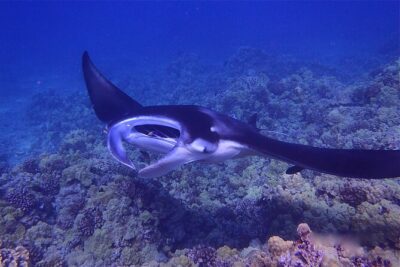 ★ 5.0Big Island Manta Ray Night SnorkelFrom $845,656 reviews
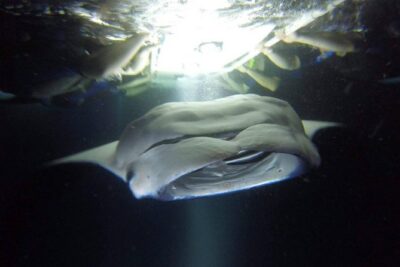 ★ 4.5Kona Manta Ray Snorkel Tour in Keauhou HarborFrom $252,465 reviews
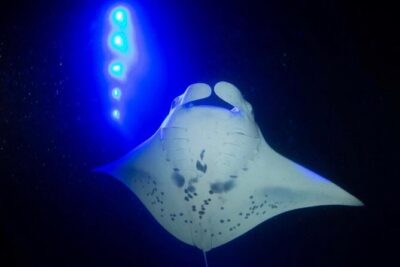 ★ 5.0KONA Manta Ray Night Snorkel – FREE re-ride if no SightingsFrom $492,212 reviews
 ★ 5.0Manta Ray Night Snorkel at Kona, Big IslandFrom $441,758 reviews
 ★ 4.5Glow of the Deep: Night Snorkeling with Manta RaysFrom $801,254 reviews
 ★ 4.8Kailua Kona: Night Manta Ray Adventure on the Big IslandFrom $1211,199 reviews
 ★ 5.0Manta Magic: Small-Group Manta Ray Night Snorkel in Kailua KonaFrom $1451,141 reviews
 ★ 5.0Sunset and Manta Ray Snorkel AdventureFrom $154843 reviews
Browse the lists this tour appears in