
Reviewed · MANTA RAY NIGHT SNORKELS
Night Manta Ray Snorkel
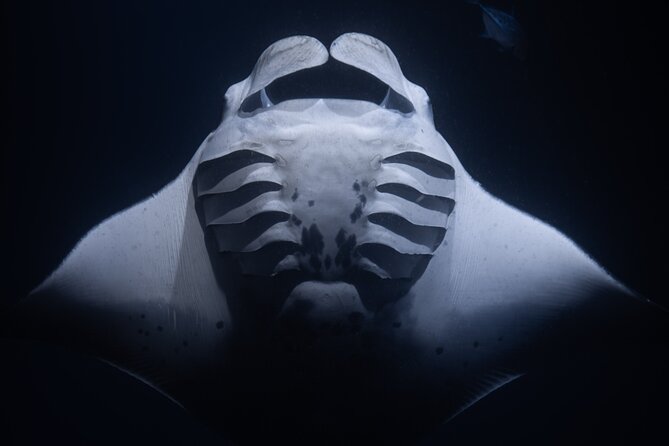
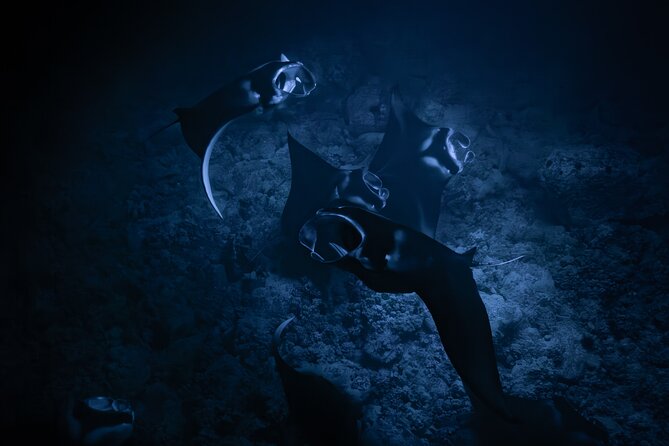
Mantas show up after dark. On Hawaii’s Big Island, this night manta ray snorkeling tour pairs a calm sunset cruise with time in the water to watch these gentle giants feed just beneath you. It’s simple, small, and timed for the moment mantas are most active.
Two things I really like about it: first, the experience runs with a maximum group size of 12, so you’re not fighting for space or getting rushed. Second, guides Monet and Brandon focus on comfort and close support, with Monet staying in the water with you and helping with spotting and photos.
One possible drawback to plan for: you’ll need to bring your own prescription snorkel mask if you use one, since they don’t provide them. Also, you should expect floating support in the form of waist noodles rather than a full life vest, which may matter if you’re extra cautious in open water.
In This Review
- Quick hits: What makes this Night Manta Ray Snorkel tick
- Sunset Cruise to Manta Spot: How the timing works
- The cruise portion: the underrated part
- After dark in the water: What you’re really signing up for
- What “gentle giants” means in practice
- Float support: noodles, not a full life vest
- Your guides matter: Monet and Brandon’s small-group style
- The video and photography touch
- Gear, comfort, and what you must bring
- Mask situation: don’t get stuck at check-in
- Expect water comfort to be part of the experience
- Price and value: Is $150 worth it?
- Where it starts: meeting point, timing feel, and getting there
- Weather matters (and what to do if it changes)
- Who should book this Night Manta Ray Snorkel?
- Should you book Night Manta Ray Snorkel in Kailua-Kona?
- FAQ
- What is the duration of the Night Manta Ray Snorkel tour?
- How much does the tour cost?
- Where is the meeting point?
- What’s included in the tour?
- What should I bring?
- Do you provide prescription snorkel masks?
- Is this tour offered in English?
- How big is the group?
- What happens if weather is bad?
Quick hits: What makes this Night Manta Ray Snorkel tick
- Max 12 people keeps the boat and water experience calmer
- Monet stays in the water so you’re not left to figure it out on your own
- Brandon pilots the zodiac ride, which helps keep the trip smoother to the viewing spot
- Wetsuits + snorkeling gear included, so you’re not hunting rentals last minute
- You’ll learn about manta rays during the sunset cruise, not just after you’re already in the water
- Bring your own towels and reusable bottle for a more comfortable return to shore
Another night out over the Kona mantas
- Big Island Manta Ray Night Snorkel★ 5.0 · 5,656 reviews
- Big Island: Kona Manta Ray Snorkel Tour in Keauhou Harbor★ 4.5 · 2,465 reviews
- KONA Manta Ray Night Snorkel – FREE re-ride if no Sightings★ 5.0 · 2,212 reviews
- Manta Ray Night Snorkel at Kona, Big Island★ 5.0 · 1,758 reviews
Sunset Cruise to Manta Spot: How the timing works
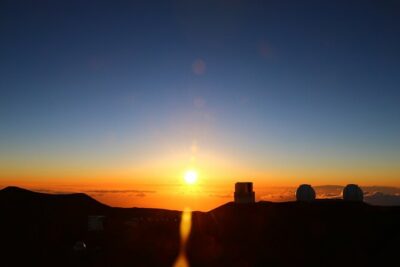
This tour starts with a sunset cruise out of Kailua-Kona. Think relaxed first, then intense-but-not-stressful. While the sky changes color, you’ll get facts about manta rays and what to look for. That matters because night water sessions can feel a little strange at first, and a quick rundown helps you relax your brain before you’re in the dark.
You’ll also be building something important: expectation. Instead of jumping straight into water with zero context, you’re watching the light fade while your guide sets up what comes next. When you do finally slip in after dark, you’re not wondering what your job is. You know what you’re trying to see and why the guides are watching their cues so carefully.
The cruise portion: the underrated part
The cruise isn’t just transport. It’s also the warm-up, and it’s where the vibe gets set. You’ll hear manta-ray info from your guides, and you’ll have time to get oriented with the equipment and the plan. It’s also where small details help: if you’re new to snorkeling, you’ll feel more grounded before you have to float, breathe, and look downward.
A small drawback is that you’re still on a boat during the early evening. If you get motion-queasy easily, this won’t be a fast boat ride scenario you can ignore. But the zodiac ride to the site is generally short, and having a friendly pilot like Brandon helps things stay smooth.
After dark in the water: What you’re really signing up for
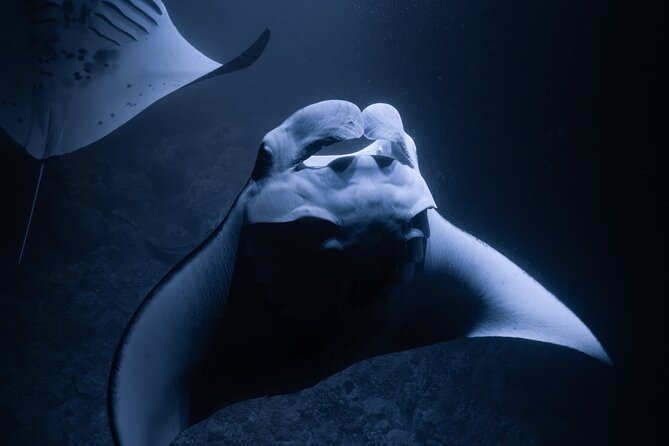
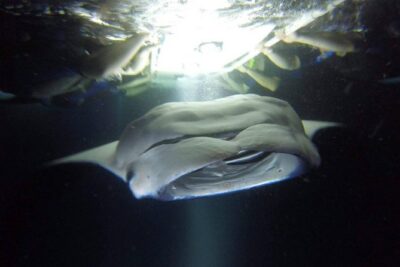
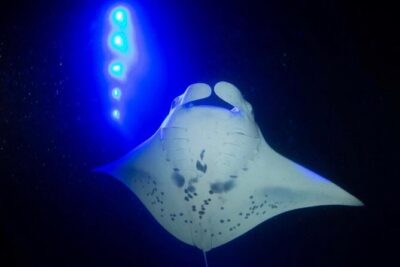
Once it’s dark, you’ll get into the water to observe manta rays feeding just beneath you. The experience is designed around close observation rather than speed. And that’s a big deal, because with marine life, the most memorable moments usually come from patience.
The guides’ approach is hands-on. Monet stays in the water with you, which changes the whole feel of the snorkeling. You’re not left to fend for yourself, and you’re more likely to actually spot something instead of just feeling like you’re moving through darkness and bubbles.
What “gentle giants” means in practice
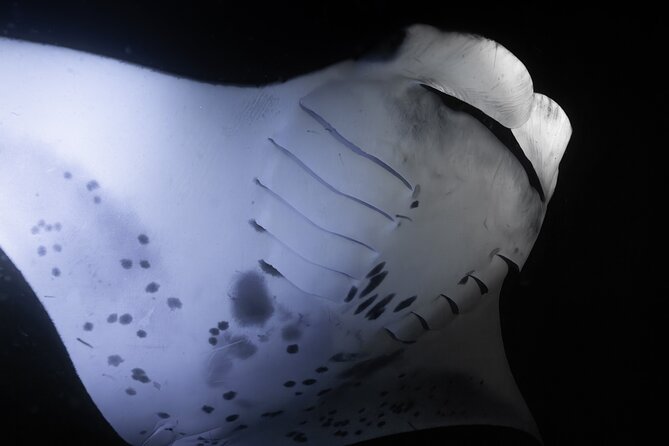
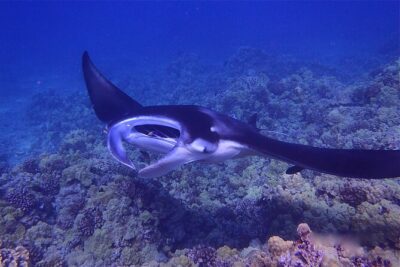
You’re not chasing. You’re hanging in place, staying calm, and letting the mantas do their thing. From the information provided, you’ll likely see a few mantas during the water time. One example of what the timing can feel like: one group spent about 30 minutes in the water and saw around three mantas. That gives you a realistic expectation that the sightings can be a handful rather than a nonstop parade.
Also, the experience is meant to be approachable. The tour notes say most travelers can participate, and the guidance and gear support reflect that.
More Big Island tours we have been out and rated

Float support: noodles, not a full life vest
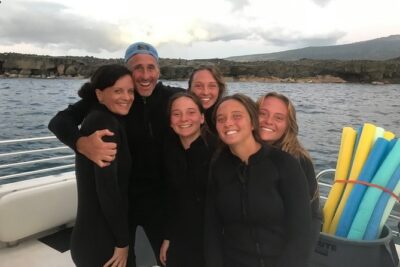
One consideration that comes up in the supplied feedback: they may not use a standard life vest setup. Instead, you can expect waist floatation noodles, which many people find more comfortable for snorkeling movement while still adding buoyancy. If you’re nervous about staying afloat, you’ll want to feel good about that style of support before you get in.
Your guides matter: Monet and Brandon’s small-group style
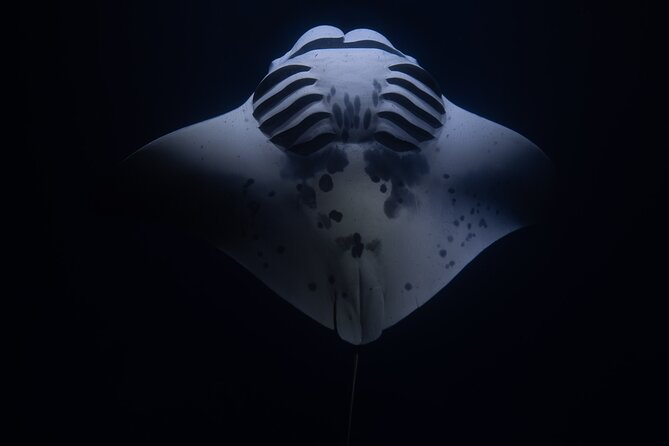
This is one of those tours where the human factor is part of the product. With a cap of 12 travelers, you’re in a setting where you’ll actually interact with the guides instead of being herded through a checklist.
Monet’s role is especially important for first-timers and nervous snorkelers. The information you have points to Monet staying in the water the whole time, supporting you directly and helping with spotting. That’s not just comfort—it’s also how you get better sightings. If the guide is right there, you can follow cues fast and reduce the chance of missing the moment.
Brandon is the other key name. He’s described as friendly and cooperative, and he pilots the zodiac so the ride to the viewing area feels pleasant instead of chaotic. Even a short ride matters at night, when everyone’s focused and you want the group to arrive in good shape.
The video and photography touch
Another detail that adds real value: guides provide video after the trip. One guest specifically noted that they sent videos before returning to their accommodation, and the quality was described as unreal. You should treat that as a bonus that many guests experience, not as a guarantee you’re counting on—but it’s the kind of add-on that makes the tour feel more “kept” than just a one-night memory.
Gear, comfort, and what you must bring
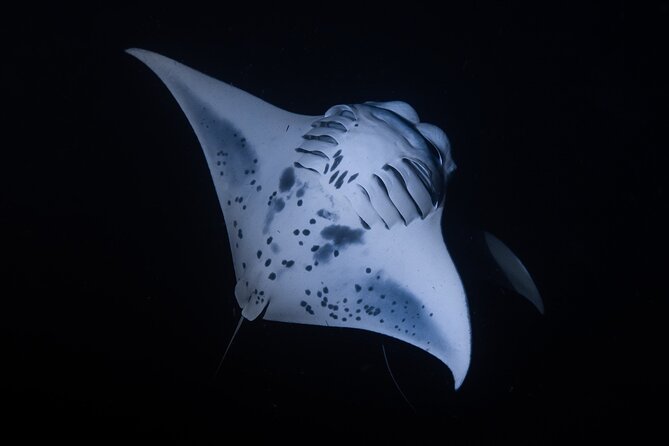
The tour includes snorkeling equipment and wetsuits. That’s a practical win because it reduces hassle, cost, and decision fatigue. You don’t have to stress about whether a rental is the right size at the last minute.
You’ll still want to plan for the basics they ask you to bring:
- Towels
- A reusable water bottle
Mask situation: don’t get stuck at check-in
They do not provide prescription snorkel masks. If you need one, bring your own or rent one. This is the kind of “small detail” that can derail the whole experience if you wait. If you’re prone to mask fogging or you’re particular about fit, you already know this matters, especially at night when visibility is limited and you want everything to feel reliable.
If you’re using contacts, remember you’ll still want a mask that seals comfortably. Night conditions can make small leaks feel like a bigger problem than they would in daytime.
Expect water comfort to be part of the experience
Wetsuits are included, which usually means you can stay out longer without feeling like you’re rushing to warm up. But wear-wise, your comfort still depends on how you handle movement, breathing, and staying calm while you float.
If you’re not a strong swimmer, the tour feedback suggests you can still participate if you’re comfortable snorkeling with buoyancy. Just be honest with yourself about your comfort level and don’t treat this as a skills test.
Price and value: Is $150 worth it?
At $150 per person for about 2 hours, this tour sits in the “paying for access and guidance” category. You’re not just paying for a spot in the water. You’re paying for timing, a small group, and a guide team that stays close.
Here’s where the value comes from:
- Gear and wetsuits are included, so your total cost may be lower than you’d think
- Small group size (max 12) means you can get attention during the water time
- Guides Monet and Brandon provide close support, including Monet staying in the water
- A post-trip video/photo component adds a tangible souvenir
What you’re not getting is guaranteed constant sightings. Even with mantas nearby, the number you see can vary night to night. The experience is still worth it if you want a guided, low-stress way to observe them right where they feed, rather than trying to guess timing and location on your own.
Compared to larger group operations, this one’s cost can feel easier to justify when you consider how much you’ll benefit from real attention and uncluttered water space.
Where it starts: meeting point, timing feel, and getting there
The meeting point is at 74-380 Kealakehe Pkwy, Kailua-Kona, HI 96740, and the tour ends back at the meeting point. That’s convenient because you’re not piecing together complicated end-of-tour transportation.
It’s also noted as near public transportation. So if you’re not renting a car for your Kona days, this is one of the more workable tour options.
The tour runs in English and uses a mobile ticket, which fits how most visitors plan their evening. Confirmation comes at booking, and you’ll have what you need without extra paperwork stress.
One practical tip: because it’s a night activity, you’ll be happier if you show up with your essentials already sorted—especially towels and any special mask needs.
Weather matters (and what to do if it changes)
This experience requires good weather. If it’s canceled due to poor weather, you’ll be offered another date or a full refund. That’s the correct kind of policy for a water-based tour where wind, swell, or visibility can change fast.
The main thing for you is mindset: don’t build your schedule as if this will happen no matter what. If your itinerary has flexibility, you’ll feel less pressure and more confidence that you can rebook if Mother Nature has other plans.
Who should book this Night Manta Ray Snorkel?
This tour is a strong fit if you want:
- a small-group night experience
- guided snorkeling with close support from Monet and Brandon
- a tour that starts with education during a sunset cruise, then transitions into guided water time
- a trip where gear and wetsuits are handled for you
It may be less ideal if you:
- rely on a prescription snorkel mask and can’t bring or rent one
- need a standard life vest setup rather than waist floatation noodles
- want a long, leisurely water session (the whole tour is about 2 hours)
If you’re visiting the Big Island and want one “wow” wildlife moment that doesn’t require deep technical water skills, this is the kind of plan you make early—and then talk about long after.
Should you book Night Manta Ray Snorkel in Kailua-Kona?
Yes, if you value a calm, guided experience over a crowded free-for-all. The small group size, close in-water support from Monet, and the smooth trip planning from Brandon make this feel built for people who want to enjoy the moment instead of chasing logistics.
I’d book it especially if you’re traveling with family or you’re not a confident swimmer but you’re comfortable snorkeling with buoyancy. It sounds approachable, and the guides’ style seems designed to keep you feeling safe and supported.
One last “do this now” checklist: make sure you have towels ready, pack a reusable bottle, and sort your mask situation in advance. If those basics are handled, you’re set up for what this tour is best at—nighttime manta watching with real guidance and a low-stress vibe.
FAQ
What is the duration of the Night Manta Ray Snorkel tour?
It runs for about 2 hours.
How much does the tour cost?
The price is $150 per person.
Where is the meeting point?
The start location is 74-380 Kealakehe Pkwy, Kailua-Kona, HI 96740, USA, and the activity ends back at the same meeting point.
What’s included in the tour?
Snorkeling equipment and use of wetsuits are included.
What should I bring?
Please bring towels and a reusable water bottle.
Do you provide prescription snorkel masks?
No. Prescription snorkel masks are not provided. If you need one, bring your own or rent one.
Is this tour offered in English?
Yes, the tour is offered in English.
How big is the group?
The maximum group size is 12 travelers.
What happens if weather is bad?
This experience requires good weather. If it’s canceled due to poor weather, you’ll be offered a different date or a full refund.
More Evening Experiences in Big Island of Hawaii
- Big Island Manta Ray Night Snorkel
★ 5.0 · 5,656 reviews - KONA Manta Ray Night Snorkel – FREE re-ride if no Sightings
★ 5.0 · 2,212 reviews - Manta Ray Night Snorkel at Kona, Big Island
★ 5.0 · 1,758 reviews - Big Island GOAT Experience: Mauna Kea Summit, Sunset & Stars
★ 5.0 · 1,706 reviews - Big Island: Mauna Kea Summit Tour with Free Night Star Photo
★ 5.0 · 1,449 reviews - Glow of the Deep: Night Snorkeling with Manta Rays
★ 4.5 · 1,254 reviews
More Tour Reviews in Big Island of Hawaii
- Big Island in a Day: Volcanoes Waterfalls Sightseeing and History
★ 5.0 · 6,569 reviews - Big Island Manta Ray Night Snorkel
★ 5.0 · 5,656 reviews - Big Island: Kona Manta Ray Snorkel Tour in Keauhou Harbor
★ 4.5 · 2,465 reviews - Hilo Shore Excursion: Volcanoes National Park & Black Sand Beach
★ 4.5 · 2,338 reviews - Big Island: Captain Cook Snorkel On A Power Catamaran With Lunch
★ 5.0 · 2,232 reviews - KONA Manta Ray Night Snorkel – FREE re-ride if no Sightings
★ 5.0 · 2,212 reviews
More Nights With the Kona Mantas
- Big Island Manta Ray Night Snorkel
★ 5.0 · 5,656 reviews - Big Island: Kona Manta Ray Snorkel Tour in Keauhou Harbor
★ 4.5 · 2,465 reviews - KONA Manta Ray Night Snorkel – FREE re-ride if no Sightings
★ 5.0 · 2,212 reviews - Manta Ray Night Snorkel at Kona, Big Island
★ 5.0 · 1,758 reviews - Glow of the Deep: Night Snorkeling with Manta Rays
★ 4.5 · 1,254 reviews - Manta Magic: Small-Group Manta Ray Night Snorkel in Kailua Kona
★ 5.0 · 1,141 reviews
Just Added: The Newest Big Island Reviews

Manta Ray Night Snorkels, compared.
 ★ 5.0Big Island Manta Ray Night SnorkelFrom $845,656 reviews
 ★ 4.5Kona Manta Ray Snorkel Tour in Keauhou HarborFrom $252,465 reviews
 ★ 5.0KONA Manta Ray Night Snorkel – FREE re-ride if no SightingsFrom $492,212 reviews
 ★ 5.0Manta Ray Night Snorkel at Kona, Big IslandFrom $441,758 reviews
 ★ 4.5Glow of the Deep: Night Snorkeling with Manta RaysFrom $801,254 reviews
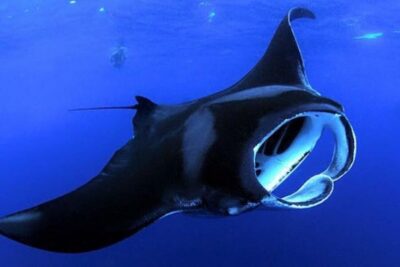 ★ 4.8Kailua Kona: Night Manta Ray Adventure on the Big IslandFrom $1211,199 reviews
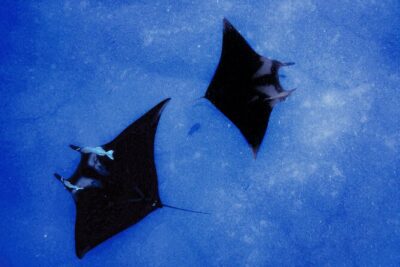 ★ 5.0Manta Magic: Small-Group Manta Ray Night Snorkel in Kailua KonaFrom $1451,141 reviews
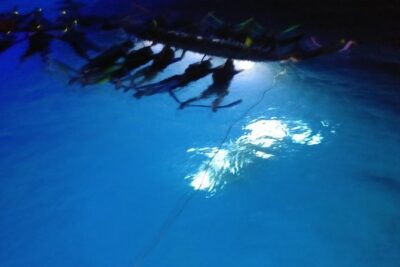 ★ 5.0Sunset and Manta Ray Snorkel AdventureFrom $154843 reviews
Browse the lists this tour appears in