
Reviewed · MANTA RAY NIGHT SNORKELS
Night Manta Ray Experience
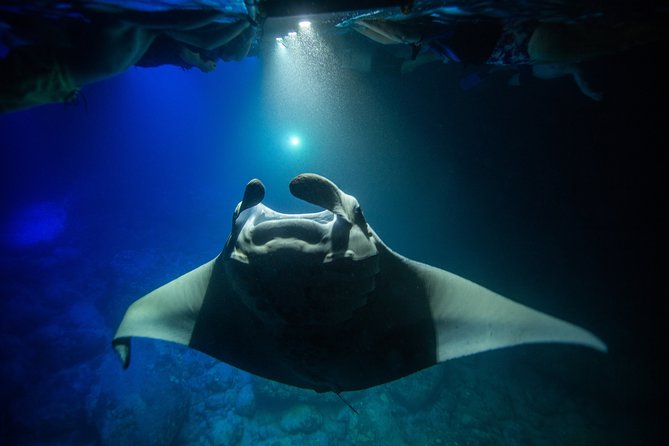
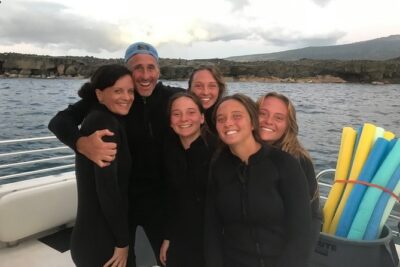
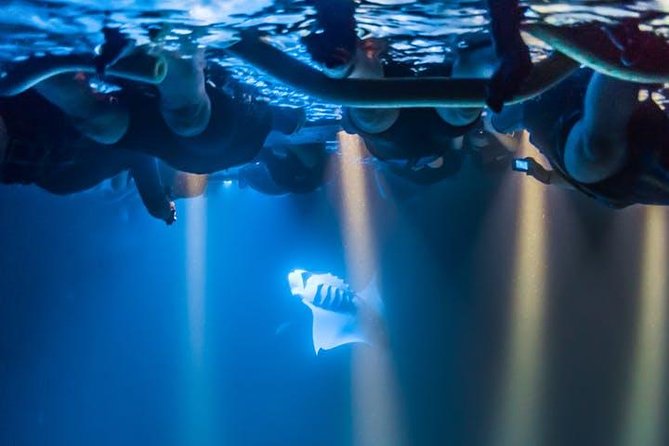
Giant manta rays swim inches from you. In Kona at night, you slip into warm water and watch a feeding frenzy unfold like an underwater ballet, with huge manta rays cruising through the plankton. I like that the tour includes snorkel gear, wetsuits, and flotation so you’re not hunting for rentals in the dark. I also like how the safety-first crew runs things smoothly, including in-water guidance from folks like Em and Sage (and manta facts from guides such as Rick). One heads-up: you do need solid snorkeling comfort, and reboarding uses a short ladder, with rougher water possible that can trigger motion sickness for some people.
Small groups help you get time in the action. This Sea Quest Hawaii experience caps at 27 people, runs about 1 hour 30 minutes, and starts at 78-7138 Kaleiopapa St in Kailua-Kona. Best of all, there’s a simple manta guarantee: if you see zero manta rays, you can come back on another night during your vacation based on availability, with no extra cost (no refunds).
In This Review
- Key reasons this Kona manta night is worth it
- What the Night Manta Ray experience is really like in Kona
- Sea Quest Hawaii check-in and the short ride to the manta spot
- Gear, wetsuits, and staying comfortable after dark
- In the water: how the manta feeding frenzy feels up close
- Safety rules that matter: snorkeling skills and the ladder back aboard
- Price and value: is $146.41 worth it?
- Weather, motion sickness, and the manta guarantee you can actually use
- Who this tour fits best, and who might want a different plan
- Tips to make your night go smoothly
- Should you book the Night Manta Ray Experience?
- FAQ
- What is the duration of the Night Manta Ray Experience?
- How much does it cost per person?
- Where does the experience meet?
- What’s included in the tour price?
- What should I bring that isn’t included?
- Is the experience suitable for beginners at snorkeling?
- What is the manta guarantee if you do not see any manta rays?
- What is the cancellation policy?
Key reasons this Kona manta night is worth it
- After-dark feeding = maximum manta energy when they’re up and moving to hunt plankton
- Gear and wetsuits are included, plus flotation to help you keep your focus on the rays
- Professional in-water coaching from staff members like Em, Sage, and Rick, plus captains such as John
- Hot chocolate at the end to warm up after the night swim
- A real manta guarantee if zero rays show up
Another night out over the Kona mantas
- Big Island Manta Ray Night Snorkel★ 5.0 · 5,656 reviews
- Big Island: Kona Manta Ray Snorkel Tour in Keauhou Harbor★ 4.5 · 2,465 reviews
- KONA Manta Ray Night Snorkel – FREE re-ride if no Sightings★ 5.0 · 2,212 reviews
- Manta Ray Night Snorkel at Kona, Big Island★ 5.0 · 1,758 reviews
What the Night Manta Ray experience is really like in Kona
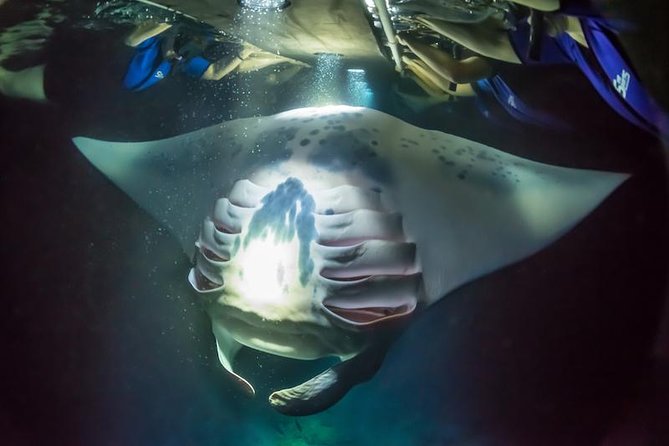
This is not a long sightseeing boat ride followed by a distant look. The appeal is how close the mantas can get once the feeding spot is working. At night, you’re snorkeling in warm Kona water under low light, so when the giants appear, the moment feels bigger than daytime wildlife viewing. You’re watching their calm, gentle behavior while they swim over you and around you, often with turns and flips as they move through the feeding zone.
What makes it click for most people is the combination of scale and control. The rays can weigh up to about 1,000 lbs (450 kg) and reach around 16 feet (5 meters) across, but they’re docile and focused on feeding. In practical terms, that means the guides can keep the group moving as a unit, help you position yourself, and coach you through the dark-water snorkeling experience.
The tour also has a “show up ready” feel. You’re expected to handle snorkel breathing, basic water confidence, and staying calm when mantas come close. If you’re looking for a casual, floating-only nature cruise with no snorkeling requirement, this probably won’t match your vibe.
Sea Quest Hawaii check-in and the short ride to the manta spot
Your experience starts at Sea Quest Hawaii at 78-7138 Kaleiopapa St in Kailua-Kona. Check-in is set up to be quick, and waivers are handled electronically before you go out. The operation is right by the dock area, which matters because it reduces the time you’re standing around and waiting.
From there, you head out to the snorkel site. In this Kona setup, the boat transfer is typically short, which is a big deal if you get motion-sick easily. Still, rougher water can happen on some nights, and that’s worth factoring in when you’re booking your time.
Logistics are simple but not invisible. There’s no transportation provided, so you’ll need your own car, rideshare plan, or you’ll rely on nearby public transportation. Parking can be tight in the staging area, so I’d build in a few extra minutes so you’re not stressed walking in wet-wetsuit time.
Gear, wetsuits, and staying comfortable after dark
This tour includes snorkel gear, wetsuits, and flotation devices. That’s not just a nice extra. It changes the whole experience because you can show up knowing you’ll get fitted for the water conditions and the equipment is built for nighttime snorkeling.
Wetsuits are the difference between an enjoyable night swim and a rushed, shivery one. Even in Kona, it can feel cooler once the sun is gone, and several people note that the wetsuits help them feel comfortable in the dark water. Flotation devices also help you hold position so you can watch what’s under and around you without constantly fighting for balance.
What you should bring is mostly about comfort. Towels are recommended, because you’ll likely want to dry off before you head home. If you wear prescription glasses, ask about prescription-compatible masks. Some guests have been helped with a facemask option for clearer vision underwater, which can make a big difference when you’re trying to spot mantas quickly in low light.
And yes, you’ll want to think about warmth for your whole evening. You may start warm in wetsuit gear, then want something cozy after hot chocolate.
In the water: how the manta feeding frenzy feels up close
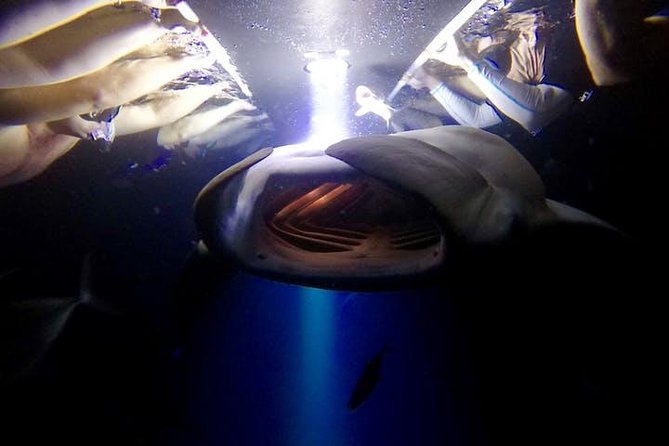
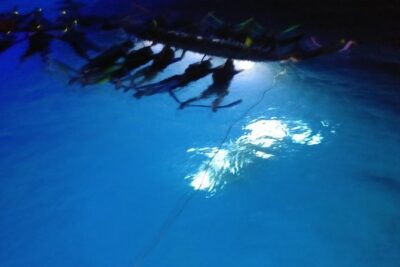
Once you’re geared up, the heart of the experience is the in-water encounter: guided snorkeling as manta rays swim and feed at night. The guides position you in a way that makes spotting mantas easier, and they talk you through what to look for and what to do when you spot a ray.
The common wow moment is closeness. People describe seeing mantas right under them, with multiple rays moving through the feeding zone in quick waves. Some nights bring steady action—more than four rays, sometimes many more—so you’re not waiting long in the water for something to happen. When the rays turn, flip, or pass near your snorkeling lane, it can feel like they’re right at arm’s reach.
There’s also a sensory part that’s easy to underestimate until you’re there. Night water means less visual clutter and fewer obvious reference points, so your focus locks onto movement and silhouette. When a manta appears, it can look like it’s gliding out of the dark, then suddenly becomes huge in your frame of view.
The guides help you manage the moment. You’re not meant to chase or lunge. The goal is to float, breathe normally, and let the feeding behavior come to you. When it works, it’s a rare wildlife interaction that feels calm, not chaotic.
More Big Island tours we have been out and rated

Safety rules that matter: snorkeling skills and the ladder back aboard
This tour works best if you’re already comfortable snorkeling. The experience is set up so everyone in the group can swim, and the skill level matters because you’re in open water at night with a short boat reboarding ladder.
Reboarding is straightforward but not “zero effort.” You’ll need to climb a short ladder to get back onto the boat. If you’re dealing with limited mobility, this is a key consideration. Also, if your snorkeling comfort is rusty, you’ll likely be more tense than you want to be, and that tension makes everything harder when mantas are moving close.
Safety is handled through both the crew and the setup. People praise the way the staff keeps everyone feeling secure, even when conditions get choppy. If seasickness is part of your travel history, plan ahead. One practical tip that comes up often: if you tend to get motion sickness, take medication beforehand so you can enjoy the water instead of lying to the side of the boat thinking about your stomach.
This is one of those tours where good preparation makes the night better for everyone.
Price and value: is $146.41 worth it?
At $146.41 per person, this isn’t a budget activity. But it also isn’t just a ticket to look at animals from far away. You’re paying for three things at once: guided nighttime snorkeling in Kona, included water gear (snorkel setup plus wetsuit plus flotation), and a manta encounter that can put giants within inches of your breathing space.
Value comes from what’s included. Many “wildlife viewing” tours charge extra for rentals or expect you to show up with your own gear. Here, you get the basics that matter for nighttime water, plus hot chocolate at the end. That lowers the cost of doing the right thing without shopping around.
The other value factor is the manta guarantee. On the rare chance that you see zero manta rays, you can return during your vacation at no extra charge based on availability. That doesn’t give you a refund, but it protects you against the biggest disappointment: paying for a manta night and seeing nothing.
If you’re choosing between this and another ocean tour, I’d think about what you want most. If you want close, hands-off wildlife time where the action comes to you, this price can feel fair.
Weather, motion sickness, and the manta guarantee you can actually use
Night manta tours depend on conditions. The experience requires good weather, and if it’s canceled due to poor weather, you’ll be offered a different date or a full refund. That’s important because the whole premise depends on going out safely and finding the feeding spot under good conditions.
The other reality is the water can get rough on some nights. Even with a short ride, waves can make snorkeling feel harder and can bring on seasickness. If you’re sensitive, plan for it like you would for any small-boat ocean activity: choose a time when you’ll be rested, consider meds ahead of time, and keep your expectations realistic.
Then there’s the manta guarantee, which is the heart of the risk-reduction. If zero manta rays are seen on your tour, you can come back out again on another night during the same vacation with no additional charge, based on availability. The key practical point is timing: you need to call right away so they can reschedule you.
So the decision is less about whether manta rays exist in the area and more about timing, conditions, and luck. This operator tries to cover that luck with a straightforward do-over option.
Who this tour fits best, and who might want a different plan
This tour fits best if you’re:
- Comfortable snorkeling and breathing through a snorkel
- Able to swim and handle reboarding with a short ladder
- Happy to be in dark water for an animal encounter that can happen fast and up close
- Traveling with a group that wants one focused activity, not a long multi-stop day
It can be a less good fit if you:
- Struggle with motion sickness or you’re likely to freeze up in waves
- Don’t have snorkeling experience and want a full beginner coaching experience
- Prefer sightseeing from shore or from the boat
That said, the experience doesn’t sound complicated once you’re in the water. The crew structure and the flotation help people manage position. And because the group stays capped (up to 27), you’re not getting lost in a huge crowd.
If your goal is that face-to-face manta moment, this is one of the strongest ways to aim for it in Kona.
Tips to make your night go smoothly
A few small moves can protect the whole evening:
- Arrive early to check-in with a calm head. Parking can be tight around the staging area, and you don’t want to rush into a wetsuit moment.
- Bring towels. You’ll want them for after the swim.
- Plan for motion sickness if you’re prone. Take meds beforehand if that’s part of your usual travel toolkit.
- Wear the right calm. You’ll see mantas best when you’re relaxed and floating instead of trying to swim after them.
- If you wear glasses, ask about prescription mask options. Clear underwater viewing can improve your odds of spotting mantas quickly in low light.
- Give yourself buffer time back home. Even though the tour is about 1 hour 30 minutes, the full night can feel longer once you factor in check-in, the boat schedule, and getting warm afterward.
These aren’t “extra.” They’re what keep the night from turning into logistics.
Should you book the Night Manta Ray Experience?
Book it if your main goal is a close-up manta encounter after dark. You’re getting included gear, a warm-water snorkeling setup, guided coaching, and a manta guarantee that helps reduce the biggest disappointment. The high rating and the repeated comments about organization and safety suggest the operator runs a tight ship.
Skip or choose something else if you’re not comfortable with snorkeling, aren’t willing to handle the ladder, or know you get seasick easily and haven’t found a strategy that works for you. In those cases, the risk of an unpleasant night is higher than the payoff.
My rule of thumb: if you can snorkel comfortably and you’re ready for a night-water experience, this is a top-tier Kona activity where the animal behavior is the whole show.
If you want, tell me your travel month and whether you’ve snorkeled before. I’ll help you pick the best approach for your group.
FAQ
What is the duration of the Night Manta Ray Experience?
It lasts about 1 hour 30 minutes.
How much does it cost per person?
The price is $146.41 per person.
Where does the experience meet?
The start and end are at 78-7138 Kaleiopapa St, Kailua-Kona, HI 96740, USA.
What’s included in the tour price?
Snorkel gear, wetsuits, flotation devices, and hot chocolate are included.
What should I bring that isn’t included?
Towels are recommended, and transportation is not provided.
Is the experience suitable for beginners at snorkeling?
You should plan on having snorkeling experience. The tour info also indicates everyone in the group can swim and can climb a short ladder to re-board the boat.
What is the manta guarantee if you do not see any manta rays?
If zero manta rays are seen, you can come back out again during the same vacation based on availability at no additional cost. You need to call right away so they can reschedule you. Refunds are not available.
What is the cancellation policy?
You can cancel for a full refund up to 24 hours in advance. If you cancel less than 24 hours before the start time, it’s not refunded. The experience requires good weather, and if it’s canceled for poor weather you’ll be offered a different date or a full refund.
More Evening Experiences in Big Island of Hawaii
- Big Island Manta Ray Night Snorkel
★ 5.0 · 5,656 reviews - KONA Manta Ray Night Snorkel – FREE re-ride if no Sightings
★ 5.0 · 2,212 reviews - Manta Ray Night Snorkel at Kona, Big Island
★ 5.0 · 1,758 reviews - Big Island GOAT Experience: Mauna Kea Summit, Sunset & Stars
★ 5.0 · 1,706 reviews - Big Island: Mauna Kea Summit Tour with Free Night Star Photo
★ 5.0 · 1,449 reviews - Glow of the Deep: Night Snorkeling with Manta Rays
★ 4.5 · 1,254 reviews
More Tour Reviews in Big Island of Hawaii
- Big Island in a Day: Volcanoes Waterfalls Sightseeing and History
★ 5.0 · 6,569 reviews - Big Island Manta Ray Night Snorkel
★ 5.0 · 5,656 reviews - Big Island: Kona Manta Ray Snorkel Tour in Keauhou Harbor
★ 4.5 · 2,465 reviews - Hilo Shore Excursion: Volcanoes National Park & Black Sand Beach
★ 4.5 · 2,338 reviews - Big Island: Captain Cook Snorkel On A Power Catamaran With Lunch
★ 5.0 · 2,232 reviews - KONA Manta Ray Night Snorkel – FREE re-ride if no Sightings
★ 5.0 · 2,212 reviews
More Nights With the Kona Mantas
- Big Island Manta Ray Night Snorkel
★ 5.0 · 5,656 reviews - Big Island: Kona Manta Ray Snorkel Tour in Keauhou Harbor
★ 4.5 · 2,465 reviews - KONA Manta Ray Night Snorkel – FREE re-ride if no Sightings
★ 5.0 · 2,212 reviews - Manta Ray Night Snorkel at Kona, Big Island
★ 5.0 · 1,758 reviews - Glow of the Deep: Night Snorkeling with Manta Rays
★ 4.5 · 1,254 reviews - Manta Magic: Small-Group Manta Ray Night Snorkel in Kailua Kona
★ 5.0 · 1,141 reviews
Just Added: The Newest Big Island Reviews

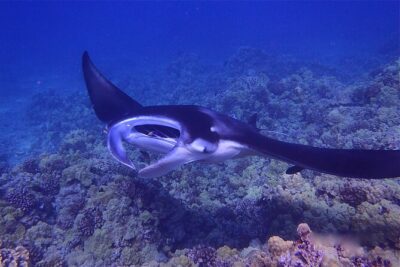
Manta Ray Night Snorkels, compared.
 ★ 5.0Big Island Manta Ray Night SnorkelFrom $845,656 reviews
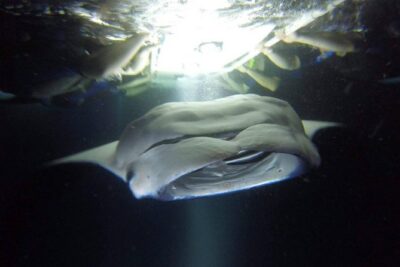 ★ 4.5Kona Manta Ray Snorkel Tour in Keauhou HarborFrom $252,465 reviews
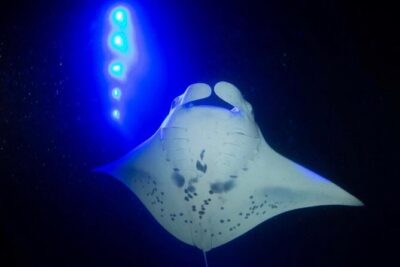 ★ 5.0KONA Manta Ray Night Snorkel – FREE re-ride if no SightingsFrom $492,212 reviews
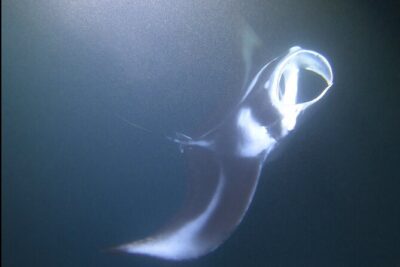 ★ 5.0Manta Ray Night Snorkel at Kona, Big IslandFrom $441,758 reviews
 ★ 4.5Glow of the Deep: Night Snorkeling with Manta RaysFrom $801,254 reviews
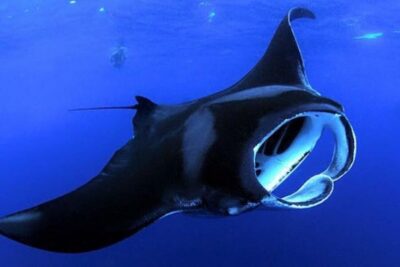 ★ 4.8Kailua Kona: Night Manta Ray Adventure on the Big IslandFrom $1211,199 reviews
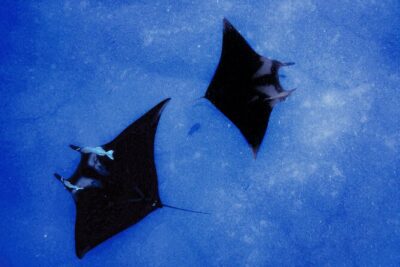 ★ 5.0Manta Magic: Small-Group Manta Ray Night Snorkel in Kailua KonaFrom $1451,141 reviews
 ★ 5.0Sunset and Manta Ray Snorkel AdventureFrom $154843 reviews
Browse the lists this tour appears in