
Reviewed · MANTA RAY NIGHT SNORKELS
Manta Ray Snorkeling by Night in Kailua-Kona, Hawaii
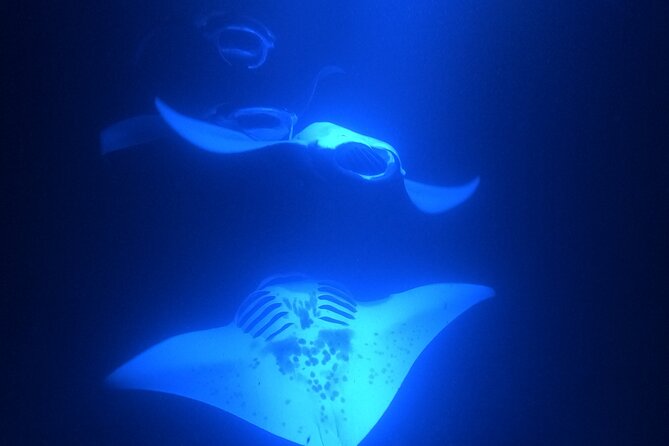
Manta rays at night are pure Hawaii. This small-group cruise from Kailua-Kona pairs a brief canoe ride with purpose-built lights that draw plankton, so you can float and snorkel with wild manta rays close to shore. I love the small groups of 12 or fewer, which keeps the guides focused on your safety and comfort. I also like the practical feel of the gear setup—wetsuit top, floatation, and snorkel equipment—so you’re not scrambling. The main catch is that you do have to swim and climb a short ladder unassisted, and manta sightings are never guaranteed because these are completely wild animals.
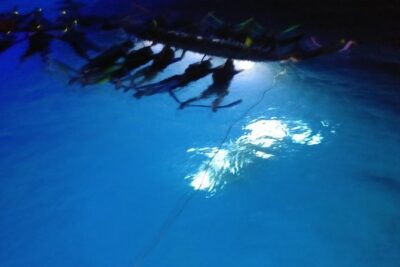
The timing is the whole point here: you go out after dark, when mantas are more active. You’ll hold onto a lighted flotation device and then head into the water to watch for slow, graceful passes and sudden swirls as they come in to feed.
One more thing to plan for: the ocean can still be the ocean. Even with a solid crew and a small boat, you may feel some chill and effort while holding the board, and the company can’t refund if mantas don’t show up on your specific night.
In This Review
- Key things to know before you book
- Why night snorkeling in Kona is the real deal for manta rays
- Canoe ride plus lightboard: what your evening schedule feels like
- Entering the water: ladder steps, wetsuit tops, and safety habits
- How the lights improve sightings without feeding or training the mantas
- The social vibe: small group size means real attention
- Price and value: is $127.10 worth it?
- Who this tour is best for (and who should skip)
- Practical tips that make the difference on night water
- When manta rays don’t show up: how the guarantee works
- Should you book this manta ray snorkeling in Kailua-Kona?
- FAQ
- How long is the manta ray snorkeling by night tour?
- What do I need to know about swimming and getting in and out?
- What gear is included, and do you have Rx snorkels?
- Are manta rays guaranteed to be seen?
- What is the minimum age to join?
- Is this tour suitable for people with mobility limits or recent surgery?
- What’s the cancellation and weather policy?
Key things to know before you book
- Small-group attention (max 12): You get more help during entry, time in the water, and getting back aboard.
- Lighted attraction system: Purpose-built lightboards and an illuminated floatation setup help concentrate plankton in your viewing area.
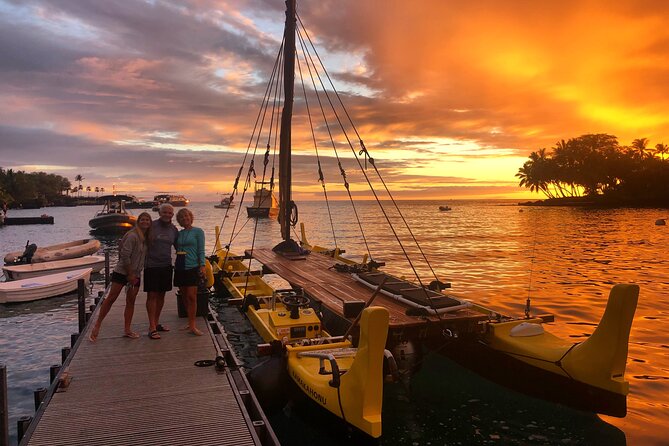
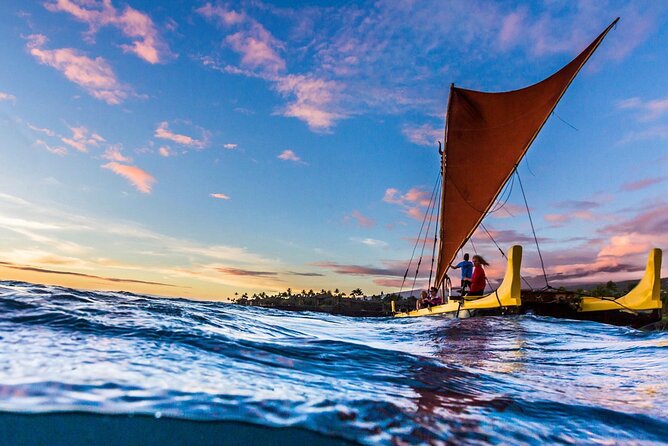
- Canoe instead of a big boat: A brief ride on a historically accurate Hawaiian double-hulled canoe adds a real sense of place.
- About 45 minutes of snorkel time: The full trip runs around an hour, but the actual time in the water is typically 45 minutes or more.
- Manta rays are wild, not fed: You can’t count on seeing them every night, even when conditions are ideal.
- You’ll need swim-and-ladder ability: The short ladder step is unassisted, and mobility limits can make this a no-go.
Another night out over the Kona mantas
- Big Island Manta Ray Night Snorkel★ 5.0 · 5,656 reviews
- Big Island: Kona Manta Ray Snorkel Tour in Keauhou Harbor★ 4.5 · 2,465 reviews
- KONA Manta Ray Night Snorkel – FREE re-ride if no Sightings★ 5.0 · 2,212 reviews
- Manta Ray Night Snorkel at Kona, Big Island★ 5.0 · 1,758 reviews
Why night snorkeling in Kona is the real deal for manta rays
Kailua-Kona is one of the best places in Hawaii to see manta rays, and nighttime is when the action often peaks. The reason isn’t magic; it’s food. Mantas feed on plankton, and the tour uses a lighted floatation device and lightboards to help attract the plankton upward where you’re waiting.
What you’re really paying for is better odds in a controlled setup. The guides place you where the lights are working, then you stay calm and watch. When the mantas arrive, you’ll notice how they move like they’re not in a hurry at all—slow arcs, then a glide that feels way closer than it looks from the surface.
And because the rays are wild, the experience has an honest wildness to it. You’re not chasing animals. You’re learning to share their rhythm for a short window—one night when the timing lines up.
Canoe ride plus lightboard: what your evening schedule feels like
Your evening starts in Kailua-Kona with a small group and guides, then you head out for a short ride. The canoe itself is part of the fun. It’s a different feeling than being herded onto a larger vessel, and you get a smoother, more intimate sense of being right there along the Kona Coast.
Tour time is about 1 hour total. Within that, the snorkel portion typically runs around 45 minutes or more once you’re in the water, so you get real viewing time rather than a quick in-and-out.
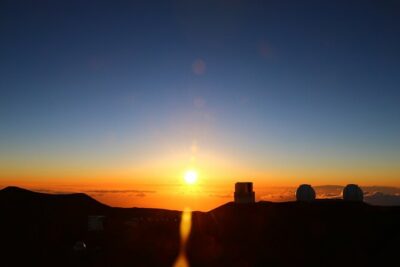
If you’re lucky with the timing, you may also catch a sunset during the early part of the trip. Several people mention seeing a gorgeous sunset while the group was still on the water before the snorkeling portion started. That matters because the experience is not just night-black. It’s a shift from dusk light to moonlit viewing.
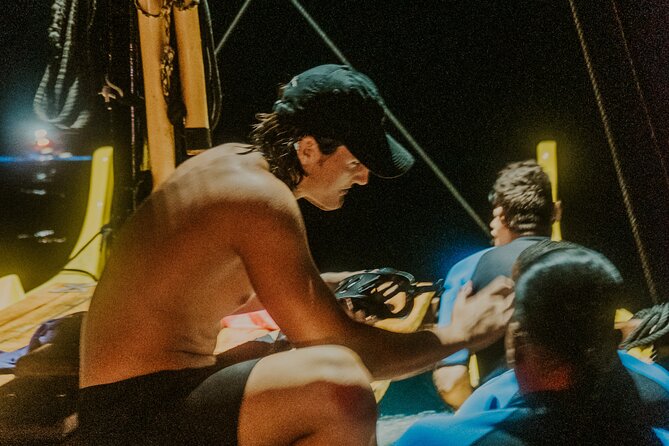
One practical detail: the lightboard setup uses equipment you hold onto. That can be tiring for some people, especially if you’re tense or cold. Build in a little patience and let your body settle—when the mantas show up, you’ll want your arms and breathing to cooperate.
Entering the water: ladder steps, wetsuit tops, and safety habits
You don’t need to be a pro swimmer, but you do need to be comfortable in real open water. The requirements are straightforward: you must swim and climb a short ladder unassisted. If you have limited mobility, recent surgery, or you’re unsure about your ability to handle the ladder, this is the kind of tour you should think twice about.
The good news is that the operation is set up to coach you through the process. People consistently highlight clear instructions and patient help during boarding and getting off the canoe. Names that came up include Kalala, Kama, and Chris in particular for being calm, encouraging, and careful about keeping everyone safe.
What’s included helps you focus on the water instead of shopping for gear. You’ll get:
- a wetsuit top for warmth
- floatation devices
- snorkel equipment, including options for Rx
You also need your own basics. Bring what you normally bring for a swim, plus a towel—people mention being glad they packed one for after. If you run even slightly cold, your towel matters more than you’d think once you’re back on board.
Motion sickness support is also a real thing here, not just a checkbox. One guide (Kalala) is specifically mentioned for helping someone who felt motion sickness during the water time. Still, motion sickness medication is not included, so if you rely on it, plan ahead.
How the lights improve sightings without feeding or training the mantas
Manta ray snorkeling lives and dies by the mantas’ behavior that night. Eka Canoe Adventures doesn’t feed or train the rays, so the manta rays decide whether they show up, how close they go, and how active they are.
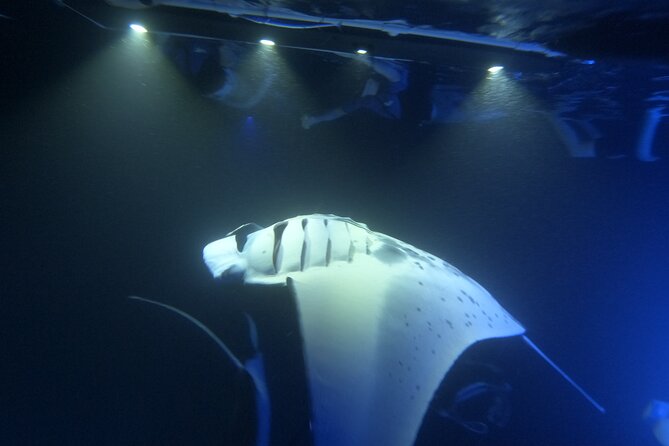
But the lights can change what you see. This tour uses purpose-built lightboards and an illuminated floatation device designed to increase manta ray sightings. The idea is to attract plankton near the surface, and then the mantas naturally come in to feed.
One interesting practical note: the operator emphasizes that their lighting is meant to be effective, including a blue hue that some people might find less obvious at first glance. In plain terms, they’re trying to make the light work in a way that actually pulls the plankton in, not just looks bright to humans.
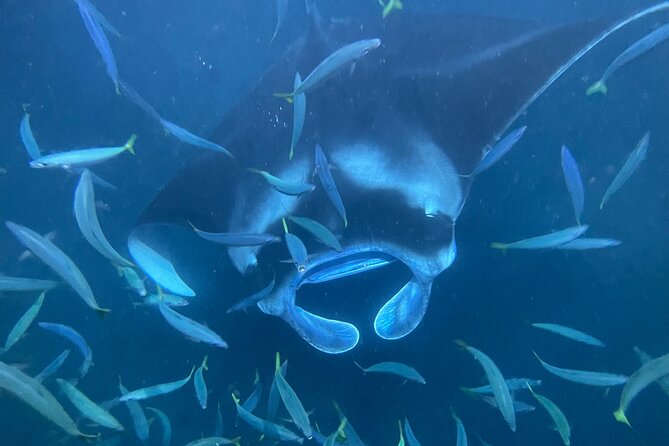
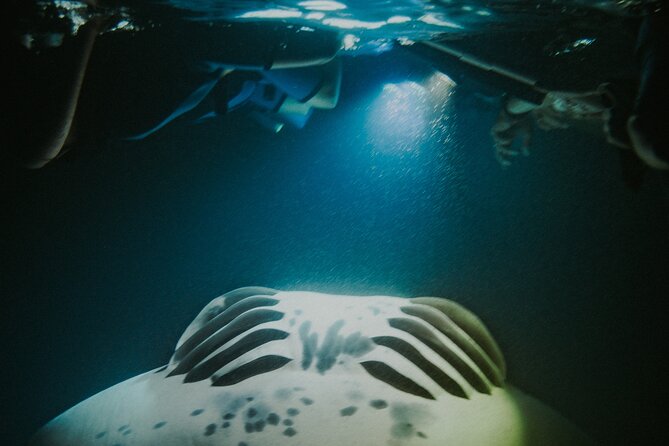
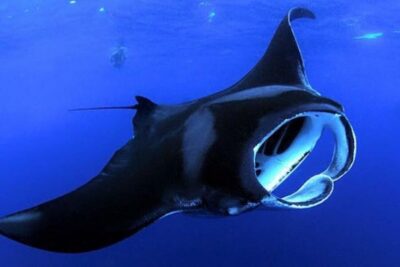
Once mantas arrive, you may see them swirl, roll, and unfurl their wings as they feed and travel. People also talk about mantas swimming within inches of the lightboard and sometimes brushing close. That kind of closeness can surprise you. You’re in the water with huge animals that feel gentle, but you still need to hold position and follow the guide’s instructions.
If the ocean is choppy or rainy, it can affect comfort and visibility. That’s not a failure on your part. It’s just weather and water physics. The small-group setup helps because you’re not trying to manage a crowd while the sea works against you.
More Big Island tours we have been out and rated

The social vibe: small group size means real attention
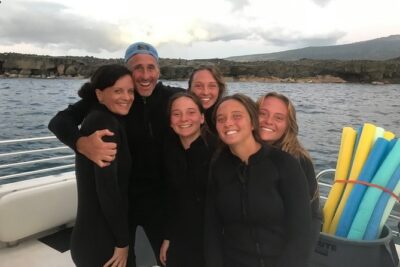
A group limit of 12 travelers shapes the whole experience. With fewer people, the guides can:
- help with entry and positioning
- keep an eye on everyone’s comfort
- handle the moment-to-moment changes when mantas appear
In the reviews, people repeatedly call out friendly, calm staff and a safety-first approach. Names that show up include Ni’Koa as part of the guiding team, plus Lance, Chaden, Beck, Tayler, and Rob for professionalism and helpfulness.
This matters because nighttime snorkeling isn’t a simple swim. You’ll likely feel a little uncertainty at first—especially when you’re close to the waterline and trying to hold onto a board while keeping yourself relaxed. A good guide makes that feel normal fast.
The best part of the small-group feel is that you get encouragement without rushing. People mention being nervous about entering the water and then being coached in a supportive way until it clicked. That’s the difference between a trip that feels intimidating and one that feels manageable.
Price and value: is $127.10 worth it?
At $127.10 per person, this isn’t a budget activity. You’re paying for three things at once: a specialized setup for night mantas, experienced crew, and a small-group format.
Start with the big value driver: manta-ray-specific equipment and technique. Purpose-built lighting and a viewing position strategy matter because you’re trying to create a feeding window where mantas are more likely to come close. If the light system is effective, your chances go up. If you were on a larger boat with more people, it’s easier for attention and positioning to get messy.
Next is the safety and professionalism angle. The operator mentions their captains and safety protocols as part of what your rate covers. You’re also getting a wetsuit top and snorkel equipment (including Rx), plus floatation devices. That’s not just convenience. It’s a quality-of-experience issue. Being warm enough and properly supported helps you enjoy the water time instead of white-knuckling through it.
Finally, you’re paying for the canoe experience and the time efficiency. People like that the ride to the manta area is short and the tour is close to an hour. Short rides usually mean less time cramped up and more time actually watching.
If you’re the type who hates paying more for “the privilege of being special,” this might sting a bit. If you care about getting the best odds and a calmer group vibe, the price tends to make sense.
Who this tour is best for (and who should skip)
This tour works best for you if:
- you can swim and climb a short ladder unassisted
- you’re comfortable with nighttime water conditions
- you want a small-group snorkel experience rather than a crowd scene
It also helps if you’re flexible about the timing of manta sightings. Wild animals don’t run on a schedule. You could have a night with lots of activity or a quieter night where mantas show up less dramatically—or not at all.
This is likely not a great fit if:
- you’ve recently had surgery
- you have mobility or physical restrictions that affect ladder entry
- your swimming comfort is uncertain
- you’re expecting a guaranteed, every-time animal encounter
There’s a minimum age of 5 years old, which makes it possible for families. Just remember: the water skills and ladder requirement still apply.
Practical tips that make the difference on night water
Here’s how to get more out of it with less stress.
Bring a towel even if you think you won’t need one. People are glad they had one after getting back aboard, and it’s a simple quality-of-life win.
Opt into the text message updates during booking. You’ll get day-of reminder info with instructions and pictures to help find parking and check-in. That can save you time in Kona, where you may be balancing dinner plans and sunset timing.
Wear your wetsuit top correctly and keep it snug. It’s for warmth, and the water can feel chilly even when the air is comfortable. Comfort here affects your ability to watch calmly.
Mentally prepare for the board time. Some people find holding onto the lightboard setup tiring, especially right after entering when adrenaline is high and the body is adjusting. Plan to breathe slow and steady, and let your guide’s cues do the work.
If weather is rough, it’s not automatically a cancellation, but it can change how you feel. One review mentions choppy water and rain while still delivering close manta encounters. Even if the weather isn’t perfect, the crew’s job is to keep you safe and positioned.
When manta rays don’t show up: how the guarantee works
Because the rays are wild, the company cannot guarantee sightings on your exact night. The policy is honest: if mantas don’t show, you don’t get a refund for that disappointment.
Instead, you’re offered another chance through a manta ray guarantee—another attempt on a different evening or on a future visit to Kona, if seats are available. This is important for planning. If you have only one night in town, you’ll want to consider whether you can realistically come back if your first night is quiet.
Also note that refunds for missed sightings are a no-go for any manta provider in Kona, not just this one. If manta rays are your top priority and your schedule is tight, I’d consider booking with enough buffer to handle that reality.
Should you book this manta ray snorkeling in Kailua-Kona?
Book it if you want a genuine, hands-on wildlife experience with real structure: small group size, guided help, specialized lights, and a canoe setting that feels more local than standard tour boats. If you’re comfortable with the swim-and-ladder requirement, this is the kind of activity that can become a lifelong story: huge mantas gliding past you at feeding time, right in front of the lightboard you’re holding.
Skip it if you’re not confident in the water or you have mobility limitations that make ladder entry risky. Also skip if you’re the type who needs guaranteed sightings on a single night. Wild manta rays don’t come when you want them to, even with the best setup.
If you do book, your best move is to go in relaxed. Follow the crew’s guidance, take the warming setup seriously, and give the ocean a little grace. When the mantas arrive, this tour tends to land in the category of I can’t believe that just happened.
FAQ
How long is the manta ray snorkeling by night tour?
The tour runs about 1 hour. Snorkel time is typically around 45 minutes or more once you’re in the water.
What do I need to know about swimming and getting in and out?
You must be able to swim and climb a short ladder unassisted. The guides provide instructions for loading and unloading, but you still need the physical ability to handle the ladder step.
What gear is included, and do you have Rx snorkels?
The tour includes a wetsuit top, floatation devices, and snorkel equipment. Snorkel equipment is available for normal and Rx needs.
Are manta rays guaranteed to be seen?
No. The manta rays are completely wild and not fed or trained, so their presence can’t be guaranteed. If you don’t spot manta rays, the company offers a Manta Ray Guarantee for another opportunity, rather than a refund.
What is the minimum age to join?
The minimum age allowed onboard is 5 years old.
Is this tour suitable for people with mobility limits or recent surgery?
It’s not recommended for guests who have recently undergone surgery. It’s also not recommended for those who may have mobility or physical restrictions.
What’s the cancellation and weather policy?
You can cancel up to 24 hours in advance for a full refund. If it’s canceled due to poor weather, you’ll be offered a different date or a full refund. If you cancel less than 24 hours before the experience starts, the amount paid is not refunded.
More Evening Experiences in Big Island of Hawaii
- Big Island Manta Ray Night Snorkel
★ 5.0 · 5,656 reviews - KONA Manta Ray Night Snorkel – FREE re-ride if no Sightings
★ 5.0 · 2,212 reviews - Manta Ray Night Snorkel at Kona, Big Island
★ 5.0 · 1,758 reviews - Big Island GOAT Experience: Mauna Kea Summit, Sunset & Stars
★ 5.0 · 1,706 reviews - Big Island: Mauna Kea Summit Tour with Free Night Star Photo
★ 5.0 · 1,449 reviews - Glow of the Deep: Night Snorkeling with Manta Rays
★ 4.5 · 1,254 reviews
More Tour Reviews in Big Island of Hawaii
- Big Island in a Day: Volcanoes Waterfalls Sightseeing and History
★ 5.0 · 6,569 reviews - Big Island Manta Ray Night Snorkel
★ 5.0 · 5,656 reviews - Big Island: Kona Manta Ray Snorkel Tour in Keauhou Harbor
★ 4.5 · 2,465 reviews - Hilo Shore Excursion: Volcanoes National Park & Black Sand Beach
★ 4.5 · 2,338 reviews - Big Island: Captain Cook Snorkel On A Power Catamaran With Lunch
★ 5.0 · 2,232 reviews - KONA Manta Ray Night Snorkel – FREE re-ride if no Sightings
★ 5.0 · 2,212 reviews
More Nights With the Kona Mantas
- Big Island Manta Ray Night Snorkel
★ 5.0 · 5,656 reviews - Big Island: Kona Manta Ray Snorkel Tour in Keauhou Harbor
★ 4.5 · 2,465 reviews - KONA Manta Ray Night Snorkel – FREE re-ride if no Sightings
★ 5.0 · 2,212 reviews - Manta Ray Night Snorkel at Kona, Big Island
★ 5.0 · 1,758 reviews - Glow of the Deep: Night Snorkeling with Manta Rays
★ 4.5 · 1,254 reviews - Manta Magic: Small-Group Manta Ray Night Snorkel in Kailua Kona
★ 5.0 · 1,141 reviews
Just Added: The Newest Big Island Reviews

Manta Ray Night Snorkels, compared.
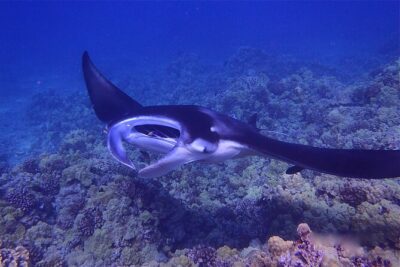 ★ 5.0Big Island Manta Ray Night SnorkelFrom $845,656 reviews
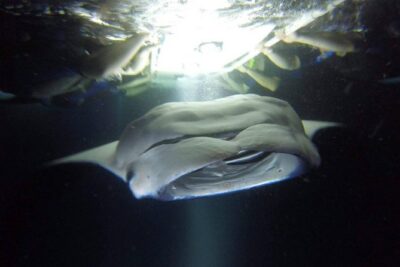 ★ 4.5Kona Manta Ray Snorkel Tour in Keauhou HarborFrom $252,465 reviews
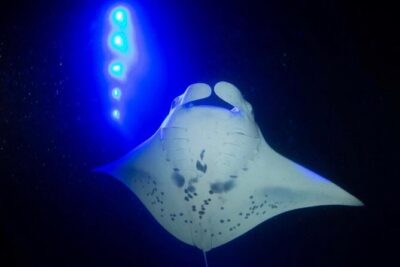 ★ 5.0KONA Manta Ray Night Snorkel – FREE re-ride if no SightingsFrom $492,212 reviews
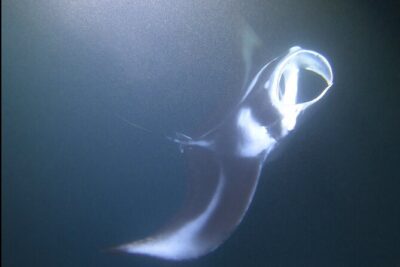 ★ 5.0Manta Ray Night Snorkel at Kona, Big IslandFrom $441,758 reviews
 ★ 4.5Glow of the Deep: Night Snorkeling with Manta RaysFrom $801,254 reviews
 ★ 4.8Kailua Kona: Night Manta Ray Adventure on the Big IslandFrom $1211,199 reviews
 ★ 5.0Manta Magic: Small-Group Manta Ray Night Snorkel in Kailua KonaFrom $1451,141 reviews
 ★ 5.0Sunset and Manta Ray Snorkel AdventureFrom $154843 reviews
Browse the lists this tour appears in