
Reviewed · MANTA RAY NIGHT SNORKELS
Kona: Manta Ray Night Snorkel Adventure
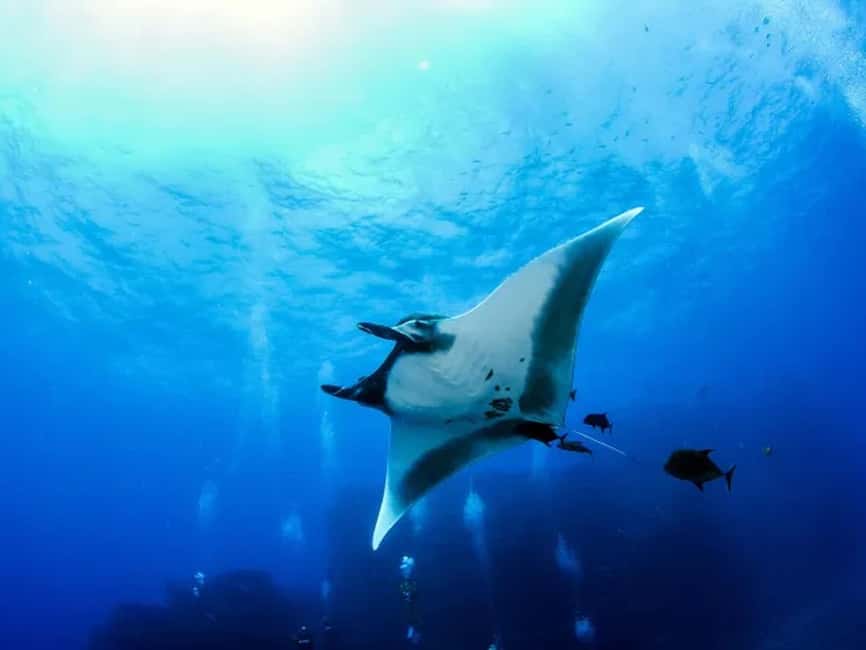
Night snorkel here feels like sci-fi. You’ll swim at Keauhou Bay after dark to see manta rays feed under lights, and the experience is run with a very practical, safety-focused approach from first briefing to last climb back onto the boat. My favorite part is watching the manta rays’ feeding behavior up close—often including the famous barrel roll—while the Hawaiian night stays calm and star-filled. A possible drawback: it’s a wild encounter, so there’s no guarantee you’ll see mantas on your specific night, and the tour’s real value depends on that wildlife moment.
This is priced like a premium wildlife outing, so I think it only makes sense if you’re comfortable with the rules and physical demands. You get a short sleeve wetsuit top, masks/snorkels, and pool noodles, but you’ll still need to swim, tread water, and climb a metal ladder from the pontoon. If you’re expecting a laid-back cruise where you can just float, you’ll want to think twice.
In This Review
- Key things that make this manta ray tour worth your time
- Why night manta rays at Keauhou Bay feel so different
- From check-in at the Keauhou Shopping Center to the boat in Keauhou Bay
- The 20-minute safety briefing that sets the whole tone
- The short boat cruises: 15 minutes out, 15 minutes back
- What the lights do in the water (and why they’re not just decoration)
- In-water time: watching barrel rolls up close, staying within the safety rules
- Gear, comfort, and the most common reasons people feel disappointed
- Price and value: is $107 worth it for a 2-hour tour?
- Who should book this, and who should skip it
- The small details that affect your success on the night
- Should you book the Kona manta ray night snorkel with Dolphin Discoveries?
- FAQ
- How long is the Kona manta ray night snorkel adventure?
- Where do I check in for the tour?
- What’s included in the tour price?
- Do I need to rent a snorkel vest?
- What should I bring?
- What’s the biggest safety requirement for getting in and out of the water?
- What if no manta rays are seen on my tour night?
Key things that make this manta ray tour worth your time
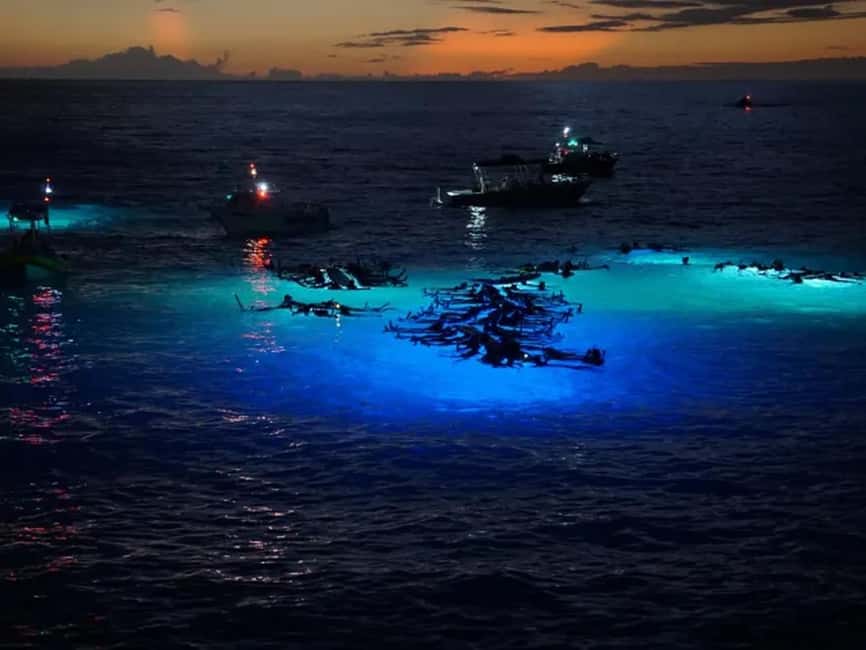
- Night feeding is the whole point: lights on the water reveal plankton activity and draw in manta rays.
- Barrel-roll moments are common enough to plan around: you’re likely to see that feeding twist while you’re in the water.
- A structured safety rhythm: a safety briefing before you go in, plus gear checks and in-water support.
- Close-but-no-touch style: you may get very near (even arm’s length), but you should avoid touching because it can harm their protective skin coating.
- Smallish groups on paper: up to 28 people per booking, which matters when you’re all managing gear at the surface.
- The main risk is wildlife timing: this is wild, and there are no refunds if mantas don’t show that night.
Another night out over the Kona mantas
- Kailua-Kona: Manta Ray Watching Nighttime Boat Trip★ 4.8 · 488 reviews
- Kona: Manta Ray Snorkel Tour, Guaranteed or Come Again Free★ 4.6 · 78 reviews
- Kona: Manta Ray Night Snorkel Adventure★ 4.4 · 34 reviews
- Kona Hi, Sunset Manta Ray Tour 10 passengers maximum★ 5.0 · 14 reviews
Why night manta rays at Keauhou Bay feel so different
Daytime manta encounters can be magical, but night changes the mood in a big way. After sunset, the ocean becomes quieter and darker, and the guides use lights to brighten what’s happening below the surface. That setup turns a “maybe I’ll see something” experience into a focused hunt: look into the lit water and watch for movement near the feeding zone.
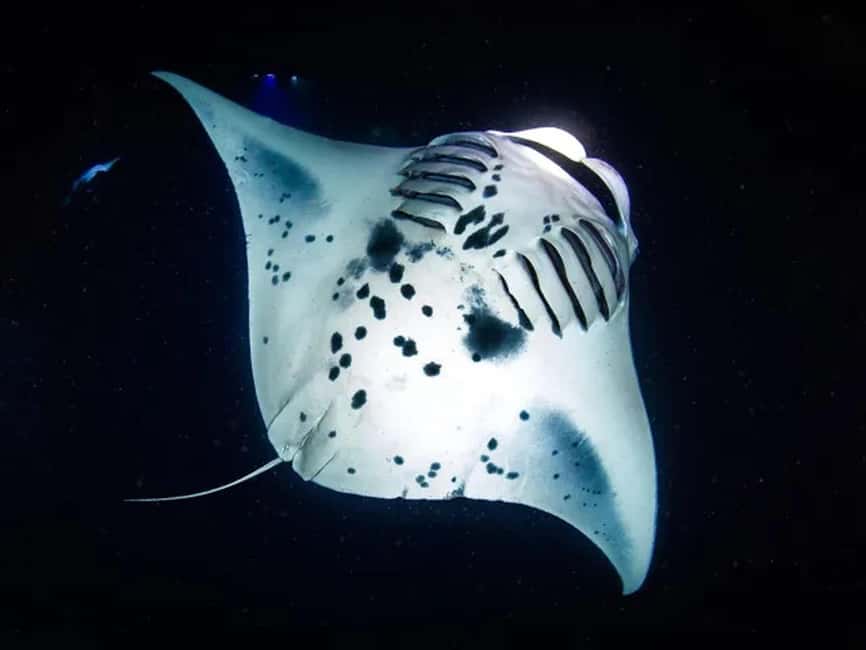
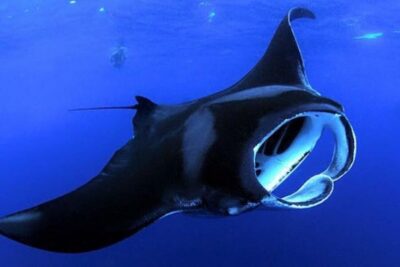
What you’re really chasing is how manta rays behave when they’re feeding. The tour describes the mesmerizing barrel roll feeding behavior, and that makes sense: the manta is not just passing by. It’s actively interacting with what’s in the water, and the timing can put you in the right place at the right moment.
If you like wildlife watching that has a purpose—not just drifting around hoping—you’ll probably love the way this one is run. It’s not a long hike or a long lecture. It’s a short, intentional window where your job is simple: listen to the safety instructions, swim with your group, and keep your eyes open.
From check-in at the Keauhou Shopping Center to the boat in Keauhou Bay
Your day starts at the Dolphin Discoveries retail check-in location in the Keauhou Shopping Center (78-6831 Alii Drive). You’ll then drive to the actual launch point at Keauhou Bay (78-7138 Kaleiopapa St, Kailua-Kona).
This two-stage setup is normal for Kona tours, but it matters for your planning. Transportation is on you for both legs, and you don’t return to the retail location after the tour unless you want souvenirs. If you’re using Uber, the operator advises adding a first stop (for check-in) and a second stop (for Keauhou Bay) so the driver waits.
Practical tip: plan your travel time like you’re going to a theater show, not a casual lunch. You’ll want to arrive to check-in on time so you’re not rushed when it’s time to move to the pontoon.
The 20-minute safety briefing that sets the whole tone
Before you head out, you’ll get a safety briefing at Keauhou Bay that lasts about 20 minutes. This isn’t busywork. With a night snorkel, the “rules of the water” matter more than anything.
Here’s what the tour data makes clear you must be able to do:
- Swim and tread water
- Follow instructions quickly (you must be physically and mentally capable of that)
- Climb back up a metal ladder onto the boat from the pontoon
Also, restroom facilities are not available on the boat, so you’ll want to handle that before you step onto the vessel.
The tour includes masks and snorkels, plus a short sleeve wetsuit top and pool noodles. Notably, a snorkel vest rental is not included, which means buoyancy needs are handled through what’s provided (and whatever else the operator offers on-site, if any). If you’re someone who usually relies on a vest, bring that mindset.
The short boat cruises: 15 minutes out, 15 minutes back
After the briefing, you’ll do a brief boat cruise—about 15 minutes—then you’ll return with another 15-minute cruise at the end.
Those time blocks are short, which is useful at night. You’re not spending half the tour warming up to the idea of swimming in the dark. You’re out long enough to reach the right area, then you’re in the water while the lights and wildlife are active.
One more practical detail: since this is at night, your whole experience is about orientation. The more you follow the guide’s directions about where to look and how to hold position, the less stressful it feels when you’re surface-level in the dark.
More Big Island tours we have been out and rated
What the lights do in the water (and why they’re not just decoration)
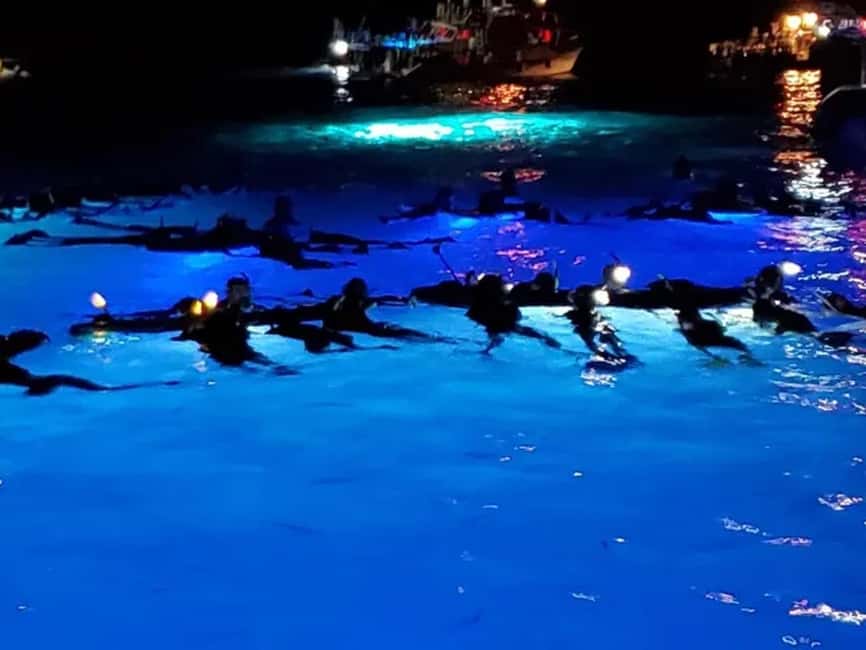
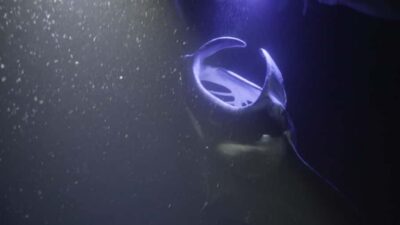
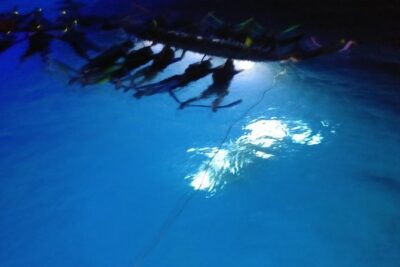
The tour uses lights to illuminate the ocean floor, and that’s the key to making night snorkeling effective. Without those lights, you’d see almost nothing beyond the glints on the surface. With them, the feeding zone becomes visible enough to support wildlife viewing.
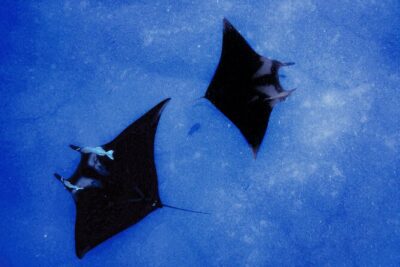
According to the tour description, you’re watching manta rays in a plankton-feeding situation. That means the mantas aren’t random visitors. They’re coming because the conditions in the water are attractive—and your job is to watch for graceful movement in the lit area.
This is also where the “magic” people talk about comes from. Night wildlife has a different emotional weight. You aren’t just observing from the comfort of shore. You’re floating near an animal that seems built for slow motion. If your comfort level with water is solid, this becomes unforgettable fast.
In-water time: watching barrel rolls up close, staying within the safety rules
The planned in-water portion is about 30 minutes for snorkeling and wildlife viewing. During that time, the guides guide you in and around the manta activity area.
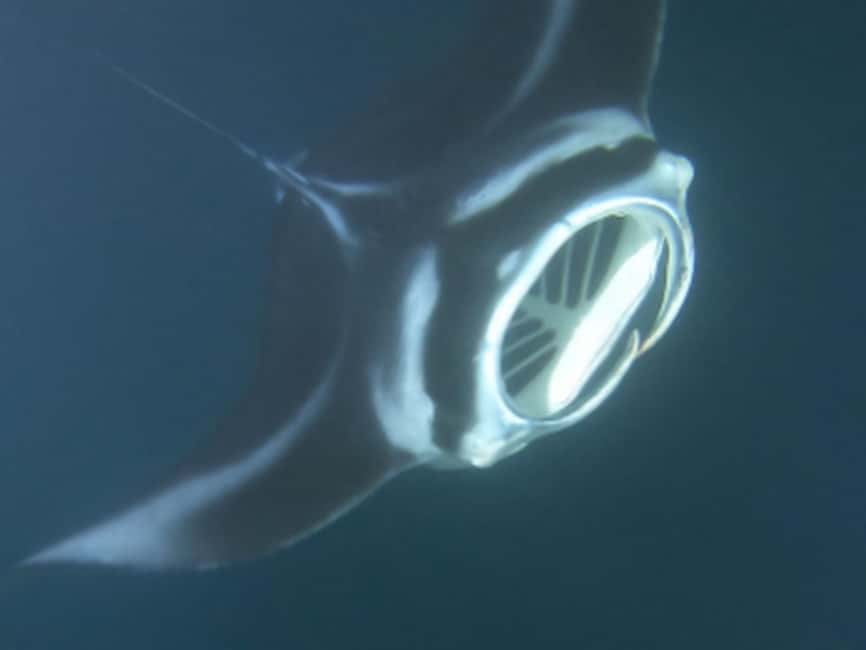
The description says manta rays may come as close as arm’s length, and you should not touch them. The reason is simple and important: touching can harm their protective skin coating. In other words, you’re not meeting a pet. You’re encountering a wild animal, and the right way to be close is to stay gentle and hands-off.
What the “barrel roll” often looks like in practice is a manta turning and curving its body in a way that’s hard to miss once you see it. If you’re in the right spot, it can happen just beneath you. That’s the moment that feels unreal: you realize you’re watching an animal’s feeding behavior in real time, not just catching a glimpse.
Gear, comfort, and the most common reasons people feel disappointed
You should show up with swimwear, bring a change of clothes, and pack a towel plus flip-flops. The tour provides masks and snorkels, a short sleeve wetsuit top, and pool noodles—but nighttime ocean air can still feel cool, especially before you get in.
The tour also has clear conduct rules: no smoking, no vaping, no alcohol or drugs, and no intoxication. Pets and large bags/luggage aren’t allowed.
Now for disappointment risk, which you should take seriously because it affects your value calculation:
- It’s a wild excursion, and there are no refunds if you don’t get to view mantas that night.
- People can end up feeling that time in the water didn’t match expectations if sightings are limited or the operation adjusts for safety and positioning.
This isn’t meant to scare you off. It’s meant to help you book with your eyes open. If you can handle the uncertainty and you’re excited by wildlife unpredictability, you’re the right audience.
Price and value: is $107 worth it for a 2-hour tour?
At $107 per person for about two hours total, you’re paying for three things at once:
- A guided night operation built around wildlife viewing
- Equipment support (masks/snorkels, wetsuit top, pool noodles)
- A safety-managed water experience that requires real handling in the dark (briefing, in-water crew support, and boat access)
Is that expensive? Yes, it’s not a budget activity. But it isn’t just “pay and swim.” You’re paying for an organized hunt for a specific animal behavior at night, plus a crew that actively manages the logistics of getting you in and out safely—especially with the requirement to climb a metal ladder back onto the boat.
So the real question is not “Is $107 cheap?” The real question is “Do I want to spend money for the chance to see manta rays feeding in the dark?” If that’s your goal, it can be an excellent value. If you’re the type who needs guarantees, this one might sting.
Who should book this, and who should skip it
This tour is not for everyone. The operator lists several “not suitable” categories, and you should respect them because they tie to safety in open water.
It’s not suitable for:
- Non-swimmers
- People with mobility impairments or wheelchair users
- People with back problems, heart problems, or similar health constraints listed
- People over 287 lbs (130 kg) or over 70 years
- Children under 6 (minimum age is 6, minors must be with an adult)
- People who can’t listen to and obey safety instructions in English
If you’re a strong swimmer who’s comfortable with night conditions, you’ll likely enjoy it more than someone who planned for a casual float. Also, you need to be okay with the hands-off manta rule and with climbing the ladder back onto the boat.
If swimming isn’t your plan, the operator says you can remain on the boat. They welcome “ride alongs,” but those are paid tickets because you’re still reserving a seat.
The small details that affect your success on the night
Some of the best outcomes come from preparation, not luck.
- Gear readiness: bring swimwear, a towel, and a change of clothes. You’ll be happier if you can dry off quickly after the tour.
- Communication: the tour guide is English, and the tour requires you to be able to speak and understand English.
- Don’t bring distractions: no large bags/luggage, and no alcohol/drugs that could affect judgment in the water.
- Arrive with a buffer: check-in happens at one location, and you then head to Keauhou Bay. The more on-time and calm you are, the smoother your night feels.
One more point that makes a difference emotionally: you’re dealing with wild animals. The day you go, your experience depends on what the ocean delivers. If you can treat it like a wildlife encounter rather than a guaranteed show, it gets a lot more rewarding.
Should you book the Kona manta ray night snorkel with Dolphin Discoveries?
If your dream is to see manta rays feeding at night with lights and a real chance to watch barrel rolls up close, this is a top match. The safety briefing, equipment support, and in-water crew guidance are built into the format, and you’re not just left to figure it out yourself in the dark.
I’d be cautious if you need guaranteed manta sightings for the price you’re paying, or if you have any limits related to swimming, health, or mobility (especially the ladder climb). And if you’re the kind of person who hates uncertainty, remember: this is a wild excursion, so you’re buying the chance, not a fixed outcome.
If you’re physically ready, comfortable in English instructions, and okay with hands-off wildlife, this is the kind of Kona experience that can genuinely stick with you long after the wetsuit is dry.
FAQ
How long is the Kona manta ray night snorkel adventure?
The total duration is about 2 hours.
Where do I check in for the tour?
Check-in is at the Dolphin Discoveries retail location in the Keauhou Shopping Center, 78-6831 Alii Drive. You’ll then drive to Keauhou Bay for the tour meeting.
What’s included in the tour price?
Masks and snorkels are included, along with short sleeve wetsuit tops and pool noodles.
Do I need to rent a snorkel vest?
A snorkel vest rental is not included in what the tour lists as included.
What should I bring?
Bring swimwear, a change of clothes, a towel, and flip-flops.
What’s the biggest safety requirement for getting in and out of the water?
You must be able to swim and tread water, and you must be able to climb up a metal ladder from the pontoon to get back onto the boat.
What if no manta rays are seen on my tour night?
This is a wild excursion, and the information provided says no refunds are given if you do not get to view mantas the night of your tour.
More Evening Experiences in Kailua Kona
- Kona Hi, Sunset Manta Ray Tour 10 passengers maximum
★ 5.0 · 14 reviews - Kailua-Kona: Night Manta Snorkel or Dive
★ 4.6 · 7 reviews - Kailua-Kona: Manta Ray Snorkeling and Sunset Sailing Cruise
★ 5.0 · 3 reviews
More Tour Reviews in Kailua Kona
- Kailua-Kona: Voyagers of the Pacific Luau with Buffet Dinner
★ 4.4 · 564 reviews - Kailua-Kona: Manta Ray Watching Nighttime Boat Trip
★ 4.8 · 488 reviews - From Hawaii: Historical Dinner Cruise Tour to Kealakekua Bay
★ 4.8 · 198 reviews - Kailua-Kona: Captain Cook Reef Catamaran Day Trip with Lunch
★ 4.8 · 189 reviews - Kona: Manta Ray Snorkel Tour, Guaranteed or Come Again Free
★ 4.6 · 78 reviews - Kona: Captain Cook Snorkel Tour
★ 4.7 · 35 reviews
More Nights With the Kona Mantas
- Kailua-Kona: Manta Ray Watching Nighttime Boat Trip
★ 4.8 · 488 reviews - Kona: Manta Ray Snorkel Tour, Guaranteed or Come Again Free
★ 4.6 · 78 reviews - Kona Hi, Sunset Manta Ray Tour 10 passengers maximum
★ 5.0 · 14 reviews - Big Island: Manta Ray Snorkel Boat Tour
★ 4.4 · 12 reviews - Kailua-Kona: Night Manta Snorkel or Dive
★ 4.6 · 7 reviews - Kailua-Kona: Manta Ray Snorkeling and Sunset Sailing Cruise
★ 5.0 · 3 reviews
Just Added: The Newest Big Island Reviews


Manta Ray Night Snorkels, compared.
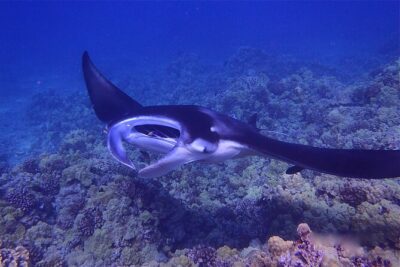 ★ 5.0Big Island Manta Ray Night SnorkelFrom $845,656 reviews
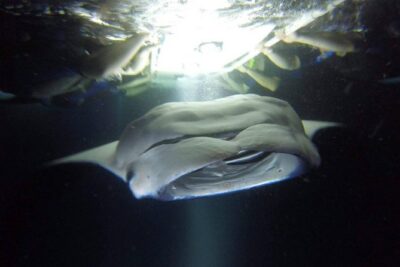 ★ 4.5Kona Manta Ray Snorkel Tour in Keauhou HarborFrom $252,465 reviews
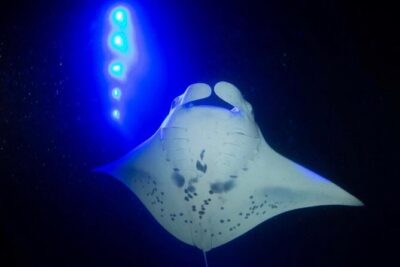 ★ 5.0KONA Manta Ray Night Snorkel – FREE re-ride if no SightingsFrom $492,212 reviews
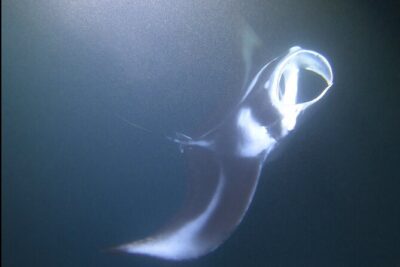 ★ 5.0Manta Ray Night Snorkel at Kona, Big IslandFrom $441,758 reviews
 ★ 4.5Glow of the Deep: Night Snorkeling with Manta RaysFrom $801,254 reviews
 ★ 4.8Kailua Kona: Night Manta Ray Adventure on the Big IslandFrom $1211,199 reviews
 ★ 5.0Manta Magic: Small-Group Manta Ray Night Snorkel in Kailua KonaFrom $1451,141 reviews
 ★ 5.0Sunset and Manta Ray Snorkel AdventureFrom $154843 reviews
Browse the lists this tour appears in