
Reviewed · MANTA RAY NIGHT SNORKELS
Kailua-Kona: Night Manta Snorkel or Dive
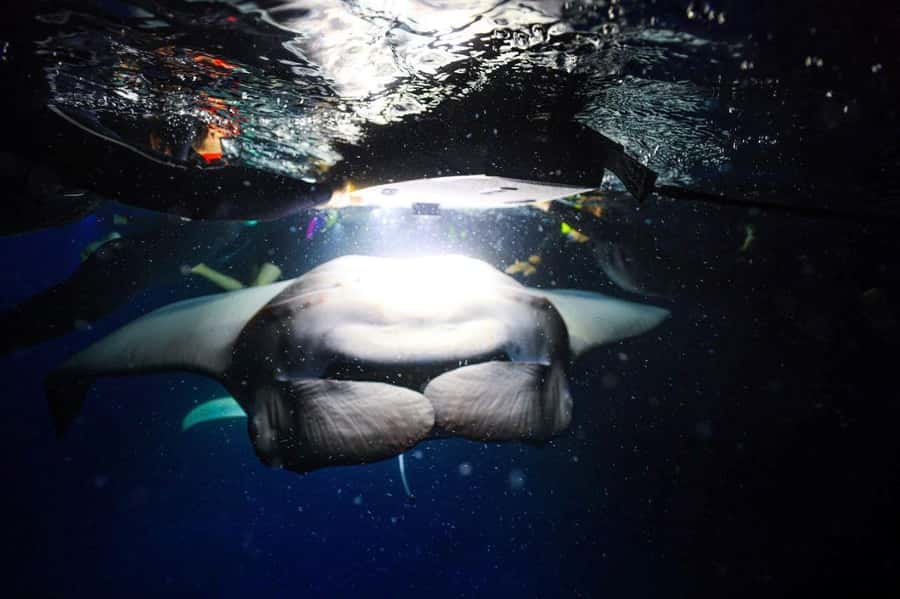
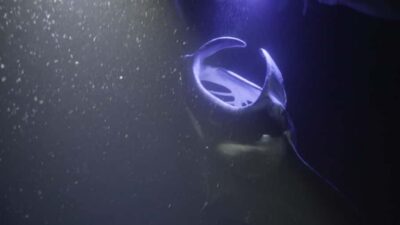
Manta rays at night are pure magic. This 2-hour Kailua-Kona night manta snorkel experience uses bright lights over plankton-rich water to pull giant manta rays into a sheltered bay, so you can watch them feed at close range. I especially like how the setup is simple and easy to follow, with the water staying calm and the action happening right where you’re floating.
My favorite part is the proximity. You’re not looking from far away—you’ll be anchored near sandy ground that drops to about 30 feet, and snorkelers can float above the underwater group to spot mantas while they perform continuous flips to grab plankton. Second on my list is the crew vibe: the captain and crew are described as capable and very nice, which matters because at night you want confident leadership, not guesswork.
One consideration: this isn’t a good fit if you’re not comfortable in the water or you’re prone to seasickness. It also isn’t suitable for people with back problems, so it’s worth deciding early if this day works for your body.
In This Review
- Key Things That Make This Worth Your Time
- Where You’ll Be and Why Kailua-Kona Makes This Easy
- How the 2-Hour Session Flows on the Water
- The Magic Mechanism: Lights, Plankton, and Manta Flips
- Snorkel Option vs Underwater Option: What Changes for You
- What’s Included (and What You Must Bring)
- The Rules: No Touching, No Problems
- Price and Value: Is $129 Worth It?
- Who This Is Best For (and Who Should Skip It)
- What to Know About Torpedo Tours and Scheduling Reality
- Should You Book This Night Manta Snorkel or Underwater Option?
- FAQ
- What is the location of this experience?
- How long is the tour?
- What is the price?
- What’s included in the cost?
- What should I bring?
- Is pickup included?
- Is diving or underwater gear included?
- Are there rules about touching anything in the water?
- Who is this not suitable for?
- Can I cancel for a full refund?
Key Things That Make This Worth Your Time
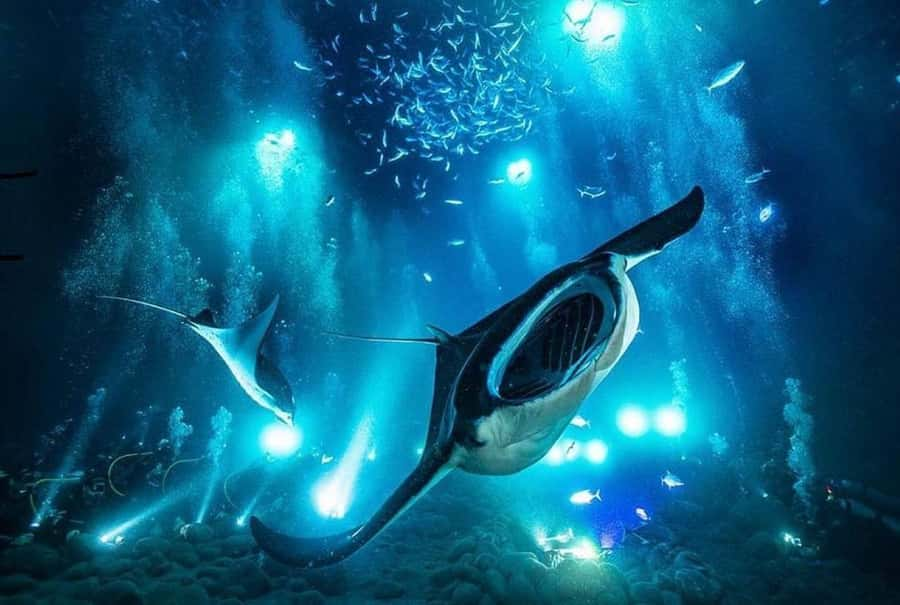
- Plankton + lights draw in the mantas right where the group is anchored
- Calm, sheltered bay helps keep the experience relaxed (and easier to manage)
- Sandy bottom around 30 feet gives you a clear viewing zone
- Snorkelers can watch above while the underwater group settles below
- Ethics rules are strict: no touching marine life or plants
Another night out over the Kona mantas
- Kailua-Kona: Manta Ray Watching Nighttime Boat Trip★ 4.8 · 488 reviews
- Kona: Manta Ray Snorkel Tour, Guaranteed or Come Again Free★ 4.6 · 78 reviews
- Kona: Manta Ray Night Snorkel Adventure★ 4.4 · 34 reviews
- Kona Hi, Sunset Manta Ray Tour 10 passengers maximum★ 5.0 · 14 reviews
Where You’ll Be and Why Kailua-Kona Makes This Easy
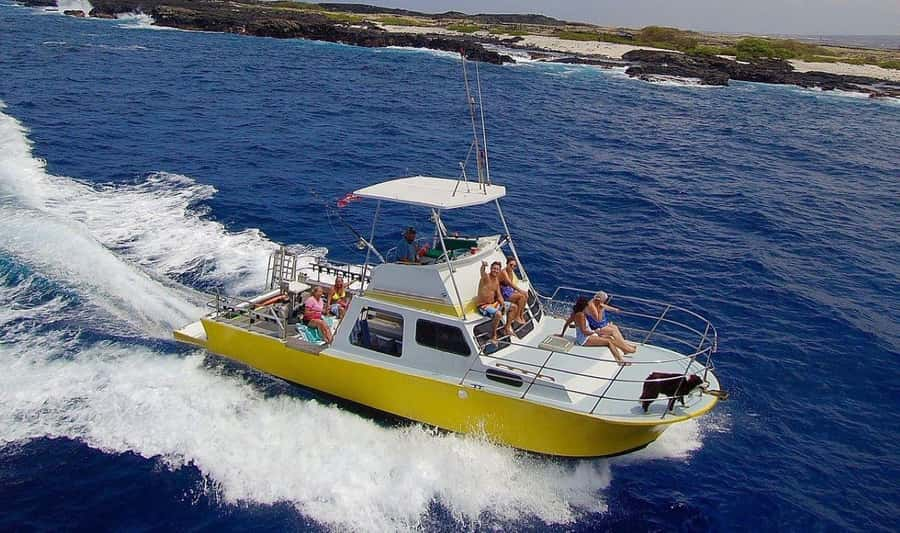
Kailua-Kona has the kind of manta-ray setup that just makes sense. The experience happens in a serene, sheltered bay with calmer water than open ocean, and that matters for your comfort and your viewing. When the water stays steady, you spend less time fighting balance and more time looking at what’s right in front of you—those slow, elegant giants.
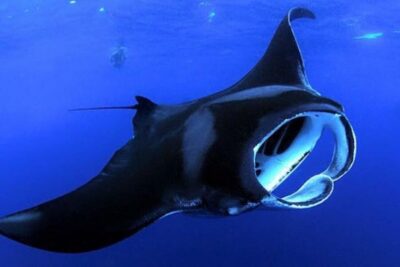
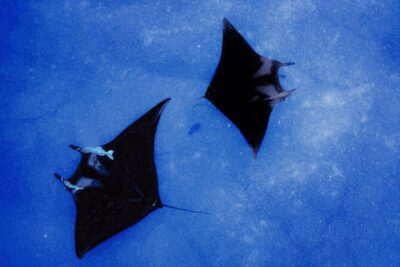
The other reason this area works is the feeding pattern. The bay has a high concentration of plankton, and the nighttime lights attract it. That’s the whole trick: when plankton gathers, mantas show up to feed. With mantas that can reach about 15 feet across and weigh over 1,000 pounds, you’re basically in the middle of a nightly buffet show, with the animals moving through the same zone as you.
How the 2-Hour Session Flows on the Water
You should think of this as a tight, focused 2-hour outing. There’s not much downtime built in—you’ll get geared up, head out in the boat, and then settle into the viewing area once the group anchors.
Here’s the shape of what you can expect:
- You’ll start with snorkeling gear included and light snacks and some non-alcoholic drinks on board.
- The boat anchors around a sandy area where the bottom drops to roughly 30 feet.
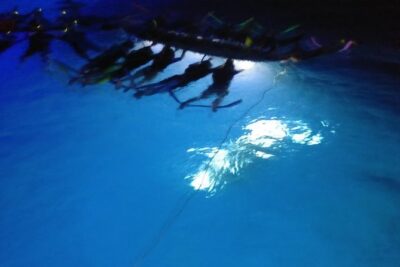
- Snorkelers float above the group in the water while the underwater participants stay closer to the sandy bottom.
- Lights come into play to attract plankton, and that draws mantas into the same area.
- You’ll watch mantas feed, often looping through repeated movements rather than a one-time pass.
- Then you head back so you can warm up and change out of swimwear.
Because this is a night activity, the timing feels different than a daytime snorkel. Your eyes adjust, and once they do, it’s easier to notice how the mantas move—slow glides, sudden turns, and those repeated flipping motions during feeding.
The Magic Mechanism: Lights, Plankton, and Manta Flips
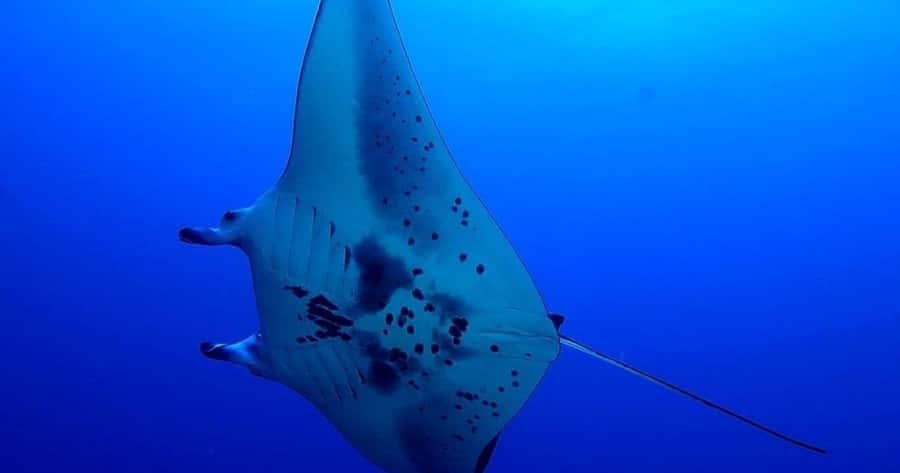
The spectacle isn’t random. It’s mechanical, in a good way. The lights attract plankton, and the plankton concentration draws mantas in. You’re essentially watching an ecosystem behavior that’s been happening locally for a long time.
Here’s what to look for:
- Plankton gathering near the light source creates a feeding zone.
- Mantas glide through the zone and feed in repeated cycles.
- You’ll often see those quick, continuous flips as they grab mouthfuls of plankton.
- The animals are large, but they’re gentle in the way they move through your view area.
This is one of those rare wildlife moments where you don’t have to work hard to find the action. You’re positioned over the area where the food is. If you’ve ever felt frustrated on wildlife tours that give you a distant silhouette, this format usually feels much more satisfying.
Snorkel Option vs Underwater Option: What Changes for You
This outing can be done either as a snorkel-focused experience or with an underwater option that requires rented gear (if you don’t already have it). The key difference is where you’ll be spending your time in the water.
- Snorkelers: You float and watch from above. That can be easier on your body because you’re not managing the added complexity of heavier gear. It also tends to make the viewing feel more “open”—you see the mantas cross your sight line as they glide through the lights.
- Underwater option: The plan is for participants to settle closer to the sandy bottom near about 30 feet. This usually means you’re positioned lower in the water column, closer to where the mantas come through the feeding zone.
If you’re deciding between the two, pick based on your comfort level first, not on what sounds coolest. If you’re confident floating and breathing comfortably, snorkeling can be a great choice. If you want to go deeper and spend more time directly in the feeding zone below, the underwater option may feel more hands-on—just remember that diving gear is not included and costs extra (40 USD can be rented on site when that option is selected).
More Big Island tours we have been out and rated
What’s Included (and What You Must Bring)
For $129 per person, the value is strongest when you show up prepared, because what’s included is practical and what’s not is easy to plan for.
Included:
- Snorkeling gear
- Light snacks
- Some non-alcoholic drinks
Not included:
- Towels
- Pickup
- Underwater/dive gear (40 USD rental available on site if you choose the underwater option)
What to bring (don’t skip this list):
- Swimwear
- A change of clothes
- A towel
- Snacks and water (the light snacks onboard help, but bringing extras is smart)
- A waterproof camera
- Biodegradable sunscreen
That biodegradable sunscreen detail matters more than it sounds. You’re in a marine environment with animals and plants present nearby, and the tour also has rules about touching marine life or plants—so protect the water where you’re seeing the animals.
The Rules: No Touching, No Problems
The experience has clear do-not’s:
- No touching marine life
- No touching plants
This is one of those “follow this and everyone wins” situations. If you touch the animals or plants, you risk stressing wildlife and disturbing the very habitat the mantas are using. It’s also safer for you—hands off keeps you from accidentally kicking, grabbing, or getting tangled.
Practically, this means you should focus on watching instead of reaching. If you’re tempted to swim closer for a better shot, work with your buoyancy and position instead of grabbing at anything. Bring a waterproof camera or phone housing so you can frame what’s already happening in your view.
Price and Value: Is $129 Worth It?
At $129 per person for a 2-hour outing, this isn’t a budget activity—but the value is tied to how specialized the experience is. You’re not just “seeing ocean life.” You’re seeing a highly structured feeding event where the mantas are drawn into a localized area by lights and plankton.
Here’s where the value makes sense:
- Snorkeling gear is included, so you’re not paying extra for core equipment (if you choose snorkeling).
- You get light snacks and non-alcoholic drinks, which helps you stay comfortable during a night outing.
- The bay is sheltered, so the experience is designed for manageable conditions rather than a chaotic open-ocean search.
Where value may depend on you:
- If you choose the underwater option, you’ll add 40 USD for underwater gear rental on site.
- Towels and pickup aren’t included, so plan how you’ll get there and how you’ll dry off afterward.
If you’re the type of person who wants a once-in-a-trip wildlife moment with real odds of close-up action, this price can feel fair. If you’re looking for a low-cost activity with long downtime, you’ll likely feel rushed by the format.
Who This Is Best For (and Who Should Skip It)
This is best for people who:
- Feel comfortable snorkeling at night (with a plan to keep breathing calmly and staying buoyant)
- Want close-up manta behavior rather than distant spotting
- Appreciate wildlife viewing that has clear rules and a focused setup
- Like that the bay is designed to stay calm
This is not suitable for:
- People with back problems
- Non-swimmers
- People prone to seasickness
If any of those apply, don’t force it. A manta encounter is exciting, but your comfort matters. Night water plus physical limits can turn a dream trip into a miserable one fast.
Also, consider how you’ll handle being in swimwear. Bring a change of clothes and a towel so you can reset comfortably when you’re done.
What to Know About Torpedo Tours and Scheduling Reality
This experience is provided by Torpedo Tours. In the feedback provided, the captain and crew are praised as capable and friendly. That’s a meaningful detail because a night marine activity needs confident handling—especially when everyone is watching the water and not trying to figure things out on the spot.
One more practical note: there has been at least one reported case of the activity being canceled on short notice the day it was supposed to happen. That doesn’t mean it’s common, but it’s smart to keep your plans flexible and confirm details as your date gets close.
If you’re traveling with a fixed itinerary, consider scheduling this activity earlier in your Kona trip window so you have room to adjust if weather or other factors cause changes.
Should You Book This Night Manta Snorkel or Underwater Option?
I’d recommend booking if you want a highly structured nighttime wildlife experience where you’re positioned for real manta-ray feeding behavior. The combination of lights, plankton, and a sheltered bay makes it far more likely you’ll see the mantas do what they do best—feeding through repeated passes, including those flipping motions.
Skip it if you don’t handle night water well, you’re not a confident swimmer, you get seasick easily, or you have back issues that would make getting in and out of the water harder. Also plan your logistics since pickup and towels aren’t included.
If you’re ready to follow the rules, bring the right gear (especially waterproof protection for your camera), and choose the option that fits your comfort level, this is the kind of Kona experience that feels unforgettable for the right reasons.
FAQ
What is the location of this experience?
It takes place in Kailua-Kona, Hawaii (United States).
How long is the tour?
The duration is 2 hours.
What is the price?
The price is listed as $129 per person.
What’s included in the cost?
Snorkeling gear is included, along with light snacks and some non-alcoholic drinks.
What should I bring?
Bring swimwear, a change of clothes, a towel, snacks, water, a waterproof camera, and biodegradable sunscreen.
Is pickup included?
No, pickup is not included.
Is diving or underwater gear included?
Underwater/diving gear is not included. If you select the underwater option, you can rent diving gear on site for 40 USD.
Are there rules about touching anything in the water?
Yes. Touching marine life and touching plants are not allowed.
Who is this not suitable for?
It’s not suitable for people with back problems, non-swimmers, or people prone to seasickness.
Can I cancel for a full refund?
Yes. Free cancellation is available up to 24 hours in advance for a full refund.
More Evening Experiences in Kailua Kona
- Kona: Manta Ray Night Snorkel Adventure
★ 4.4 · 34 reviews - Kona Hi, Sunset Manta Ray Tour 10 passengers maximum
★ 5.0 · 14 reviews - Kailua-Kona: Manta Ray Snorkeling and Sunset Sailing Cruise
★ 5.0 · 3 reviews
More Tour Reviews in Kailua Kona
- Kailua-Kona: Voyagers of the Pacific Luau with Buffet Dinner
★ 4.4 · 564 reviews - Kailua-Kona: Manta Ray Watching Nighttime Boat Trip
★ 4.8 · 488 reviews - From Hawaii: Historical Dinner Cruise Tour to Kealakekua Bay
★ 4.8 · 198 reviews - Kailua-Kona: Captain Cook Reef Catamaran Day Trip with Lunch
★ 4.8 · 189 reviews - Kona: Manta Ray Snorkel Tour, Guaranteed or Come Again Free
★ 4.6 · 78 reviews - Kona: Captain Cook Snorkel Tour
★ 4.7 · 35 reviews
More Nights With the Kona Mantas
- Kailua-Kona: Manta Ray Watching Nighttime Boat Trip
★ 4.8 · 488 reviews - Kona: Manta Ray Snorkel Tour, Guaranteed or Come Again Free
★ 4.6 · 78 reviews - Kona: Manta Ray Night Snorkel Adventure
★ 4.4 · 34 reviews - Kona Hi, Sunset Manta Ray Tour 10 passengers maximum
★ 5.0 · 14 reviews - Big Island: Manta Ray Snorkel Boat Tour
★ 4.4 · 12 reviews - Kailua-Kona: Manta Ray Snorkeling and Sunset Sailing Cruise
★ 5.0 · 3 reviews
Just Added: The Newest Big Island Reviews

Manta Ray Night Snorkels, compared.
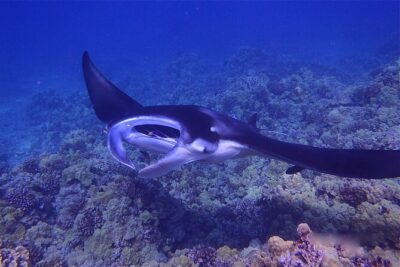 ★ 5.0Big Island Manta Ray Night SnorkelFrom $845,656 reviews
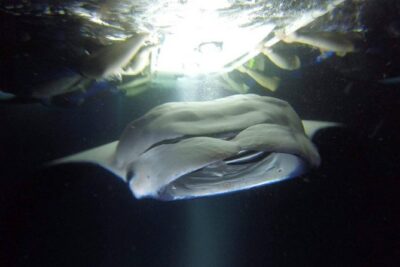 ★ 4.5Kona Manta Ray Snorkel Tour in Keauhou HarborFrom $252,465 reviews
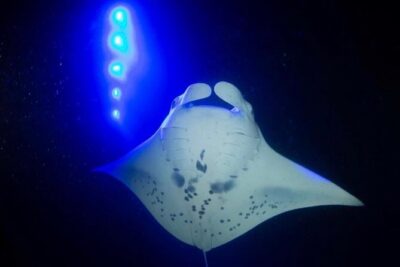 ★ 5.0KONA Manta Ray Night Snorkel – FREE re-ride if no SightingsFrom $492,212 reviews
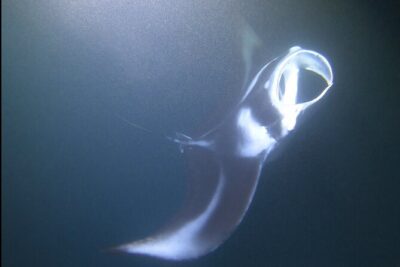 ★ 5.0Manta Ray Night Snorkel at Kona, Big IslandFrom $441,758 reviews
 ★ 4.5Glow of the Deep: Night Snorkeling with Manta RaysFrom $801,254 reviews
 ★ 4.8Kailua Kona: Night Manta Ray Adventure on the Big IslandFrom $1211,199 reviews
 ★ 5.0Manta Magic: Small-Group Manta Ray Night Snorkel in Kailua KonaFrom $1451,141 reviews
 ★ 5.0Sunset and Manta Ray Snorkel AdventureFrom $154843 reviews
Browse the lists this tour appears in