
Reviewed · MANTA RAY NIGHT SNORKELS
Kona Manta Night Snorkel: Swim with Mantas, Small Group (6 max)
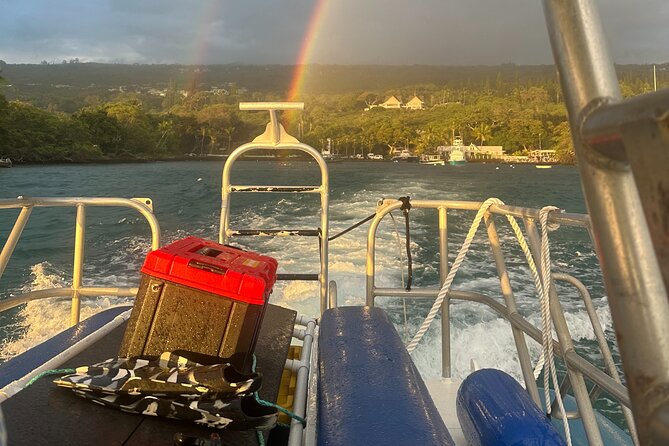
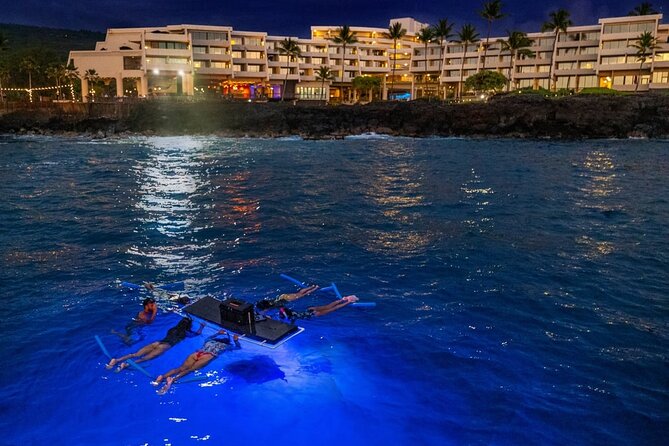
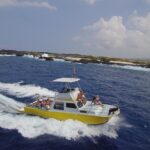
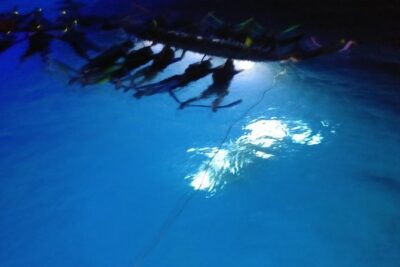
Manta rays at night feel unreal. This Kona night snorkeling trip uses light boards to attract plankton—the exact snack mantas cruise for—so you get a front-row view as they glide just under you. After a scenic boat ride from Keauhou Bay, you float comfortably in the water while guides run the show and keep things safe and calm.
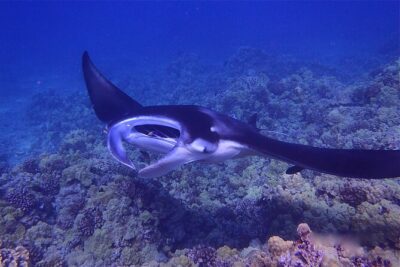
I love two things right away: the small group size (max 6), and how close the mantas can be. On my night, I saw multiple manta rays (I counted 3), and the guides—Erica and Levi—did a great job explaining what to do and helping everyone feel at ease.
One thing to consider: the tour is weather-dependent, and the snorkeling requirement means you should already feel comfortable swimming without assistance.
In This Review
- Key Things You’ll Notice
- How the Night Snorkel Works From Keauhou Bay
- Light Boards and Plankton: The Magic Mechanism
- What Floating Feels Like (and Why It Matters)
- The Boat Ride: Short, Scenic, and Purposeful
- Guides, Safety, and Keeping Everyone Comfortable
- Gear and Setup: Getting Ready Without the Fuss
- Watching Manta Rays Close Up
- Weather, Timing, and Realistic Expectations
- Price and Value: Is $160 Worth It?
- Who This Tour Fits Best
- Who Might Want to Think Twice
- Booking Windows and How Far Ahead to Plan
- Final Call: Should You Book Kona Manta Night Snorkel?
- FAQ
- Do I need to be a strong swimmer for this night snorkel?
- How long is the Kona manta night snorkeling experience?
- How big is the group?
- What is the meeting point for the tour?
- What kind of ticket and language is used?
- What happens if weather is poor?
Key Things You’ll Notice
- Small group format (6 max) keeps the experience personal and easier to manage in the water
- Light boards attract plankton, which draws the manta rays in close and steadily
- Erica and Levi guide with clear, calming instructions so you know what’s coming next
- Custom snorkeling gear helps you get set up quickly before you enter the water
- A short boat ride from Keauhou Bay makes the whole experience feel smooth and focused
- Limited duration (about 1 hour) means you get a memorable night moment without dragging it out
Another night out over the Kona mantas
- Big Island Manta Ray Night Snorkel★ 5.0 · 5,656 reviews
- Big Island: Kona Manta Ray Snorkel Tour in Keauhou Harbor★ 4.5 · 2,465 reviews
- KONA Manta Ray Night Snorkel – FREE re-ride if no Sightings★ 5.0 · 2,212 reviews
- Manta Ray Night Snorkel at Kona, Big Island★ 5.0 · 1,758 reviews
How the Night Snorkel Works From Keauhou Bay
This tour is built around one simple idea: get you in the right place at the right time, and give you the right gear, so the manta rays do the rest. You start at the meeting point in Kailua-Kona, then head out for a short scenic ride from Keauhou Bay. It’s not a long outing, so the pace stays friendly and practical.
Once you’re in the water, the goal is to float, watch, and follow the guide’s cues. Night conditions are dark, so this isn’t the moment to freestyle your technique. Think of it as controlled, easy snorkeling where your job is to be calm and present.
Light Boards and Plankton: The Magic Mechanism
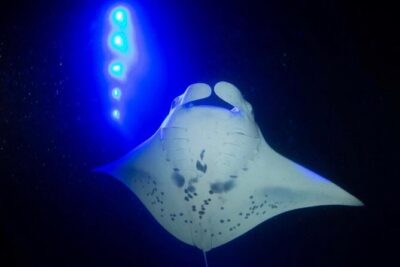
The real special sauce here is the custom light boards. These boards attract plankton, and manta rays feed on plankton in the water column. That matters because you’re not just hoping for a random sighting—you’re going where the mantas have a reason to show up.
From a practical standpoint, floating near the light makes it easier to spot what’s happening underwater. From a wildlife standpoint, it creates a concentrated feeding zone, which is why you can see mantas glide close beneath you instead of far away.
What Floating Feels Like (and Why It Matters)
You’ll snorkel at night, which changes the vibe fast. Visibility isn’t like daytime reefs, and the water can feel cooler and darker. That’s why the experience is designed around staying comfortable above the boards rather than chasing movement.
If you’ve snorkeled before, you’ll likely feel right at home. The tour notes that you don’t need to be a strong swimmer, but you do need to feel comfortable swimming without assistance. For me, that requirement is the difference between enjoying the moment and spending the night trying to stay relaxed.
The Boat Ride: Short, Scenic, and Purposeful
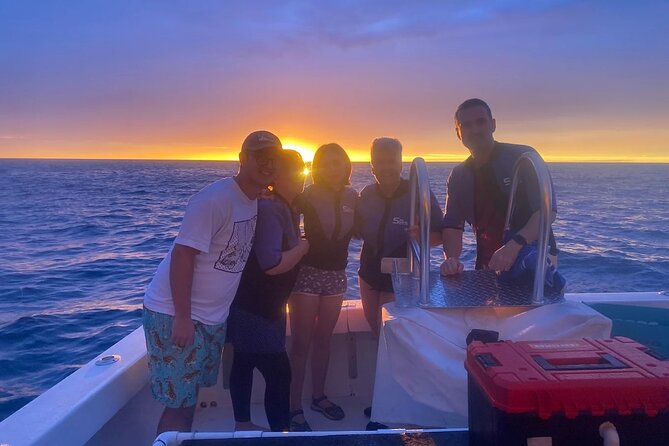
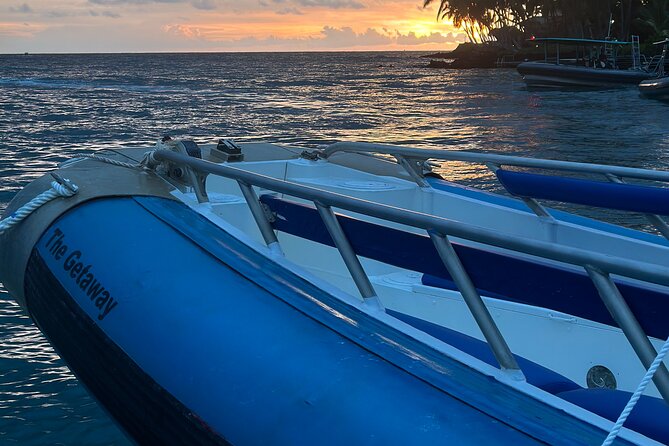
The boat portion is brief, and that’s a good thing. Long boat trips can turn the experience into travel fatigue, and this one stays focused. You also get that mini “all right, this is happening” moment while you’re out on the water before you gear up and enter the snorkel zone.
This is also where you’ll want to settle your mindset: at night, you’ll be more tuned in to sensation—water movement, the feel of the gear, and the guide’s instructions—than you will be to scenery.
More Big Island tours we have been out and rated

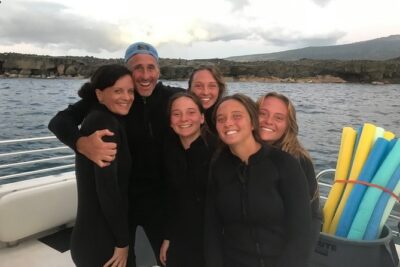
Guides, Safety, and Keeping Everyone Comfortable
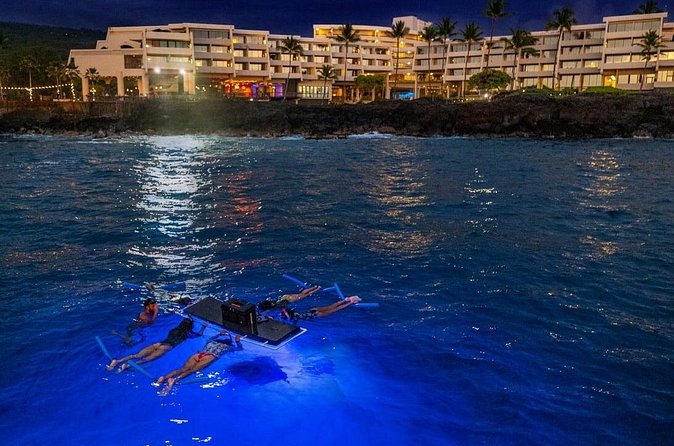
Clear guidance makes or breaks night snorkeling. The standout in the experience is how guides help you get comfortable fast, and the names Erica and Levi come up for a reason. The instruction isn’t just about rules; it’s about reducing uncertainty so you can actually enjoy watching manta rays glide inches below.
In a small group, that attention feels even more personal. You can ask questions without feeling rushed, and you’re less likely to get separated from the group plan. That small-group structure is one of the main reasons people like this tour so much.
Gear and Setup: Getting Ready Without the Fuss
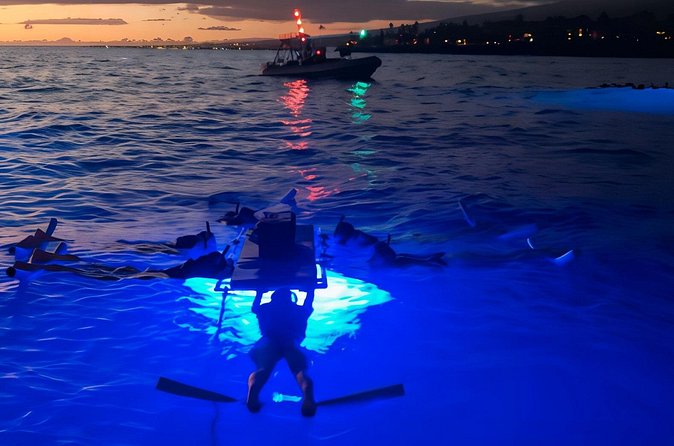
This activity includes premium gear, which matters because fit and comfort are everything at night. Poorly fitted gear can create stress, and stress is the opposite of what you want when you’re trying to enjoy wildlife close up.
Expect that the crew will help you get situated before the water part starts. You’ll likely spend more time feeling ready than wrestling with equipment, which keeps the experience smooth for everyone.
Watching Manta Rays Close Up
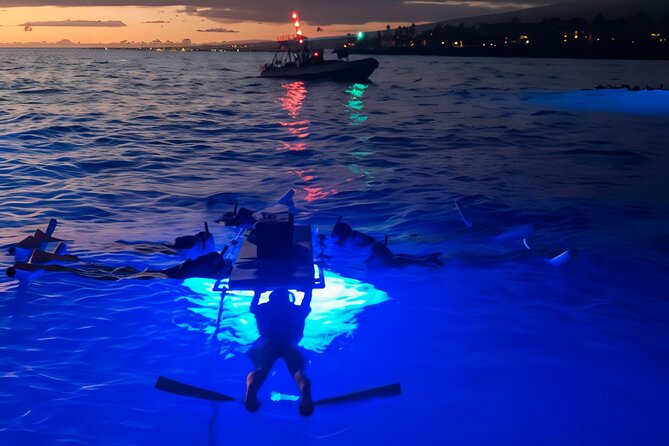
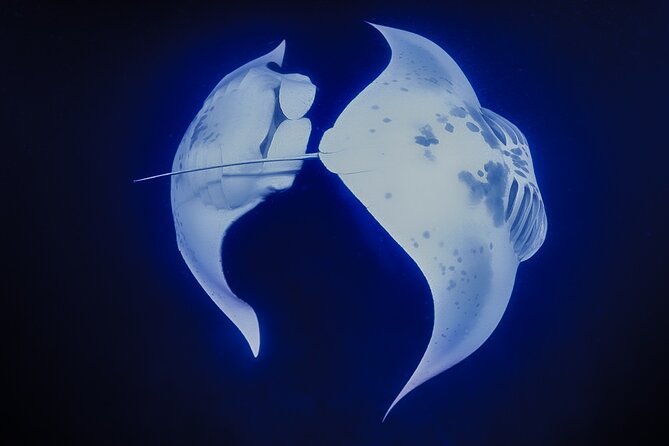
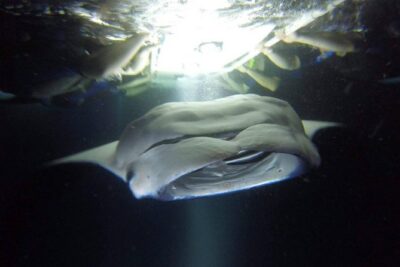
What you’re really here for is the manta encounter. Because the boards attract plankton, mantas come through the area to feed, and you get to watch them travel just beneath you. The key is not to treat it like a performance—you’ll have more luck and more calm if you stay float-ready and let the animals move naturally.
On nights where conditions line up, sightings can be multiple. One recent experience included 3 mantas on the same outing, and that matches what you’d hope for from a feeding-focused setup.
Weather, Timing, and Realistic Expectations
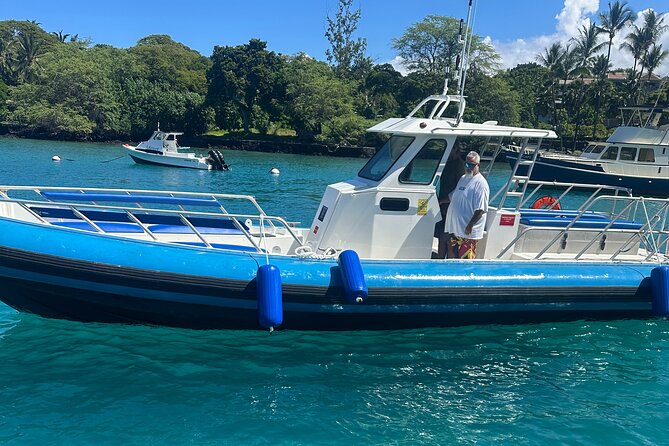
This tour is weather dependent. If conditions are poor, the operator offers a different date or a full refund, which is fair when you’re dealing with ocean conditions at night.
Timing also helps set expectations. The whole experience is about 1 hour (approx.), so you get a concentrated wildlife window. If you’re the type who wants hours and hours of action, this might feel brief. If you’re the type who wants one unforgettable moment done right, this duration fits perfectly.
Price and Value: Is $160 Worth It?
At $160 per person, this isn’t a budget activity, so you’ll want to judge value in the right way. For me, the value comes from three places:
- Small group cap (6 max): you’re paying for attention and control, not just access
- Specialized setup (light boards): you’re not hoping for chance—you’re joining a system built to attract mantas
- Expert guidance: night snorkeling gets tricky fast without someone guiding you through it
If you’ve seen manta rays at a distance, you already know how underwhelming that can feel. This kind of close-by viewing is exactly what tends to justify the price—especially when the guides keep everyone comfortable and the group stays manageable.
Who This Tour Fits Best
This tour is best for you if you:
- already have snorkeling experience
- feel comfortable swimming without assistance
- want a small group experience rather than sharing space with many people
- are excited by night wildlife and like structured guidance
It’s also a good fit if you’re traveling with limited time on the Big Island and want a high-impact activity that doesn’t eat your whole day.
Who Might Want to Think Twice
You might hesitate if:
- you’re brand-new to snorkeling and don’t feel confident in the water
- you’re the type who dislikes night settings and can’t get relaxed in the dark
- you’re hoping for a longer time in the water to search for wildlife
Because the mantas are attracted to a specific feeding setup, you also want to be willing to follow instructions rather than drifting off on your own.
Booking Windows and How Far Ahead to Plan
On average, this trip is booked about 50 days in advance, which tells you demand is real. If you’re traveling during popular seasons or weekends, you’ll want to book early so you don’t get stuck with limited availability.
The operator uses a mobile ticket, and you’ll get confirmation at booking. That setup is simple and traveler-friendly, especially if you like keeping everything on your phone.
Final Call: Should You Book Kona Manta Night Snorkel?
If you want a manta encounter that’s guided, controlled, and designed to bring mantas close, I’d book this. The small group size, the light-board plankton system, and the way guides like Erica and Levi help you feel comfortable are the core reasons this experience earns its strong reputation.
Just be honest with yourself about snorkeling comfort and night conditions. If you already feel good in the water, this is the kind of Big Island night that stays with you.
FAQ
Do I need to be a strong swimmer for this night snorkel?
You don’t need to be a strong swimmer, but you do need to feel comfortable swimming without assistance.
How long is the Kona manta night snorkeling experience?
It runs for about 1 hour (approximately).
How big is the group?
The tour has a maximum of 6 travelers, which keeps the experience more personal.
What is the meeting point for the tour?
The meeting point is at 78-7130 Kaleiopapa St, Kailua-Kona, HI 96740, USA. The activity ends back at the meeting point.
What kind of ticket and language is used?
You’ll receive a mobile ticket, and the tour is offered in English.
What happens if weather is poor?
This experience requires good weather. If it’s canceled due to poor weather, you’ll be offered a different date or a full refund.
More Evening Experiences in Big Island of Hawaii
- Big Island Manta Ray Night Snorkel
★ 5.0 · 5,656 reviews - KONA Manta Ray Night Snorkel – FREE re-ride if no Sightings
★ 5.0 · 2,212 reviews - Manta Ray Night Snorkel at Kona, Big Island
★ 5.0 · 1,758 reviews - Big Island GOAT Experience: Mauna Kea Summit, Sunset & Stars
★ 5.0 · 1,706 reviews - Big Island: Mauna Kea Summit Tour with Free Night Star Photo
★ 5.0 · 1,449 reviews - Glow of the Deep: Night Snorkeling with Manta Rays
★ 4.5 · 1,254 reviews
More Tour Reviews in Big Island of Hawaii
- Big Island in a Day: Volcanoes Waterfalls Sightseeing and History
★ 5.0 · 6,569 reviews - Big Island Manta Ray Night Snorkel
★ 5.0 · 5,656 reviews - Big Island: Kona Manta Ray Snorkel Tour in Keauhou Harbor
★ 4.5 · 2,465 reviews - Hilo Shore Excursion: Volcanoes National Park & Black Sand Beach
★ 4.5 · 2,338 reviews - Big Island: Captain Cook Snorkel On A Power Catamaran With Lunch
★ 5.0 · 2,232 reviews - KONA Manta Ray Night Snorkel – FREE re-ride if no Sightings
★ 5.0 · 2,212 reviews
More Nights With the Kona Mantas
- Big Island Manta Ray Night Snorkel
★ 5.0 · 5,656 reviews - Big Island: Kona Manta Ray Snorkel Tour in Keauhou Harbor
★ 4.5 · 2,465 reviews - KONA Manta Ray Night Snorkel – FREE re-ride if no Sightings
★ 5.0 · 2,212 reviews - Manta Ray Night Snorkel at Kona, Big Island
★ 5.0 · 1,758 reviews - Glow of the Deep: Night Snorkeling with Manta Rays
★ 4.5 · 1,254 reviews - Manta Magic: Small-Group Manta Ray Night Snorkel in Kailua Kona
★ 5.0 · 1,141 reviews
Just Added: The Newest Big Island Reviews


Manta Ray Night Snorkels, compared.
 ★ 5.0Big Island Manta Ray Night SnorkelFrom $845,656 reviews
 ★ 4.5Kona Manta Ray Snorkel Tour in Keauhou HarborFrom $252,465 reviews
 ★ 5.0KONA Manta Ray Night Snorkel – FREE re-ride if no SightingsFrom $492,212 reviews
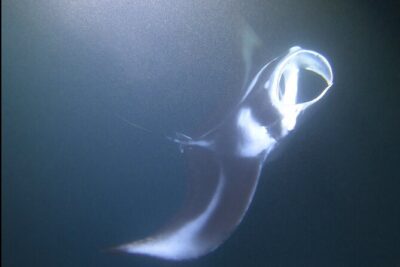 ★ 5.0Manta Ray Night Snorkel at Kona, Big IslandFrom $441,758 reviews
 ★ 4.5Glow of the Deep: Night Snorkeling with Manta RaysFrom $801,254 reviews
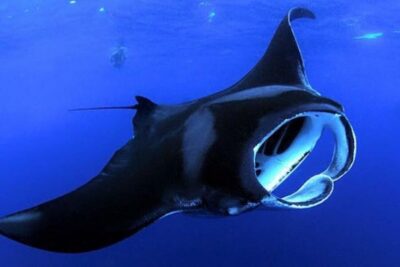 ★ 4.8Kailua Kona: Night Manta Ray Adventure on the Big IslandFrom $1211,199 reviews
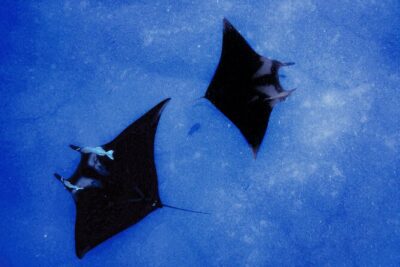 ★ 5.0Manta Magic: Small-Group Manta Ray Night Snorkel in Kailua KonaFrom $1451,141 reviews
 ★ 5.0Sunset and Manta Ray Snorkel AdventureFrom $154843 reviews
Browse the lists this tour appears in