
Reviewed · KONA HUMPBACK WHALE CRUISES
Kohola Whale Watching Excursion
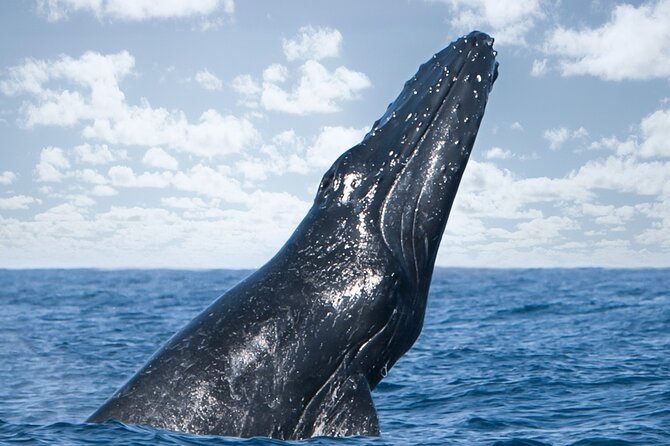
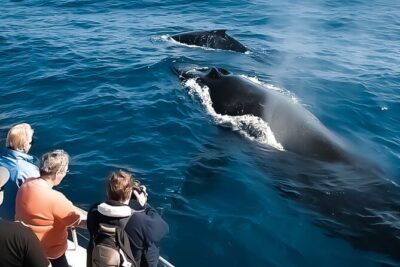
Humpback songs travel farther than you think. On Big Island’s Kona coast in winter, this 3-hour outing tracks humpback whales as they migrate through Hawaiian waters to mate, rest, and give birth. Because you’re on a small vessel, you get more time and flexibility on the water than big-boat cruises.
What I like most is the crew’s calm, hands-on way of working the hunt. Captain Cam and Alyssa feel present and prepared, and they focus on spotting whales while keeping disruption to the ocean as low as possible. I also love the intimacy: the boat is capped at 6 people, so when whales pop up, you don’t fight for a view.
One thing to plan for: ocean conditions matter. If the seas get rough, swimming may be paused and the outing can be cut short, and a partial refund has happened in at least one rough-weather case. If you want to snorkel, you also need ladder access and the physical comfort to do it safely.
In This Review
- Key highlights worth knowing
- Kona’s winter whale season: why this route makes sense
- The small-boat advantage off Honokohau Harbor
- Captain Cam and Alyssa: what their whale approach actually means
- Your 3 hours on the water: scanning, spotting, and staying patient
- Snorkel option: what’s included, when it works, and when it doesn’t
- Price and value: is $160 per person worth it?
- Who this tour suits best, and who should be careful
- Should you book Kohola Whale Watching in Kona?
- FAQ
- How long is the Kohola Whale Watching excursion?
- Where does the tour start, and what time does it begin?
- What is included in the ticket price?
- Is snorkeling included?
- How many people are on the boat?
- Are there height, weight, or health requirements?
- What if weather is bad or I need to cancel?
Key highlights worth knowing
- Humpback-only focus in Kona’s winter whale window
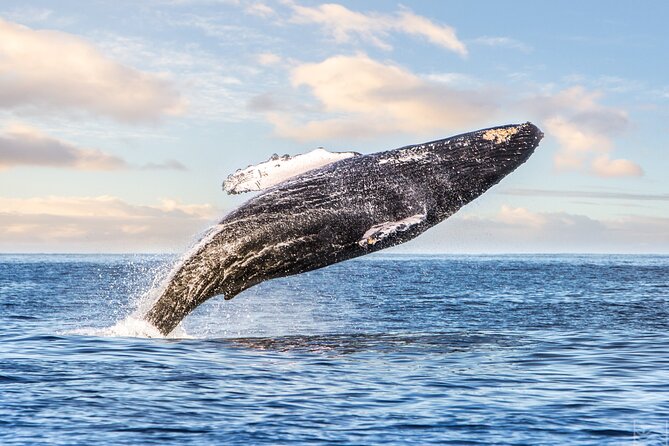
- Max 6 people for easier viewing and a quieter vibe
- Captain Cam and Alyssa bring a behavior-focused approach
- Whale songs you can hear thanks to an underwater audio setup
- Snorkel is optional and only if time and conditions allow
- Snacks and soda included, but you’ll want your own reusable water bottle
More humpbacks off the Kona coast this winter
- Whale Watching On The Big Island★ 5.0 · 573 reviews
- Big Island: Pelagic Whale Watch Tour★ 5.0 · 557 reviews
- Zodiac Raft Whale Watching Adventure★ 5.0 · 456 reviews
- Whale Watch Excursion from the Big Island★ 4.5 · 263 reviews
Kona’s winter whale season: why this route makes sense
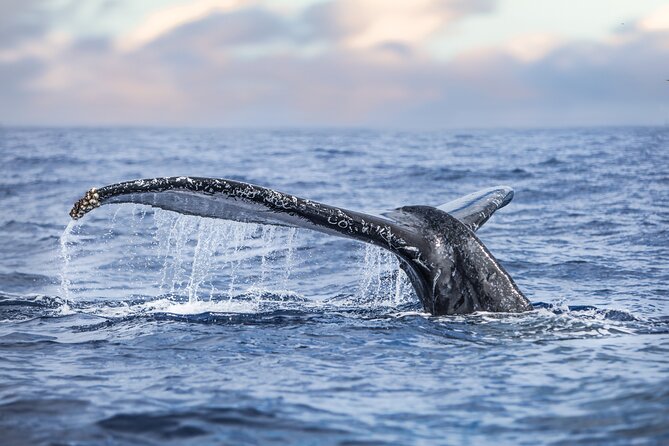
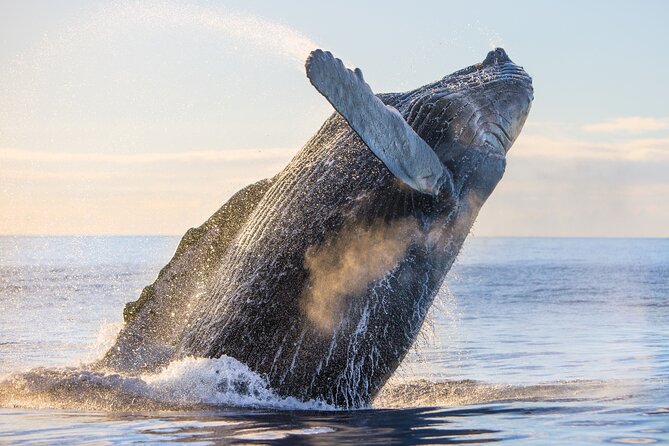
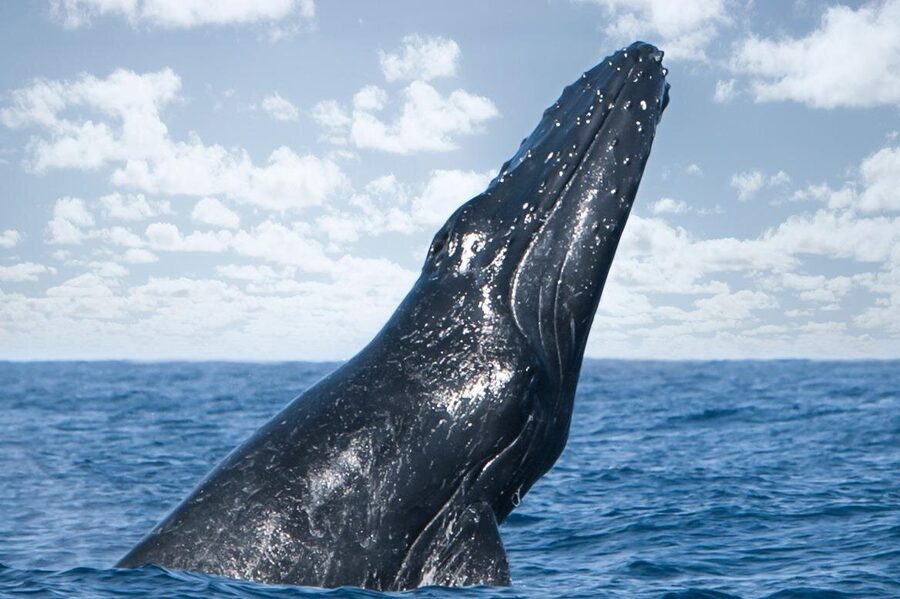
Kona’s coast in winter is whale country. This tour is built around the humpbacks that come through Hawaii waters to do the big life moments: mating, resting, and—most famously—birth season. On a good outing, you’re not just hoping for a sighting. You’re scanning with a crew that knows what they’re looking for and what to do when the whales change position.
The best part is that the experience is designed around whale behavior, not around “checking boxes.” Instead of turning the trip into a long ride with a quick whale stop, you get a true 3-hour run where whale sightings can shape the pace. That matters, because humpbacks don’t show up neatly on schedule. They surface, pause, and move in ways you can’t force.
Also, this company leans into the sounds. Humpback songs travel through water and can be haunting in a way that’s hard to describe until you hear it yourself. One review talked about using an underwater microphone, which is a smart touch: it turns the ocean into part of the show, not just the background.
If you’re the kind of person who likes nature experiences that feel more “on scene” than “tour-bus,” this format fits. And if you hate crowds, the small scale is a big deal (more on that next).
The small-boat advantage off Honokohau Harbor
The meeting point is Honokohau Harbor (KIWAILUKA, Big Island Hawaii), with a 1:00 pm start and the tour returning to the same spot. That timing is practical. It gives you a relaxed morning on the island and still lands you back on land with enough daylight to plan dinner.
But the real value is the boat size. This tour limits the experience to a maximum of 6 people. On a smaller vessel, spotting whales is simply easier. You can shift your position quickly as the action changes, and you’re less likely to get stuck behind someone’s camera the entire time.
You also tend to get a more “human scale” experience. One review described the crew as welcoming and knowledgeable, treating people like family and going out of their way to make sure everyone’s needs were covered. Even if you’re not expecting a personal vibe, the small group naturally helps.
There’s another practical advantage: with fewer people, you’re less likely to feel rushed. If whales are close and active, the crew can usually spend more time watching rather than moving on. If they aren’t, you’re not stuck in limbo either—you’re out scanning for whales during the core 3-hour window.
Just keep your expectations realistic about the ocean. Weather and sea state can change fast on the Kona coast. If it’s choppy, the captain prioritizes safety, and that can affect snorkeling time. Still, the small-boat setup generally keeps the experience focused on what you came for.
Captain Cam and Alyssa: what their whale approach actually means
In winter humpback habitat, behavior is the whole story. You’re looking for patterns: where whales surface, how they move between breaths, and how the group spreads or tightens. The crew’s job is to read those cues and position the boat in a way that gives you a good view without creating unnecessary stress for the animals.
Captain Cam and Alyssa come up again and again in feedback as welcoming and well-prepared. What stood out isn’t just that they could find whales—it’s that they worked in a way meant to reduce disruption. That matters because whale watching isn’t only about your experience. It’s also about how you treat the wildlife while you’re sharing their space.
There’s also the sound element. Hearing whale songs through an underwater microphone is more than a cool gadget. It changes how you interpret what you see. When you can correlate a call or song with the surface activity, the whole encounter feels more complete.
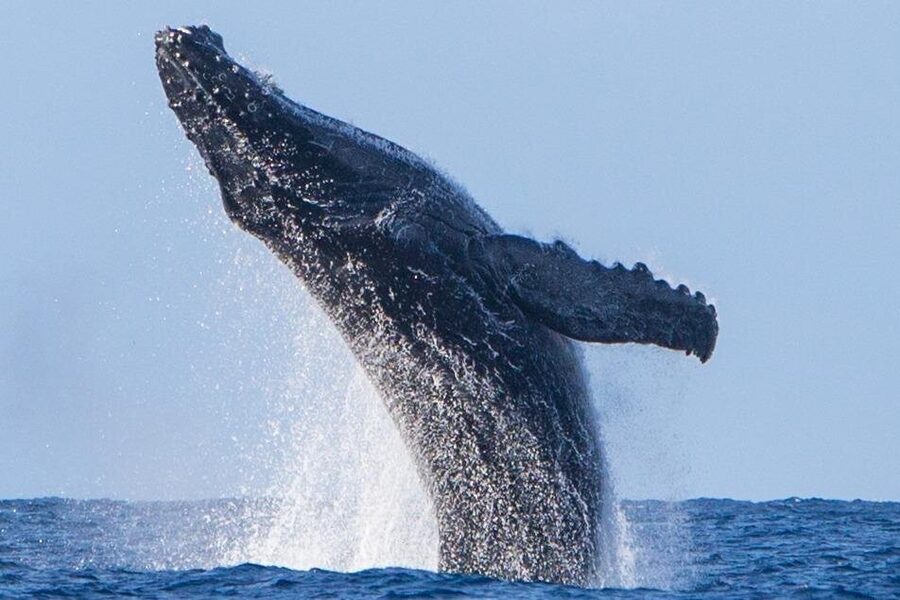
One more detail I really appreciate: the tour doesn’t market itself as a fast “look and leave” ride. It’s set up to stay on target long enough for multiple sightings. In fact, feedback includes times when people were surrounded by 8–9 whales at once. That kind of closeness is not something you can demand, but a crew that knows how to position the boat increases your odds.
If you care about getting the most out of a limited time window, this “behavior first” approach is exactly what you want.
Your 3 hours on the water: scanning, spotting, and staying patient
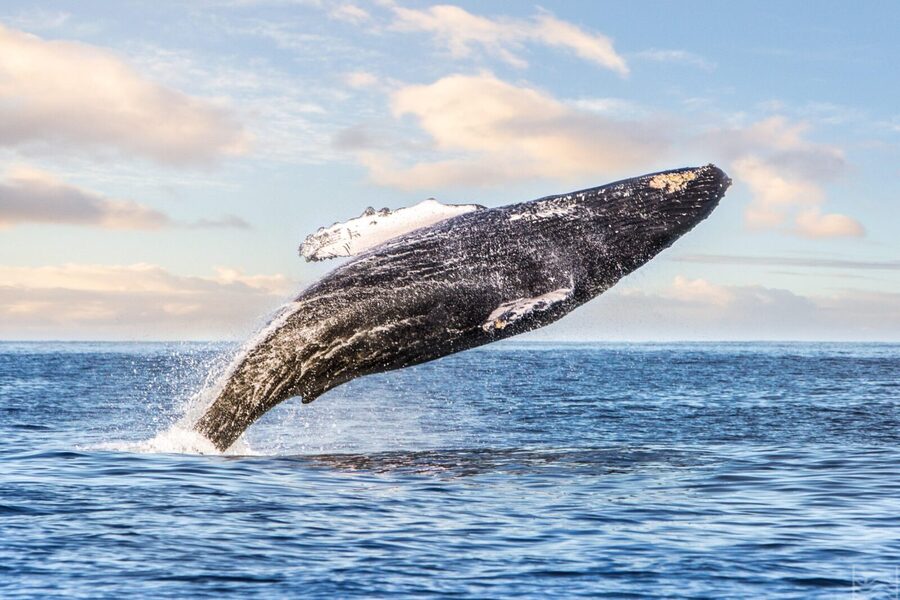
The tour runs about 3 hours total. The plan is simple: head out from Honokohau and scan the Kona coast for humpbacks. You’re likely to spend most of your time looking for whales rather than listening to long speeches. The best crews keep the tempo flexible, because whales decide what happens next.
When whales show, you may get:
- Multiple sightings during the cruise
- Longer observation windows when whales are active or close
- Extra marine life sightings like dolphins, depending on where the pod activity overlaps
One review mentioned dolphins—and even a white dolphin—showing up during the same outing as humpbacks. That’s the kind of bonus that can turn a whale trip into a full-on wildlife session. And because the boat is small, those sightings feel more immediate. You’re not just watching through a crowd; you’re actually part of the moment.
Here’s the part you should keep in mind: whales move. That means the crew may reposition the boat during the hunt. You should expect the experience to feel like real searching—quick shifts, watching the water, then steady focus when something appears.
Also, ocean conditions can shape what you can do. In rougher seas, swimming can be unsafe, and the crew may shorten the trip to keep everyone comfortable and secure. One person noted a shortened outing of about an hour and a partial refund to compensate. I’d treat that as a good sign of responsible management: safety comes first, but they also recognize you paid for a timed experience.
Snorkel option: what’s included, when it works, and when it doesn’t
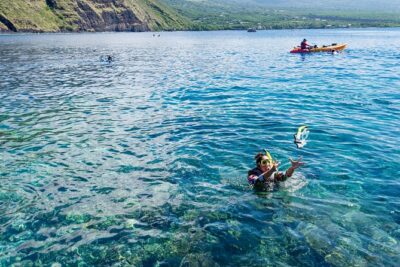
This tour can include a short snorkel if time allows. That’s not the same as a guaranteed full snorkel slot, so keep your plans flexible. The main focus is whale watching, and snorkeling is a bonus window, not the headline.
If you do snorkel, you’ll use the provided snorkeling equipment. That’s a real cost saver, especially if you don’t want to lug gear around the island. The included snacks and soda also help you keep energy up if you’re out in the sun and salt air.
One important practical requirement: you need to be able to climb a vertical ladder if you wish to snorkel. That’s one of those “sounds fine until you’re at sea” rules. If ladders and wet steps aren’t your comfort zone, skip snorkeling and stay focused on the whales from the boat.
Water comfort also depends on seas. Even with snorkeling gear, if the ocean is too rough, the crew may hold you back from swimming. That’s not a problem with the tour—it’s just the reality of open water.
If you’re deciding whether to book and you really want snorkeling, I’d treat this as a whale-first outing with a possible add-on. If whales are your priority (they should be for this tour), the snorkel uncertainty won’t bother you.
Price and value: is $160 per person worth it?
At $160 per person for about 3 hours, this isn’t a budget whale-watching option. But it’s also not priced like a premium luxury yacht. The value sits in the middle: you’re paying for smaller capacity, focused whale time, and practical inclusions.
Here’s what helps justify the price:
- Small group size (max 6 people), which can improve viewing and comfort
- Snorkeling equipment included, if you can and if time allows
- Snacks and soda included, so you’re not paying extra for basic fuel on the water
- A crew-led, whale-focused approach rather than a “ride around and hope” itinerary
What’s not included is bottled water, and you’re asked to bring your own reusable bottle. That’s easy to handle, but it’s worth planning for so you don’t end up buying a single-use water bottle at the last minute.
Is $160 “worth it” for you? If you’ve ever done wildlife tours where you spend more time stuck in a crowd than actually watching animals, this price starts to look fair. The small vessel format changes the feel of the experience. And when humpbacks are active and close, you get that rare moment when the ocean turns into a live scene—multiple whales, clear viewing angles, and even songs you can hear through the underwater mic.
Bottom line: if whale watching is a top priority and you can manage the small-boat reality (including possible choppy water), this is a strong value for Kona.
Who this tour suits best, and who should be careful
This is a moderate physical fitness experience, and you should be prepared for a small vessel. The tour also has clear safety and eligibility requirements:
- Must be 4 feet or taller
- Must be under 250 lbs
- Must not have had any major surgery in the past 6 months
- Service animals are allowed
- If you want snorkeling, you must be able to climb a vertical ladder
Those rules are not there to make things difficult. They’re there so everyone can move safely on and off the boat and, if needed, into the water.
Who it’s ideal for:
- People who want whale watching that feels close and personal
- Families or groups who prefer a small crew and simple timing
- Anyone who values wildlife behavior and sound, not just a quick sighting
Who might want to rethink it:
- Anyone who can’t handle ladders or wet boat movement
- Anyone with recent major surgery, or anyone uncertain about whether they meet the criteria
- People who are highly sensitive to rough seas and would struggle in a safety-first environment
You’ll also want to note the minimum requirement to run. The tour needs at least 4 people to operate. That means if you’re booking late, you might want a backup plan in case a date doesn’t hit capacity.
Should you book Kohola Whale Watching in Kona?
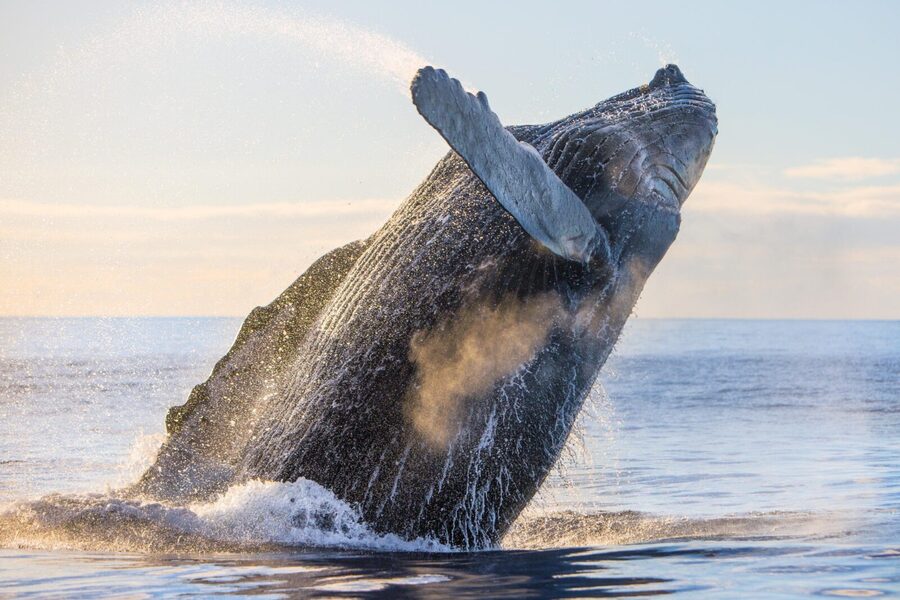
If you’re choosing between a crowded big-boat cruise and a smaller, whale-focused outing, I think this one makes sense. The price is mid-range, the inclusions are practical, and the small vessel format helps you actually watch what you came for. Add in the Captain Cam and Alyssa attention to whale behavior, plus the underwater audio for songs, and it becomes a full wildlife experience rather than a quick scan.
Book it if humpbacks are your priority and you’re comfortable with the reality of sea conditions. Book it with flexibility in mind if you’d like snorkeling, since it’s only offered if time allows and ladder access is required.
If you want a calm day on the water with zero uncertainty, you might feel more comfortable on a very stable, guaranteed-activity cruise. But for most people traveling to Kona in whale season, this small-boat setup is exactly the kind of experience that turns nature into a story you’ll remember.
FAQ
How long is the Kohola Whale Watching excursion?
The tour is about 3 hours.
Where does the tour start, and what time does it begin?
It starts at KIWAILUKA Big Island Hawaii, Honokohau Harbor in Kailua-Kona, and the start time is 1:00 pm.
What is included in the ticket price?
The ticket includes snorkeling equipment (if snorkeling happens), snacks, and soda/pop.
Is snorkeling included?
Snorkeling is included only if time allows. Snorkeling equipment is provided, but you must be able to climb a vertical ladder if you choose to snorkel.
How many people are on the boat?
The tour has a maximum of 6 travelers, and it requires a minimum number of people (4) to run.
Are there height, weight, or health requirements?
Yes. You must be 4 feet or taller, under 250 lbs, and you should have moderate physical fitness. You must not have had any major surgery in the past 6 months. If you want to snorkel, you must be able to climb a vertical ladder.
What if weather is bad or I need to cancel?
The experience requires good weather. If it’s canceled due to poor weather, you’ll be offered a different date or a full refund. You can cancel for a full refund up to 24 hours in advance.
More Tours in Big Island of Hawaii
- Big Island: Kona Manta Ray Snorkel Tour in Keauhou Harbor
★ 4.5 · 2,465 reviews - Hilo Shore Excursion: Volcanoes National Park & Black Sand Beach
★ 4.5 · 2,338 reviews - Small Group Big Island Twilight Volcano and Stargazing Tour
★ 5.0 · 1,619 reviews - Big Island: Mauna Kea Summit and Stars Small-Group Adventure Tour
★ 5.0 · 1,545 reviews - Big Island: Mauna Kea Summit Tour with Free Night Star Photo
★ 5.0 · 1,449 reviews - Kona Snorkel Tour: Captain Cook Reef Snorkel, Dolphin & Sea Caves
★ 4.5 · 1,411 reviews
More Tour Reviews in Big Island of Hawaii
- Big Island in a Day: Volcanoes Waterfalls Sightseeing and History
★ 5.0 · 6,569 reviews - Big Island Manta Ray Night Snorkel
★ 5.0 · 5,656 reviews - Big Island: Kona Manta Ray Snorkel Tour in Keauhou Harbor
★ 4.5 · 2,465 reviews - Hilo Shore Excursion: Volcanoes National Park & Black Sand Beach
★ 4.5 · 2,338 reviews - Big Island: Captain Cook Snorkel On A Power Catamaran With Lunch
★ 5.0 · 2,232 reviews - KONA Manta Ray Night Snorkel – FREE re-ride if no Sightings
★ 5.0 · 2,212 reviews
Humpbacks Off the Kona Coast
- Whale Watching On The Big Island
★ 5.0 · 573 reviews - Big Island: Pelagic Whale Watch Tour
★ 5.0 · 557 reviews - Zodiac Raft Whale Watching Adventure
★ 5.0 · 456 reviews - Whale Watch Excursion from the Big Island
★ 4.5 · 263 reviews - Wake Up With the Whales Cruise on Seasmoke
★ 5.0 · 159 reviews - Whale Watching Tour – Big Island, Hawaii
★ 5.0 · 148 reviews
Just Added: The Newest Big Island Reviews



Kona Humpback Whale Cruises, compared.
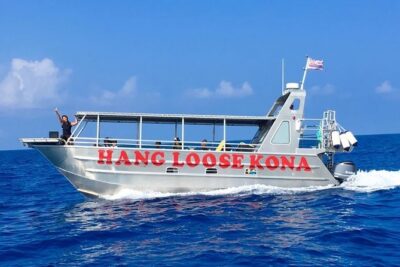 ★ 5.0Whale Watching On The Big IslandFrom $98573 reviews
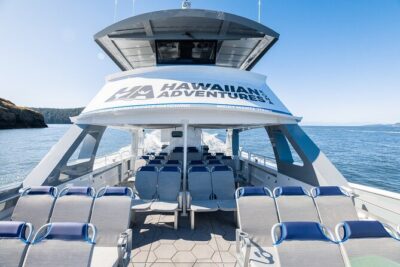 ★ 5.0Pelagic Whale Watch TourFrom $129557 reviews
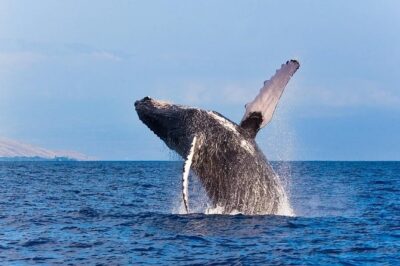 ★ 5.0Zodiac Raft Whale Watching AdventureFrom $113456 reviews
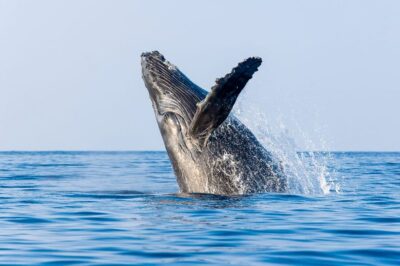 ★ 4.7Kailua-Kona: Whale Watching Cruise on the Big IslandFrom $115273 reviews
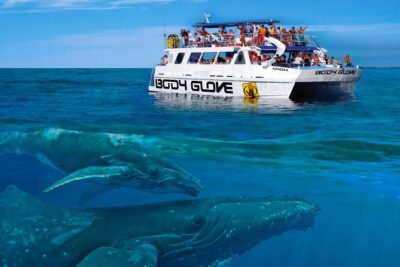 ★ 4.5Whale Watch Excursion from the Big IslandFrom $151263 reviews
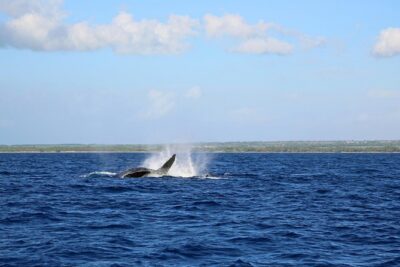 ★ 5.0Wake Up With the Whales Cruise on SeasmokeFrom $125159 reviews
 ★ 5.0Whale Watching Tour – Big Island, HawaiiFrom $99148 reviews
 ★ 4.5Waikoloa Deluxe Whale WatchFrom $129124 reviews
Browse the lists this tour appears in