
Reviewed · WALKING TOURS
Hilo: Walking Ghost Tour
Ghost stories in Hilo walk beside real history. On this Hilo Walking Ghost Tour, you’ll hear Hawaiian and Japanese accounts tied to specific places, and I especially liked the way the guide threads in the spiritual weight of Mauna Kea while keeping the pace friendly for a small group. I also love the ending at Jackie Rey’s Ohana Grill, where the tour focuses on local spirit ideas like ’uhane and ’aumakua. One possible drawback: it’s a steady rain-or-shine walk, so wear grippy shoes and plan for cool/wet weather.
This tour runs about 2 hours and keeps things to a small group (limited to 10), which means you can actually hear the stories without constant side chatter. It’s also wheelchair accessible, but you’ll still be on foot for the duration, so it helps to have an easy pace in mind. The payoff is that the spooky parts feel grounded in Hilo’s living culture, not just jump-scare theatrics.
Think of it as a guided stroll through a pre-World War II kind of Hilo—old storefronts, photo stops, and that mural-filled street atmosphere—where local legends, tragedies, and festival lore all share the same sidewalks.
In This Review
- Key things I’d zero in on
- Starting at Day-Lum Properties: the walk begins near the Wailuku River vibe
- Coldwell Banker DAY-LUM Properties photo stop: old-town character and the story setup
- Pacific Tsunami Museum: where wandering spirits are tied to history
- Kress Building: historic streets, quick looks, and the “why this place matters” angle
- Palace Theatre, Hilo: old performance energy meets local legends
- Exhibit Gallery of Art and Events / Hilo Town Tavern: where stories meet everyday Hilo
- The Naha Stone: the kind of stop where symbolism does the heavy lifting
- Kalakaua Park: finishing the route’s legend arc before the food stop
- Jackie Rey’s Ohana Grill Hilo: the paranormal finish with ’uhane, ’aumakua, and akualele
- Price and value: why $64 can feel fair for a guided story route
- Who this tour is best for (and who might feel underwhelmed)
- Practical tips so the night stays fun, not annoying
- Should you book the Hilo Walking Ghost Tour?
- FAQ
- Where does the tour start?
- Where does the tour end?
- How long is the tour?
- Is the tour wheelchair accessible?
- What should I bring?
- Is there free cancellation?
Key things I’d zero in on
- Small-group pacing (up to 10) so you can follow the story without getting lost in a crowd
- Hawaiian + Japanese supernatural accounts woven into town landmarks
- Stop-and-stare learning at places like the Pacific Tsunami Museum and historic theater sites
- Culture-forward spirit concepts including ’uhane, ’aumakua, and akualele
- A walk built for photos with repeated short photo stops and quick landmark visits
Still deciding? Here is how this one stacks up against the Big Island tours people book most.
- Hilo: Mauna Kea Summit, Sunset, & Stargazing Experience★ 4.8 · 629 reviews
- Big Island: Volcanoes, Waterfalls, & Coffee Farm Day-Trip★ 4.9 · 414 reviews
- Volcano Adventure: Hilo Sightseeing w/ Optional Helicopter Tour★ 4.5 · 412 reviews
- Hilo Shore Excursion: Active Volcano, Lava Tube, Waterfall and Gardens★ 5.0 · 393 reviews
Starting at Day-Lum Properties: the walk begins near the Wailuku River vibe
The meeting point is easy to find: the historical marker near Day-Lum Properties at 2 Kamehameha Ave. From the start, the tour’s tone is set as a guided “ghost walk” that’s really about Hilo’s past living alongside its legends.
You’ll begin with a short photo stop at the Day-Lum Properties area (about 10 minutes). This is your warm-up, and it’s where the guide frames the kinds of entities and stories you’ll hear later. I like this approach because it stops the tour from feeling like random spooky facts and turns it into a connected route.
As you move through the early stretch, you might hear about the idea of a mo’o, a fierce sacred being tied to water and local legend. The tour description suggests you may glimpse mo’o imagery near the Wailuku River area as you listen, but the key point for you is the focus: the stories aren’t floating in midair—they’re attached to how people explain place.
Practical tip: Hilo sidewalks can be uneven, and street lighting matters if you’re easily startled. Comfortable shoes are not optional here.
Coldwell Banker DAY-LUM Properties photo stop: old-town character and the story setup
This first stop isn’t about an attraction ticket. It’s about context. You get a quick look at the area and then move on with the guide’s storytelling framework in place.
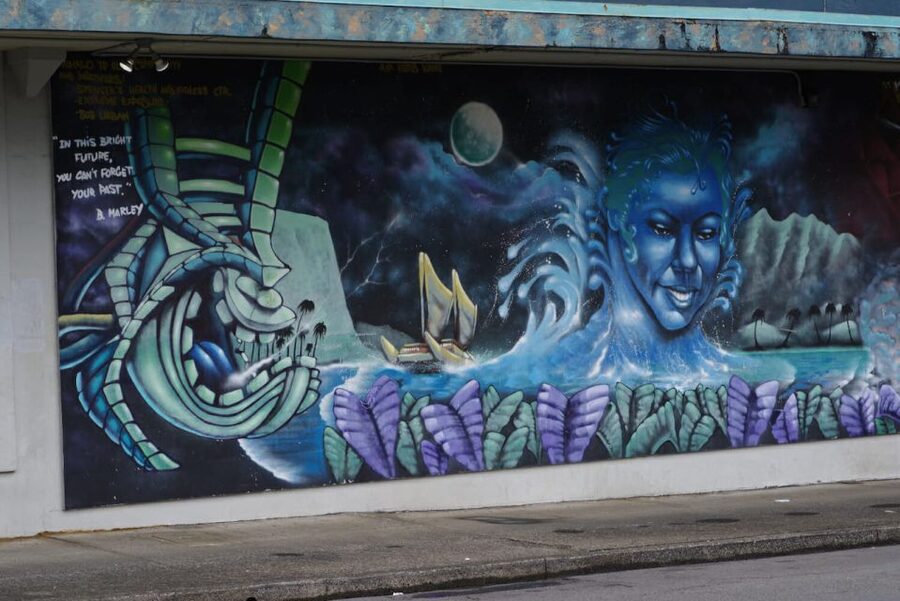
The tour description also emphasizes Hilo’s charming historic feel—mural-filled streets, historic storefronts, and that pre-World War II personality. If you like ghost stories that connect to real streets and real architecture, this is a good match.
Possible drawback: since this is a short photo stop, you don’t get a deep look at the buildings themselves. The value here is the way the guide sets you up to notice details later along the route.
Pacific Tsunami Museum: where wandering spirits are tied to history
Next up is the Pacific Tsunami Museum, with another brief photo stop plus a visit time of about 10 minutes. If you’re expecting purely spooky ghost talk, this stop changes the mood—fast.
The tour ties this location to the idea of wandering spirits left in the wake of deadly tidal waves. In other words, you’re not just hearing horror-style folklore. You’re hearing how communities hold memory—sometimes through spiritual language—when nature causes real loss.
I found the pairing of a museum setting with supernatural interpretation especially useful. It gives you two layers to carry: what the site teaches historically, and how local storytelling keeps grief and warning from being forgotten.
If you get the chance, just take in the museum stop as a grounding moment. The rest of the route returns to paranormal entities, but this stop helps you understand why the stories exist in the first place.
Kress Building: historic streets, quick looks, and the “why this place matters” angle
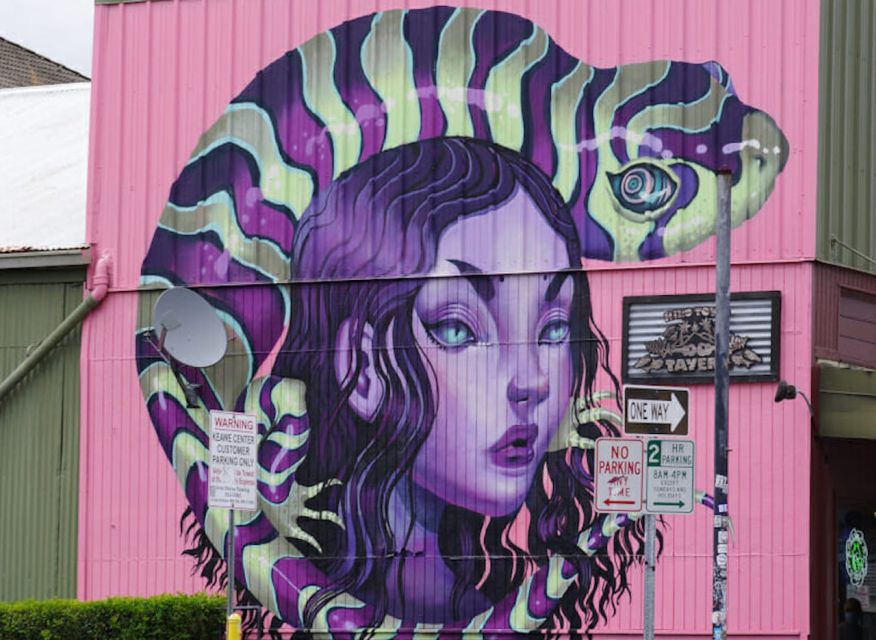
After the museum, you’ll head to the Kress Building for a short photo stop and a brief visit (about 10 minutes). This is one of those stops where the guide’s narration matters more than what you can read on a sign.
The tour keeps emphasizing Hilo’s historic storefront character. Buildings like this are part of what makes the ghost-walk idea work: you can feel how long the town has been here, and the guide uses that sense of time to connect legends to ordinary daily life.
The drawback is also obvious: because time is limited, you’re not going to have a full self-guided history lesson at each structure. If you’re the type who loves lingering, you’ll want to balance your curiosity by saving extra time later for a return visit on your own.
Still, for a 2-hour walking tour, the payoff is that you get many landmarks without the whole night turning into a museum day.


Palace Theatre, Hilo: old performance energy meets local legends
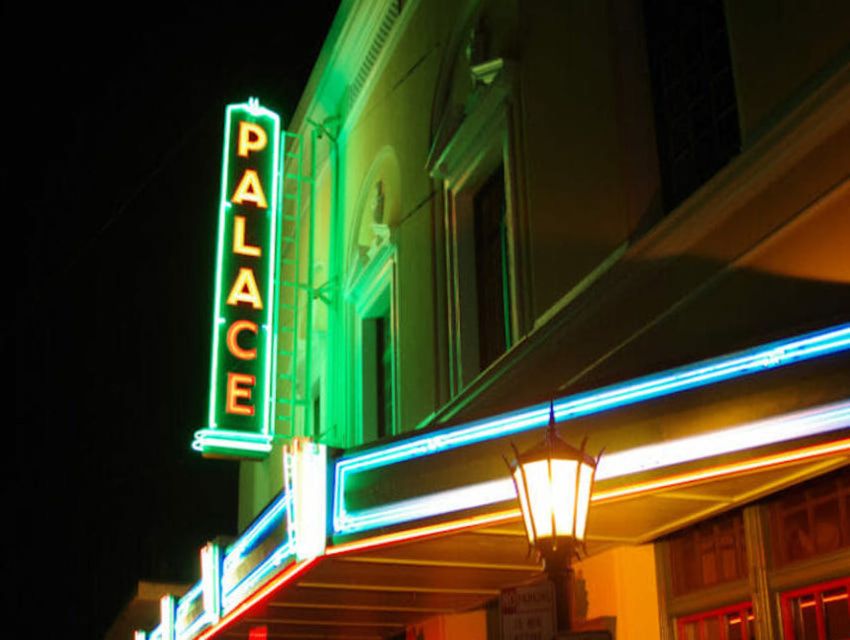
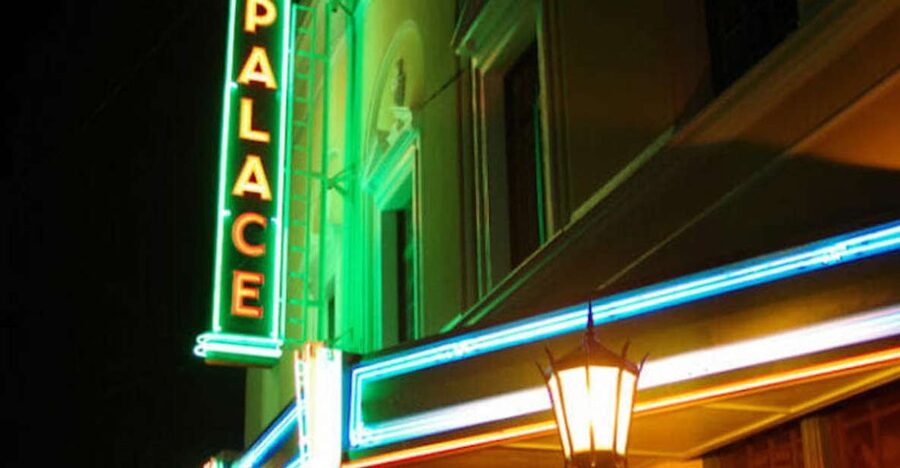
The Palace Theatre, Hilo gets a photo stop and short visit. The theater setting is a natural fit for ghost stories: performance spaces love the idea of the past echoing into the present.
Here’s what I like about the way the guide works with places like this. Instead of treating the paranormal as random, the stories are threaded through the cultural fabric of Hilo—how people interpret events, how they explain misfortune, and how traditions help them make sense of the unseen.
You may also hear reference to tales that connect to the Merrie Monarch Festival, the annual event tied to hula and Hawaiian cultural life. That matters because it reminds you these stories aren’t only about fear; they’re also about identity, remembrance, and the spiritual energy people feel during major cultural gatherings.
Possible consideration: if you’re looking for a strictly “creepy” route with lots of direct scares, a theater stop might feel more atmospheric than shocking. But if you want meaningful folklore, this fits.
Exhibit Gallery of Art and Events / Hilo Town Tavern: where stories meet everyday Hilo
The route then includes The Exhibit Gallery Of Art And Events / Hilo Town Tavern for another photo stop plus a short visit (about 10 minutes). This is where the tour shifts from landmark-to-landmark to the feeling of a town living its normal life.
The ghost tour framing still holds, but it gets grounded in the idea that legends show up in public spaces—places where locals gather, where art and community events happen, and where conversations keep culture moving forward.
I think this is one of the best parts of the walking tour format. You don’t just see history behind glass; you see it around you, in spots that feel like they could host real conversation today.
If you’re hoping to photograph everything, this is a good time to be ready. Short stops mean fast choices: get your shot, listen to the story, and then keep moving.
The Naha Stone: the kind of stop where symbolism does the heavy lifting
At The Naha Stone, Hilo, you get another brief photo stop and visit. This is the kind of landmark that invites interpretation, and the guide uses that energy to talk about spiritual influence and supernatural associations.
Because the tour’s overall theme includes sacred places and ancestral concepts, the Naha Stone stop fits into the larger framework: local legends often live at the intersection of land, memory, and spiritual meaning.
One thing you should keep in mind: since your time here is short, your experience depends on listening. Don’t plan to read every detail silently and miss the story being told. Use the stop as a chance to connect the symbol to what the guide explains.
Kalakaua Park: finishing the route’s legend arc before the food stop
Next is Kalakaua Park, again with a photo stop and a short visit (about 10 minutes). Parks can be tricky for ghost tours—sometimes they feel generic. Here, the value is in how the guide positions this segment as part of the legend arc.
You may hear more about spiritual concepts tied to the landscape, including the sacred influence connected to Mauna Kea. Even when the mountain isn’t on your route physically, the tour description makes clear the guide brings that spiritual thread into the story logic of Hilo. For you, that’s useful: you’ll leave with a clearer mental map of how places connect across the islands in people’s storytelling.
Potential drawback: if the weather is rough, parks can feel slower because you’re more exposed. Dress for rain and cold so you stay focused on the narration instead of shivering.
Jackie Rey’s Ohana Grill Hilo: the paranormal finish with ’uhane, ’aumakua, and akualele
The tour ends at Jackie Rey’s Ohana Grill Hilo, which is exactly where the experience peaks if you’re into the paranormal side. The focus here is on specific local entities, including ’uhane (wandering spirits), ’aumakua (ancestors transformed into family gods), and akualele (mysterious fireballs linked to curses and the dead).
This ending makes practical sense too. You’re walking a town route for about 2 hours, and then you land at a place where you can continue the evening with food nearby. If you want to unpack the stories, you’ll have that chance right after the tour while the details are still fresh in your mind.
What I like about this finish: it doesn’t feel like an abrupt “and that’s it.” The tour description frames Jackie Rey’s Ohana Grill as a site of paranormal activity, so you’re not just stopping to say goodbye—you’re landing on the tour’s strongest theme.
Consideration: because it’s a restaurant ending, you’ll likely be transitioning into normal life pretty fast. If you’re easily distracted by noises and people eating, you may want to choose a moment to sit or stand where you can still think through what you just heard.
Price and value: why $64 can feel fair for a guided story route
At $64 per person for about 2 hours, the value depends on what you want from a ghost tour.
If you want a drive-through version—quick stops, little context, no cultural framing—then this might feel pricey. But if you want guided storytelling anchored to multiple historic stops and delivered by a live guide, the cost starts to make more sense.
A few things make the pricing feel more reasonable:
- You get a walking format through several distinct landmarks, not just one photo stop.
- The guide covers a mix of cultural material, including Hawaiian and Japanese accounts and festival-linked lore.
- The group is limited to 10 participants, which helps the tour feel more personal and easier to follow.
Also, $64 for a 2-hour guided experience usually matters most in places where guided storytelling can save you research time. Here, the guide’s job is basically doing the linking—turning a route of town stops into a coherent story you can understand.
Who this tour is best for (and who might feel underwhelmed)
This tour is a strong match if you:
- Like ghost stories that connect to Hilo’s real streets and historic landmarks
- Prefer paranormal storytelling that’s rooted in cultural ideas like ancestral spirit concepts
- Enjoy guided narration more than reading on your own
You might feel less thrilled if you’re chasing:
- A big “jump scare” theme park vibe
- A long, stop-by-stop deep dive into each building’s architectural history
- An all-out hiking-style adventure (this is a walking tour, not a long trek)
The best result comes when you treat it like cultural storytelling with a spooky lens, not a straight-up scare show.
Practical tips so the night stays fun, not annoying
Bring comfortable shoes. You’re walking a historic town route and you’ll want grip if it’s wet. Also pack warm clothing, because you’re out for a couple hours and Hilo weather can shift.
The tour runs rain or shine, so don’t gamble on staying dry. A light rain layer helps your brain focus on the stories instead of your discomfort.
If you like photographs, be ready at each stop. Many stops are short, and the route is designed around quick photo moments plus guided explanations.
Finally, consider pacing your expectations. This is a story-guided stroll, not a marathon museum day. If you keep that in mind, you’ll enjoy the flow.
Should you book the Hilo Walking Ghost Tour?
I’d recommend booking this tour if you want a culture-minded Hilo ghost tour that’s grounded in real landmarks and local spiritual storytelling. The small group limit makes a big difference, and the ending at Jackie Rey’s Ohana Grill is a memorable finish if you like hearing specific local spirit concepts brought into conversation.
Skip it only if you want nonstop thrills and minimal context. This is more “story and place” than “scare and sprint,” and that’s exactly why it works well.
FAQ
Where does the tour start?
You meet at the historical marker near Day-Lum Properties at 2 Kamehameha Ave.
Where does the tour end?
The tour finishes at Jackie Rey’s Ohana Grill Hilo.
How long is the tour?
It’s about 2 hours.
Is the tour wheelchair accessible?
Yes, the tour is wheelchair accessible.
What should I bring?
Bring comfortable shoes and warm clothing.
Is there free cancellation?
Yes. You can cancel up to 24 hours in advance for a full refund.
More Tours in Hilo
- Volcano Adventure: Hilo Sightseeing w/ Optional Helicopter Tour
★ 4.5 · 412 reviews - Hilo Shore Excursion: Active Volcano, Lava Tube, Waterfall and Gardens
★ 5.0 · 393 reviews - Hawaii Volcanoes National Park and Hilo Highlights Small Group Tour
★ 5.0 · 260 reviews - Big Island: Hawaii Volcanoes National Park and Hilo Tour
★ 5.0 · 118 reviews - Volcanoes National Park Adventure Tour – Hilo Shore Excursion
★ 4.5 · 104 reviews - From Hilo: Hawaii Volcanoes National Park Tour
★ 4.9 · 70 reviews
More Tour Reviews in Hilo
- Hilo: Mauna Kea Summit, Sunset, & Stargazing Experience
★ 4.8 · 629 reviews - Big Island: Volcanoes, Waterfalls, & Coffee Farm Day-Trip
★ 4.9 · 414 reviews - Volcano Adventure: Hilo Sightseeing w/ Optional Helicopter Tour
★ 4.5 · 412 reviews - Hilo Shore Excursion: Active Volcano, Lava Tube, Waterfall and Gardens
★ 5.0 · 393 reviews - Hawaii Volcanoes National Park and Hilo Highlights Small Group Tour
★ 5.0 · 260 reviews - Hilo: Hawaii Volcanoes National Park Flight
★ 4.4 · 248 reviews
Just Added: The Newest Big Island Reviews


Walking Tours, compared.
 ★ 5.0Kona Walking Food TourFrom $155402 reviews
 ★ 4.5Kailua-Kona Haunted History Walking Ghost TourFrom $5927 reviews
 ★ 4.1Kailua-Kona: Haunted History Ghost Walking TourFrom $648 reviews
 ★ 5.0Hamakua Coast Farm Small-Group Walking and Tasting TourFrom $494 reviews
Browse the lists this tour appears in