
Reviewed · BIG ISLAND FARM & CHOCOLATE TASTINGS
Hamakua Coast Farm Small-Group Walking and Tasting Tour
A warm day starts with sour-sweet lilikoi. This small-group Hamakua Coast farm tour is a relaxed walk through restored fields and orchards, with tastings that actually reflect what’s growing on-site. I like that the focus isn’t just fruit samples; it’s also the owner’s story of reclaiming a plantation-era property from ruin.
You’ll also get a proper flavor circuit: mamaki tea served hot or cold, sweet lilikoi specialties, and even sugar cane juice. The walkthrough moves at a leisurely pace, and it sets you up to understand why different crops do well (or struggle) in Hawaii’s conditions.
One thing to consider: you’ll do a moderate walk, and the experience is weather-dependent—so wear good shoes and plan to go with the flow if the day’s weather changes.
In This Review
- Key things to know before you go
- Price and What Makes This Tour Worth the $49
- Nakihalani Farm: A Reclaimed Plantation-Era Property
- The 2-Hour Walking Portion: Orchards, Structures, and Sheep
- Your Lilikoi Tour Lesson: How Fruit Tells the Story
- Tastings Included: Lilikoi Specialties, Mamaki Tea, and Sugar Cane Juice
- Buying Lilikoi Syrup, Tea Cakes, and Mamaki Tea After the Walk
- Time to Wander Longer: Breakfast and Lunch Options
- Small-Group Size: Why It Feels Personal
- Practical Tips for a Smooth Hilo Morning
- Who This Tour Is Best For (and Who Might Skip It)
- Should You Book the Hamakua Coast Farm Walking and Tasting Tour?
- FAQ
- What is the duration of the Hamakua Coast Farm Small-Group Walking and Tasting Tour?
- Where is the meeting point for the tour?
- What time does the tour start?
- How many people are in the group?
- What tastings are included?
- Is there time to stay on the property after the tour?
- What should I wear or prepare for?
- Is this tour offered in English?
- What happens if the weather is bad or you need to cancel?
Key things to know before you go
- Restored plantation story: You’ll hear how the property was brought back after decades of neglect.
- Leisurely farm strolling: You can wander at an easy pace through orchards and new fields.
- Real plant-to-cup tastings: Lilikoi sweets, hot/cold mamaki tea, and sugar cane juice are part of the core experience.
- Lots of variety in one stop: Pineapple, grapes, citrus, avocado, sugar cane, mamaki tea, plus flowers, herbs, and sheep.
- Up to 8 people: Small group size makes the walk feel personal instead of rushed.
More island farm stands, from cacao to sea salt
- Big Island GOAT Experience: Mauna Kea Summit, Sunset & Stars★ 5.0 · 1,706 reviews
- Hawaiian Salt Farm Tour in Kona★ 5.0 · 767 reviews
- Award Winning Farm Tour: Coffee, Chocolate and Unique Gifts★ 5.0 · 484 reviews
- Small-Group Big Island Tour: Hawaii Volcanoes National Park and Kona Coffee Farm★ 5.0 · 343 reviews
Price and What Makes This Tour Worth the $49
At $49 per person for about 2 hours, this tour sits in that sweet spot where you’re paying for more than food. Yes, you’ll get tastings. But the bigger value is the way the tasting is tied to the farm itself—what’s growing, why it’s grown, and what it takes to keep it going in Hawaii.
You also aren’t stuck on a fast shuffle of checkpoints. After the guided portion, you can stay and explore longer, and some food items may be available for breakfast or lunch (best to check ahead). That extra open time can turn a quick tour into a half-morning experience.
The practical downside? You’ll want to arrive with a little room in your schedule and a moderate level of comfort walking on farm paths. The tour’s design is unhurried, but it isn’t a sit-down-only activity.
Nakihalani Farm: A Reclaimed Plantation-Era Property
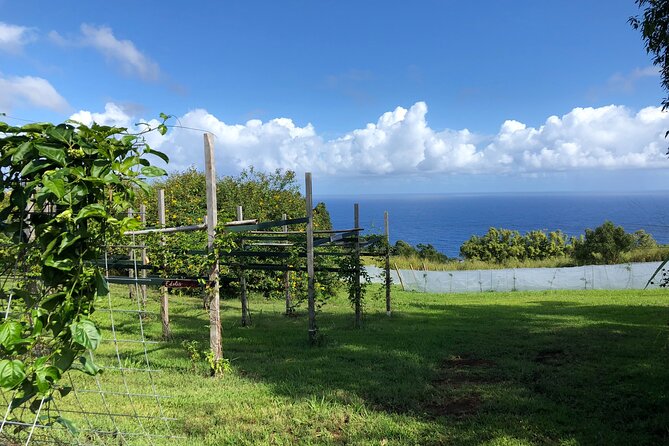
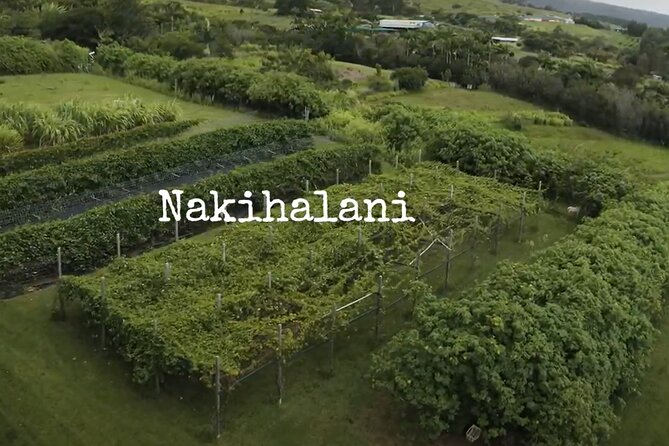
The tour’s heart is Nakihalani Farm, where you’ll walk through a place that once existed on a plantation timetable—and was later left to fall into ruin. What makes this interesting isn’t just the “before” story; it’s the “now” story. You get to see new fields and orchards, and you learn how restoration changed what the land can produce.
This is also where the experience becomes more than a snack stop. When someone rebuilds an old property into a working farm, the choices matter: what grows well, what needs extra attention, and what the farm can sustain year-round. You’re not just tasting; you’re building context.
If you like farm travel that feels human and lived-in—rather than a theme-park performance—you’ll probably enjoy the tone here. The property isn’t trying to impress you with big-city polish. It’s trying to show you how farming actually looks and smells.
The 2-Hour Walking Portion: Orchards, Structures, and Sheep
Your day starts with a meeting at 35-218 Kihalani Homestead Rd in Hilo, and the tour runs for about 2 hours at a leisurely pace. The small group size (up to 8) matters more than you might think. With fewer people, the host can slow down when you have questions, and you get time to look at what you actually came for: the crops.
As you walk, you’ll pass through or around a mix of plantings, including:
- Pineapple
- Grapes
- Citrus
- Avocado
- Sugar cane
- Mamaki tea
And then there are the details that make this feel like a real farm visit. There are flowers and herbs across the property, and sheep are part of the scene. That mix of cultivated crops and everyday farm life helps you understand how varied a working operation can be.
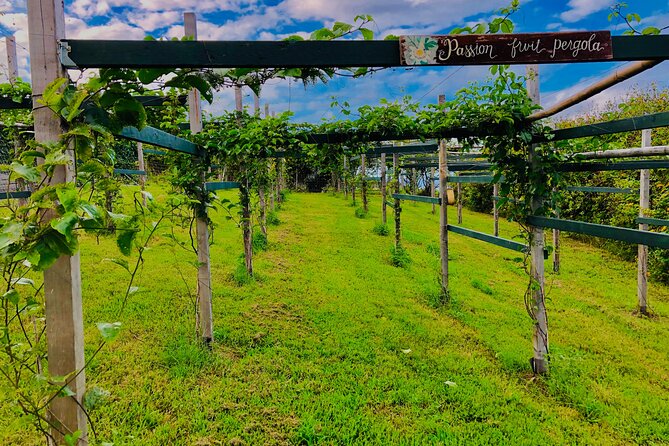
One especially useful detail: the tour highlights the farm’s custom growing structures for lilikoi and presents them as among the most diverse and largest in the Hawaiian Islands. Even if you don’t care about farm engineering, it’s a big clue that lilikoi isn’t treated like an afterthought—it’s a serious crop here.
Your Lilikoi Tour Lesson: How Fruit Tells the Story
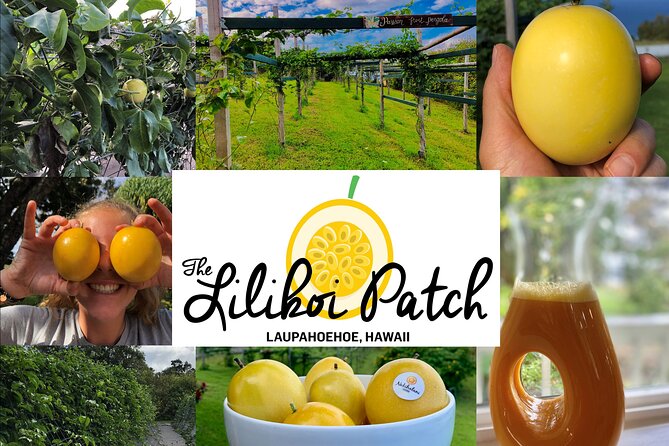
Lilikoi is the main character on this tour, and the lilikoi focus makes sense. It’s distinctive, it’s strongly tied to Hawaiian flavor, and it’s the kind of crop that rewards careful growing. If you’ve ever had lilikoi syrup on a dessert and wondered what it actually takes to get that flavor, this is the kind of place where you start connecting taste to cultivation.
During the walk, you’ll learn the area’s history—both the older plantation-era story and the more recent restoration—and you’ll hear how the owner’s personal effort ties to what you’re seeing now. That connection is the difference between a generic food tasting and a meaningful farm visit.
Also, don’t assume “historical” means “sad.” Here, the story leans practical and hopeful: reclaimed land, new orchards, and a farm that’s built around what it can grow and share.
See more of the island in one long day


Tastings Included: Lilikoi Specialties, Mamaki Tea, and Sugar Cane Juice
The tasting section is where the tour becomes a true food experience. You finish the guided part with sweet lilikoi specialties and a drink lineup that feels distinctly Hawaiian.
Here’s what’s included:
- Lilikoi-based sweet treats
- Hot or cold mamaki tea
- Sugar cane juice
That matters because it gives you more than one flavor path. Lilikoi is tangy and bright, mamaki tea is its own herbal experience, and sugar cane juice is straightforward sweetness with real plant character. Together, they cover the three big notes that define this farm’s identity.
Based on what people emphasize most, the tasting tends to feel abundant and satisfying—especially the lilikoi portion. Some visitors also highlight sampling house-made items and baked goods made with fruit from the farm, which is exactly the kind of souvenir you actually want to bring home: something that tastes like you were there.
If you’re someone who likes to compare flavors, this tour also sets you up to notice differences. Lilikoi isn’t one-note—its products can taste different depending on how they’re made.
Buying Lilikoi Syrup, Tea Cakes, and Mamaki Tea After the Walk
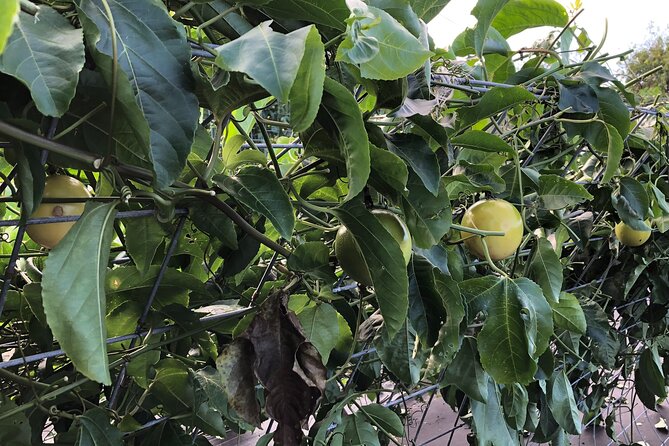
You’ll have time to purchase farm items—often including lilikoi syrup, tea cakes, and mamaki tea. This is a small but important detail for value. A lot of tours let you taste things, but you’re left hunting later. Here, you can buy while the flavors are still vivid in your mind.
If you’re the kind of traveler who likes to bring home edible souvenirs (and honestly, who doesn’t), this is one of the more straightforward choices. Syrup and tea store well enough to bring back, and tea cakes can be a memorable gift if you’re traveling with room for snacks.
Plan for extra spending if you know you’ll want to take a few items home. The tastings are included, but purchases are very much part of the farm experience.
Time to Wander Longer: Breakfast and Lunch Options
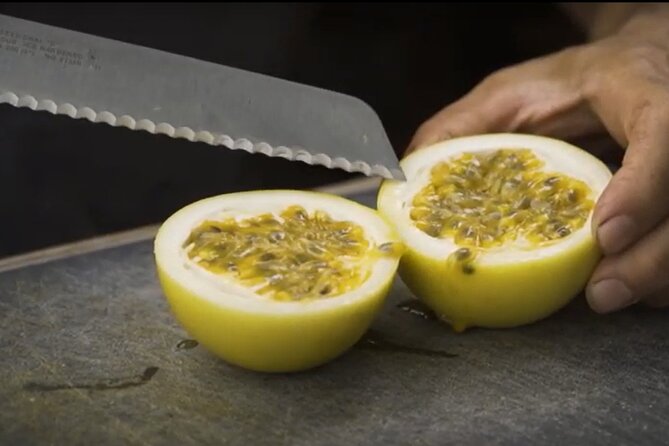
One of the nicer perks is that the tour doesn’t trap you in a strict end-to-finish schedule. You’re welcome to stay longer after the guided walk. Some food items may be available for breakfast or lunch, but you’ll want to check ahead to avoid showing up hoping for a specific menu item.
This added time can be perfect for two traveler types:
- You want to stretch the morning and slowly snack like you’re on island time
- You’d like to browse and buy without feeling rushed
It also helps if you’re the slow-look-at-details type. Farm visits reward patience. If you’re watching insects on flowers, reading plant labels, or just letting the setting sink in, having time beyond the “official” tour is a real advantage.
Small-Group Size: Why It Feels Personal
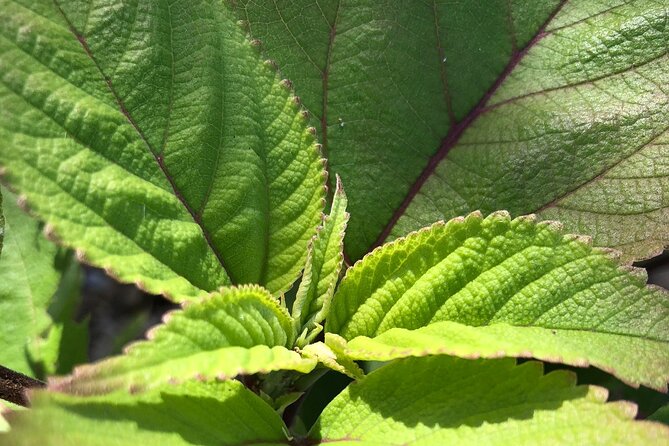
With a maximum group size of 8, this doesn’t feel like a production. That small number is how you get better conversation, not just better photos. You’re walking through crops and structures, and the host can point out what matters and answer questions without turning the walk into a cattle line.
This also makes it easier to match the pace. The tour is described as leisurely, and you’re on your own pace as you wander after the guided portion. If you’re traveling with family or friends who might move at slightly different speeds, a tiny group helps smooth that out.
Practical Tips for a Smooth Hilo Morning
This is a morning farm walk, so a few basic habits will make it better.
First, bring shoes you trust. You’ll be walking at a leisurely pace, but you’re still on farm ground with uneven areas. Good footwear is the difference between enjoying the stroll and thinking about your ankles.
Second, consider the weather. The experience requires good weather, and there’s a backup plan if conditions are poor. That means you should be ready for an itinerary shift rather than assuming you’ll control everything.
Third, plan snacks smartly. The tastings are part of the event, but the tour also encourages leaving room to purchase breakfast or lunch. If you eat a heavy breakfast right before, you might not enjoy the full range.
Finally, if you like to shop for edible souvenirs, decide ahead of time how much you’re comfortable spending. That way, you can enjoy the farm instead of doing math in your head while tasting.
Who This Tour Is Best For (and Who Might Skip It)
You’ll probably love this tour if you:
- Like farm travel where food connects to cultivation
- Want a short, friendly experience (about 2 hours) instead of a long day
- Enjoy Hawaiian flavors like lilikoi, mamaki tea, and sugar cane juice
- Appreciate restoration stories that focus on work, not just scenery
You might skip it if you’re looking for big views, high drama, or a fast-paced checklist of island highlights. This is grounded and local. It’s about crops, care, and what happens when someone puts time back into land.
Also, if you prefer fully seated activities, the moderate walking aspect might not be your best fit. This tour isn’t extreme, but it does involve getting around the property.
Should You Book the Hamakua Coast Farm Walking and Tasting Tour?
If you want a small-group farm experience in Hilo that mixes a restoration story with a genuinely Hawaiian tasting lineup, this is an easy yes. The price is reasonable for the combination of guided walk time, multiple tastings, and the option to buy take-home items on the spot.
I’d book it when you’re staying in the Hilo area and you want something that feels authentic without demanding a full day. It’s also a solid choice if you’re traveling with someone who loves food, drinks, or local ingredients and wants to learn why they taste the way they do.
FAQ
What is the duration of the Hamakua Coast Farm Small-Group Walking and Tasting Tour?
The tour lasts about 2 hours.
Where is the meeting point for the tour?
The tour meets at 35-218 Kihalani Homestead Rd, Hilo, HI 96720, USA.
What time does the tour start?
The start time is 10:00 am.
How many people are in the group?
The tour has a maximum of 8 travelers.
What tastings are included?
You’ll sample lilikoi items, hot or cold mamaki tea, and sugar cane juice.
Is there time to stay on the property after the tour?
Yes. You can stay longer after the tour, and some breakfast or lunch items may be available for purchase. It’s best to check ahead.
What should I wear or prepare for?
The tour is described as requiring moderate physical fitness, so wear comfortable shoes suitable for walking.
Is this tour offered in English?
Yes, it’s offered in English.
What happens if the weather is bad or you need to cancel?
The experience requires good weather. If it’s canceled due to poor weather, you’ll be offered a different date or a full refund. You can also cancel for a full refund up to 24 hours in advance.
More Tour Reviews in Big Island of Hawaii
- Big Island in a Day: Volcanoes Waterfalls Sightseeing and History
★ 5.0 · 6,569 reviews - Big Island Manta Ray Night Snorkel
★ 5.0 · 5,656 reviews - Big Island: Kona Manta Ray Snorkel Tour in Keauhou Harbor
★ 4.5 · 2,465 reviews - Hilo Shore Excursion: Volcanoes National Park & Black Sand Beach
★ 4.5 · 2,338 reviews - Big Island: Captain Cook Snorkel On A Power Catamaran With Lunch
★ 5.0 · 2,232 reviews - KONA Manta Ray Night Snorkel – FREE re-ride if no Sightings
★ 5.0 · 2,212 reviews
Around the Island in One Day
- Big Island in a Day: Volcanoes Waterfalls Sightseeing and History
★ 5.0 · 6,569 reviews - Big Island Highlights: Coffee, Volcano, Black Sands & Waterfall
★ 5.0 · 1,054 reviews - Hawaii Big Island Circle Small Group Tour: Waterfalls – Hilo – Volcano – Black Sand Beach
★ 5.0 · 93 reviews - Ultimate Circle Island Explorer From Kona Or Kohala Resorts
★ 5.0 · 63 reviews - Big Island in a Day-Explore Volcanoes, Waterfalls, Beaches & more
★ 5.0 · 44 reviews - Big Island Scenic Tour: Volcano HiloTown Waterfalls Beach & Lunch
★ 5.0 · 24 reviews
Island Farm Stands and Tastings
- Big Island GOAT Experience: Mauna Kea Summit, Sunset & Stars
★ 5.0 · 1,706 reviews - Hawaiian Salt Farm Tour in Kona
★ 5.0 · 767 reviews - Award Winning Farm Tour: Coffee, Chocolate and Unique Gifts
★ 5.0 · 484 reviews - Small-Group Big Island Tour: Hawaii Volcanoes National Park and Kona Coffee Farm
★ 5.0 · 343 reviews - Volcano, Chocolate and Waterfalls of the Big Island
★ 5.0 · 238 reviews - Experience Our Honey Farm And Beekeeping Tour
★ 5.0 · 167 reviews
Just Added: The Newest Big Island Reviews



Big Island Farm & Chocolate Tastings, compared.
 ★ 5.0Big Island GOAT Experience: Mauna Kea Summit, Sunset & StarsFrom $2891,706 reviews
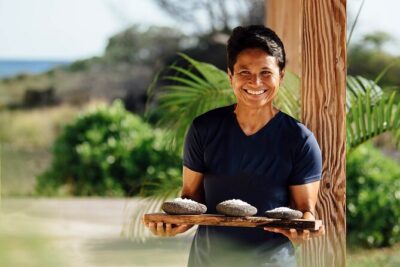 ★ 5.0Hawaiian Salt Farm Tour in KonaFrom $27767 reviews
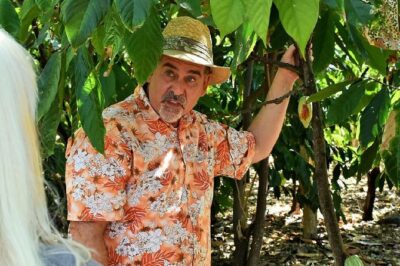 ★ 5.0Award Winning Farm Tour: Coffee, Chocolate and Unique GiftsFrom $50484 reviews
 ★ 4.9Night Swim with Manta Ray with Hot ChocolateFrom $146420 reviews
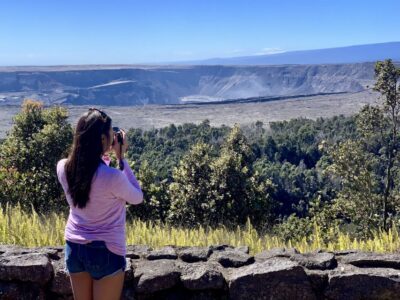 ★ 4.9Volcanoes, Waterfalls, & Coffee Farm Day-TripFrom $264414 reviews
 ★ 5.0Small-Group Big Island Tour: Hawaii Volcanoes National Park and Kona Coffee FarmFrom $209343 reviews
 ★ 5.0Volcano, Chocolate and Waterfalls of the Big IslandFrom $308238 reviews
 ★ 5.0Experience Our Honey Farm And Beekeeping TourFrom $30167 reviews
Browse the lists this tour appears in