
Reviewed · MANTA RAY NIGHT SNORKELS
Big Island: Manta Ray Night Snorkeling Adventure in Kailua-Kona
Manta rays under starlight change everything. This 2.5-hour night snorkeling trip pairs a sunset cruise out of Honokohau Harbor with guided swimming over a feeding site where manta rays glide right through your lighted view. I like that it’s set up to feel low-stress: all snorkel gear, a jacket-style wetsuit top, floatation help, snacks, and even onboard washrooms.
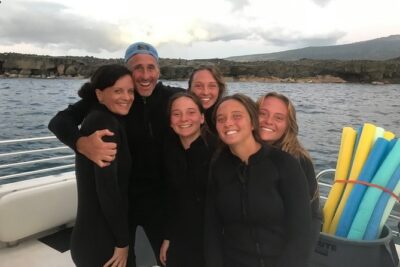
What I love most is the way the guides run the experience so you can focus on the wildlife instead of the logistics. Crews known by name like Captain Kelly and Captain Bryce show up in feedback as calm, attentive, and safety-first, with live commentary to help you understand what you’re seeing as the lights go on.
One real consideration: it can be chilly and the boat ride can be bumpy. If you get motion sick easily, plan ahead, and do yourself a favor by bringing a towel plus something warm for the ride back.
In This Review
- 5 Key Highlights to Know Before You Go
- Why This Manta Ray Night Snorkeling Feels So Magical
- Getting There: Kona Coast Boat Tours Meeting Point and Timing
- The Honokohau Harbor Sunset Cruise: Part Show, Part Travel Time
- What’s Included: Gear, Lights, Snacks, and Onboard Washrooms
- The Snorkel Portion: Swimming Over a Feeding Site at Night
- If You’re Not a Strong Swimmer
- Safety, Briefings, and How the Crew Keeps It Feeling Under Control
- Choppy Water and Cold Water: The Practical Things to Pack
- Motion sickness
- Cold water
- Strain and fatigue
- Price and Value: How $75 Stacks Up for a Once-in-a-Lifetime Night
- Who Should Book This Tour (and Who Might Rethink It)
- Best for
- Consider skipping if
- Tips to Make Your Night Run Smoother
- Should You Book This Manta Ray Night Snorkeling Adventure?
- FAQ
- How long is the Big Island Manta Ray Night Snorkeling Adventure?
- How much does it cost?
- Where does the tour start?
- Is hotel pickup included?
- What snorkeling gear is provided?
- Do you have onboard washrooms?
- Do I need to bring a towel?
- How many people are on the boat?
- Can I cancel for a full refund?
- Is the tour offered in English?
5 Key Highlights to Know Before You Go
- Small-boat feel (max 26 people): less crowding in the water and easier guidance from the crew.
- Short cruise, big payoff: you head out from Honokohau Harbor as the sun fades, then swim with high-powered lights.
- Gear included and fitted for night: snorkel equipment, jacket-style wetsuit top, and a floatation device are part of the package.
- Feeding-site snorkeling: the goal is mantas at their natural feeding area, not a random scan.
- Practical comfort on board: snacks, bottled water, and onboard washrooms so you’re not stressing mid-trip.
Another night out over the Kona mantas
- Big Island Manta Ray Night Snorkel★ 5.0 · 5,656 reviews
- Big Island: Kona Manta Ray Snorkel Tour in Keauhou Harbor★ 4.5 · 2,465 reviews
- KONA Manta Ray Night Snorkel – FREE re-ride if no Sightings★ 5.0 · 2,212 reviews
- Manta Ray Night Snorkel at Kona, Big Island★ 5.0 · 1,758 reviews
Why This Manta Ray Night Snorkeling Feels So Magical
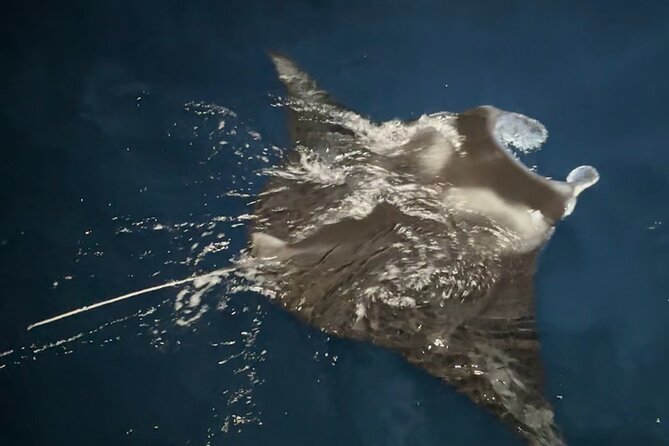
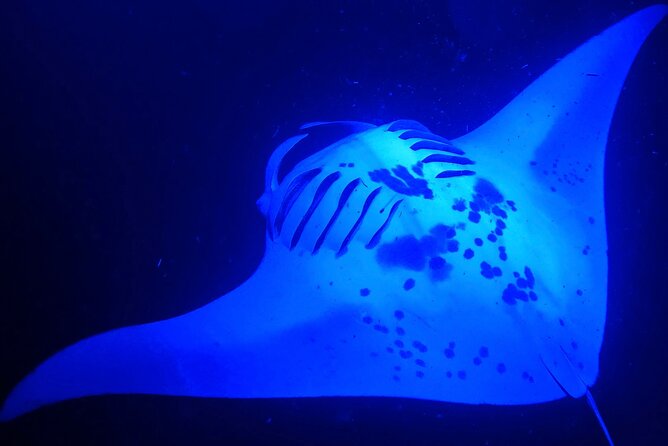
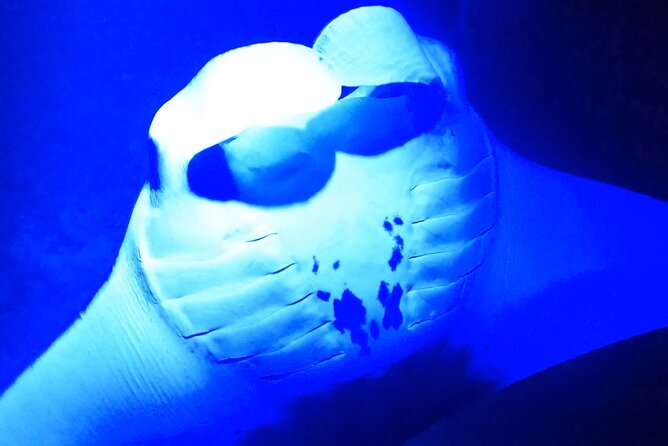
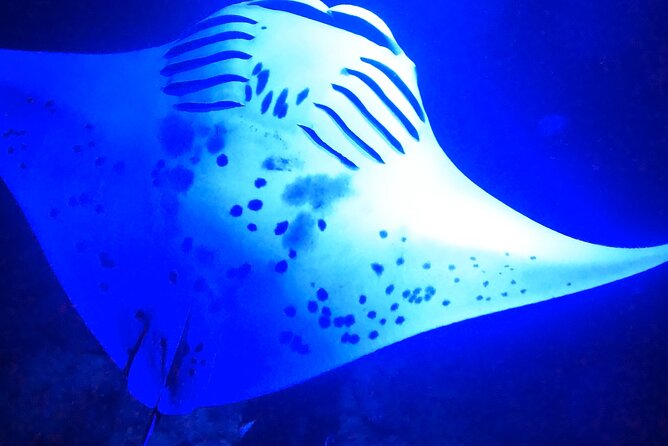
This tour hits the sweet spot between adventure and comfort. During the cruise, the ocean is still doing its normal day-to-night transition. Then the lights switch on, the water turns dark and dramatic, and the manta rays become the main event—15-foot wingspan giants moving like they own the ocean’s stage.
The experience is interesting for two main reasons. First, it’s designed around a specific manta viewing scenario—the feeding site—so you’re not just hoping. Second, the timing is built for spectacle: you get a sunset cruise on the way out and then the starlit portion where the mantas show up around the lights.
The tour doesn’t pretend the ocean is gentle. More than once, people note the ride can be choppy. And yes, the water can be cold at night even with the wetsuit top. If you go in with the right expectations, it feels less like a gamble and more like a plan.
Getting There: Kona Coast Boat Tours Meeting Point and Timing
You’ll meet at Kona Coast Boat Tours at 74-429 Kealakehe Pkwy, Kailua-Kona. It’s conveniently close to town, and the tour ends back at the meeting point, so you’re not stuck searching for a ride at the end of the night.
Check-in is quick, and from what you’ll read in the experience details, you’ll want to arrive on time. One helpful note: they ask you to call at least 12 hours before your tour in case the schedule shifts. That matters because weather and sea conditions can change when you’re sailing at night.
Most of the time, you’re booked about 28 days ahead on average. That’s a good sign: manta nights can fill up, and this one stays relatively small with a max of 26 people.
The Honokohau Harbor Sunset Cruise: Part Show, Part Travel Time
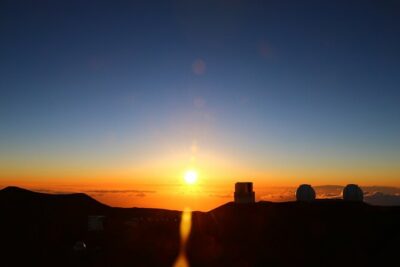
The tour starts with a short cruise from Honokohau Harbor. Think of this as both transportation and atmosphere-building. As the sun drops, you’re already on the water with the crew’s live guidance setting expectations for what’s next.
The cruise time adds to the overall experience, but it also is the part you’ll feel most if you get motion sick. Multiple people call out a bumpy ride or significant swells. If you’re prone to nausea, take that seriously. One practical tip you’ll see: sit toward the back of the boat if you can, because it can help some people feel steadier.
Also, this boat ride is long enough that it’s worth dressing like you’ll be outside for a while. Even if you feel fine at first, you might cool down during the transition from sunset to starlight.
What’s Included: Gear, Lights, Snacks, and Onboard Washrooms
This is a good value setup because the tour handles the stuff you’d otherwise have to figure out. You get:
- Snorkeling gear (you don’t need to bring your own)
- A jacket-style wetsuit top plus floatation help
- High-powered lights used to attract and illuminate the manta viewing zone
- Snacks and bottled water
- Onboard washrooms (a big deal on a night boat)
You do need to bring your own towel and something warm for the ride back. And don’t underestimate the “something warm” part. People repeatedly mention that the water is cold and that the air can feel colder when the boat rocks and the sun disappears.
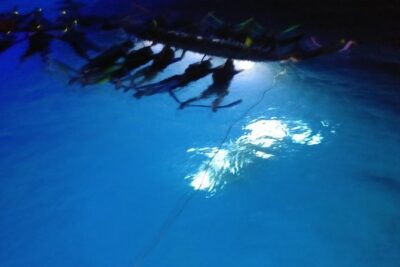
There’s also a detail that matters for comfort: people note the snorkel raft grip can get crowded, and it can be a strain to hold position for long stretches. The lights help you stay oriented, but you’re still working your arms a bit. If you have shoulder issues, plan for that.
More Big Island tours we have been out and rated

The Snorkel Portion: Swimming Over a Feeding Site at Night
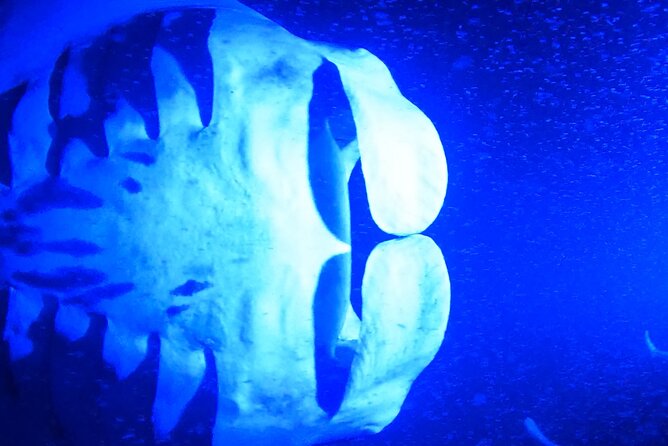
This is the core of the tour: guided snorkeling over manta rays at their feeding site. Once you reach the area, the crew helps you get settled with the right gear and safety mindset.
The sequence usually goes like this. You watch the transition from sunset into dark, then you get into the water. Because the mantas are feeding near the lights, you’re not just looking into deep black water and crossing fingers. The goal is for the rays to come into your view repeatedly.
What you’ll likely see depends on the night, but the themes are consistent in the experience details you were given:
- multiple manta rays
- mantas coming close to the lighted snorkel zone
- some nights feeling extremely close, with people describing rays passing within inches
People also mention other wildlife on certain runs—dolphins on the way out and even whales spotted by the captain on some trips. You can’t count on that every time, but it’s a nice reminder that the ocean doesn’t keep strictly to the script.
If You’re Not a Strong Swimmer
This tour is described as something most travelers can participate in. And in the feedback you provided, you’ll see a note about people who couldn’t swim still being able to join. That tells me the crew does more than treat flotation as a suggestion—they take it as part of the experience.
Still, be honest with yourself. The setup includes floatation, but you’ll be in open water at night holding onto the raft. If you’re nervous, communicate early and ask what your options are before you get in.
Safety, Briefings, and How the Crew Keeps It Feeling Under Control
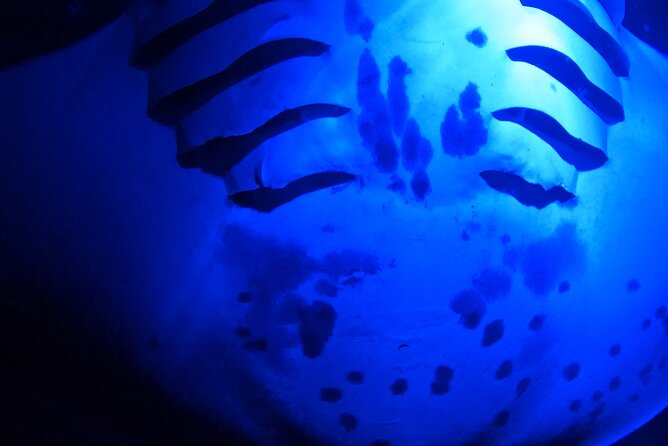
You’re in the ocean at night, so safety is the whole point. The crew’s job is to manage three things at once: your comfort with the gear, your position relative to the lights and raft, and the flow of people getting in and out.
The feedback you shared praises crew members for being professional and laid-back while still making guests feel safe. People also highlight that the guides explain the plan—from start to finish—so you know what’s coming next instead of guessing.
One note you should keep in mind: in a couple cases, there were group dynamics issues, like having rowdy guests in the group. That’s not a crew failure, but it’s a real-world reminder that what you experience can depend on who ends up in your boat grouping.
If you’re a first-timer or a non-swimmer, a clearer pre-water debrief can make the night feel smoother. If you’re unsure about anything, ask in plain terms before you’re in the water. The best night snorkeling runs are the ones where you feel confident with your gear and where you’re supposed to hold.
Choppy Water and Cold Water: The Practical Things to Pack
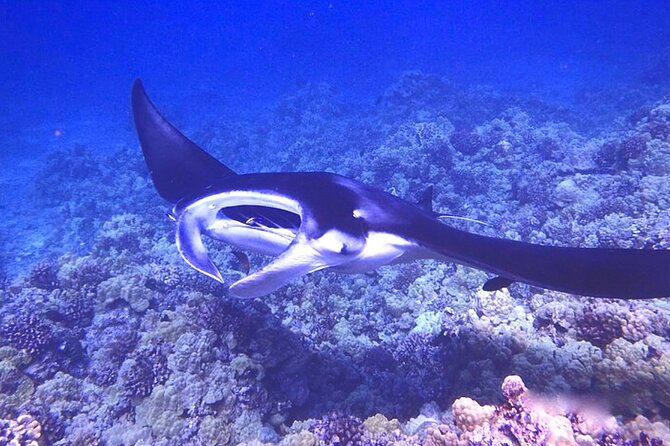
Two factors show up again and again: motion and temperature.
Motion sickness
If you’re prone to sea sickness, take medicine ahead of time if that’s your usual approach. People specifically suggest you can take precautions in advance and that sitting toward the back can help. Don’t wait until you feel awful.
Cold water
The wetsuit top helps, but it doesn’t turn this into a warm-water paddle party. People describe the water as chilly, especially on later departures. Bring a plan:
- towel in a dry bag if you have one
- warm layer for the ride back (hoodie, windbreaker, warm pants—whatever you’d normally use for an evening at sea)
Also, remember you’ll be wet after the swim. That means the ride back can feel colder than you expected.
Strain and fatigue
Holding position in the water while you watch for mantas takes effort. Several people mention tired arms from holding onto the lighted raft. If you have a weak grip or shoulder pain, do what you can beforehand and pace yourself.
Price and Value: How $75 Stacks Up for a Once-in-a-Lifetime Night
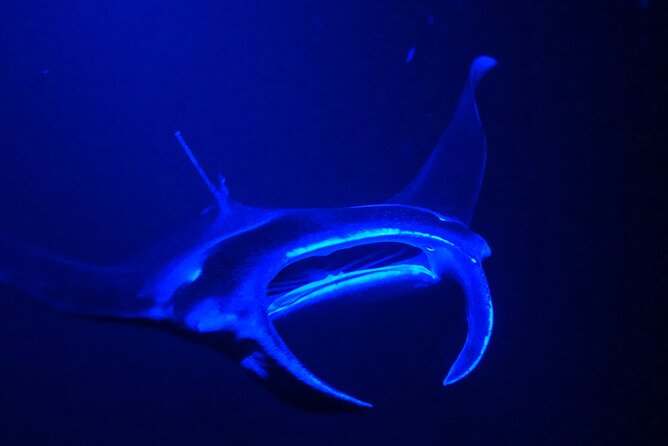
At $75 per person for about 2 hours 30 minutes, this isn’t a bargain, but it’s also not priced like a rare private charter. The value comes from what’s included and what you’re getting in return.
You’re paying for:
- a guided nighttime manta viewing experience
- all snorkeling equipment
- a wetsuit top and floatation support
- onboard snacks and bottled water
- onboard washrooms
- a sunset cruise that makes the whole outing feel like a proper event
If you compare the cost to the hassle of trying to piece together gear rentals, a boat outing, and a reliable manta plan on your own, this feels like a straightforward deal. The other factor is likelihood: multiple people describe mantas showing up quickly, sometimes within minutes, and often with several rays in a single swim.
Who Should Book This Tour (and Who Might Rethink It)
Best for
- People who want an up-close, guided wildlife experience without scuba training
- Anyone visiting Kona who wants a night activity that feels different from day snorkeling
- Families with older kids who can handle cold water and open-water conditions
In the feedback you shared, there are families with kids ranging from teens down to younger ages. That suggests it can work for families—but it also shows the need to be realistic about toughness and comfort with cold and open water.
Consider skipping if
- You’re extremely sensitive to choppy boats
- You don’t handle cold water well and won’t bring warm gear afterward
- Night water anxiety is a big issue for you
This isn’t a shallow, gentle beach dip. You’ll be in open ocean at night, holding position and letting the crew guide your safety.
Tips to Make Your Night Run Smoother
Here’s how I’d set you up for success, based on the realities mentioned in the experience details you provided:
- Pack a towel and warm clothes before you leave home. Don’t leave it to chance.
- If motion sickness is a concern, plan it before boarding. This is the kind of trip where waiting too long can ruin the whole night.
- If you’re new to snorkeling, ask the crew for extra help during the setup. The guides are there for that.
- Treat the raft and lights like your basecamp. Keep your grip steady, and don’t fight the water.
- Bring realistic energy expectations. Your arms might work a bit during the swim.
Should You Book This Manta Ray Night Snorkeling Adventure?
If you want a guided night manta ray experience with the key extras included—gear, wetsuit top, lights, snacks, washrooms—and you’re okay with cold water and a possibly choppy boat ride, then yes, this is a smart booking.
I’d especially recommend it if you want the convenience of being taken to a manta feeding site without having to organize the technical parts yourself. And if you’re the kind of person who enjoys wildlife that gets up close, this tour can deliver that in a way few other activities do.
If cold water or motion sickness is your weak spot, still consider going—but only if you’re willing to prep (medicine, warm gear) and you can handle open water at night. Do that, and you’ll likely come away with a story you’ll still be telling months later.
FAQ
How long is the Big Island Manta Ray Night Snorkeling Adventure?
It runs about 2 hours 30 minutes (approx.).
How much does it cost?
The price is $75.00 per person.
Where does the tour start?
The tour starts at Kona Coast Boat Tours, 74-429 Kealakehe Pkwy, Kailua-Kona, HI 96740, USA.
Is hotel pickup included?
No. Hotel pickup and drop-off are not included.
What snorkeling gear is provided?
The tour provides snorkeling gear, a jacket style wetsuit top, and a floatation device for the snorkeling option.
Do you have onboard washrooms?
Yes. Onboard washrooms are available.
Do I need to bring a towel?
Yes. Towels are not included, so bring a towel and something warm for the ride back.
How many people are on the boat?
There is a maximum of 26 travelers.
Can I cancel for a full refund?
Yes, you can cancel up to 24 hours in advance for a full refund. If you cancel less than 24 hours before the start time, it’s not refunded.
Is the tour offered in English?
Yes. The tour is offered in English.
More Evening Experiences in Big Island of Hawaii
- Big Island Manta Ray Night Snorkel
★ 5.0 · 5,656 reviews - KONA Manta Ray Night Snorkel – FREE re-ride if no Sightings
★ 5.0 · 2,212 reviews - Manta Ray Night Snorkel at Kona, Big Island
★ 5.0 · 1,758 reviews - Big Island GOAT Experience: Mauna Kea Summit, Sunset & Stars
★ 5.0 · 1,706 reviews - Big Island: Mauna Kea Summit Tour with Free Night Star Photo
★ 5.0 · 1,449 reviews - Glow of the Deep: Night Snorkeling with Manta Rays
★ 4.5 · 1,254 reviews
More Tour Reviews in Big Island of Hawaii
- Big Island in a Day: Volcanoes Waterfalls Sightseeing and History
★ 5.0 · 6,569 reviews - Big Island Manta Ray Night Snorkel
★ 5.0 · 5,656 reviews - Big Island: Kona Manta Ray Snorkel Tour in Keauhou Harbor
★ 4.5 · 2,465 reviews - Hilo Shore Excursion: Volcanoes National Park & Black Sand Beach
★ 4.5 · 2,338 reviews - Big Island: Captain Cook Snorkel On A Power Catamaran With Lunch
★ 5.0 · 2,232 reviews - KONA Manta Ray Night Snorkel – FREE re-ride if no Sightings
★ 5.0 · 2,212 reviews
More Nights With the Kona Mantas
- Big Island Manta Ray Night Snorkel
★ 5.0 · 5,656 reviews - Big Island: Kona Manta Ray Snorkel Tour in Keauhou Harbor
★ 4.5 · 2,465 reviews - KONA Manta Ray Night Snorkel – FREE re-ride if no Sightings
★ 5.0 · 2,212 reviews - Manta Ray Night Snorkel at Kona, Big Island
★ 5.0 · 1,758 reviews - Glow of the Deep: Night Snorkeling with Manta Rays
★ 4.5 · 1,254 reviews - Manta Magic: Small-Group Manta Ray Night Snorkel in Kailua Kona
★ 5.0 · 1,141 reviews
Just Added: The Newest Big Island Reviews

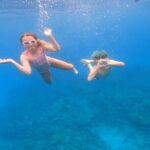
Manta Ray Night Snorkels, compared.
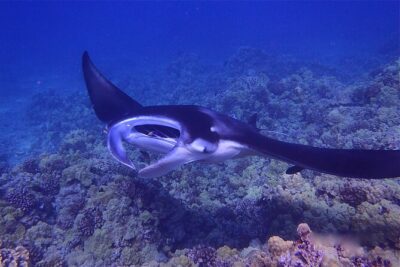 ★ 5.0Big Island Manta Ray Night SnorkelFrom $845,656 reviews
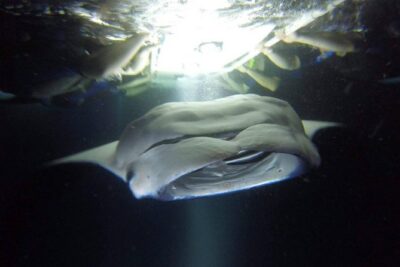 ★ 4.5Kona Manta Ray Snorkel Tour in Keauhou HarborFrom $252,465 reviews
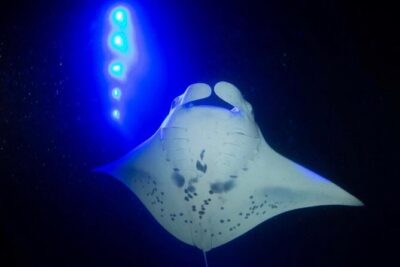 ★ 5.0KONA Manta Ray Night Snorkel – FREE re-ride if no SightingsFrom $492,212 reviews
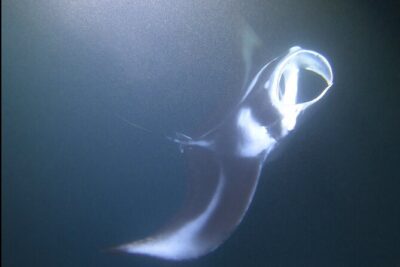 ★ 5.0Manta Ray Night Snorkel at Kona, Big IslandFrom $441,758 reviews
 ★ 4.5Glow of the Deep: Night Snorkeling with Manta RaysFrom $801,254 reviews
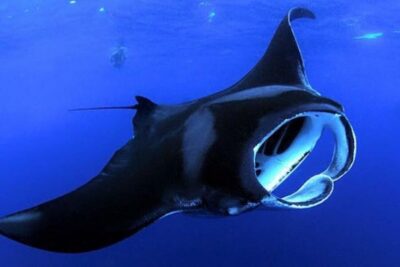 ★ 4.8Kailua Kona: Night Manta Ray Adventure on the Big IslandFrom $1211,199 reviews
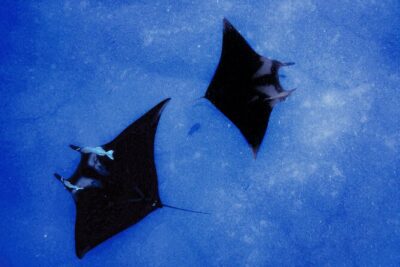 ★ 5.0Manta Magic: Small-Group Manta Ray Night Snorkel in Kailua KonaFrom $1451,141 reviews
 ★ 5.0Sunset and Manta Ray Snorkel AdventureFrom $154843 reviews
Browse the lists this tour appears in