
Reviewed · VOLCANO & WATERFALL HELICOPTER FLIGHTS
Big Island: Discover Hilo Helicopter Tour
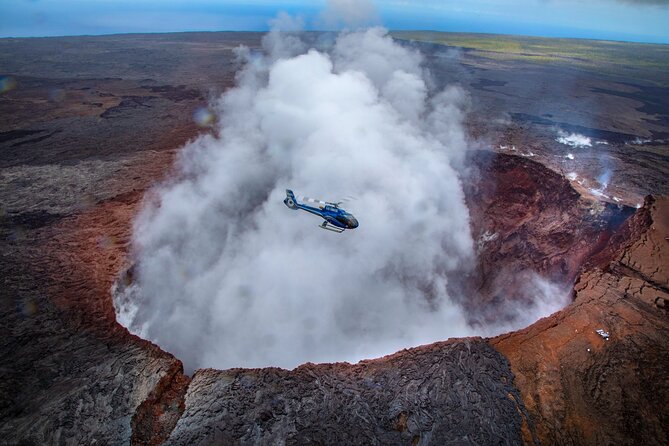
One thing hits fast: the sky changes fast. This Big Island helicopter tour from Hilo gives you views of Kilauea and Mauna Loa you just cannot get by car. You’re in the air above Hawaii Volcanoes National Park in a short, focused 50-minute flight that feels like a front-row seat to Earth doing Earth things.
I love the way the route aims straight at the island’s big-ticket volcano scenery: Kilauea and Mauna Loa from above, plus Halemaumau Crater and the Hamakua Coast. I also love the cockpit setup: Bose Aviation-grade noise-canceling headsets and real-time two-way communication so you can actually follow what your pilot is pointing out.
One drawback to plan for: this is weather-dependent, and what you see can shift based on conditions. If you’re hoping for a very specific crater moment or a certain viewing angle, keep your expectations flexible, because pilots adjust for what’s safe and visible.
In This Review
- Key Things I’d Actually Notice Before You Go
- Why This Hilo Helicopter Flight Feels Different Than Driving
- The 50 Minutes You’re Paying For: Kilauea, Mauna Loa, and More
- Getting Started at Blue Hawaiian Helicopters in Hilo (and Why 45 Minutes Matters)
- How the Headsets and Two-Way Pilot Comms Change the Flight
- What Each Aerial Stop Adds to the Story (and What Can Go Wrong)
- Front-Seat Energy vs. Equal Views: How to Think About Seating
- Price and Value: Is $482.90 a Smart Spend?
- The Staff and Pilot Factor: Why Names Keep Coming Up
- Practical Tips That Reduce Stress (and Keep You Within the Rules)
- Who Should Book This Tour (and Who Might Prefer Another Option)
- Should You Book the Big Island: Discover Hilo Helicopter Tour?
- FAQ
- How long is the Big Island: Discover Hilo Helicopter Tour?
- What does the tour cost?
- What is the maximum group size?
- Where do I meet for the tour?
- How early do I need to check in?
- What is included in the price?
- What is not included?
- Is there a weight limit?
- Are children allowed?
- What happens if the tour can’t fly due to weather?
- What is the cancellation policy?
Key Things I’d Actually Notice Before You Go
- Six travelers max for a more personal flight (and less waiting around)
- Forward-facing seats for a 180-degree feel at the right time
- Two-way headset communication so you hear pilot guidance clearly
- Volcano-focused routing over Hawaii Volcanoes National Park sights like Halemaumau Crater
- Views vary with weather (and sometimes with volcanic conditions), so bring patience
- Bags and selfie sticks don’t fit the rules for helicopter safety and space
See the lava and the falls from the air
- Private Kona Coast Helicopter Tour: All Window Seats★ 5.0 · 139 reviews
- Big Island: Discover Hilo Helicopter Tour★ 4.5 · 110 reviews
- Flight of Aloha Flying Ride Pass★ 5.0 · 86 reviews
- Kohala Waterfalls & Valleys Helicopter Tour★ 5.0 · 36 reviews
Why This Hilo Helicopter Flight Feels Different Than Driving
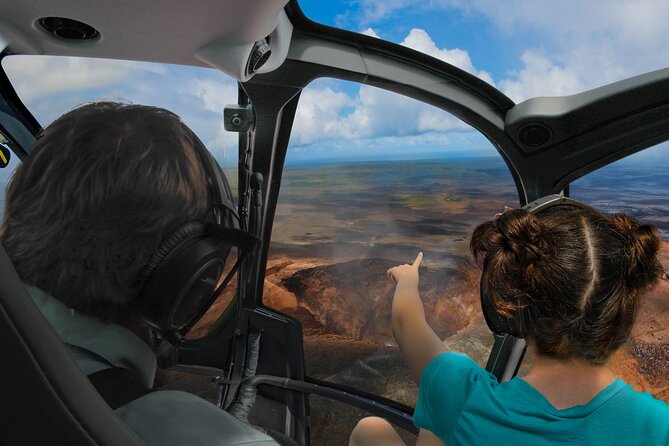
Driving the Big Island is great for stopping when you want, taking photos, and stretching your legs. But it also means you’re limited to overlooks, roads, and safe ground angles. This tour is a straight swap: you trade a few hours in a rental car for a short flight that puts you above the real action.
The value isn’t just in seeing volcanoes. It’s seeing them from the right altitude and angle. From the air, volcanic terrain reads like a map: fresh flows, older scars, and how the coastline bends around the island’s shape. It’s also a different kind of learning. When your pilot narrates what you’re passing overhead, everything clicks faster than reading it later.
The 50 Minutes You’re Paying For: Kilauea, Mauna Loa, and More
This flight runs about 50 minutes, give or take with conditions. That duration matters because helicopters are quick and the airspace isn’t infinite. You’re not doing a full-day aerial tour; you’re doing a concentrated “see the essentials” run.
What the flight is built around is visibility into Hawaii Volcanoes National Park and the volcano system. You’ll aim to see Kilauea and Mauna Loa from the sky, and along the way you can catch Hawaiian waterfalls, Halemaumau Crater, and the Hamakua Coast. The pilot commentary helps you connect what you’re seeing to what those places mean.
One practical reality: helicopter tours are constrained by visibility. Some days the route can open up more of the crater areas. Other days clouds or fog tighten the plan, and you may end up with different viewing windows. The good news is that pilots are used to working around that, and the flight still tends to deliver striking aerial structure even when conditions aren’t perfect.
Getting Started at Blue Hawaiian Helicopters in Hilo (and Why 45 Minutes Matters)
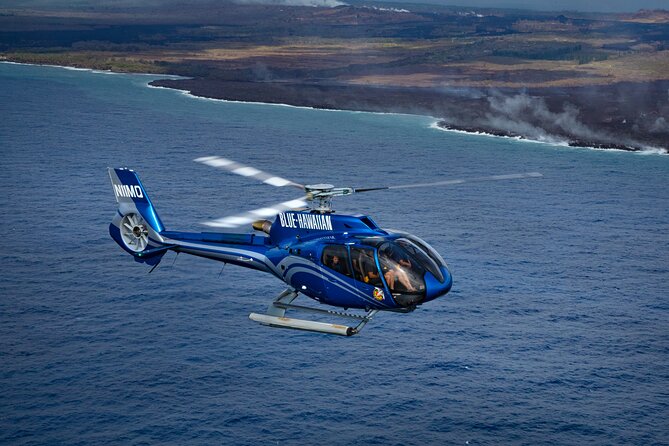
Your tour starts and ends at Blue Hawaiian Helicopters in Hilo. Check-in is set for 45 minutes before departure. This is not optional busywork. Weight checks, safety briefing, and seating all take time, and helicopters leave when they’re ready.
You’ll also want to plan your arrival time like it’s a small airport appointment. Late arrivals aren’t accepted, and the tour is non-refundable if you miss it. So yes, traffic can ruin your day. Build in buffer time from where you’re coming from, because transportation to and from the heliport is not included.
Also note the storage rules. Bags and large cameras are restricted, and extending selfie sticks are not allowed. That doesn’t mean you’re going without photos. It means you should travel light and keep gear within what the staff can fit safely.
How the Headsets and Two-Way Pilot Comms Change the Flight
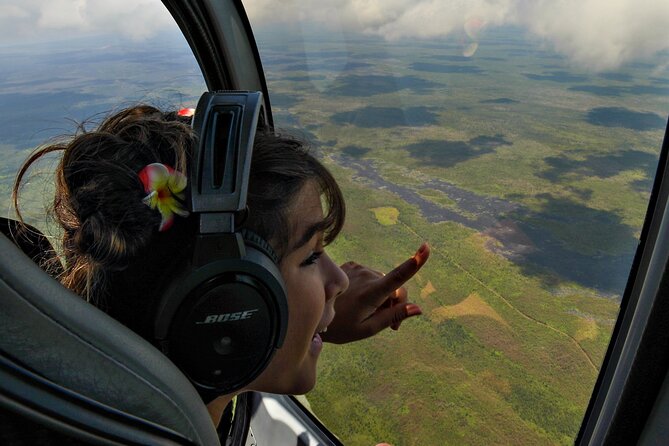
Helicopter rides can be loud, and if you can’t hear the story, you lose half the value. This tour solves that with Bose Aviation-grade electronic noise-canceling headsets and microphones that support two-way communication with your pilot.
In real life, that changes how the flight feels. You’re not just staring out a window. You’re getting a guided aerial walk-through in the air, with your pilot pointing out what you should look for next. People who care about geology or just love understanding what they’re seeing tend to rate this part highly.
There’s also a safety angle. The headset system helps pilots communicate quickly, and you can hear instructions without turning your head toward the front. It’s one of those behind-the-scenes touches that makes the whole experience smoother.



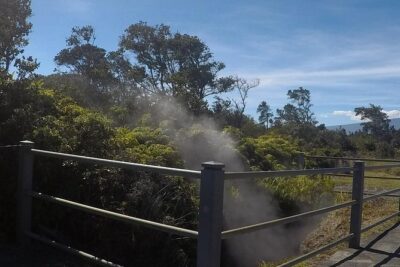

What Each Aerial Stop Adds to the Story (and What Can Go Wrong)
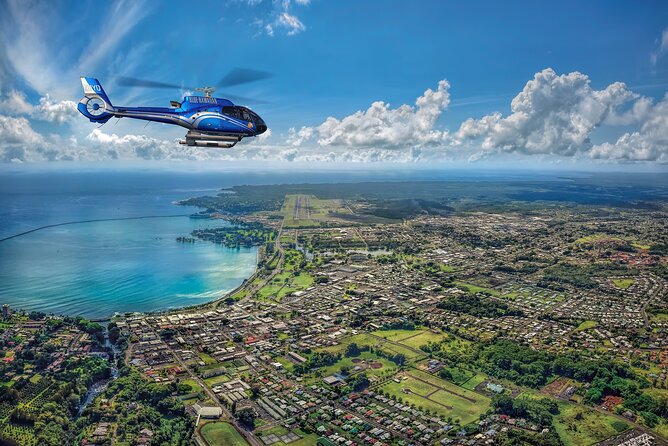
This tour’s route is designed like a mini lesson in how Hilo connects to the volcanoes and the coast. You’ll pass several zones, and each one adds a different piece of the Big Island puzzle.
Stop 1: Hilo Town from above, with the island’s early roots
You’ll get an aerial view of Hilo Town, including a nod to the area being first inhabited around 1100 AD. From the air, towns look different fast. You can see how the valley opens, how the coastline frames the movement of water, and where the green meets the older volcanic shapes.
What to watch for: the way the coastline and terrain meet near the city edge. Even if you’re not a history buff, it helps you place the rest of the flight in a real geography.
Stop 2: Along the volcano shoreline and the ever-changing rugged edges
Next is a shoreline run through the volcano area. This part is about texture and change: rugged terrain that looks new, scarred, and layered. From ground level, it can be hard to sense how young or how old a surface might be. From above, the patterns are more obvious.
The possible drawback here is simple: visibility. If conditions are hazy, details can blur. You might still see the route and coastline shapes, just with fewer crisp edges.
Stop 3: Newly formed volcanic areas and historic lava flows
The flight also targets newly formed volcanic landscapes and historic lava flows. This is where aerial viewing really earns its keep. You’re not looking at a single viewpoint. You’re seeing how lava traveled, where it stopped, and what it reshaped on its way.
If you’re hoping for a dramatic crater closer look: keep expectations flexible. The flight still aims for the key volcano sights, but pilots can adapt based on what’s safely visible that day.
Front-Seat Energy vs. Equal Views: How to Think About Seating
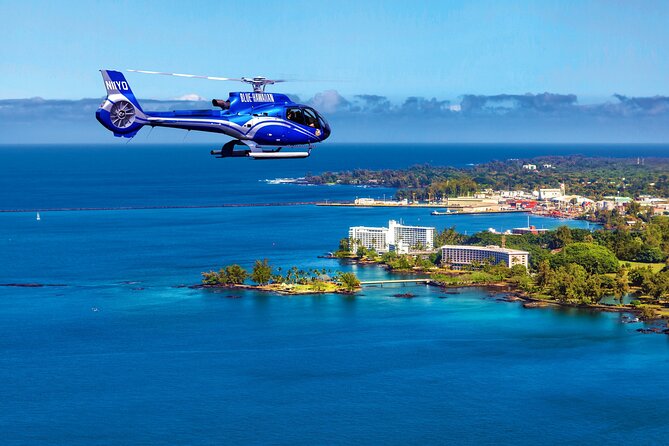
The helicopter uses forward-facing seats with a 180-degree feel at the angles you’re given. Some people opt for premium seating when offered, and it can be worth it if you care most about the photo line of sight.
But even without a premium seat, you should still get real value. This tour is small-group, and the aircraft layout is built around giving everyone access to the best viewing sectors as the route changes. The bigger factor is usually weather and where the pilot can legally and safely route the flight, not just where you sit.
If you’re the kind of traveler who likes to capture photos, consider this: you cannot bring extending selfie sticks, and large camera gear may be restricted. That means your best strategy is to show up with a camera you can hold comfortably and quickly, and not rely on gimmicks.
Price and Value: Is $482.90 a Smart Spend?
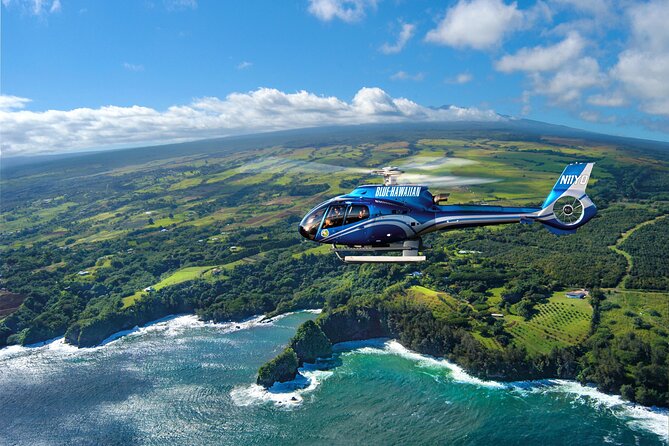
At $482.90 per person for about 50 minutes, it’s not cheap. Helicopters cost money to fly, and this tour is also built with premium hardware and guide support.
So here’s how I’d judge value. This tour includes the pilot as a guide (also State of Hawaii certified tour guides), the headset system, two-way comms, and all fees and taxes. If you’ve ever bought a tour and then felt like you still had to pay extra for the real experience, this one is more straightforward.
Where the price can feel off is when you’re chasing a single specific outcome: like a perfectly visible crater moment or a very close view under clear skies. Because what you see can change, a day with more limited visibility can make the flight feel shorter than you imagined. That said, even on constrained days, the Big Island from the air tends to deliver strong “how is this even real” visuals.
In my view, this is most worth it when:
- You have limited time on the Big Island
- You care about seeing volcano structure from altitude
- You value real-time narration through headsets
- You’re okay with route variability and want the best shot available
The Staff and Pilot Factor: Why Names Keep Coming Up
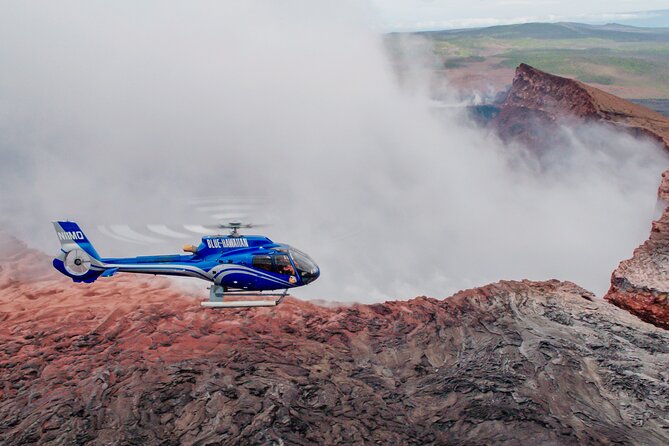
What separates an okay flight from a great one is how the pilot tells the story and how the ground team runs check-in. In the real world, that shows up in the names people remember.
You’ll hear praise tied to pilots like Ryan, Chewy, David, Ethan, Bastian, and Wesley. The common theme is clear: pilots and guide staff are often described as professional, safe, and informative, with commentary that helps you see what you’re looking at.
The other theme is adaptability. Some flights have to change because weather or conditions shift. When pilots handle that smoothly, you still leave with a meaningful aerial route, not just a cancelled plan.
Not every flight is perfect. A small number of experiences cite problems like noise and comfort issues, limited crater focus, or a pilot choosing not to go in a direction passengers wanted. Those are reminders that you’re buying an aviation experience first, and a guaranteed storyboard second.
Practical Tips That Reduce Stress (and Keep You Within the Rules)
A few small moves can make this tour much easier on your body and your schedule:
- Travel light. Know that bags and large cameras can be restricted, and no extending selfie sticks.
- Do not show up late. Check-in is 45 minutes before and late arrivals are not accepted.
- Respect the weight rules. Total passenger weight is capped at 240 lbs. Over that, an adjacent empty seat is required to balance the aircraft, and that second-seat charge is half off.
- Avoid scuba right before flying. No scuba diving within 24 hours of departure.
- Bring good weather luck, not a bad attitude. Tour sights vary with weather, and the whole experience depends on suitable conditions.
If you’re doing a multi-part Big Island plan, this tour also works well as a “big visual day” that anchors your trip. Fit it so you still have time for a flexible plan if weather shifts.
Who Should Book This Tour (and Who Might Prefer Another Option)
This is a strong fit for:
- First-time Big Island visitors who want volcanoes without a long drive
- People who love guided interpretation and not just photos
- Couples and small groups who want a more personal max-6 experience
- Travelers who can handle route variation and are mainly chasing the aerial view
It may not be the best fit if:
- You need a guarantee of seeing a very specific crater view on a specific volcano angle
- You’re extremely sensitive to helicopter noise and vibration (even with noise-canceling headsets, this is still helicopter flight)
- You’re planning to bring lots of gear or oversized cameras that might be restricted
Also, if you’re a weight-sensitive traveler, plan early for the seat-balancing rule. The tour can accommodate passengers above 240 lbs, but it changes how seating works.
Should You Book the Big Island: Discover Hilo Helicopter Tour?
I’d book it if you want the best chance at a volcano-and-coast aerial overview from Hilo, especially with the headset setup and small group size. The tour’s “included” package is thoughtfully built: guide narration, communication tech, and all fees handled in the price.
I wouldn’t book it if your whole trip depends on one guaranteed crater moment. Weather and visibility can change the route, and your pilot may need to adjust. That’s true for most helicopter volcano operations, not just this one.
If you can be flexible, this is one of those experiences that makes the Big Island feel like a living system instead of a place you just visited.
FAQ
How long is the Big Island: Discover Hilo Helicopter Tour?
It runs for about 50 minutes.
What does the tour cost?
The price is $482.90 per person.
What is the maximum group size?
The experience has a maximum of 6 travelers.
Where do I meet for the tour?
You meet at Blue Hawaiian Helicopters, Hilo, HI 96720, USA, and the tour ends back at the same meeting point.
How early do I need to check in?
Check-in is 45 minutes prior to the tour time for weight check-in, safety briefing, and seating. Late arrivals will not be accepted.
What is included in the price?
You get a pilot guide who is also a State of Hawaii certified tour guide, Bose Aviation-grade electronic noise-canceling headsets, microphones for two-way communication, and all fees and taxes.
What is not included?
Transportation to and from the heliport is not included. USB in-flight video and photo packages are available after the flight for purchase, and there is also a $10 USD parking fee at the heliport.
Is there a weight limit?
Yes. Total weight per passenger is capped at 240 lbs. For passengers weighing over 240 lbs, an adjacent empty seat is required, and that second seat charge is half off the regular tour price.
Are children allowed?
Yes. Children 23 months and younger are complimentary and considered a lap child.
What happens if the tour can’t fly due to weather?
The experience requires good weather. If it’s canceled due to poor weather, you’ll be offered a different date or a full refund.
What is the cancellation policy?
You can cancel up to 24 hours in advance for a full refund. If you cancel less than 24 hours before the start time, the amount you paid will not be refunded.
More Tours in Big Island of Hawaii
- Big Island: Kona Manta Ray Snorkel Tour in Keauhou Harbor
★ 4.5 · 2,465 reviews - Hilo Shore Excursion: Volcanoes National Park & Black Sand Beach
★ 4.5 · 2,338 reviews - Small Group Big Island Twilight Volcano and Stargazing Tour
★ 5.0 · 1,619 reviews - Big Island: Mauna Kea Summit and Stars Small-Group Adventure Tour
★ 5.0 · 1,545 reviews - Big Island: Mauna Kea Summit Tour with Free Night Star Photo
★ 5.0 · 1,449 reviews - Kona Snorkel Tour: Captain Cook Reef Snorkel, Dolphin & Sea Caves
★ 4.5 · 1,411 reviews
More Tour Reviews in Big Island of Hawaii
- Big Island in a Day: Volcanoes Waterfalls Sightseeing and History
★ 5.0 · 6,569 reviews - Big Island Manta Ray Night Snorkel
★ 5.0 · 5,656 reviews - Big Island: Kona Manta Ray Snorkel Tour in Keauhou Harbor
★ 4.5 · 2,465 reviews - Hilo Shore Excursion: Volcanoes National Park & Black Sand Beach
★ 4.5 · 2,338 reviews - Big Island: Captain Cook Snorkel On A Power Catamaran With Lunch
★ 5.0 · 2,232 reviews - KONA Manta Ray Night Snorkel – FREE re-ride if no Sightings
★ 5.0 · 2,212 reviews
Lava and Falls From the Air
- Private Kona Coast Helicopter Tour: All Window Seats
★ 5.0 · 139 reviews - Big Island Spectacular Helicopter Tour
★ 5.0 · 116 reviews - Flight of Aloha Flying Ride Pass
★ 5.0 · 86 reviews - Kohala Waterfalls & Valleys Helicopter Tour
★ 5.0 · 36 reviews - Exclusive Landing with Spectacular Big Island Helicopter Tour
★ 5.0 · 34 reviews - Kohala Waterfalls with Exclusive Landing Helicopter Tour
★ 5.0 · 19 reviews
Just Added: The Newest Big Island Reviews




Volcano & Waterfall Helicopter Flights, compared.
 ★ 4.5Volcano Adventure: Hilo Sightseeing w/ Optional Helicopter TourFrom $202412 reviews
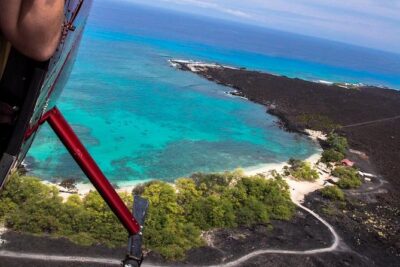 ★ 5.0Private Kona Coast Helicopter Tour: All Window SeatsFrom $240139 reviews
 ★ 5.0Big Island Spectacular Helicopter TourFrom $790116 reviews
 ★ 5.0Flight of Aloha Flying Ride PassFrom $3486 reviews
 ★ 5.0Kohala Waterfalls & Valleys Helicopter TourFrom $46036 reviews
 ★ 4.1Hilo: Discover Hilo Helicopter TourFrom $43935 reviews
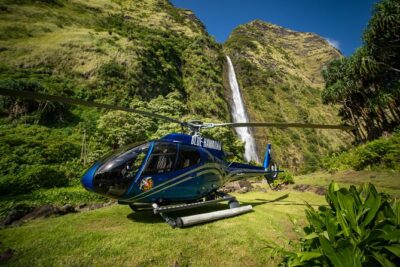 ★ 5.0Exclusive Landing with Spectacular Big Island Helicopter TourFrom $1,13434 reviews
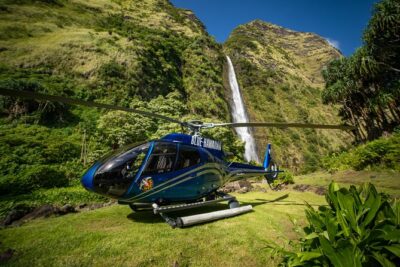 ★ 5.0Kohala Waterfalls with Exclusive Landing Helicopter TourFrom $80419 reviews
Browse the lists this tour appears in