
Reviewed · TOURS
Kona Haunted Hele Ghost Tour
Kona turns eerie after dark. This Kona Haunted Hele tour uses real historic ground in downtown Kona to tell ghost legends alongside big cultural change—churches, heiau, palaces, and a royal turning point. I like that it’s built for an evening stroll, not a stuffy museum stop, and it keeps you moving through the oldest layers of the town.
What I also like is the balance: you get both story and atmosphere. The tour’s small group size (capped at 15) makes it easier to hear your guide and ask questions, and the vibe stays personal even when the subject gets spooky.
One thing to consider: this is mostly an outside walking tour. If you’re hoping to go inside Hulihe’e Palace or Mokuaikaua Church, plan on just viewing and learning from the areas you can access at night.
In This Review
- Key things to know before you go
- A 7:00 pm walk through Kona’s sacred and colonial layers
- Kona Inn Shopping Village and the red flats mood shift
- Hulihe‘e Palace: the lady in white and what you can (and can’t) access
- Mokuaikaua Church: lava rock, the first Christian foothold, and kapu to change
- Ahuena Heiau: Ku, Lono, and why the tour lingers
- Kamakahonu Beach: Kamehameha I’s next-life transition
- Kailua Pier finish: missionaries, arrival, and the evening wrap-up
- How the paranormal-style part works on this night
- What makes the guide factor so important here
- Weather, pacing, and small practical tips that help
- Who should book this Kona Haunted Hele tour
- Should you book the Kona Haunted Hele Ghost Tour?
- FAQ
- How long is the Kona Haunted Hele Ghost Tour?
- What time does the tour start?
- Where do we meet and where does the tour end?
- Is the tour in English and do we get a mobile ticket?
- Will we go inside Hulihe‘e Palace or Mokuaikaua Church?
- What happens if weather is bad?
Key things to know before you go
- Starts and ends downtown Kona for an easy evening plan, finishing at Kailua Pier across from the King Kamehameha Kona Beach Hotel.
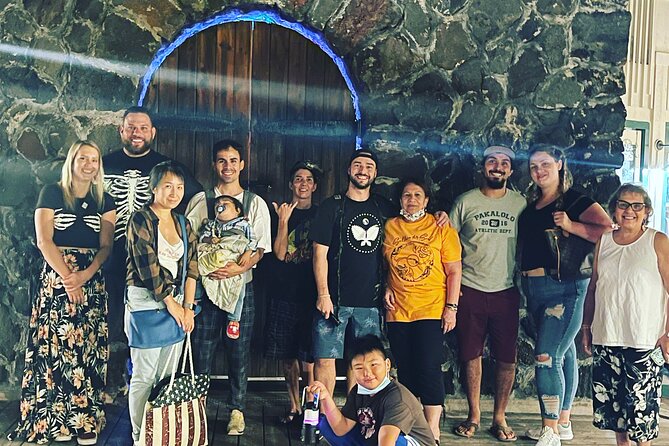
- Small-group format keeps the pace friendly and the explanations easier to follow.
- Focused stops on sacred and royal sites tied to Hawaiian belief systems and the arrival of Western religion.
- Paranormal-style moments can include EVP/EMF-style investigations and photo/video examples, but results are never guaranteed.
- Most sites require no separate admission—with one notable exception at Hulihe’e Palace.
Still deciding? Here is how this one stacks up against the Big Island tours people book most.
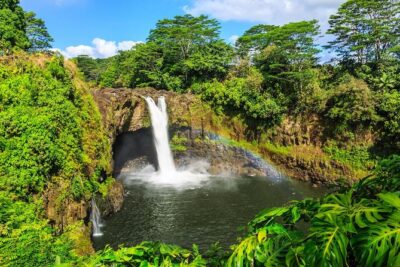
- Big Island in a Day: Volcanoes Waterfalls Sightseeing and History★ 5.0 · 6,569 reviews
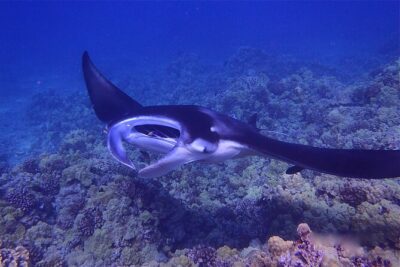
- Big Island Manta Ray Night Snorkel★ 5.0 · 5,656 reviews
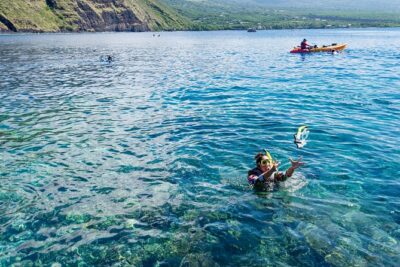
- Big Island: Kona Manta Ray Snorkel Tour in Keauhou Harbor★ 4.5 · 2,465 reviews
- Hilo Shore Excursion: Volcanoes National Park & Black Sand Beach★ 4.5 · 2,338 reviews
A 7:00 pm walk through Kona’s sacred and colonial layers
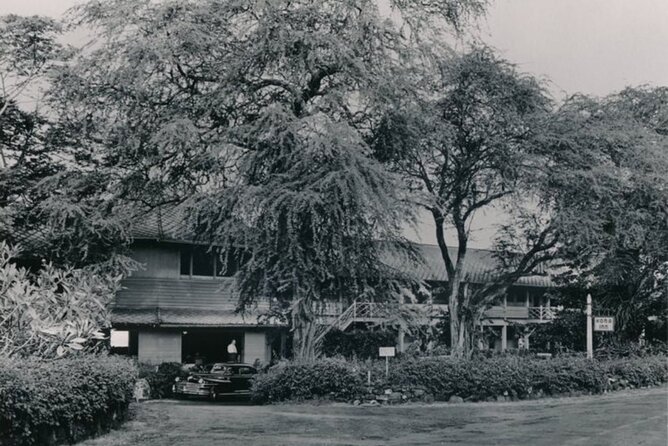
The tour runs about 1 hour 30 minutes to 2 hours, starting at 7:00 pm. You’ll meet at Kona Inn Shopping Village (75-5744 Ali‘i Dr) and finish at Kailua Pier (Kaahumanu Pl), across from the King Kamehameha Kona Beach Hotel. It’s a nice structure for a night that doesn’t drag—you get enough time for stories, but not so much that you’re exhausted before the end.
This matters because Kona can feel spread out during the day. At night, you’ll appreciate how efficiently the route threads together important places in the same core area. You’re also doing it on foot with a guide who’s talking the whole time, so you’re not just “passing by” historical markers—you’re getting the why behind them.
Since it’s offered in English and uses a mobile ticket, you can keep things simple: charge your phone, keep your ticket handy, and wear shoes you’d be comfortable walking on after dark. Service animals are allowed, and the meeting area is near public transportation, which helps if you’re not renting a car.
Kona Inn Shopping Village and the red flats mood shift
Your first stop is Kona Inn Shopping Village. This area is tied to ancient grounds and the way early tourism shaped Kona’s modern footprint. The tour frames the site as “papa‘ula,” or red flats, and links it to painful history, including talk of human sacrifice.
If you’re doing this tour for the paranormal side, this is a smart first stop. The guide isn’t starting with monsters. They’re starting with place. The story sets up the tone: this isn’t a random spooky walk—this is about why people associate particular corners of Kona with eerie energy and restless legends.
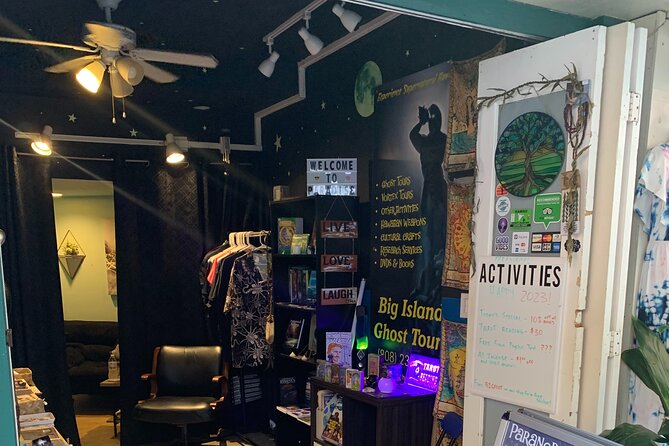
There’s also a practical perk here. Since you begin near central downtown, you get your bearings fast before the stories start layering. And at the end of your experience, there’s a cleansing sage smudge at the new Big Island Ghost Tours booth—so stop 1 feels like the start of a full-cycle ritual, not just a kickoff.
Hulihe‘e Palace: the lady in white and what you can (and can’t) access
Next up is Hulihe‘e Palace, one of Kona’s most famous historic landmarks. The tour focuses on the legend of the “lady in white,” and it keeps the mystery wide open—asking whether it was Pele or Princess Kaiulani who appeared, and noting that she has reportedly been seen on tour before and then disappeared.
Here’s the consideration: you’re not guaranteed inside access. In fact, the way the tour operates at night points toward exterior viewing and story-led exploration. If your must-do is walking inside, you should know this isn’t that kind of experience. The tour includes time at the palace area, but ticketing for any on-site access is not included per the tour info.
Still, this stop is worth your attention because it connects multiple ideas at once—royalty, spiritual presence, and how colonial-era structures sit on land with older religious meaning. Even if you’re skeptical, watching the building in night lighting and hearing the legend’s different possible identities makes the story feel less like a script and more like local folklore.
Mokuaikaua Church: lava rock, the first Christian foothold, and kapu to change
Then the route heads to Mokuaikaua Church. This stop is about transformation in a very physical way: lava rock cornerstones from Hawaii’s very first Christian church are discussed, and the tour also connects that spot to a much older Hawaiian temple foundation that came before it.
The story also traces how the shift in religion ties into major social upheaval in Hawaii. The tour mentions the end of the kapu system and events seen as Hawaii’s “civil war,” framing the period as more than just a religious switch—it’s a major cultural rupture.
I like this kind of “spooky history” because it doesn’t reduce everything to ghosts. You’re learning why a place might feel haunted to people who lived through (or inherited stories about) violent change. If you’re the type who enjoys scary legends but also wants the real historical context, this stop is a strong match.
Ahuena Heiau: Ku, Lono, and why the tour lingers
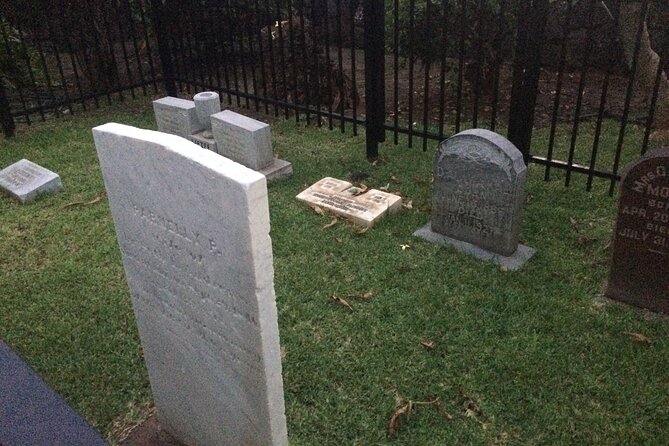
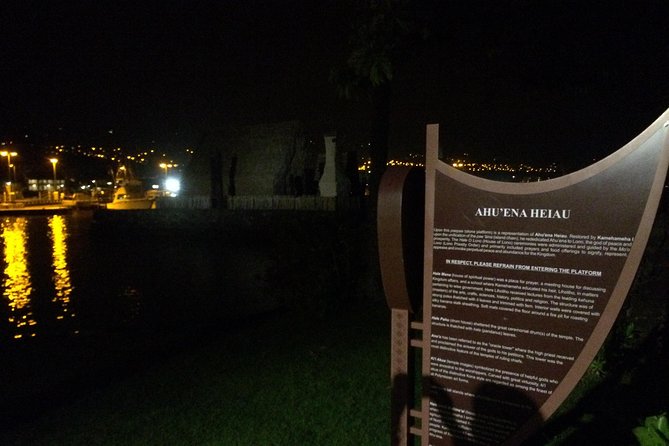
After that, you’ll visit Ahuena Heiau, described as a former sacrificial luakini dedicated to Ku, where human sacrifice was performed. Later, it was rededicated by King Kamehameha to Lono as a temple of peace.
This is where the tour’s tone can shift. You’re not just hearing about ghost sightings—you’re being asked to picture how spiritual practice, political power, and public ceremony all overlapped on the same ground. And because the tour keeps it tied to specific named gods (Ku and Lono), it gives you something concrete to hold onto.
The drawback? If you’re expecting the ghost stories to dominate every minute, stops like this can feel heavier and more reflective than “spooky action.” But if you’re open to that, Ahuena Heiau is one of the most meaningful parts of the walk because it shows why haunted legends often cluster around ritual spaces.
Kamakahonu Beach: Kamehameha I’s next-life transition

Your next major stop is Kamakahonu Beach, and the tour gives it a very specific gravity. This is identified as the place where King Kamehameha I transitioned into the next life, and it’s also framed as an ancient site where human sacrifice occurred.
Time matters here—this stop is allotted about 30 minutes, longer than most other stops on the route. That extra time is a clue: this is not a quick photo moment. It’s a place where the guide can slow down, connect stories, and let the atmosphere do its work.
If you want paranormal pay-off, don’t rush this part of the walk. The longer pause helps you shift from listening mode into noticing mode—what sounds carry at night, how the air feels near the coast, and how the story sticks when you’re standing where the legend says it all happened.
Kailua Pier finish: missionaries, arrival, and the evening wrap-up
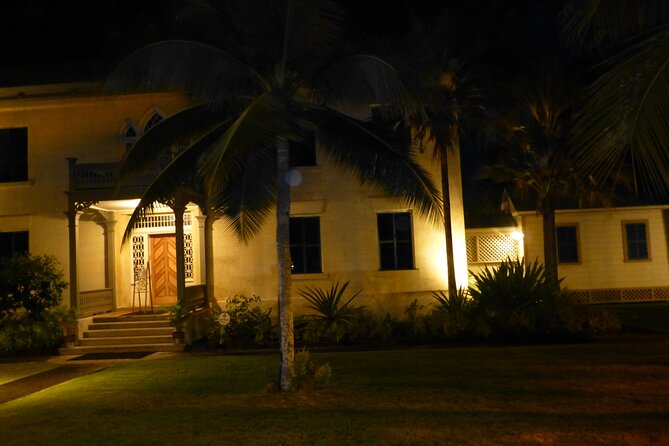
The final stop is Kailua Pier, which is also the tour’s main downtown finish point. The tour notes that this is where missionaries arrived bringing Western religion to the islands—another layer of “belief change” that connects back to earlier stops about kapu, churches, and sacred sites.
From a practical angle, finishing at a central pier area makes the night easy to end. You’ve got a clear endpoint and a known landmark to head back from. And because the sage smudge is part of the tour’s close, you end with something that feels like a gentle reset.
If you’re the type who likes to compare “spooky” stories to real history in a single night, Kailua Pier ties the theme together: Hawaii’s spiritual landscape wasn’t static. It shifted, resisted, adapted—and the stories people kept passing down reflect that.
How the paranormal-style part works on this night
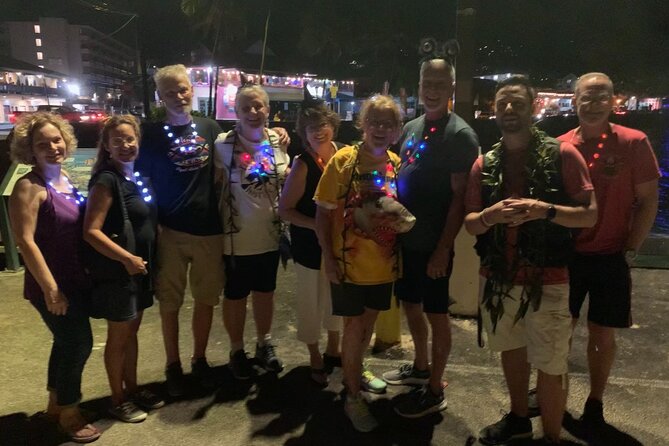
This tour is billed as haunted, but it’s not a theme-park ghost show. The paranormal side leans into atmosphere, storytelling, and the kinds of tools and methods that ghost-tour fans recognize.
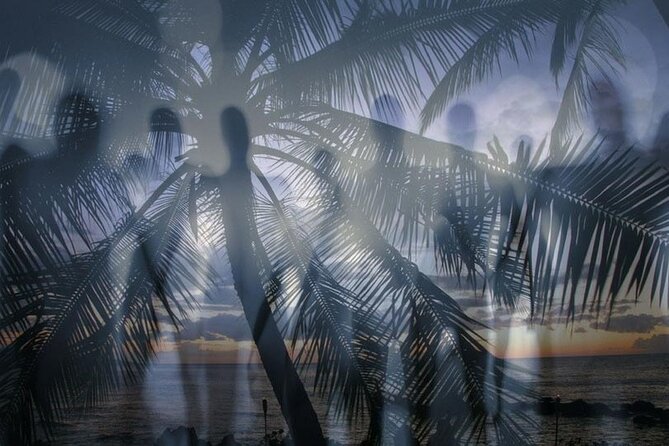
On past nights, the experience has included things like EVP examples and EMF detector type investigations, plus the fun possibility of photo orbs. There’s also mention of video and picture examples shown by the guide during the walk. And if you’re the camera-on-person type, you’ll likely want to bring a phone you can keep ready—without blocking the group or stepping into traffic.
Important expectation setting: you may see or hear nothing. That’s normal for this style of tour. The value is the combination—history plus mystery, and the way your guide frames what might happen where.
If you’re hoping for jump scares or anything that feels like a staged haunt, you might be disappointed. But if you want local legends, place-based storytelling, and a chance to do a little paranormal-style “investigating” while you walk, this is a very satisfying format.
What makes the guide factor so important here
The most praised element of this tour is the guide’s ability to teach without turning the walk into a lecture. Guides have been described as approachable, respectful, and able to handle both the cultural history and the paranormal chatter without losing the group.
One reason this matters for you: night tours live or die by pacing and sound. If the guide keeps the explanations tight and gives you time to look up, listen, and ask questions, you feel included. If the guide’s energy dips or tech glitches happen, the experience can become more uneven—especially on a walking tour where attention is everything.
So plan to do your part: arrive early enough to settle in, stand where you can hear clearly, and don’t be shy about questions. The best nights are the ones where you’re engaged, not just passively following.
Weather, pacing, and small practical tips that help
This experience requires good weather. If conditions are poor, the tour can be canceled and you’ll be offered a different date or a full refund. That’s a big deal because this is an evening walking route through multiple outdoor stops.
To keep it comfortable:
- Wear shoes with real grip. Kona nights can be breezy, and you’ll be on uneven sidewalk areas.
- Bring a light layer. Evening weather can cool quickly.
- If you’re bringing a camera, set up before the stop begins so you’re not fidgeting while your guide is talking.
- Keep your phone brightness reasonable so you’re not dazzling anyone behind you.
Also, this tour can be interrupted by rain. If that happens, don’t automatically assume the night is “over”—just be ready for a shortened experience and keep a flexible attitude.
Who should book this Kona Haunted Hele tour
I’d book this if you fit one (or more) of these boxes:
- You want a downtown Kona night activity that feels different from a standard dinner-and-a-stroll.
- You like Hawaiian cultural context paired with ghost legends.
- You enjoy the “maybe we catch something” energy of EVP/EMF-style investigations, even if results vary.
- You’re traveling as a couple, family group, or small group and want a guided route that avoids wandering without a plan.
It’s also a nice pick if you already know the broad highlights of Kona and want the stories that explain what happened around specific streets and shoreline areas.
Should you book the Kona Haunted Hele Ghost Tour?
If you want a quick, guaranteed scare show, look elsewhere. This isn’t built that way.
But if you want an evening where Hawaiian sacred sites and royal history meet haunted legends—plus some paranormal-style methods and a closing sage smudge—this tour is a strong bet. The stop choices connect into a clear theme, the route stays compact, and the small-group structure makes it feel personal instead of rushed.
My advice: book it if your goal is learning and atmosphere, not interior access. If you’re sensitive to heavy historical themes (like sacrifice and forced cultural change), take that into account before you go. Otherwise, bring your curiosity, good shoes, and an open mind—and you’ll get a memorable Kona night that feels anchored in place.
FAQ
How long is the Kona Haunted Hele Ghost Tour?
It typically runs about 1 hour 30 minutes to 2 hours.
What time does the tour start?
The tour starts at 7:00 pm.
Where do we meet and where does the tour end?
You start at Kona Inn Shopping Village (75-5744 Ali‘i Dr, Kailua-Kona) and finish at Kailua Pier across from the King Kamehameha Kona Beach Hotel.
Is the tour in English and do we get a mobile ticket?
Yes, the tour is offered in English, and you’ll have a mobile ticket.
Will we go inside Hulihe‘e Palace or Mokuaikaua Church?
The tour focuses on the stops during the evening. The information provided indicates that palace and church access isn’t part of a nighttime inside visit.
What happens if weather is bad?
This experience requires good weather. If it’s canceled due to poor weather, you’ll be offered a different date or a full refund.
More Tours in Big Island of Hawaii
- Big Island: Kona Manta Ray Snorkel Tour in Keauhou Harbor
★ 4.5 · 2,465 reviews - Hilo Shore Excursion: Volcanoes National Park & Black Sand Beach
★ 4.5 · 2,338 reviews - Small Group Big Island Twilight Volcano and Stargazing Tour
★ 5.0 · 1,619 reviews - Big Island: Mauna Kea Summit and Stars Small-Group Adventure Tour
★ 5.0 · 1,545 reviews - Big Island: Mauna Kea Summit Tour with Free Night Star Photo
★ 5.0 · 1,449 reviews - Kona Snorkel Tour: Captain Cook Reef Snorkel, Dolphin & Sea Caves
★ 4.5 · 1,411 reviews
More Tour Reviews in Big Island of Hawaii
- Big Island in a Day: Volcanoes Waterfalls Sightseeing and History
★ 5.0 · 6,569 reviews - Big Island Manta Ray Night Snorkel
★ 5.0 · 5,656 reviews - Big Island: Kona Manta Ray Snorkel Tour in Keauhou Harbor
★ 4.5 · 2,465 reviews - Hilo Shore Excursion: Volcanoes National Park & Black Sand Beach
★ 4.5 · 2,338 reviews - Big Island: Captain Cook Snorkel On A Power Catamaran With Lunch
★ 5.0 · 2,232 reviews - KONA Manta Ray Night Snorkel – FREE re-ride if no Sightings
★ 5.0 · 2,212 reviews
Just Added: The Newest Big Island Reviews



Tours, compared.
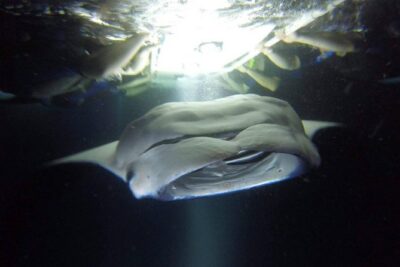 ★ 4.5Kona Manta Ray Snorkel Tour in Keauhou HarborFrom $252,465 reviews
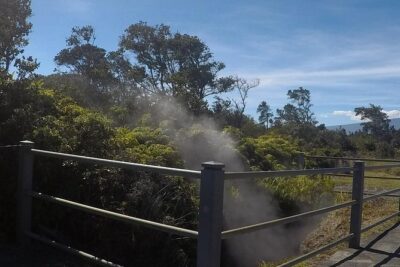 ★ 4.5Hilo Shore Excursion: Volcanoes National Park & Black Sand BeachFrom $1592,338 reviews
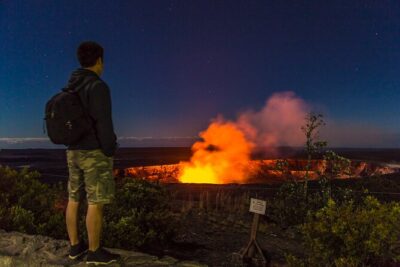 ★ 5.0Small Group Big Island Twilight Volcano and Stargazing TourFrom $2971,619 reviews
 ★ 5.0Mauna Kea Summit and Stars Small-Group Adventure TourFrom $3291,545 reviews
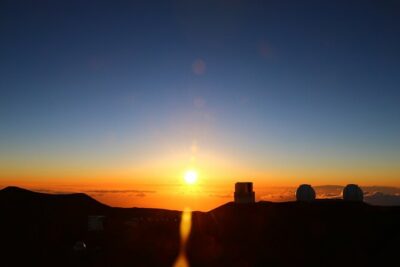 ★ 5.0Mauna Kea Summit Tour with Free Night Star PhotoFrom $2801,449 reviews
 ★ 4.5Kona Snorkel Tour: Captain Cook Reef Snorkel, Dolphin & Sea CavesFrom $711,411 reviews
 ★ 5.0Big Island Zipline Tour Near Akaka Falls (250-ft Waterfall!)From $2461,077 reviews
 ★ 5.0Hawaiian Salt Farm Tour in KonaFrom $27767 reviews