
Reviewed · KONA HUMPBACK WHALE CRUISES
Humpback Whale and Dolphin Watch in Kona
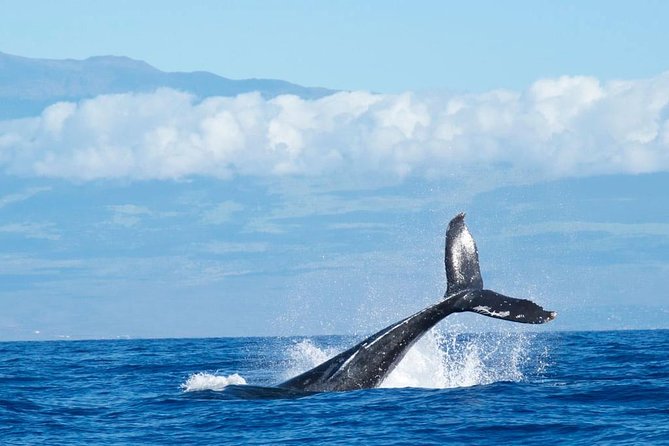
Kona’s ocean trip is short, but the wildlife payoff can be huge. This 3.5-hour humpback whale and dolphin watch focuses on spotting cetaceans off Kailua-Kona’s rugged coastline, with live onboard narration and an underwater hydrophone so you can hear whales. I like the small-group feel (so you can actually see what the guide is pointing out), and I really like the way the crew keeps the focus on whales, dolphins, and local coastline geology instead of turning it into a rushed checklist.
My favorite part is the combo of classic dolphin-and-whale watching plus hands-on explanation. You’ll get a naturalist/crew narrative on where to look, which species are likely this time of year, and what humpbacks are doing during their seasonal visit. One possible drawback: humpbacks are protected, so you may not get the super-close, boat-by-boat photo everyone dreams about—especially if whales stay offshore or are moving fast.
In This Review
- Key things to know before you go
- Why Kona’s whale season is the whole point (Dec–April)
- The boat ride: what the 3.5 hours feels like
- Who should think twice about this style of boat
- Stop and setting: Kailua-Kona and the coast you came for
- Dolphins year-round: what you can see even when humpbacks are shy
- Humpbacks (Dec–Mar focus): how the crew searches and manages distance
- The distance rule (and why it affects your photos)
- Hydrophone moments: hearing whales is often the payoff
- Small-group size: why it changes the experience
- Narration and crew: the experience is only as good as the humans
- One note on narration variability
- What’s included—and what you need to handle yourself
- Meeting point and check-in timing: don’t let this steal your morning
- Price and value: is $109 worth it?
- So, what are you most likely to see?
- Should you book this Kona whale and dolphin watch?
- FAQ
- When is the humpback whale season for this tour?
- How long is the tour?
- Is snorkeling included?
- What animals can you see besides humpback whales?
- Is there a restroom on the boat?
- What should I bring?
- Where do I meet for check-in?
- Do they provide narration?
- What is the main difference in what you’re allowed to expect from whales up close?
- Is transportation included?
Key things to know before you go
- Dec–Apr humpbacks: Dolphins are year-round; humpbacks are seasonal in the warmer months.
- Underwater hydrophone: You may hear humpback vocalizations when the crew deploys it.
- Small-group cruise: Limited capacity helps keep sight lines open and the commentary more personal.
- A rigid-hull inflatable ride: Expect wind, spray, and some roughness at times.
- No restroom on board: Plan ahead—this is an on-water, not stop-everywhere, experience.
More humpbacks off the Kona coast this winter
- Whale Watching On The Big Island★ 5.0 · 573 reviews
- Big Island: Pelagic Whale Watch Tour★ 5.0 · 557 reviews
- Zodiac Raft Whale Watching Adventure★ 5.0 · 456 reviews
- Whale Watch Excursion from the Big Island★ 4.5 · 263 reviews
Why Kona’s whale season is the whole point (Dec–April)
If you’re planning this around humpbacks, time matters. This cruise runs only during the seasonal window from December to April, when humpback whales come to mate and give birth. Outside those months, the same coastline can still deliver plenty—especially dolphin activity—but humpbacks are the star you’re booking for.
One extra reality check: whale timing can shift a bit from year to year. A recent note from a captain said the season can run more typically into January–February. So if you’re chasing guaranteed humpback sightings, the best approach is to book with flexible expectations and good weather planning.
The boat ride: what the 3.5 hours feels like
The schedule is built around time on the water. You’re looking at about 3 hours on the water, with check-in time folded into the full 3.5 hours. You’ll be on a rigid hull inflatable, which usually means a faster, more maneuverable ride than a big passenger boat. It also means you feel more of the ocean.
From real-world feedback, the ride can be bumpy depending on conditions. One reviewer even mentioned a heads-up about taking shoes off on board, so keep an eye out for crew instructions once you’re seated. If you’re prone to motion sickness, you’ll want to prepare like you would for any open-water small-boat outing: water, hat, sunglasses, and maybe a remedy you trust.
Who should think twice about this style of boat
The operator notes the cruise is not suitable for people with neck or back issues, serious medical issues, or pregnancy, due to the type of boats they operate. If any of those apply, it’s smart to choose a different tour format that’s designed for your comfort needs.
Stop and setting: Kailua-Kona and the coast you came for
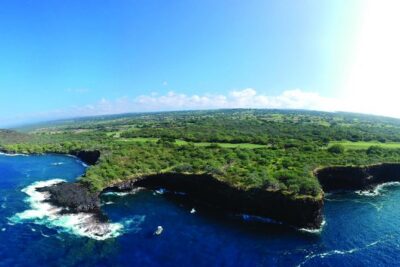
This is a slow cruise that’s centered on reading the coastline. From Kailua-Kona, the crew looks along Kona’s dramatic shoreline for wildlife and for the best viewing position when they find it. The route is built around the idea that it’s more than just spotting—part of the value is the narrative about local history, geography, and geology as you go.
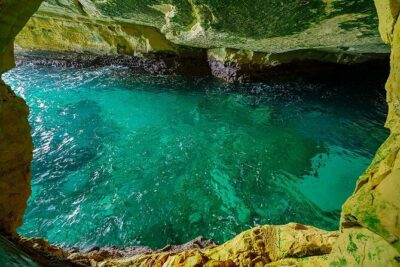
Expect a mix of coastline viewpoints, sea areas with caves or sea arches (depending on where they run that day), and plenty of chances for photos of the rugged coast. One family described feeling like they got up close to shoreline features, not just straight out-and-back whale watching.
More spinner dolphins along the Kona reefs

Dolphins year-round: what you can see even when humpbacks are shy
Even if humpbacks don’t show close to the boat (more on that in a minute), this cruise is structured to deliver dolphin sightings. It’s set up for year-round viewing of dolphins, including Hawaiian spinner dolphins, Pacific bottlenose dolphins, and spotted dolphins.
What this means for you in practice: if dolphins are active that day, the tour stays lively and fun even when humpbacks keep their distance. Multiple accounts highlight dolphins along the coastline and even some surprising extras like flying fish, which can appear when the water surface is busy.
Humpbacks (Dec–Mar focus): how the crew searches and manages distance
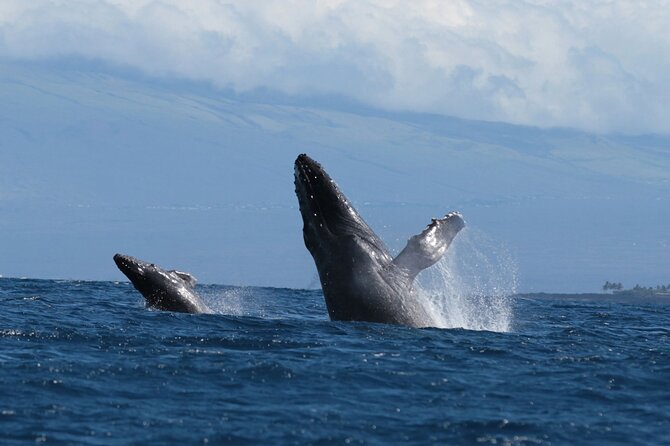
When humpbacks are in season, you’re not just waiting—you’re searching. The plan is to actively look for humpbacks and other whales that might be present, such as pilot whales, beaked whales, melon-headed whales, and others. If you’re the type who wants to hear why certain areas are worth checking, you’ll likely enjoy the onboard commentary that explains spotting patterns and what the crew does when whales surface.
The distance rule (and why it affects your photos)
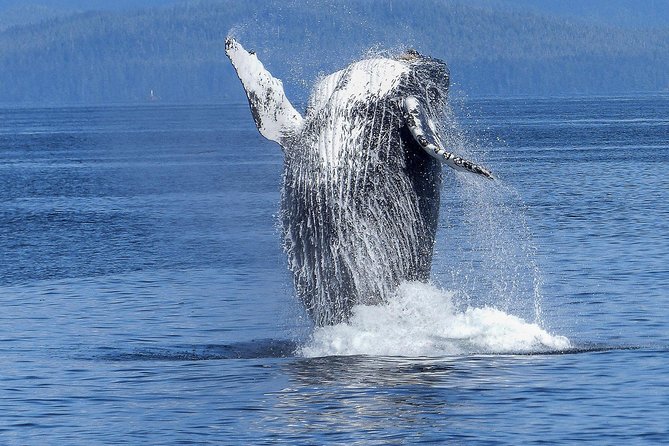
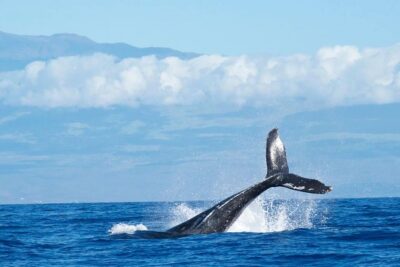
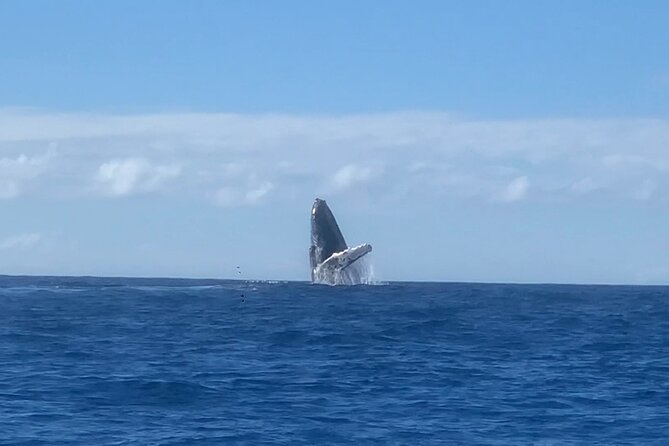
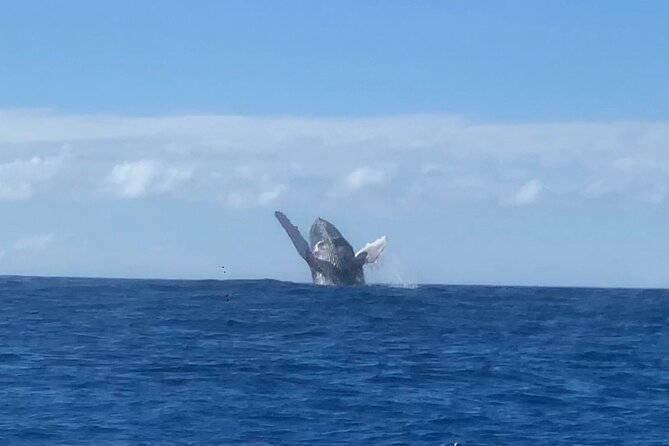
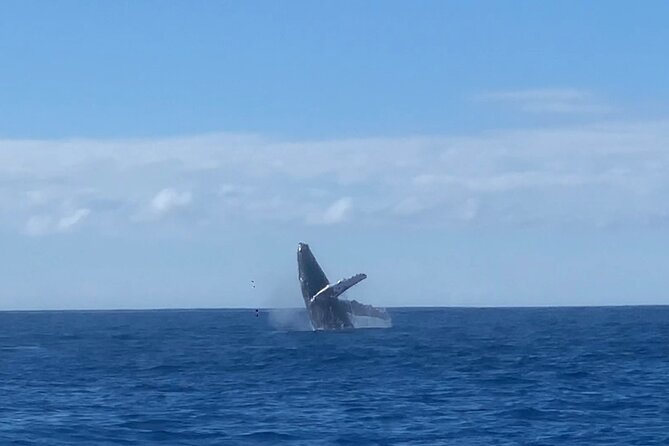
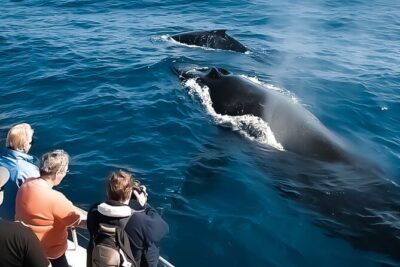
Here’s the part that can disappoint people who expect a guaranteed boat-close encounter: whales are federally protected, and the operator maintains a safe distance of 100 yards. That rule is why you may see whales blowing and breaching in the distance instead of right next to the hull.
This isn’t a tour trick—it’s a real wildlife safety requirement. Still, you can improve your odds by having patience. Several accounts describe humpback activity ranging from visible blows to breaching while following the whales around in multiple spots. But close encounters are never something to bank on.
Hydrophone moments: hearing whales is often the payoff
A standout feature here is the underwater hydrophone. The crew aims to give you time to observe and also to listen. In practice, that can turn whale watching from purely visual to something more physical—like noticing the whales aren’t just present, they’re communicating.
One review highlighted the best moment as when the hydrophone went in the water and they heard humpbacks for the first time. Another mentioned a system that let them listen to whale communication underwater, which is a great reminder that a whale sighting can still be amazing even when the whales stay a bit back.
If you’re a photo-only person, this part might not feel as exciting as a perfect close breaching shot—but if you want a fuller wildlife experience, it’s a genuine value add.
Small-group size: why it changes the experience
This tour is positioned as a relaxed, small-group cruise. The information you’ll see states a maximum around 20 travelers and also mentions up to 28 passengers; either way, it’s clearly not a huge crowd operation. The practical benefit is simple: better sight lines, easier conversation with the crew, and faster attention when someone spots a blow.
Several accounts specifically praised the manageable size and the chance to hear narration without fighting over position. One reviewer even said they could have one-on-one conversations with the captain, which is what you want from a whale watch if you care about the “how” behind the spotting.
Narration and crew: the experience is only as good as the humans
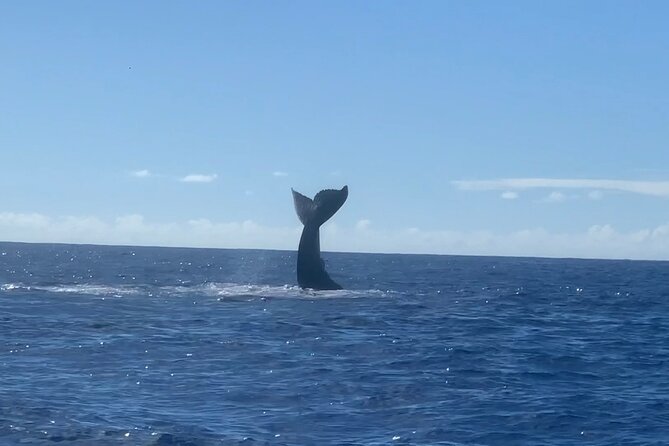
You’ll get live onboard commentary from a naturalist guide and/or the captain/crew, and that matters. Some recent feedback calls out that the crew mixes whale behavior with local island stories—like archaeology and where certain places tie into Hawaiian culture and legends.
A few guide names came through clearly in feedback:
- Captain Dennis (and Bryce, mentioned as first mate)
- Captain Shelley (with Gabe, mentioned as co-captain)
- Raj (tour guide)
- Robb / Rob (guide/captain name mentioned in accounts)
- Chad (captain mentioned in a note about searching and a bumpy ride)
- Tim (first mate, mentioned by name)
Not every departure will be the same cast of people, but the common thread is consistent: when narration is working well, it turns “we saw whales” into “we understood what we were seeing.”
One note on narration variability
There was at least one report of missing narration even after whales were spotted. That doesn’t mean it’s typical, but it does tell you what to check on board. If narration feels quiet or unclear, say something early so the crew can bring you into the loop.
What’s included—and what you need to handle yourself
Included:
- Naturalist guides
Not included, so plan on bringing:
- Reef-safe sunscreen
- Jacket
- Camera
- Also keep in mind there’s no restroom on board.
From a comfort standpoint, I’d also bring: a hat, sunglasses, and motion-sickness support if you know you need it. Whale watches can be windy, and even in Hawaii, ocean spray can make you feel cooler than you expect.
One reviewer mentioned complementary drinks on their trip, but that detail isn’t listed in the core inclusions. If it matters to you, you can ask the provider when you book, just to avoid surprises.
Meeting point and check-in timing: don’t let this steal your morning
Check-in and boarding take time, and this tour uses a specific local staging area. The start point is listed at 78-6831 Ali‘i Dr, Kailua-Kona, HI 96740, and the end point at 78-7138 Kaleiopapa St, Kailua-Kona.
A real-world note: one person described needing transportation from the check-in shopping area down to the bay to actually board the boat. That’s not unusual for coastal tours, but it does mean you should build in extra margin and avoid arriving at the last second.
Practical tip: arrive early enough to find the right staging spot, confirm your group, and use any nearby facilities before you’re on the water. One account described some confusion about where to wait at the ramp, so the best move is simple: follow the check-in instructions on your ticket and ask if you’re unsure where the crew expects you.
Price and value: is $109 worth it?
At $109 per person for about 3.5 hours, this sits in the mid-range for whale watching on the Big Island. Here’s how I’d think about the value.
You’re paying for:
- Seasonal humpback access (Dec–Apr)
- Small-group operation
- Live commentary
- Time and effort to find whales in multiple locations
- The hydrophone listening component
If you only care about a quick dolphin sighting, you might find cheaper options. But if you want both dolphins and a serious humpback hunt with narration and hydrophone time, this price becomes easier to justify.
Also remember: whale watching is a nature lottery. Even a well-run tour can produce more distance sightings than close breaching. The value here is in how much attention the crew gives to finding whales and how they explain what’s happening when you do.
So, what are you most likely to see?
Based on the operating window and what people described, your realistic range looks like this:
- Most likely: spinner/pacific bottlenose/spotted dolphins cruising and surfacing near the coastline.
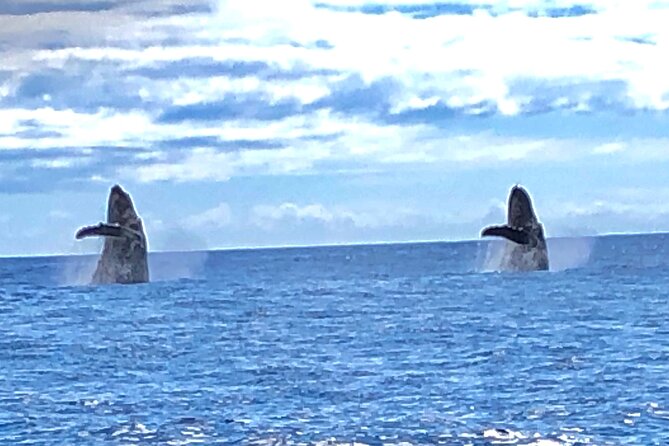
- Seasonally likely (Dec–Apr): humpback whales with blows, spouts, and possibly breaching at times, often not guaranteed close to the boat due to the distance rule.
- Possible extras: sea turtle sightings, other whale species depending on conditions, and coastal features like sea arches/caves while cruising.
Some departures include spectacular moments—one account said humpbacks were breaching around the boat, and another described one humpback approaching within about 40 feet. But those close encounters were described as rare. Your best strategy is to enjoy the entire experience, not only the highlight shot.
Should you book this Kona whale and dolphin watch?
Book it if:
- You’re visiting the Big Island during December through April and want a serious shot at humpbacks.
- You care about the learning part: narration plus the hydrophone.
- You prefer a small-group format over crowded big boats.
Skip or rethink it if:
- You expect whales guaranteed right next to the boat for photos.
- You need a tour that’s more gentle for comfort or medical reasons (neck/back issues, serious medical issues, or pregnancy).
- You’re counting on an onboard restroom, because there isn’t one.
If you’re flexible and you want a true “out on the ocean with a crew that’s watching hard” experience, this one fits well.
FAQ
When is the humpback whale season for this tour?
The tour runs seasonally from December to April, when humpback whales come to mate and give birth.
How long is the tour?
The total tour time is about 3.5 hours, and that includes check-in time.
Is snorkeling included?
No. This is a non-snorkeling tour.
What animals can you see besides humpback whales?
The tour can include year-round dolphins such as Hawaiian spinner dolphins, Pacific bottlenose dolphins, and spotted dolphins. During season, you may also see other whale species.
Is there a restroom on the boat?
Restroom facilities are not available on board.
What should I bring?
Bring reef-safe sunscreen, a jacket, and a camera. The tour also notes you should plan for no restroom on board.
Where do I meet for check-in?
The start meeting point is listed at 78-6831 Ali‘i Dr, Kailua-Kona, HI 96740. The end point is listed at 78-7138 Kaleiopapa St, Kailua-Kona.
Do they provide narration?
Yes. There is live onboard commentary from the naturalist guide during the cruise.
What is the main difference in what you’re allowed to expect from whales up close?
The operator maintains a safe distance of 100 yards from whales, since whales are federally protected.
Is transportation included?
No. Private transportation is not included, so you’ll need to get yourself to the check-in area and the bay according to the day’s process.
Spinner Dolphins on the Kona Reefs
- Kona Snorkel Tour: Captain Cook Reef Snorkel, Dolphin & Sea Caves
★ 4.5 · 1,411 reviews - Deluxe Snorkel & Dolphin Watch Aboard a Luxury Catamaran from Kailua-Kona
★ 5.0 · 797 reviews - Dolphin, Sea Cave & Captain Cook Snorkel Combo in Kealakekua Bay
★ 4.5 · 220 reviews - Kona Shore Excursion: Wild Dolphin Reefs Snorkel and Sea Caves
★ 4.5 · 73 reviews - Dolphin, Sea Cave, Captain Cook, Kealakekua Bay Reef Snorkeling
★ 4.5 · 47 reviews - 4 Hour Big Island Dolphin Watch Boat Tour, Snorkeling & BBQ Lunch
★ 5.0 · 44 reviews
More Tour Reviews in Big Island of Hawaii
- Big Island in a Day: Volcanoes Waterfalls Sightseeing and History
★ 5.0 · 6,569 reviews - Big Island Manta Ray Night Snorkel
★ 5.0 · 5,656 reviews - Big Island: Kona Manta Ray Snorkel Tour in Keauhou Harbor
★ 4.5 · 2,465 reviews - Hilo Shore Excursion: Volcanoes National Park & Black Sand Beach
★ 4.5 · 2,338 reviews - Big Island: Captain Cook Snorkel On A Power Catamaran With Lunch
★ 5.0 · 2,232 reviews - KONA Manta Ray Night Snorkel – FREE re-ride if no Sightings
★ 5.0 · 2,212 reviews
Humpbacks Off the Kona Coast
- Whale Watching On The Big Island
★ 5.0 · 573 reviews - Big Island: Pelagic Whale Watch Tour
★ 5.0 · 557 reviews - Zodiac Raft Whale Watching Adventure
★ 5.0 · 456 reviews - Whale Watch Excursion from the Big Island
★ 4.5 · 263 reviews - Wake Up With the Whales Cruise on Seasmoke
★ 5.0 · 159 reviews - Whale Watching Tour – Big Island, Hawaii
★ 5.0 · 148 reviews
Just Added: The Newest Big Island Reviews



Kona Humpback Whale Cruises, compared.
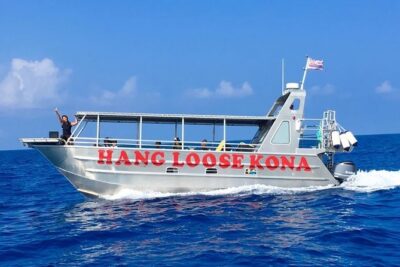 ★ 5.0Whale Watching On The Big IslandFrom $98573 reviews
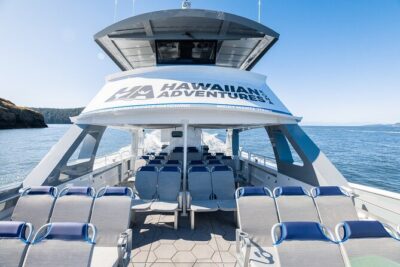 ★ 5.0Pelagic Whale Watch TourFrom $129557 reviews
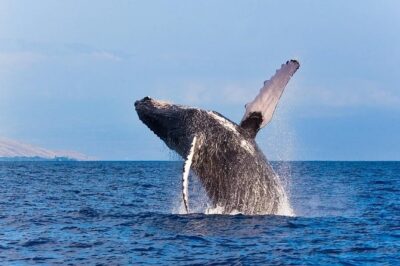 ★ 5.0Zodiac Raft Whale Watching AdventureFrom $113456 reviews
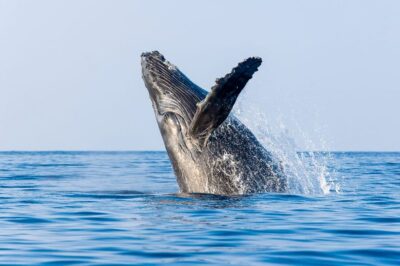 ★ 4.7Kailua-Kona: Whale Watching Cruise on the Big IslandFrom $115273 reviews
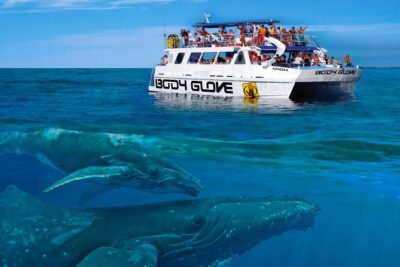 ★ 4.5Whale Watch Excursion from the Big IslandFrom $151263 reviews
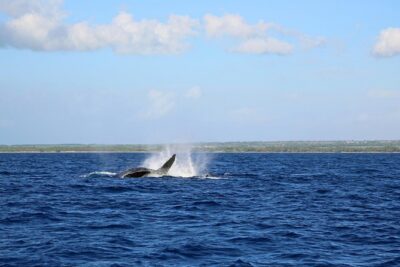 ★ 5.0Wake Up With the Whales Cruise on SeasmokeFrom $125159 reviews
 ★ 5.0Whale Watching Tour – Big Island, HawaiiFrom $99148 reviews
 ★ 4.5Waikoloa Deluxe Whale WatchFrom $129124 reviews
Browse the lists this tour appears in