
Reviewed · KOHALA & HAMAKUA WATERFALLS
Hilo Waterfall Hike and Swim with Native Hawaiian
This Hilo experience uses Native Hawaiian oratory and ʻŌlelo Hawaiʻi learning to explain why the island’s place names, plants, and water systems matter. I like that it is not just scenic—it is genealogy, fun, and world-saving knowledge tied directly to the waterfalls you hike to and swim in.
What I especially like is the small feel: a maximum of 5 travelers, so the guide can slow down and connect the dots. One consideration: the hike needs moderate physical fitness, and since there’s swimming, you should plan to get wet and move carefully.
In This Review
- Quick hits worth knowing
- Hilo Waterfalls, But With ʻŌlelo Hawaiʻi Stories
- The 10:00 AM Start and Tiny Group Vibe in Hilo
- Meet Christian and Get the Genealogy-to-Water Connection
- Wailoa and Akaka: Learning Place Names While You Move
- Waiānuenue Falls: Turning a Waterfall Name Into a Lesson
- Waiale and Wailima: Swim Time and How to Handle Getting Wet
- What You’ll Learn: Endemic Plants, Environmental Processes, and Values
- Price and Value at $200 Per Person for 4 to 5 Hours
- What to Bring for a Hilo Waterfall Hike and Swim
- Who This Tour Fits Best (and Who Might Want Something Different)
- Should You Book This Hilo Waterfall Hike and Native Hawaiian Swim Experience?
- FAQ
- Where does the tour start?
- What time does it start?
- How long does the experience last?
- How much does it cost?
- Is there a mobile ticket?
- How many people are in the group?
- What fitness level do I need?
- Will I be swimming?
- Is it near public transportation?
- Can I cancel for a full refund?
- What are the main waterfall stops?
Quick hits worth knowing
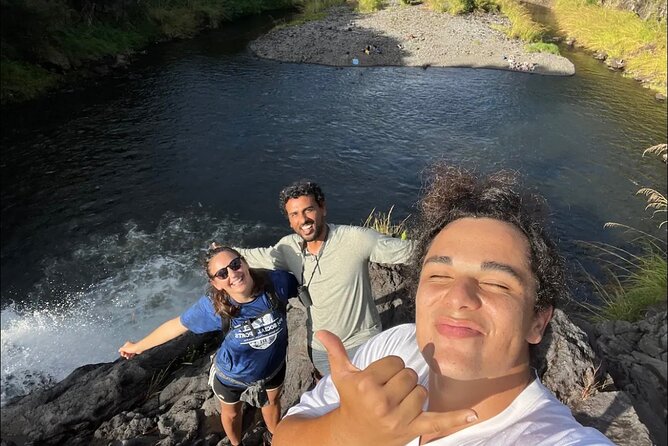
- Small group pace (max 5 travelers) means more time for questions and story-time
- ʻŌlelo Hawaiʻi lessons tied to place names makes waterfall names feel personal
- Genealogy and oratory give context for why water, plants, and values connect
- A chain of Hilo waterfall stops including Wailoa, Akaka, Waiānuenue, Waiale, and Wailima
- Swim time in the waterfalls turns learning into a hands-on experience
- Christian Kealohapauʻoleokeali’iahokulaninuiākea Phillips brings strong local depth across island history, politics, botanicals, foods, and waterfalls
More falls and swimming holes on the wet side
- Big Island in a Day: Volcanoes Waterfalls Sightseeing and History★ 5.0 · 6,569 reviews
- Big Island Zipline Tour Near Akaka Falls (250-ft Waterfall!)★ 5.0 · 1,077 reviews
- Big Island Highlights: Coffee, Volcano, Black Sands & Waterfall★ 5.0 · 1,054 reviews
- Big Island: 8-Zipline & Suspension Bridge Waterfall Adventure★ 5.0 · 914 reviews
Hilo Waterfalls, But With ʻŌlelo Hawaiʻi Stories
If you’ve visited Hawaiʻi before, you’ve probably seen a waterfall from a lookout and moved on. This is different. Here, you’re not just looking at the falls—you’re learning the meaning around them, through Native Hawaiian storytelling and language.
The heart of the experience is how the guide connects people to the land. You’ll hear about genealogy, and you’ll practice language learning as you go—especially with the way place names and plant names carry information. I like that it treats nature like a relative, not a background.
And yes, it is still fun. You’ll hike in Hilo, you’ll explore the water, and you’ll end up in the experience physically—through swimming—while the stories keep rolling.
The 10:00 AM Start and Tiny Group Vibe in Hilo
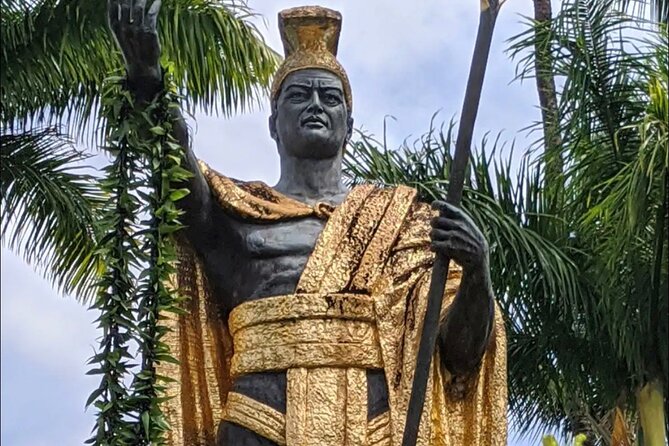
Your day starts at 10:00 am at Kamehameha The Great, 774 Kamehameha Ave, Hilo, HI 96720. The tour ends back at the same meeting point, which makes planning your afternoon easier.
One practical win: the group size is capped at 5 travelers. That usually means less waiting and a better chance to ask questions when you’re actually thinking about them. If you hate feeling rushed, this matters.
It’s also designed to be easy to access. The tour is listed as near public transportation, so you’re not forced into a complex routing plan just to get to the start.
Meet Christian and Get the Genealogy-to-Water Connection
Your guide is Christian Kealohapauʻoleokeali’iahokulaninuiākea Phillips. The big theme you’ll notice early is that he doesn’t separate the waterfall from the island’s life system. He brings local knowledge that stretches beyond plants and views into island history and even politics, with local botanicals and foods showing up as part of the same conversation.
That matters because waterfalls aren’t just pretty water drops. In this experience, you’ll learn how environmental processes create the conditions for life on the island. You’ll also hear how Hawaiian values and connections to nature run through everything—from mountains and agriculture to daily life.
I think that is why this tour gets such high praise. The stories land with substance, not just a few facts tossed in between photos. You’re walking through a living lesson, and the guide helps you read what you’re seeing.
Wailoa and Akaka: Learning Place Names While You Move
You spend time exploring the waters and waterfalls of the Hilo district, including Wailoa and Akaka Falls. Expect a mix of walking, looking, and learning while you’re on the move. This is not set up as a drive-by.
At Wailoa, the emphasis is on place meaning—how names point you toward environmental relationships. At Akaka, you get that classic waterfall experience, but you’re also learning how the name and context fit into the larger island story.
What’s smart about this structure is that it keeps you from treating stops as separate attractions. Instead of thinking I saw a waterfall, you start thinking: what does this water connect to, and why?
Possible drawback to keep in mind: if you’re expecting a long, laid-back nature stroll with zero effort, the moderate fitness note is real. You’ll be doing enough moving that comfortable shoes matter.
More trails across lava and cloud forest


Waiānuenue Falls: Turning a Waterfall Name Into a Lesson
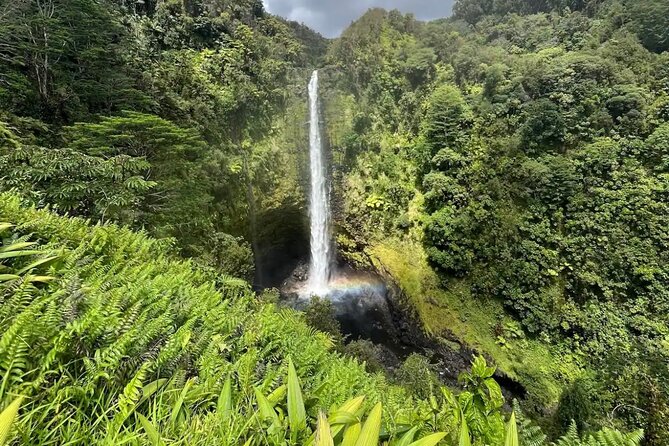
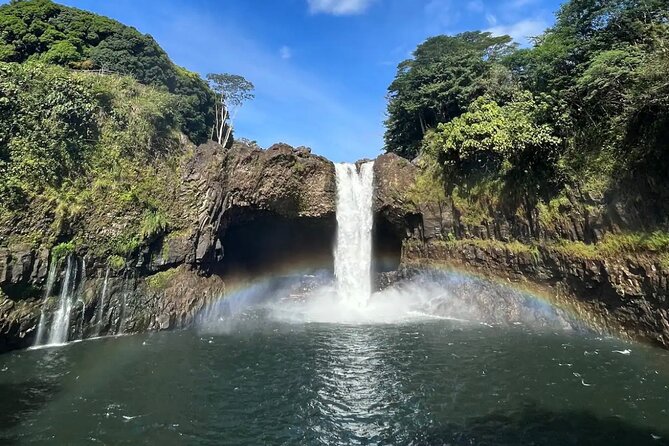
Next you explore Waiānuenue Falls. This is where language learning can feel especially practical. The idea is that ʻŌlelo Hawaiʻi isn’t just vocabulary—it’s a way to understand place.
You’ll connect the waterfall to:
- place names and their meanings
- environmental processes that support life
- endemic plant names (species that belong to Hawaiʻi)
This is one of the most valuable parts of the day because it teaches you how to interpret what you’re seeing. After a lesson like this, you’ll start noticing how often natural features have stories built into the naming.
I also like that it supports the idea that Hawaiʻi remembers connections to nature. That kind of framing changes your pace. You don’t just rush to the photo spot—you look longer, and you listen longer.
Waiale and Wailima: Swim Time and How to Handle Getting Wet
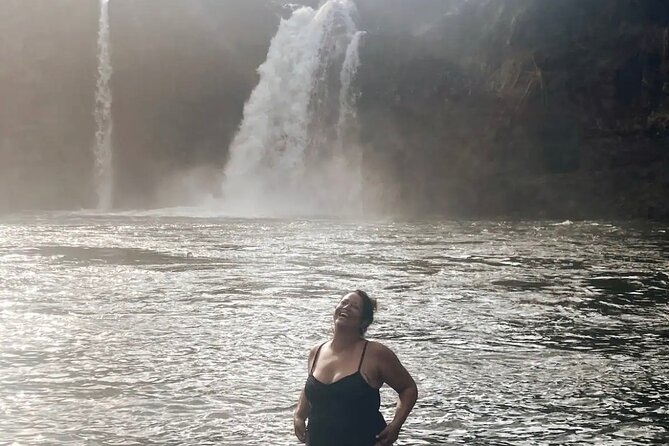
Toward the later stops, you’ll explore Waiale Falls and Wailima Falls, and this is where the tour gets hands-on. Since the experience includes swimming, you should plan for wet conditions and water-to-land transitions.
This part is important because it moves the learning from head to body. You experience the temperature, the mist, the feel of the place. And the guide uses that moment to keep the lesson grounded—tying environment and language back to real, immediate sensation.
Quick reality check: if you’re the kind of person who hates getting cold or doesn’t like gear changes, you may find the swim component challenging. But if you’re game, it’s also where the day can feel the most memorable.
What You’ll Learn: Endemic Plants, Environmental Processes, and Values
The tour’s theme is not vague. You’ll learn about:
- endemic plant names (plants unique to Hawaiʻi)
- environmental processes that generate life and waterfall systems
- the meaning carried by place names
- genealogy and connections to land through oratory
- how these connections shape daily values
From the guide’s approach, I’d describe the learning style as place-based and verbal. Instead of turning the waterfalls into a science lecture only, it treats knowledge as something carried through language and storytelling. That changes how information sticks.
And it’s not only “nature facts.” You’ll hear how in Hawaiʻi, relationships to nature are woven into everything: waterfalls, mountains, agriculture, and even how people think and live. That’s a worldview lesson as much as it is a nature lesson.
If you love learning on the go, you’ll probably find this tour satisfying. If you prefer only visual sightseeing, you might need to shift your expectations toward listening and participation.
Price and Value at $200 Per Person for 4 to 5 Hours
At $200 per person, this isn’t a bargain-basement activity. But you’re paying for three things that are hard to replicate cheaply: the small group size, the guided learning (including ʻŌlelo Hawaiʻi use), and the combination of hiking, waterfall exploration, and swimming.
A lot of waterfall tours give you photos and a few facts. This one is structured around oral knowledge, language learning, and island context—plus time in the water. For me, the value comes from how much deeper the experience becomes once it’s not just scenery.
Also, the tour is listed as 4 to 5 hours, which is a good length for a focused nature lesson without swallowing your whole day. And you start at 10:00 am, so you’re not rushing through the morning like a commuter.
What to Bring for a Hilo Waterfall Hike and Swim
Since you’re swimming, think like you’ll get wet—because you will. Wear swim-suitable gear and plan for a change of clothes afterward if you can.
Comfort matters more than flash:
- Comfortable shoes for uneven, wet walking
- a light layer for after swimming (mist and cool water can linger)
- a way to keep essentials secure when you’re near water
You might also like to bring a small towel or something similar, but what you bring depends on what you usually prefer when you swim on trips.
If you’re trying to photograph, remember that waterfall spray can be unpredictable. Keep your phone or camera protected and wipe-able.
Who This Tour Fits Best (and Who Might Want Something Different)
This experience is a great fit if you:
- want more than scenic photos and want meaning
- like language learning tied to real place names
- enjoy small-group guiding and ask-or-listen style tours
- are comfortable with moderate hiking and swimming
It might be less ideal if you:
- want a fully hands-off walk where you don’t get involved
- dislike swimming or want only viewpoints with minimal effort
- need a very structured route that stays purely on dry surfaces
Should You Book This Hilo Waterfall Hike and Native Hawaiian Swim Experience?
I’d book it if you’re curious about how Hawaiʻi connects people to nature through language and story, and you want that connection to happen right in the waterfall places—not back at a museum. The combination of Christian Kealohapauʻoleokeali’iahokulaninuiākea Phillips’s local depth and the active format (walking plus swimming) makes this feel like more than a standard outing.
I’d hesitate if you’re looking for a purely relaxed sightseeing day with no participation. The moderate fitness note and the swim component mean you’ll be moving and getting wet.
If you’re okay with that trade, this tour is the kind that can change how you read the island after you leave.
FAQ
Where does the tour start?
The tour starts at Kamehameha The Great, 774 Kamehameha Ave, Hilo, HI 96720.
What time does it start?
It starts at 10:00 am.
How long does the experience last?
It lasts about 4 to 5 hours.
How much does it cost?
The price is $200.00 per person.
Is there a mobile ticket?
Yes, the tour uses a mobile ticket.
How many people are in the group?
The experience has a maximum of 5 travelers.
What fitness level do I need?
You should have a moderate physical fitness level.
Will I be swimming?
Yes. The experience includes swimming in the waterfalls of Hilo.
Is it near public transportation?
Yes, it is listed as near public transportation.
Can I cancel for a full refund?
Yes. Free cancellation is available up to 24 hours in advance for a full refund.
What are the main waterfall stops?
You explore waterfalls including Wailoa, Akaka Falls, Waiānuenue Falls, Waiale Falls, and Wailima Falls.
More Big Island Trails
- Hidden Craters Hike of Kona
★ 5.0 · 156 reviews - Kīlauea Hike and Lava Gazing with Native Hawaiian
★ 5.0 · 22 reviews - Volcanoes National Park: Guided, Small-Group Hike
★ 5.0 · 15 reviews - Hawaii Volcanoes & Forests – Private Guided Walks & Hikes
★ 5.0 · 13 reviews - Elite Volcano Hike From Kona/Kohala Resorts
★ 5.0 · 12 reviews - Guided 3-Hour Hike in Volcanoes National Park
★ 5.0 · 9 reviews
More Tour Reviews in Big Island of Hawaii
- Big Island in a Day: Volcanoes Waterfalls Sightseeing and History
★ 5.0 · 6,569 reviews - Big Island Manta Ray Night Snorkel
★ 5.0 · 5,656 reviews - Big Island: Kona Manta Ray Snorkel Tour in Keauhou Harbor
★ 4.5 · 2,465 reviews - Hilo Shore Excursion: Volcanoes National Park & Black Sand Beach
★ 4.5 · 2,338 reviews - Big Island: Captain Cook Snorkel On A Power Catamaran With Lunch
★ 5.0 · 2,232 reviews - KONA Manta Ray Night Snorkel – FREE re-ride if no Sightings
★ 5.0 · 2,212 reviews
Falls on the Wet Side
- Big Island in a Day: Volcanoes Waterfalls Sightseeing and History
★ 5.0 · 6,569 reviews - Big Island Zipline Tour Near Akaka Falls (250-ft Waterfall!)
★ 5.0 · 1,077 reviews - Big Island: 9-Line Waterfall Zipline Experience
★ 5.0 · 1,057 reviews - Big Island Highlights: Coffee, Volcano, Black Sands & Waterfall
★ 5.0 · 1,054 reviews - Big Island: 8-Zipline & Suspension Bridge Waterfall Adventure
★ 5.0 · 914 reviews - Big Island Waterfalls Tour with Swimming and Botanical Garden
★ 5.0 · 513 reviews
Just Added: The Newest Big Island Reviews


Kohala & Hamakua Waterfalls, compared.
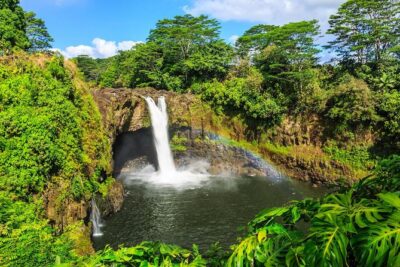 ★ 5.0Big Island in a Day: Volcanoes Waterfalls Sightseeing and HistoryFrom $2646,569 reviews
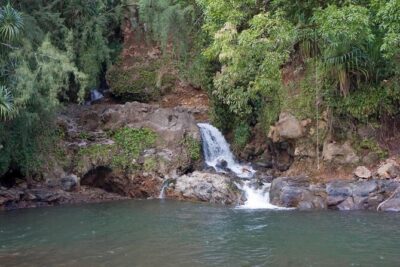 ★ 5.0Big Island Zipline Tour Near Akaka Falls (250-ft Waterfall!)From $2461,077 reviews
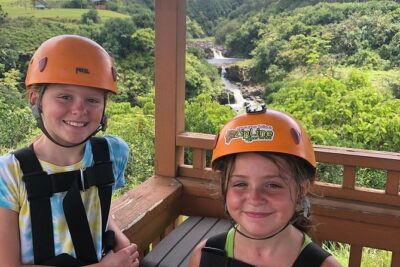 ★ 5.09-Line Waterfall Zipline ExperienceFrom $2531,057 reviews
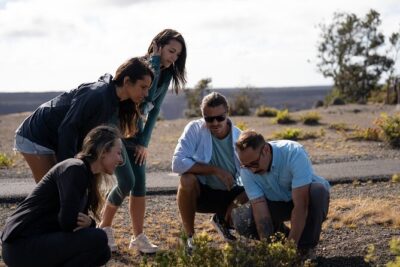 ★ 5.0Big Island Highlights: Coffee, Volcano, Black Sands & WaterfallFrom $2991,054 reviews
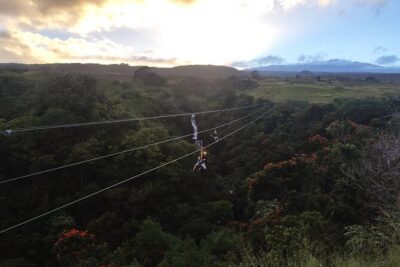 ★ 5.08-Zipline & Suspension Bridge Waterfall AdventureFrom $237914 reviews
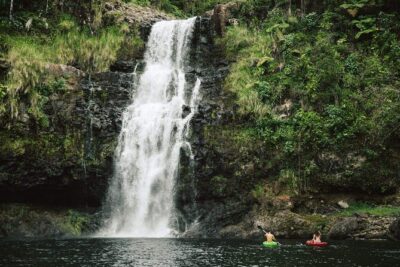 ★ 5.0Big Island Waterfalls Tour with Swimming and Botanical GardenFrom $297513 reviews
 ★ 4.9Volcanoes, Waterfalls, & Coffee Farm Day-TripFrom $264414 reviews
 ★ 5.0Hilo Shore Excursion: Active Volcano, Lava Tube, Waterfall and GardensFrom $187393 reviews
Browse the lists this tour appears in