
Reviewed · HAWAII VOLCANOES NATIONAL PARK TOURS
Big Island: Off the Beaten Path Volcano Crater Hike
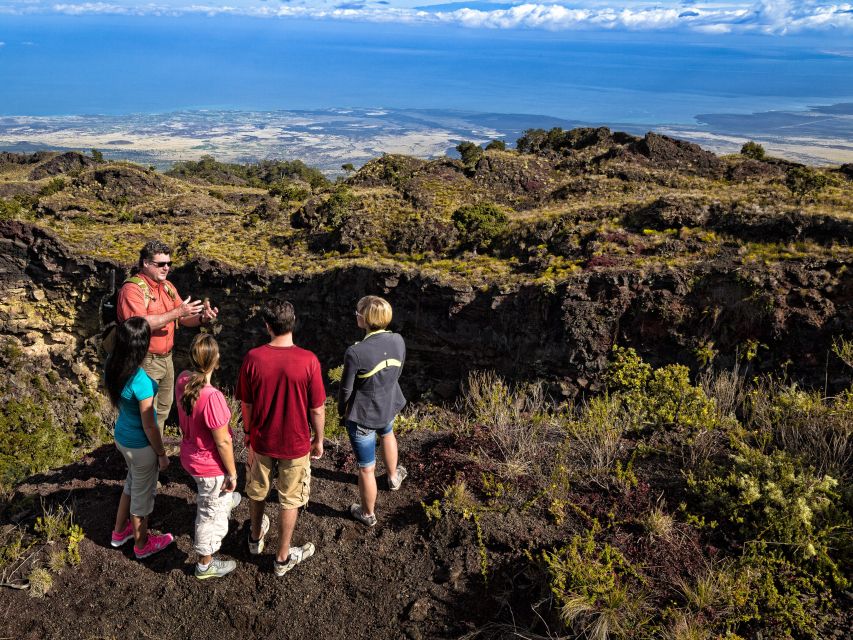
Volcanic craters feel real here. This off-the-beaten-path hike takes you onto Hualālai Volcano’s upper slopes with private access to areas kept off-limits to the public, plus time in a native forest that’s tough to find anywhere else near Kona. You’re walking in a setting that feels more like geology class than a souvenir stop, with big views from 5,000 feet up over the Kona coast.
I love the mix of scenery: cloud forest, volcanic craters, and fissures all in one outing, not just one highlight and done. I also like how the small-group format (up to 10 people) keeps the focus on learning and safety, with a guide who has time to explain what you’re seeing, including Hawaiian context. The one drawback to weigh: this is a rocky, uneven 3–4 mile hike (and kids under 8 or anyone with mobility limits won’t fit), and there’s no lunch, so you’ll want snacks planned before you get hungry.
In This Review
- Key things that make this hike worth it
- Why this hike feels different from the usual Big Island stops
- Private access to restricted Hualālai terrain
- The 3–4 mile trek: how hard is it, really?
- Getting there from Kona: the van ride that buys you the quiet
- Stop-by-stop: cloud forest, craters, and fissures in one route
- Native cloud forest section
- Volcanic crater and fissure zone
- The lava-tube optional segment
- The crater-edge moment: how to enjoy it safely
- Guides who make the geology click (Toro and Rob as examples)
- Optional lava tube: for people who like their adventure a little spookier
- Price and value: is $198 a fair deal for 5 hours?
- What’s included (and what you’ll still need)
- Timing: how the schedule feels on a half-day
- Who should book this tour, and who should skip it
- Quick practical tips to make the day easier
- Should you book this crater hike off the beaten path?
- FAQ
- How long is the tour?
- How far do you hike?
- What is included in the price?
- Is lunch included?
- Is the lava tube climb included?
- What should I bring and wear?
- What group size and language should I expect?
- Is there free cancellation?
Key things that make this hike worth it
- Private access on Hualālai’s upper slopes, including parts similar to what you’d see in Hawaii Volcanoes National Park, without the usual crush.
- 3–4 miles of real walking through native cloud forest, volcanic craters, and fissures.
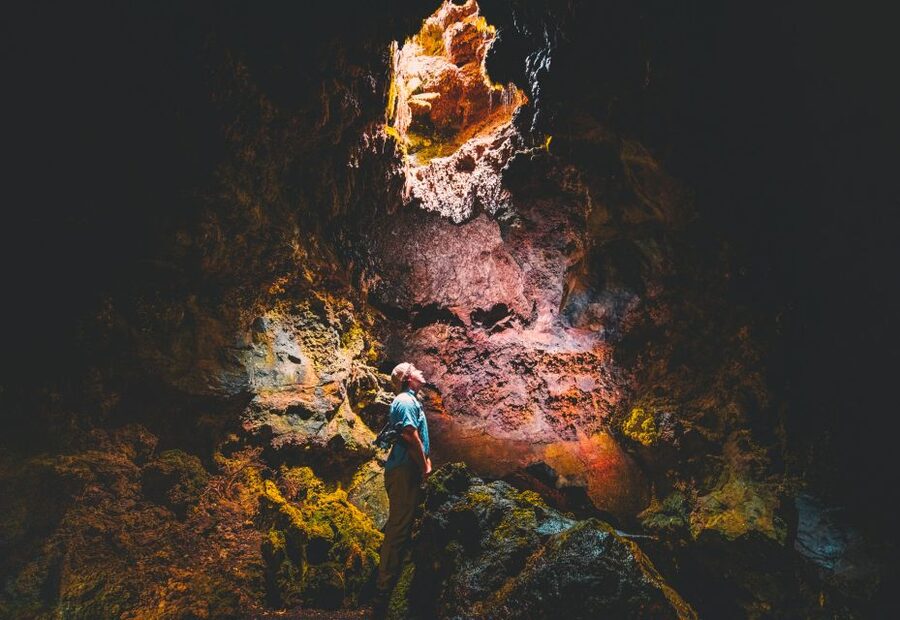
- Edge-of-the-world crater moments, where you stand looking down into deep volcanic features.
- Optional lava tube segment, for people who want a little hands-on adventure.
- Small group size (10 max) and an English-speaking nature guide with gear support.
- Weather-ready kit provided, including rain gear, walking sticks, and plenty of water.
More ways into Hawaii Volcanoes National Park
- Big Island, Hawaii: Volcano and Stargazing Tour with Dinner★ 4.8 · 179 reviews
- Big Island: Volcano, Chocolate & Waterfall Adventure★ 4.7 · 78 reviews
- Kilauea: Volcanoes National Park Guided Hike★ 4.8 · 61 reviews
- Big Island: Coffee, Black Sand, Volcano and Waterfall Tour★ 4.9 · 57 reviews
Why this hike feels different from the usual Big Island stops
Most Big Island itineraries give you one type of scenery: beach, lava field, or a quick lookout. Here, you get a full change of “what am I looking at?” as you go. You start in native forest conditions, then the ground and air begin to tell a different story as you move toward volcanic craters and fissures.
That variety matters because it keeps you switched on. One stretch might have you watching the terrain carefully like a careful hiker, and the next has you pausing for crater views that make your brain hit pause. If you’ve already seen a few lava viewpoints from the road, this is a calmer, more personal way to understand the volcanic power that shaped the island.
Private access to restricted Hualālai terrain
The headliner is simple: you’re not limited to public paths. This tour includes exclusive, restricted-area access on Hualālai’s upper slopes, plus time in a native forest setting that most people never reach.
Why that’s a big deal: restricted access often means you get to walk through more intact, less-chewed-up ground. It also helps you experience the volcanic features as part of a connected route instead of scattered roadside stops. You’re still in Hawaii Volcanoes country in spirit, but you’re not doing the long drive and crowd math that often comes with it.
And yes, you should expect a “close to the real thing” feeling. This isn’t about a paved boardwalk with guardrails. It’s about terrain that’s meant for careful footsteps.
The 3–4 mile trek: how hard is it, really?
This hike runs about 3–4 miles total, paced for groups that can handle uneven and rocky ground. You’re on volcanic terrain, so you’ll be stepping around rough spots and uneven footing. The tour is not marketed as a gentle stroll, and it’s not designed for mobility aids.
The good news: you’re not sent out with nothing. You’ll get walking sticks and a day pack, plus rain gear. You’ll also have a guide watching the group, so you’re not navigating solo through a complicated trail.
A practical consideration: the route length and terrain mean you’ll feel it by the end. I’d plan this as an active morning/early afternoon event, not something to stack right before a late-night dinner reservation.
Getting there from Kona: the van ride that buys you the quiet
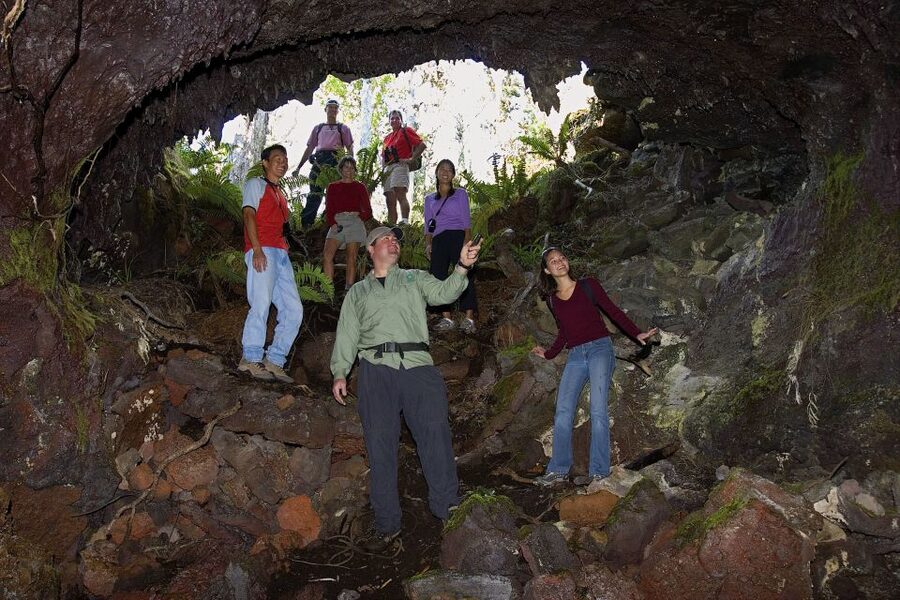
You start at the Hawaii Forest & Trail Kona headquarters, with a 35-minute van ride that brings you up toward Hualālai’s upper slopes. The return ride is also about 35 minutes. That transit time matters because it saves you from driving yourself up and then trying to find parking or trailheads on volcanic roads.
What I like about this setup: it lowers friction. You show up, get geared up, and the guide handles the route and the timing. You’re spending your energy on the hike, not on logistics.
Parking detail (useful if you drive): the headquarters is directly across from Home Depot, below the Hawaii Community Federal Credit Union. Park in the unmarked stalls in the lot.


Stop-by-stop: cloud forest, craters, and fissures in one route
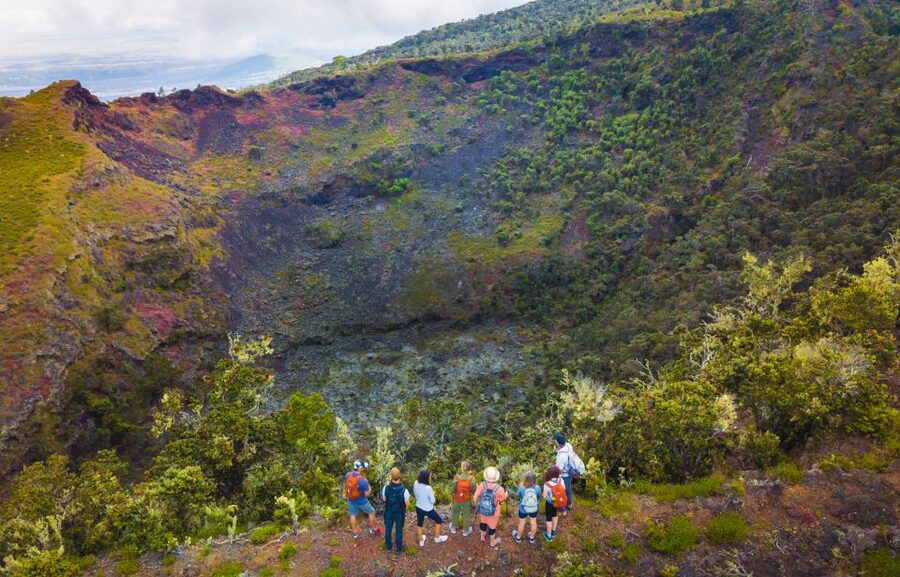
You can think of the hike as moving through “volcano zones,” even though you’re still just one continuous outing.
Native cloud forest section
You’ll spend time walking through ancient native Hawaiian cloud forest. Cloud forest has its own pace: slower steps, more careful looking, and a feeling that the air itself is changing. This is also where the tour’s educational side has room to breathe, since the terrain gives you plenty to observe without always being laser-focused on big drop-offs.
Volcanic crater and fissure zone
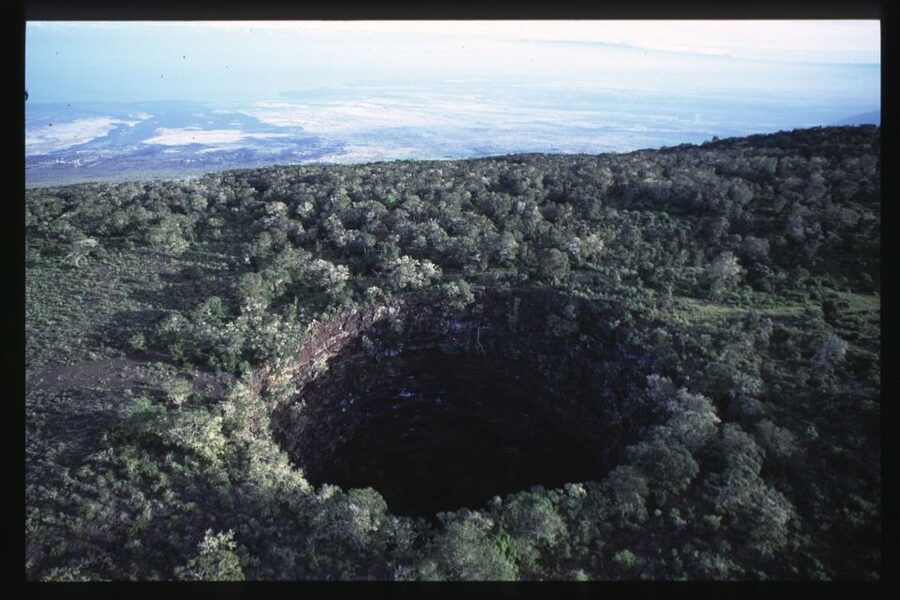
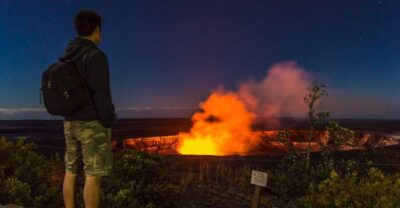
As you move toward volcanic features, you’ll navigate craters and fissures formed by Kona’s more recent eruption. This is where you get the most dramatic moments: you’ll stand near the edge of volcanic craters that plunge deep below.
A key point for your expectations: these places are not meant to be rushed. Standing still and absorbing scale is part of the experience. If you try to power through for photos only, you’ll miss the meaning of what you’re looking at.
The lava-tube optional segment
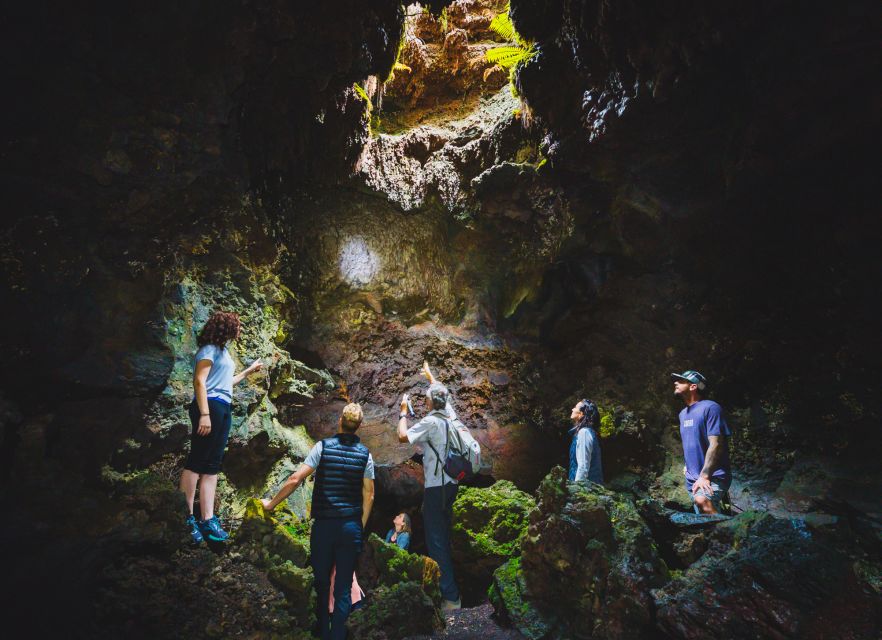
There’s an optional climb through a segment of a lava tube. This is for people who are comfortable with more physical, enclosed conditions. If you’re the type who likes “I’m actually in the process of creation” moments, this is often the part that people remember longest.
If you prefer open-air views only, skip it and stick with the main route. The tour structure gives you the choice rather than forcing everyone into the tube.
The crater-edge moment: how to enjoy it safely
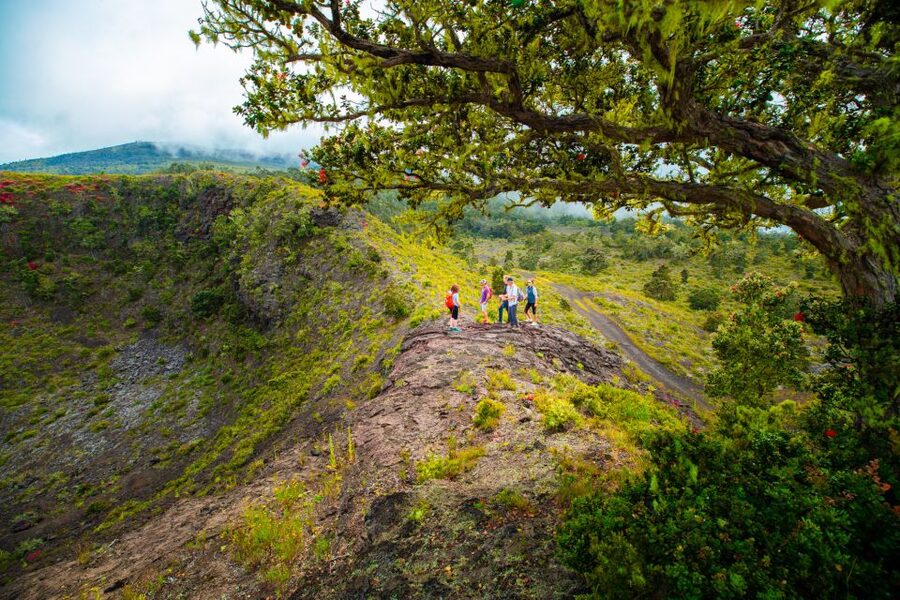
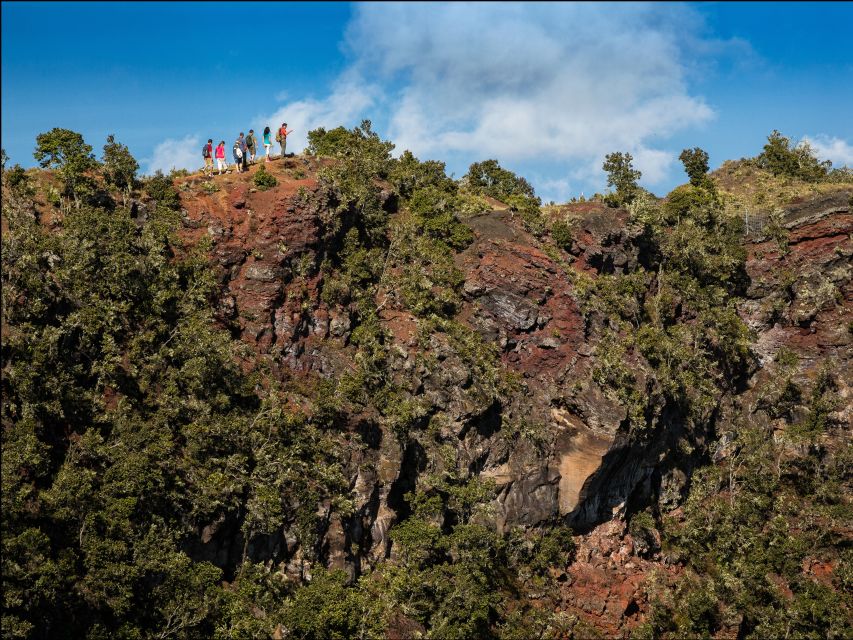
The signature experience is standing on the edge of volcanic craters and fissures with views dropping thousands of feet. That’s awe-inspiring, but it’s also exactly where slow steps matter most.
Here’s what I recommend so you can actually enjoy the view:
- Keep your eyes where your feet land first.
- When it’s time to pause, take one breath and then look up and out. This helps you avoid the panicky feeling that comes from trying to do everything at once.
- Use the walking sticks on rough ground. They aren’t there as decoration.
This tour doesn’t just show you volcanoes. It gives you a chance to understand scale. From above the Kona coastline (over 5,000 feet), you can connect the geology to the wider island picture, not just the immediate rocks underfoot.
Guides who make the geology click (Toro and Rob as examples)
The guide is a huge part of why this hike earns top marks. I like the way the tour approach uses the terrain as a classroom: the guide explains what you’re seeing and how it connects to Hawaiian understanding of land and tradition.
In the past, guides like Toro have been singled out for strong storytelling and clear explanations, especially around the volcano, the surrounding area, and Hawaiian traditions. Another guide, Rob, has been praised for showing up prepared with the right gear, drinks, and rain coats so the hike works in changing conditions.
Even if your guide isn’t Toro or Rob, the pattern is clear: you’re not just walking. You’re learning as you go, with equipment and pacing that make the experience feel manageable.
Optional lava tube: for people who like their adventure a little spookier
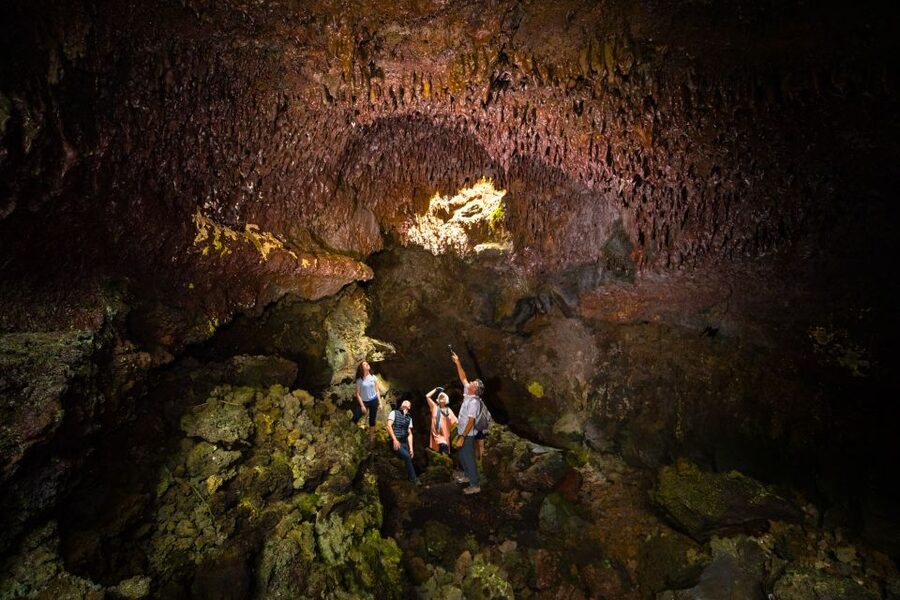
A lava tube segment is a fun add-on because it shifts you from the “look at volcanoes” viewpoint to the “step into the volcano story” feeling. You’re moving through a natural feature shaped by flowing lava, which is a different kind of understanding than standing on a crater rim.
The biggest practical variable is comfort. Lava tube sections can feel tighter and require careful footing. If you’re okay with that, the option is worth taking seriously.
One small tip: if you’re carrying a camera, decide in advance whether you’ll stop fully for shots. The hike is coordinated, so quick photo stops are fine, but you’ll enjoy it more if you’re not constantly trying to move the group with every snap.
Price and value: is $198 a fair deal for 5 hours?
At $198 per person for about 5 hours, this isn’t a bargain-basement activity. But it also isn’t priced like a generic nature walk. The value comes from three things that cost time and effort:
1) Restricted-area access onto Hualālai upper slopes
2) A small group capped at 10, which means less crowd pressure and more room for guidance
3) A guide plus hiking support gear, including walking sticks, rain gear, and multiple drink options
When you compare that to the cost of driving yourself, arranging guides, and piecing together separate hikes, the packaged experience starts to make sense. The “no lunch” point matters here too. You can still make it work easily by bringing snacks, but you shouldn’t count on a meal being provided.
For my money, the real question isn’t whether it’s cheap. It’s whether you want a serious, guided walk through volcano features that most people never reach. If yes, the price usually feels reasonable.
What’s included (and what you’ll still need)
Included:
- Nature guide
- Walking sticks
- Day packs and rain gear
- Sunscreen and bug repellent
- Filtered water, sparkling water, and juices
- Local taxes
Not included:
- Lunch
What to bring:
- Closed-toe shoes
- Reusable water bottle (even though water is provided, this is still handy)
Recommended (for comfort):
- A hat
- Sunscreen
- Light sweatshirt or jacket
- Snacks (since lunch isn’t part of the plan)
This is one of those tours where being prepared helps you enjoy the hike more. Rain gear is provided, but you still want your clothing to handle walking uphill, rocky steps, and sun exposure when the clouds part.
Also note the rules: no smoking, no alcohol or drugs, and avoid luggage or large bags.
Timing: how the schedule feels on a half-day
The tour runs about 5 hours, and you’ll spend roughly 35 minutes getting to and from the trail area by van. That means your actual hiking time is solid but not exhausting to the point of failure.
This timing is good if you want volcano scenery without committing a whole day like a Hawaii Volcanoes National Park marathon. It also makes it easier to plan a dinner afterward without rushing.
If you’re deciding between this and a road-trip day, this one is simpler. It’s guided, structured, and you’ll come back with the satisfaction of having actually walked through the features, not just looked at them.
Who should book this tour, and who should skip it
This hike fits best if you want:
- A guided volcano walk with exclusive access
- A moderate-distance hike you can handle on rocky, uneven terrain
- Time in native cloud forest plus crater and fissure viewpoints
- A small group dynamic that keeps things calm and teachable
It’s not suitable for:
- Children under 8
- People with mobility impairments
So if you’re bringing kids, you’ll want to make sure they can handle steady hiking and careful footing. The optional lava tube can also be a fun motivator for older kids who like getting off the usual track.
Quick practical tips to make the day easier
- Wear closed-toe hiking shoes with good grip. This isn’t a flip-flop day.
- Bring a hat and a light layer. Weather can shift, and you’ll be glad you’re not roasting.
- Pack snacks even though water and juices are provided. It helps you stay cheerful through the full hike.
- Use the walking sticks right away, not at the end. Your legs will thank you.
And if you’re the type who worries about photos: plan to take shots during the guide-led pauses. Trying to run ahead for angles usually makes the day less enjoyable for everyone.
Should you book this crater hike off the beaten path?
If you want volcano views with real walking, and you care about getting into places that most people never see, this is a smart pick. The standout value is the mix of private access, cloud forest, and crater-edge moments, all guided in a small group with gear support.
I’d skip it if you need a stroller-friendly outing, if uneven terrain is a problem, or if the idea of a no-lunch outing ruins your day planning. For active hikers who want a deeper volcano experience without the crowds and long drives, this is exactly the kind of Kona-adjacent adventure that turns a vacation into a story you actually remember.
FAQ
How long is the tour?
The tour runs about 5 hours, including van time from the Kona headquarters and time hiking with your guide.
How far do you hike?
You hike about 3–4 miles total.
What is included in the price?
You get a nature guide, walking sticks, day packs and rain gear, sunscreen and bug repellent, filtered water plus sparkling water and juices, and local taxes.
Is lunch included?
No. Lunch is not included, so bringing snacks is a good idea.
Is the lava tube climb included?
The lava tube segment is optional. You can choose whether to do it during the hike.
What should I bring and wear?
Wear closed-toe shoes and consider bringing a reusable water bottle. A hat, sunscreen, and a light sweatshirt or jacket are also recommended, and snacks are helpful.
What group size and language should I expect?
The group is small, limited to 10 participants, and the live guide provides the tour in English.
Is there free cancellation?
Yes. You can cancel up to 24 hours in advance for a full refund.
More Tour Reviews in Island Of Hawaii
- Kailua Kona: Night Manta Ray Adventure on the Big Island
★ 4.8 · 1,199 reviews - Big Island: Night Swim with Manta Ray with Hot Chocolate
★ 4.9 · 420 reviews - Kailua-Kona: Whale Watching Cruise on the Big Island
★ 4.7 · 273 reviews - From Keauhou Bay: Snorkel Cruise to Captain Cook’s Monument
★ 4.8 · 242 reviews - Big Island, Hawaii: Volcano and Stargazing Tour with Dinner
★ 4.8 · 179 reviews - From Kona: Big Island Underwater Submarine Adventure
★ 4.6 · 162 reviews
Kilauea, Craters and Cooled Lava
- Kilauea: Volcanoes National Park Guided Hike
★ 4.8 · 61 reviews
Deeper Into Volcanoes National Park
- Big Island, Hawaii: Volcano and Stargazing Tour with Dinner
★ 4.8 · 179 reviews - Big Island: Volcano, Chocolate & Waterfall Adventure
★ 4.7 · 78 reviews - Kilauea: Volcanoes National Park Guided Hike
★ 4.8 · 61 reviews - Big Island: Coffee, Black Sand, Volcano and Waterfall Tour
★ 4.9 · 57 reviews - Hawaii: Big Island Volcanoes Day Tour with Dinner and Pickup
★ 4.5 · 34 reviews - Big Island: Evening Volcano Explorer from Hilo
★ 4.7 · 31 reviews
Just Added: The Newest Big Island Reviews



Hawaii Volcanoes National Park Tours, compared.
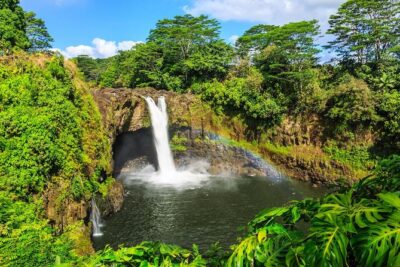 ★ 5.0Big Island in a Day: Volcanoes Waterfalls Sightseeing and HistoryFrom $2646,569 reviews
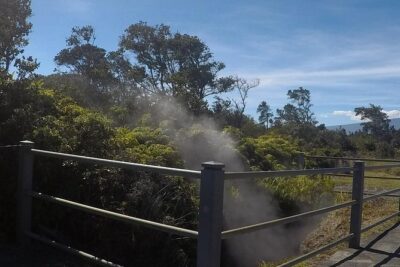 ★ 4.5Hilo Shore Excursion: Volcanoes National Park & Black Sand BeachFrom $1592,338 reviews
 ★ 5.0Small Group Big Island Twilight Volcano and Stargazing TourFrom $2971,619 reviews
 ★ 5.0Big Island Highlights: Coffee, Volcano, Black Sands & WaterfallFrom $2991,054 reviews
 ★ 5.0Deluxe Volcano Experience with Restaurant DinnerFrom $341620 reviews
 ★ 5.0Fat Tire E-Bike Tour through Volcanoes National ParkFrom $199546 reviews
 ★ 4.5Big Island, Hawaii: Volcanoes National Park SafariFrom $379545 reviews
 ★ 4.9Volcanoes, Waterfalls, & Coffee Farm Day-TripFrom $264414 reviews
Browse the lists this tour appears in