
Reviewed · BIG ISLAND FARM & CHOCOLATE TASTINGS
Big Island Hawaii: Craft Chocolate Tasting and Farm Tour
Chocolate lovers have a good reason to come here. Honolii Orchards pairs farm time with a serious tasting room, plus big ocean-and-valley views while you learn how cacao becomes craft chocolate. I love the way the experience stays hands-on and practical, not just snacky. You’ll also get to try multiple cacao products beyond chocolate, which makes the whole session feel like a mini food education.
Two things I really like are the orchard + fermentation pairing and the chance to taste single-origin craft bars side by side. If you’re the type who wants to understand why chocolate tastes different, this is built for you. One thing to consider: you’ll be on your feet for a chunk of the tour, and the experience isn’t geared for kids under 9.
In This Review
- Key things I’d mark on your map before you go
- Chocolate on the Hilo backroads: finding Honolii Orchards
- Timing and pace: how a 210-minute tasting day is paced
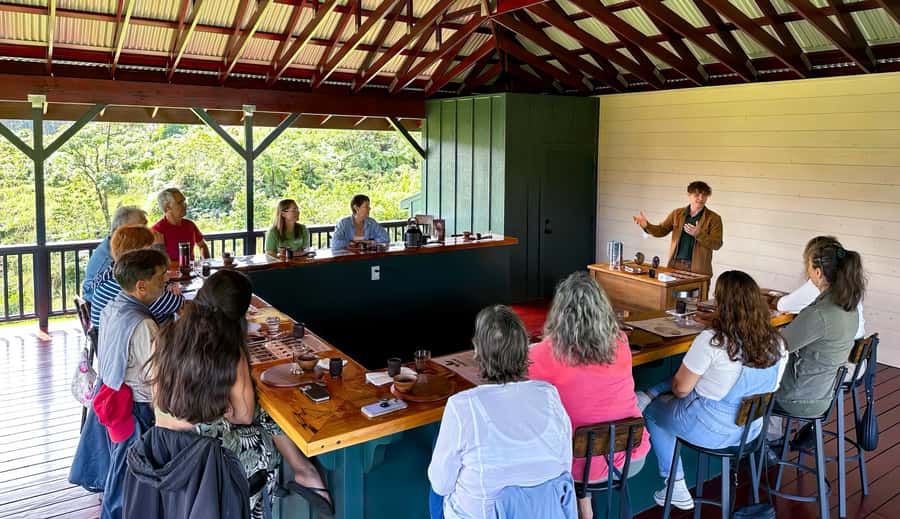
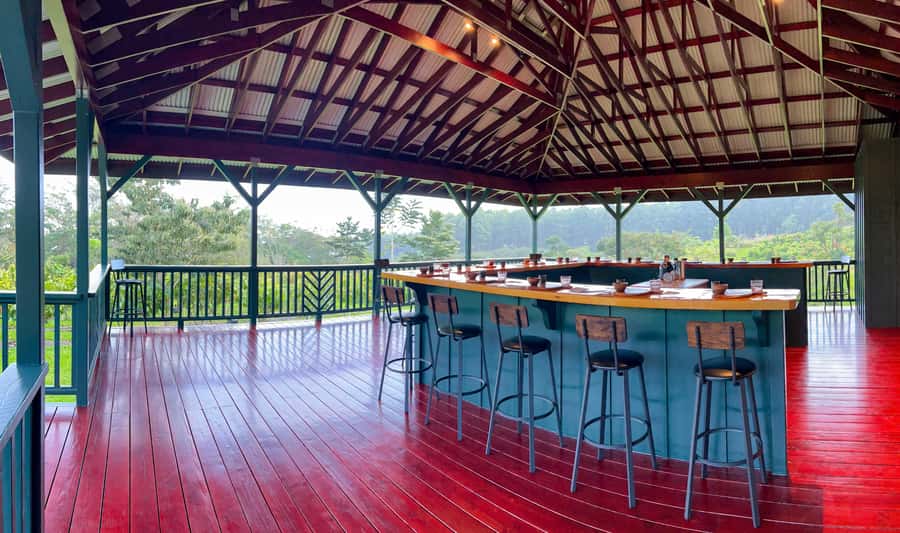
- The tasting room view sets the tone before you taste
- Orchard tour: tracing cacao from tree to harvest
- What to watch for
- Fermentation room: the science behind craft flavor
- Chocolate history: from ancient Mesoamerica to today’s craft movement
- The tasting: 10 single-origin bars plus extra cacao treats
- Bonus tastings beyond chocolate
- Buying and lingering
- Price and value: what you’re really paying for at $130
- Who this is best for (and who should rethink)
- What to do before you book (so nothing surprises you)
- Should you book Honolii Orchards craft chocolate tasting and farm tour?
Key things I’d mark on your map before you go
- Orchard walk in Hilo’s backroads: a 5–10 minute drive up Puia Road with Google Maps guidance.
- A tasting room with wide views above the orchard canopy.
- Fermentation room time: the post-harvest step that shapes flavor.
- 10 single-origin craft bars from across the Hawaiian Archipelago.
- Extra cacao samplers: juice, roasted beans, cacao tea, plus seasonal farm treats.
More island farm stands, from cacao to sea salt
- Big Island: Volcanoes, Waterfalls, & Coffee Farm Day-Trip★ 4.9 · 414 reviews
Chocolate on the Hilo backroads: finding Honolii Orchards
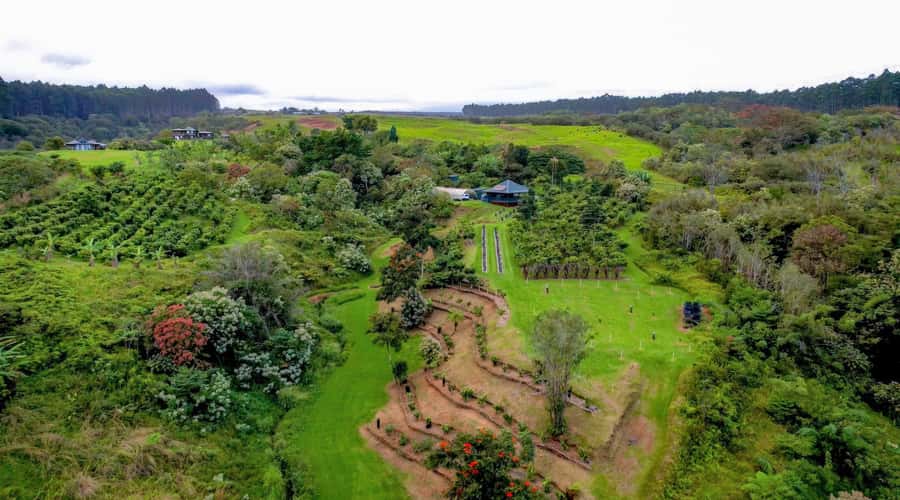
This isn’t in a mall or a hotel corridor. You’ll head to Honolii Orchards near Hilo, with the farm set about 1.7 miles up Puia Road (a turnoff from Mamalahoa Highway into Paukaa, then toward Puia Rd). The directions are very specific for a reason. Puia Road is listed wrong on some maps (it may show up as Woa Road), and the entrance is marked by a green gate with a large vinyl sign.
I recommend treating the drive like part of the experience. The area feels rural, and you’ll likely see breadfruit, sugarcane, macadamia, and cattle land on the way. It’s the kind of approach that helps the tour feel connected to agriculture, not like a drop-in tasting.
Practical note: after the tour, don’t assume a ride will be easy to summon on the spot. Have a plan. If you’re relying on a driver app, give yourself a buffer and be ready to help with pickup location.
Timing and pace: how a 210-minute tasting day is paced
The full experience runs about 210 minutes (a little over 3.5 hours). That timing matters because it lets you do more than one thing well. You start with the tasting room, then you’re guided through the orchards, you move into the fermentation room, and you circle back for a structured tasting.
The pace is relaxed, not rushed. The flow is designed so the science and history don’t feel like lectures. You’ll learn, then you’ll taste, then you’ll learn again. That order helps the flavors make sense.
Also, this is a guided experience with a real back-and-forth feel. You’re encouraged to ask questions in the orchard, and the guide talks at a level you can follow without feeling like you need a chemistry degree.
The tasting room view sets the tone before you taste
You start by arriving in an elevated tasting room perched above the orchard canopy. Expect ocean and valley views while you settle in. It starts with casual conversation, which I like because it changes the vibe from classroom to conversation.
If you’re worried about walking right away, you’ll appreciate this first stop. You’re not thrown into the dirt immediately. Instead, you get a comfortable runway into the day—refreshments, then orientation, then the orchard tour.
This setting also does something useful: it reminds you that cacao isn’t a factory product. It’s a crop grown in a real place with real weather patterns and soil. That “where it grows” idea comes up again when you taste the bars.
Orchard tour: tracing cacao from tree to harvest
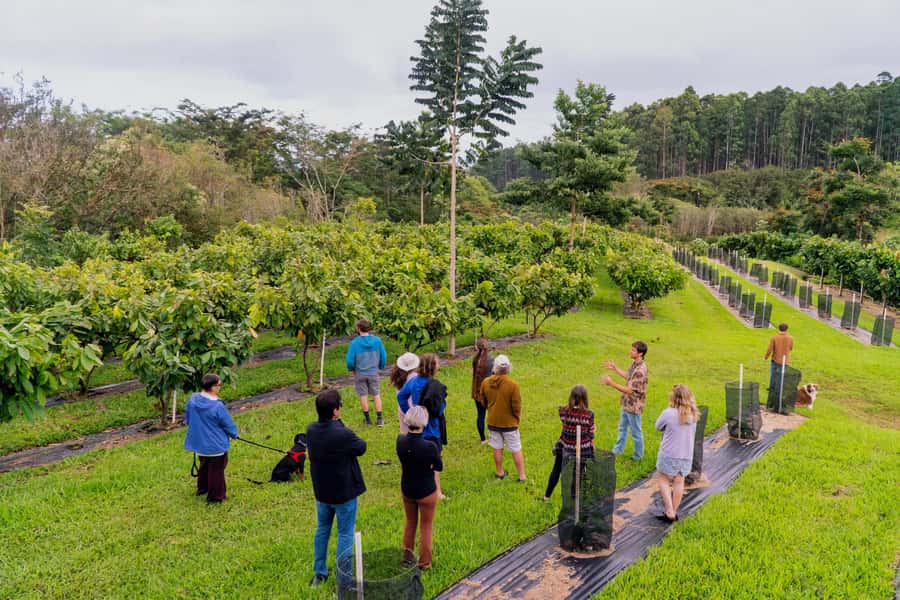
Once you’re set, you head out to explore Honolii Orchards with your guide. In the orchard, the tour focuses on the cacao tree’s journey—how it’s cultivated, what harvesting looks like, and what makes cacao pods different from other farm crops.
This part is valuable because it anchors the rest of the experience. You’ll hear about how a cacao pod becomes a fermenting and processing project. The guide also connects the orchard work to the broader agricultural history of the region, touching on the former sugarcane industry that helped shape the Hamakua Coast area.
I also like that your guide invites questions. If you’ve ever wondered things like why fermentation is such a big deal (spoiler: it really is), you’ll usually get an answer here rather than only later in a tasting room.



What to watch for
- You’ll likely do some walking on uneven ground around the orchard.
- If you have mobility issues or you find it hard to stand for long periods, let them know ahead of time so they can plan accordingly.
Fermentation room: the science behind craft flavor
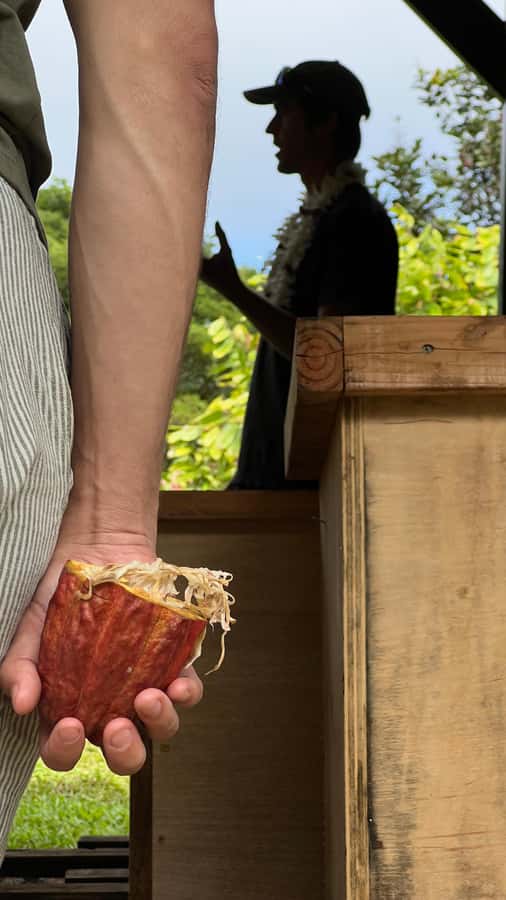
After the orchard walk, you get a guided visit to the Honolii Orchards fermentation room. This is where craft chocolate stops being a word and becomes a process.
Fermentation is the critical post-harvest step that shapes flavor. You’ll get the chance to learn why it matters—how what happens after picking changes aroma, acidity, bitterness, and overall taste. Even if you’re not into food science, the explanation is meant to make sense next to what you’ll taste.
This step is one reason the tour feels more “real” than basic chocolate tastings. It’s also one reason the tasting later can actually teach you something: you’ll have a mental model for why one bar tastes fruity and another tastes more earthy or nutty.
Chocolate history: from ancient Mesoamerica to today’s craft movement
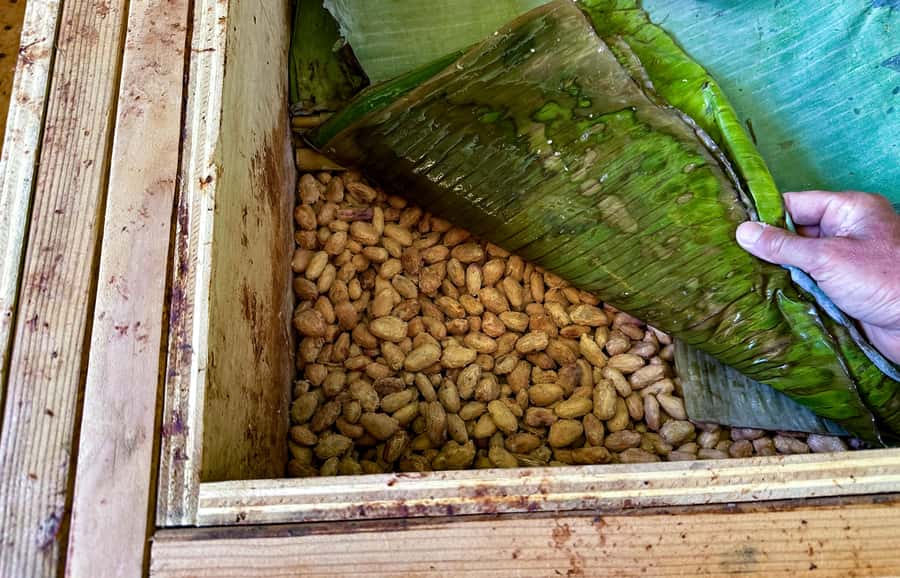
Back in the tasting room, you’ll shift from farm process to story. You’ll explore chocolate’s path from ancient Mesoamerica to the modern craft chocolate revolution.
This history segment doesn’t just name-drop. It helps you understand the difference between craft chocolate and mass-produced chocolate—especially why craft bars tend to taste more distinct and why that distinctness matters to people who care about origins and technique.
I like that the tour frames history as a reason for today’s standards. When people talk about terroir in wine terms, they’re really pointing at the same core idea: genetics, soil, and climate can create differences you can taste. The guide brings that back when you start comparing the bars.
The tasting: 10 single-origin bars plus extra cacao treats
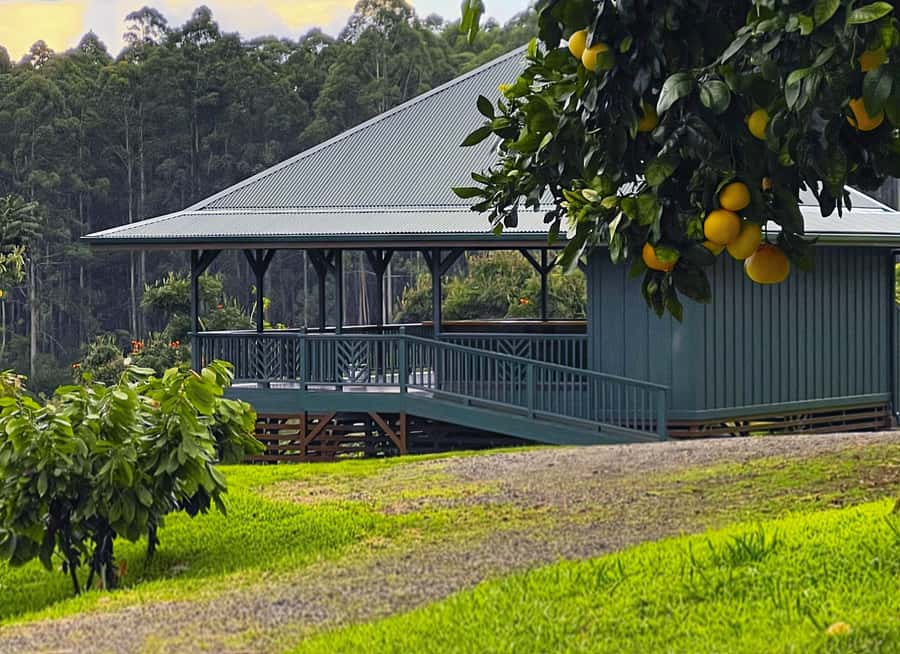
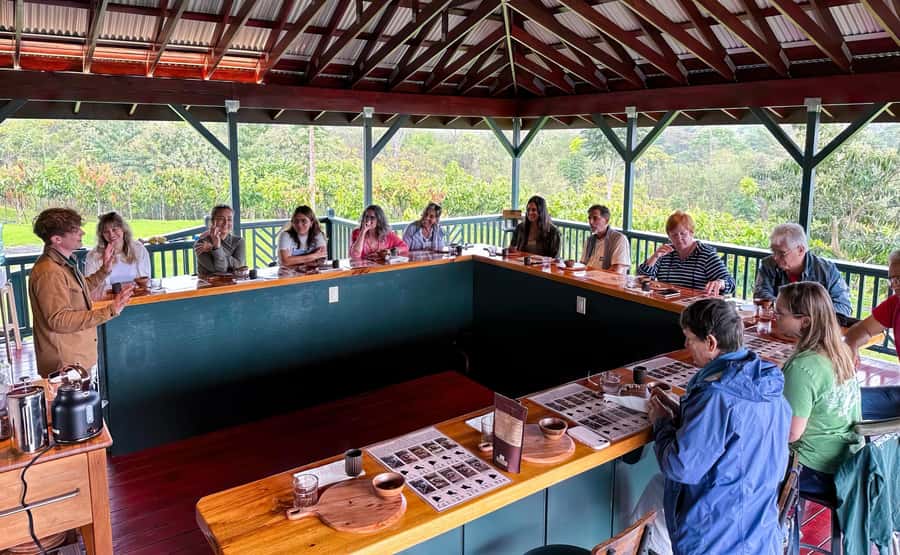
Now comes the part most people remember. You’ll end with a tasting of at least 10 different single-origin craft chocolate bars, all sourced from farms across the Hawaiian Archipelago. That “single-origin” focus is key. It sets you up to actually notice flavor differences without mixing everything into one big chocolate smoothie.
The bars are served as a guided experience, not a free-for-all. You’ll be able to compare notes and start learning how to describe what you like—things like roast level, fruitiness, cocoa depth, and sweetness balance.
Bonus tastings beyond chocolate
The tour also includes sampling:
- Fresh cacao juice
- Roasted cacao beans
- Cacao tea
- Chocolate-covered macadamias
- Seasonal fruits and other farm-fresh treats
This matters because cacao is more than a single ingredient in a chocolate bar. Trying cacao juice and roasted beans helps you understand flavor before it’s processed into chocolate. It’s like meeting the ingredients first, then tasting the finished product. Cacao tea is a nice bridge too, since it reminds you how cacao can be used in drinks, not just candy.
Buying and lingering
When the tasting is done, you can purchase chocolates you sampled. You’re also welcome to stay in the tasting room and take a slower walk through the orchards.
If you’re the kind of person who buys one bar and regrets it later, this is where you can get your favorites while the flavors are still fresh in your mind.
Price and value: what you’re really paying for at $130
At $130 per person for about 3.5 hours, this isn’t a “grab a sample and leave” stop. So you should ask: what’s the value?
Here’s what you get that justifies the price:
- Two guided farm components: orchards and the fermentation room.
- A structured tasting of 10 single-origin craft bars, not generic assorted chocolates.
- Extra cacao samples (juice, roasted beans, cacao tea, and additional farm treats).
- A guide who explains both agriculture and post-harvest processing.
In other words, you’re paying for expertise plus time plus ingredients. If your trip to the Big Island includes food experiences, this sits in the “premium” category because it’s educational and ingredient-focused, not just entertainment.
You’ll feel it most if you care about flavor differences and the reasons behind them. If you only want a quick chocolate taste, there are cheaper options. But if you want to walk away able to talk about cacao and craft chocolate with confidence, the math changes fast.
Who this is best for (and who should rethink)
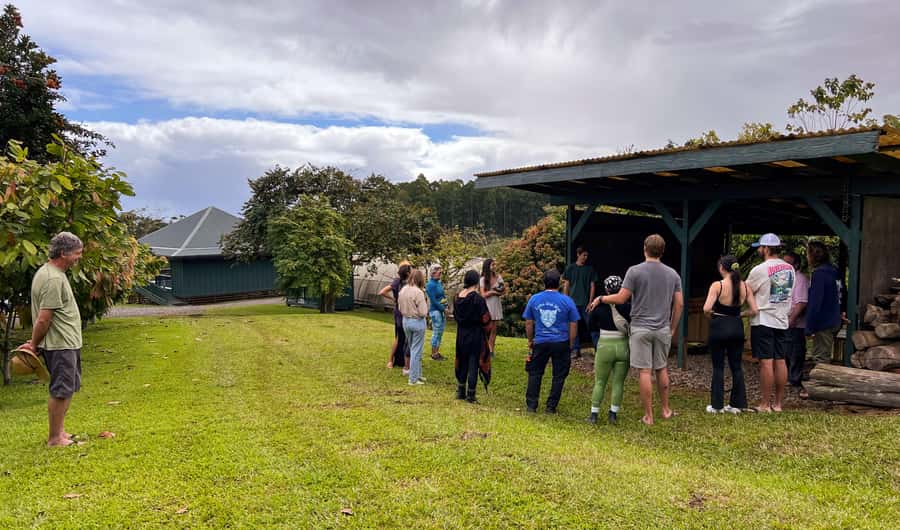
This tour is a great fit if:
- You’re a chocolate fan who wants to understand why bars taste different.
- You like farm visits and want agriculture explained in plain language.
- You enjoy tasting multiple single-origin items (like wine people do).
- You want a slower, scenic stop near Hilo rather than only coastal sightseeing.
It’s not a great fit if:
- You have trouble standing for extended periods and you haven’t told the team ahead of time.
- You’re traveling with kids under 9 (not suitable).
- You want something hands-off and minimal walking.
Also, note the restrictions: no weapons/sharp objects, no oversized luggage, no baby strollers, and smoking is not allowed indoors or in the vehicle. The day is designed around a working farm and food tasting, so keep things simple.
What to do before you book (so nothing surprises you)
Here are my practical tips based on how this experience is set up:
- Use Google Maps to the pinned location. Follow the street names in the directions and ignore private road signs on the way. Puia Road may be mislabeled, so don’t trust one name alone.
- Plan your timing so you don’t feel rushed. The full flow takes just over 3.5 hours.
- Wear shoes you can walk in. You’ll be in and around orchard areas.
- Come curious. If you ask questions during the orchard portion, you’ll get more out of the fermentation and history sections later.
- Have room to buy afterward. If you find a bar you love, you can purchase it after the tasting.
If you’re pairing this with other Big Island plans, consider building it on a day when you can take your time afterward. The farm experience tends to put you in a slower mindset.
Should you book Honolii Orchards craft chocolate tasting and farm tour?
Yes, book it if you want a Big Island chocolate stop that goes beyond tasting and into how the flavor is made. The orchard-to-fermentation flow, the focus on single-origin bars, and the extra cacao samplers are a strong combo for $130—especially if you like to learn as you taste.
Skip it if you want a quick, low-cost chocolate snack or if walking time would be a problem for you. In that case, you might be happier with something more compact.
For the rest of you—food lovers, cacao nerds, and anyone who enjoys comparing “same ingredient, different place” flavors—this is one of the most focused, worth-your-time chocolate experiences on the island.
More Tours in Hilo
- Volcano Adventure: Hilo Sightseeing w/ Optional Helicopter Tour
★ 4.5 · 412 reviews - Hilo Shore Excursion: Active Volcano, Lava Tube, Waterfall and Gardens
★ 5.0 · 393 reviews - Hawaii Volcanoes National Park and Hilo Highlights Small Group Tour
★ 5.0 · 260 reviews - Big Island: Hawaii Volcanoes National Park and Hilo Tour
★ 5.0 · 118 reviews - Volcanoes National Park Adventure Tour – Hilo Shore Excursion
★ 4.5 · 104 reviews - From Hilo: Hawaii Volcanoes National Park Tour
★ 4.9 · 70 reviews
More Tour Reviews in Hilo
- Hilo: Mauna Kea Summit, Sunset, & Stargazing Experience
★ 4.8 · 629 reviews - Big Island: Volcanoes, Waterfalls, & Coffee Farm Day-Trip
★ 4.9 · 414 reviews - Volcano Adventure: Hilo Sightseeing w/ Optional Helicopter Tour
★ 4.5 · 412 reviews - Hilo Shore Excursion: Active Volcano, Lava Tube, Waterfall and Gardens
★ 5.0 · 393 reviews - Hawaii Volcanoes National Park and Hilo Highlights Small Group Tour
★ 5.0 · 260 reviews - Hilo: Hawaii Volcanoes National Park Flight
★ 4.4 · 248 reviews
Island Farm Stands and Tastings
- Big Island: Volcanoes, Waterfalls, & Coffee Farm Day-Trip
★ 4.9 · 414 reviews
Just Added: The Newest Big Island Reviews

Big Island Farm & Chocolate Tastings, compared.
 ★ 5.0Big Island GOAT Experience: Mauna Kea Summit, Sunset & StarsFrom $2891,706 reviews
 ★ 5.0Hawaiian Salt Farm Tour in KonaFrom $27767 reviews
 ★ 5.0Award Winning Farm Tour: Coffee, Chocolate and Unique GiftsFrom $50484 reviews
 ★ 4.9Night Swim with Manta Ray with Hot ChocolateFrom $146420 reviews
 ★ 4.9Volcanoes, Waterfalls, & Coffee Farm Day-TripFrom $264414 reviews
 ★ 5.0Small-Group Big Island Tour: Hawaii Volcanoes National Park and Kona Coffee FarmFrom $209343 reviews
 ★ 5.0Volcano, Chocolate and Waterfalls of the Big IslandFrom $308238 reviews
 ★ 5.0Experience Our Honey Farm And Beekeeping TourFrom $30167 reviews
Browse the lists this tour appears in