
Reviewed · MANTA RAY NIGHT SNORKELS
Snorkel With Giant Manta Rays In Kailua Kona
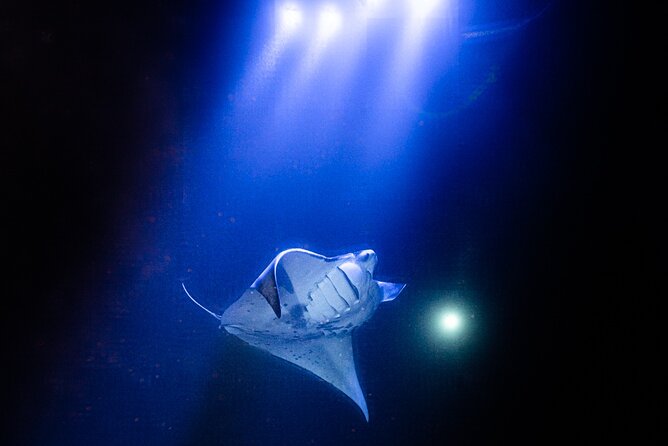
Giant manta rays at night sounds wild. This Kona tour pairs a guided snorkel with a floating light system so you can swim up close in a controlled, safe-feeling way. Two things I especially like: you get wetsuit and snorkel gear included, and the guides (like Eli) work hard to set you up for success.
I also like how the experience is built around time on the water, not just “here’s a spot and good luck.” From the first check-in, you’re guided through what to do, and you’re not left figuring out the manta situation on your own.
One thing to consider: mantas are wild, so seeing them is not guaranteed. If they don’t show, there’s a rebooking approach (with limits), and cancellations can happen if conditions aren’t safe.
In This Review
- Key things to know before you go
- Night Manta Rays in Kona: What Makes This Trip Work
- North Honokohau Harbor Check-in: Smooth Start or Possible Wait
- The Boat Ride: 15–20 Minutes of Coaching and Coastline Views
- Wetsuit, Snorkel Gear, and the Floating Light Board System
- How the Guides Increase Your Odds (and Keep You Calm)
- Stop-by-Stop: Honokohau Marina, Garden Eel Cove / Manta Heaven, and Kahaluu-Keauhou
- Stop 1: Honokohau Marina & Small Boat Harbor
- Stop 2: Garden Eel Cove / Manta Heaven
- Stop 3: Kahaluu-Keauhou
- What You Actually Do in the Water (No Free-for-All)
- Wildlife Encounters: Mantas Are the Star, but Not the Only Option
- Price and Value: Is $137 a Good Deal?
- Who Should Book This Snorkel with Giant Manta Rays
- What to Pack for Kona Night Snorkeling
- Should You Book This Manta-Ray Snorkeling Tour?
- FAQ
- FAQ
- Is wetsuit and snorkel gear included?
- How long is the manta ray snorkeling tour?
- Where do I check in for the tour?
- Do I need prior snorkeling experience?
- Are mantas guaranteed on this tour?
- What safety support is provided?
- Do I need to know English?
- What if I need a lifejacket?
- What is the cancellation rule if weather is bad?
Key things to know before you go
- Included wetsuit and snorkel gear so you don’t have to pack equipment
- Guided snorkeling with a licensed in-water guide/lifeguard for extra safety and coaching
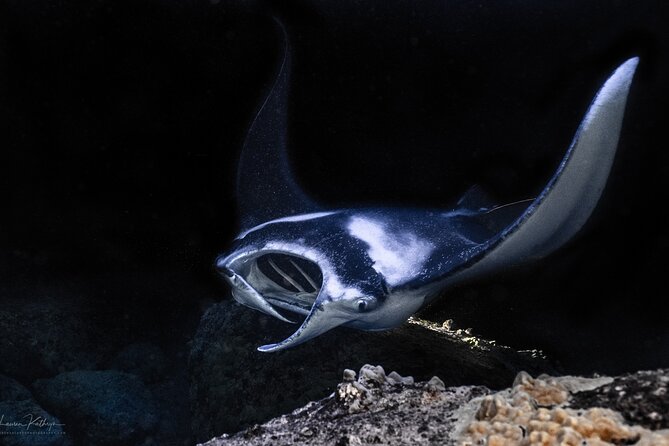
- Underwater lights on a custom floating board to improve your odds of mantas approaching
- Max 18 travelers, which usually keeps the water time more manageable
- No “manta guarantee” policy, so plan flexibility in your trip
Another night out over the Kona mantas
- Big Island Manta Ray Night Snorkel★ 5.0 · 5,656 reviews
- Big Island: Kona Manta Ray Snorkel Tour in Keauhou Harbor★ 4.5 · 2,465 reviews
- KONA Manta Ray Night Snorkel – FREE re-ride if no Sightings★ 5.0 · 2,212 reviews
- Manta Ray Night Snorkel at Kona, Big Island★ 5.0 · 1,758 reviews
Night Manta Rays in Kona: What Makes This Trip Work
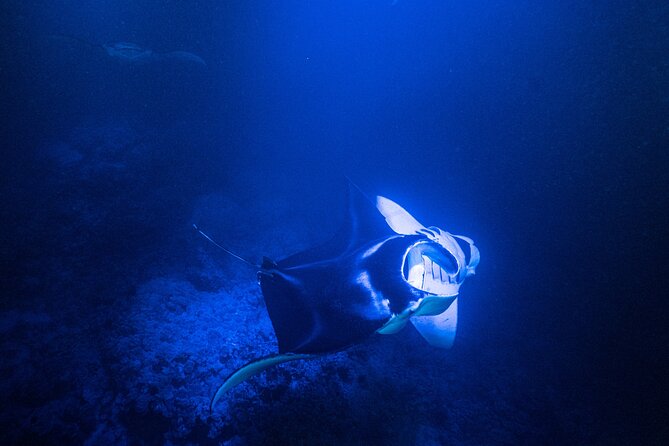
If you’re chasing one of those once-in-a-lifetime animal encounters, night snorkeling with manta rays hits different. Daytime manta sightings can happen, but at night the setup is about visibility, behavior, and bringing mantas into your viewing zone. This tour leans into that with guided entry and a system meant to attract wildlife toward where you’re snorkeling.
What you’re really buying here is focus. You show up, get geared up, ride out with a captain and guides who narrate what you’re seeing, then you enter the water with help. Even when mantas are unpredictable (they are), the crew’s job is to keep you in the game: safety first, calm instruction, and moving when activity is happening elsewhere.
A quick note on expectations: this isn’t a “free swim in the ocean whenever you want” experience. It’s structured. That structure is why many people come away feeling satisfied rather than frustrated.
North Honokohau Harbor Check-in: Smooth Start or Possible Wait
The tour starts on the north side of Honokohau Small Boat Harbor at Snorkel Big Island. Check in is where you’ll get fitted with a shorty wetsuit (included) before boarding. The operator also asks you to confirm your check-in time directly with them, since check-in can be up to 40 minutes before tour time.
For your comfort, this matters. A fitted wetsuit helps you stay warm enough to enjoy the water, and it saves you from hunting for gear or worrying about whether you grabbed the right size.
Practical tip: even though the wetsuit is included, plan for the fact that the boat ride can cool you down. Bring a towel and something warm to change into afterward if you run cold easily.
The Boat Ride: 15–20 Minutes of Coaching and Coastline Views
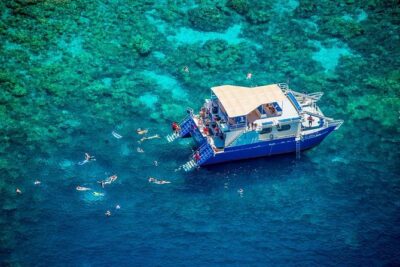
You’ll board a USCG-documented vessel, then ride out for about 15–20 minutes. Along the way, captains and guides narrate the coastline.
This part is more than sightseeing. It’s your warm-up for what happens next: safety briefing, how to enter the water, and how to hold position so you’re not fighting currents or panicking while you look for mantas.
If you’re the type who gets nervous around open water, I actually like that this time exists. It gives you a buffer to get your bearings fast and understand the rules before you go in.
Wetsuit, Snorkel Gear, and the Floating Light Board System
This is where the tour feels like it’s engineered for success. You get snorkeling equipment and a wetsuit included, plus additional floatation or assistance if you request it.
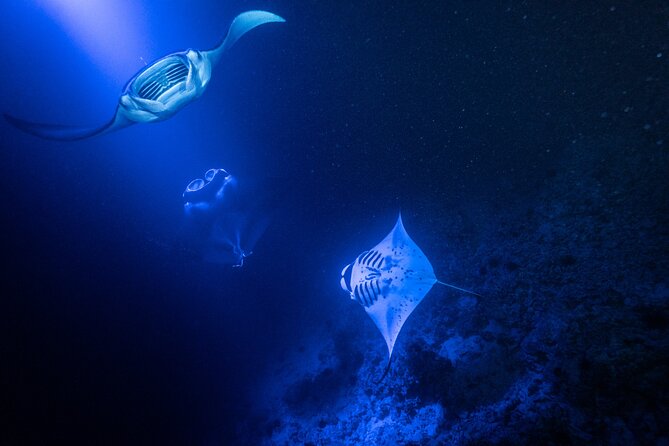
Then comes the signature setup: all guests hold onto a floating, custom light board with powerful underwater lights. The crew uses this to give you an advantage over operators who only rely on their own lighting approach. The goal is to bring manta activity closer to you so you can actually experience the behavior up close instead of just scanning the dark ocean.
A real-world bonus: one of the biggest “wow” moments for people is how close mantas can come while you’re staying steady on the board. You’re not doing a search mission by yourself. You’re in the viewing zone.
More masks-on stops along the Kona reef
How the Guides Increase Your Odds (and Keep You Calm)
You have a lot going on at night: dark water, your breathing rhythm, and the pressure of spotting a huge animal. That’s why the guide role matters.
This tour uses a Red Cross licensed in-water guide/lifeguard, and you’ll be briefed in English so you can follow safety instructions and what the guides are pointing out. Guides also tell you facts about manta rays and nearby wildlife while you snorkel.
Names you may hear onboard include Eli and Adam. One review described Eli as very knowledgeable about watching manta rays swim under you—exactly the kind of coaching that turns a “sighting” into an experience.
The best-case scenario is that you feel supported rather than rushed. The most common praise here is that the crew helps you maximize time with mantas and doesn’t leave you feeling like you’re on your own.
Stop-by-Stop: Honokohau Marina, Garden Eel Cove / Manta Heaven, and Kahaluu-Keauhou
Even though you’re mostly focused on the water, the stops help shape the experience.
Stop 1: Honokohau Marina & Small Boat Harbor
This is your launch point and the first “check your gear” moment. You’re fitted with your wetsuit, then you get aboard for the ride and safety prep. If you’re thinking about timing, I’d rather you start with calm expectations here. There can be early arrivals, check-in windows, and a bit of waiting before departure.
Stop 2: Garden Eel Cove / Manta Heaven
This is the snorkel zone the tour is built around. The name alone suggests the vibe: an area where wildlife activity is expected, and where a manta encounter becomes possible with the light board setup.
This stop is also where the “guided environment” part matters most. In dark water, you don’t want to wander. You want to hold on, listen, and keep your body stable so you don’t scare the animals or kick gear into the water.
A common pattern people describe is that the crew can reposition if mantas are delayed. That flexibility is a big deal for a wild-animal experience.
Stop 3: Kahaluu-Keauhou
This is another area used as part of the overall route. Practically, it gives the crew options depending on what’s happening out there that night.
If you’re someone who hates uncertainty, it can feel odd to hear about multiple areas. But for mantas, it’s often the smartest approach: you’re adapting to real conditions rather than betting everything on one location staying active.
What You Actually Do in the Water (No Free-for-All)
The tour is a guided snorkel where you’ll enter the water with crew support. You’ll hold onto the floating light board and snorkel close by, with guides talking you through what you’re seeing.
There are requirements you should take seriously:
- Basic swimming skills are required
- Previous snorkeling experience is required
- You must be able to climb up a boat ladder
- You need to be able to converse in English to understand instructions and safety briefings
One review also stressed that the time in water can feel like a shorter window, closer to about 30 minutes for some groups. I can’t promise exact minutes for every night, but I recommend thinking of this as a focused session, not an all-night float.
If you want to make the most of that limited window, treat it like a performance: stay calm, listen closely, and keep your movements controlled. When you’re steady, the mantas have a better chance of approaching you.
Wildlife Encounters: Mantas Are the Star, but Not the Only Option
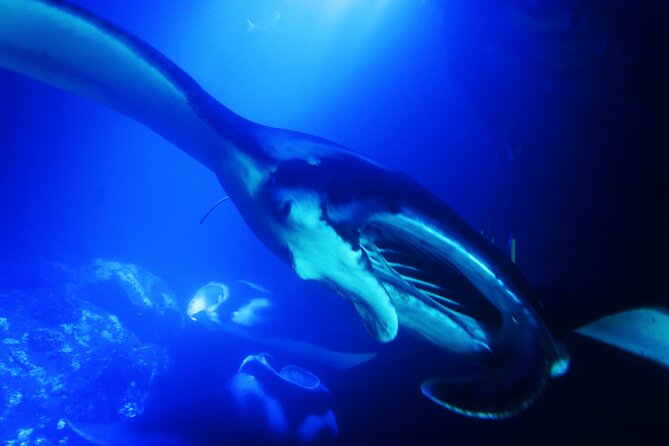
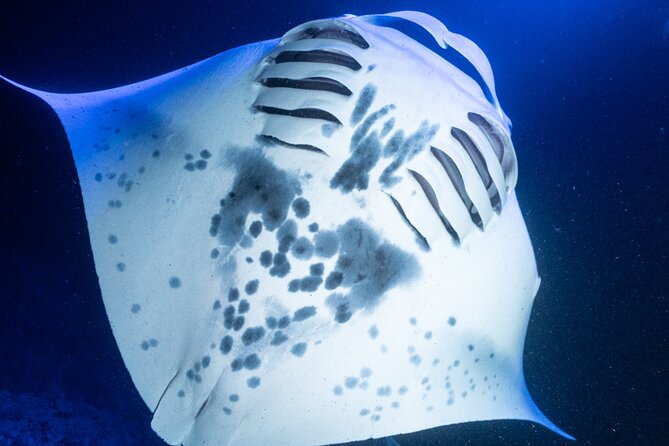
Manta rays are the target, and they can be stunningly close. That “right in front of me” feeling is what most people remember.
But don’t lock your whole evening on a single outcome. This tour has a clear policy: manta rays are wild animals, and the operator cannot guarantee their presence.
If you don’t see mantas on your night out, you may be able to try again on a different night for a rebooking fee. Seats can be extremely limited during some times of year. Also important: if mantas decide to take the night off, the costs involved with setting up the charter can prevent a refund.
Reality check: this can sound harsh until you understand how hard it is to control wild animals. If you want the best odds, book early in your trip so you have time to reschedule if your first night doesn’t deliver.
Also, while mantas are the main event, people have reported other wildlife such as sharks, dolphins, and plankton activity. Treat these as possible bonuses, not part of the deal.
Price and Value: Is $137 a Good Deal?
At $137 per person for about 2 hours (approx.), you’re paying for a real night operation: harbor check-in, a charter boat, guided in-water supervision, included wetsuit/snorkel gear, and a custom light board system.
The value gets better if:
- You want gear handled for you
- You’re not comfortable managing safety and positioning in dark water
- You care about being guided to maximize manta sightings rather than just hoping
The value can feel weaker if:
- You’re expecting manta rays to be guaranteed
- Your comfort level with snorkeling is low (this tour requires previous snorkeling experience)
- You hate the idea that a short time in water might be more “best effort” than “long and relaxed”
For me, the big value lever is the included safety support and the light-board approach. For this kind of wildlife encounter, that combination is what turns an outing into an experience you’ll remember.
Who Should Book This Snorkel with Giant Manta Rays
This tour fits you best if:
- You’re a confident swimmer and you’ve snorkeled before
- You can climb a boat ladder without help
- You can handle a structured experience and follow instructions at night
- You speak English well enough to understand safety briefings
- You want a guided shot at seeing mantas close up in Kona
Families can enjoy it too, but there’s a practical reality: night snorkeling and board holding aren’t easy for every kid. If you’re bringing younger snorkelers, think carefully about their comfort level and ability to follow directions.
If you need a lifejacket, you can request one by contacting the reservation line.
Service animals are allowed, and the meeting point is near public transportation, which helps if you’re not renting a car.
What to Pack for Kona Night Snorkeling
The gear side is mostly handled, but you’ll still want comfort items:
- A towel and warm layer for after
- A swimsuit you don’t mind getting sandy/wet
- Waterproof camera setup if you have one (many people recommend this)
- Flip-flops or easy sandals for boarding and walking around
- If you have prescription needs: a prescription snorkel mask is not included, so you may need your own
One more practical tip: bring something to stay warm during the ride back. Even with wetsuits, night breezes can sneak up on you.
Should You Book This Manta-Ray Snorkeling Tour?
I’d book it if you’re excited by the idea of being in the mantas’ space rather than watching from far away. The included wetsuit/snorkel gear, the in-water licensed support, and the custom light board approach make this a solid value for a night wildlife outing.
I’d hold off or book with extra flexibility if you’re counting on a sure-thing animal sighting. Mantas are wild. Conditions can change. And on some nights, you may not see them even with the best setup.
My best advice: book early in your Kona trip so you’re not stuck. If your first night doesn’t produce mantas, you have a chance to rebook. That flexibility is the difference between a “meh night” and a successful manta encounter.
FAQ
FAQ
Is wetsuit and snorkel gear included?
Yes. You’re provided snorkeling equipment and a shorty wetsuit for the experience.
How long is the manta ray snorkeling tour?
The duration is approximately 2 hours.
Where do I check in for the tour?
You meet at Snorkel Big Island at 74-380 Kealakehe Pkwy, Kailua-Kona, HI 96740, then you check in for the harbor departure on the north side of Honokohau Small Boat Harbor.
Do I need prior snorkeling experience?
Yes. Previous snorkeling experience is required, and basic swimming skills are required too.
Are mantas guaranteed on this tour?
No. The operator cannot guarantee mantas because they are wild animals. If mantas are not seen, you may have an option to rebook on another night for a rebooking fee.
What safety support is provided?
There is a Red Cross licensed in-water guide/lifeguard. Crew members also manage safety when you enter and exit the water.
Do I need to know English?
Yes. You must be able to converse in English to understand verbal instructions and safety briefings.
What if I need a lifejacket?
If you or someone in your group would like a lifejacket, contact the reservation line so arrangements can be made.
What is the cancellation rule if weather is bad?
You can cancel for a full refund up to 24 hours before the experience starts. If the experience is canceled due to poor weather, you’ll be offered a different date or a full refund.
More Snorkeling Off the Kona Coast
- Big Island Manta Ray Night Snorkel
★ 5.0 · 5,656 reviews - Big Island: Kona Manta Ray Snorkel Tour in Keauhou Harbor
★ 4.5 · 2,465 reviews - Big Island: Captain Cook Snorkel On A Power Catamaran With Lunch
★ 5.0 · 2,232 reviews - KONA Manta Ray Night Snorkel – FREE re-ride if no Sightings
★ 5.0 · 2,212 reviews - Manta Ray Night Snorkel at Kona, Big Island
★ 5.0 · 1,758 reviews - Kona Snorkel Tour: Captain Cook Reef Snorkel, Dolphin & Sea Caves
★ 4.5 · 1,411 reviews
More Tour Reviews in Big Island of Hawaii
- Big Island in a Day: Volcanoes Waterfalls Sightseeing and History
★ 5.0 · 6,569 reviews - Big Island Manta Ray Night Snorkel
★ 5.0 · 5,656 reviews - Big Island: Kona Manta Ray Snorkel Tour in Keauhou Harbor
★ 4.5 · 2,465 reviews - Hilo Shore Excursion: Volcanoes National Park & Black Sand Beach
★ 4.5 · 2,338 reviews - Big Island: Captain Cook Snorkel On A Power Catamaran With Lunch
★ 5.0 · 2,232 reviews - KONA Manta Ray Night Snorkel – FREE re-ride if no Sightings
★ 5.0 · 2,212 reviews
More Nights With the Kona Mantas
- Big Island Manta Ray Night Snorkel
★ 5.0 · 5,656 reviews - Big Island: Kona Manta Ray Snorkel Tour in Keauhou Harbor
★ 4.5 · 2,465 reviews - KONA Manta Ray Night Snorkel – FREE re-ride if no Sightings
★ 5.0 · 2,212 reviews - Manta Ray Night Snorkel at Kona, Big Island
★ 5.0 · 1,758 reviews - Glow of the Deep: Night Snorkeling with Manta Rays
★ 4.5 · 1,254 reviews - Manta Magic: Small-Group Manta Ray Night Snorkel in Kailua Kona
★ 5.0 · 1,141 reviews
Just Added: The Newest Big Island Reviews

Manta Ray Night Snorkels, compared.
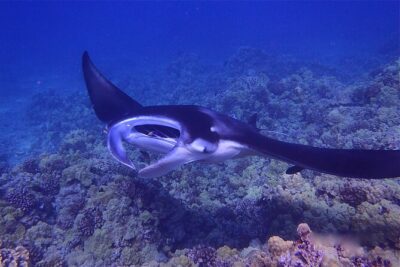 ★ 5.0Big Island Manta Ray Night SnorkelFrom $845,656 reviews
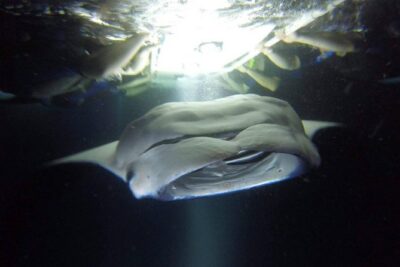 ★ 4.5Kona Manta Ray Snorkel Tour in Keauhou HarborFrom $252,465 reviews
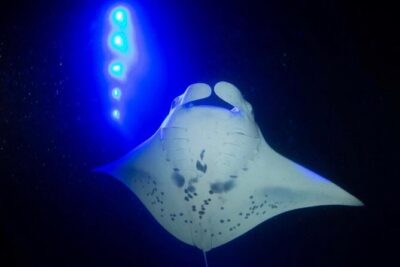 ★ 5.0KONA Manta Ray Night Snorkel – FREE re-ride if no SightingsFrom $492,212 reviews
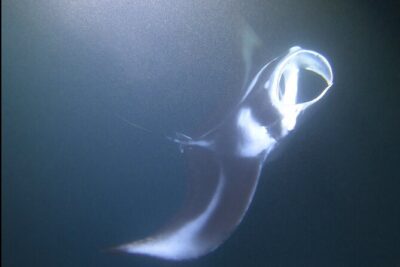 ★ 5.0Manta Ray Night Snorkel at Kona, Big IslandFrom $441,758 reviews
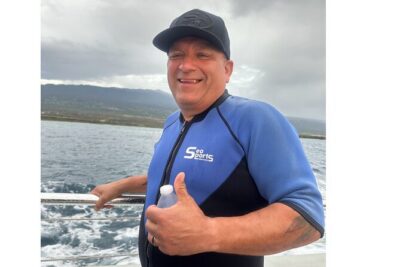 ★ 4.5Glow of the Deep: Night Snorkeling with Manta RaysFrom $801,254 reviews
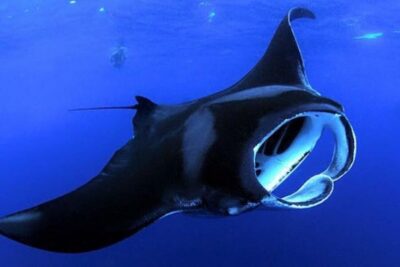 ★ 4.8Kailua Kona: Night Manta Ray Adventure on the Big IslandFrom $1211,199 reviews
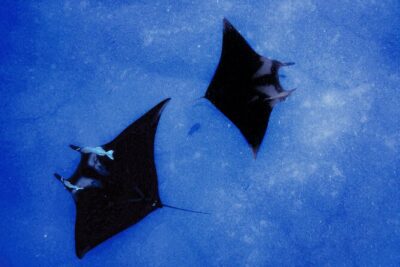 ★ 5.0Manta Magic: Small-Group Manta Ray Night Snorkel in Kailua KonaFrom $1451,141 reviews
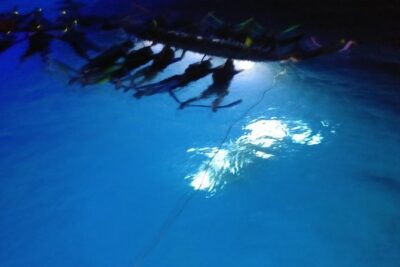 ★ 5.0Sunset and Manta Ray Snorkel AdventureFrom $154843 reviews
Browse the lists this tour appears in