
Reviewed · BIG ISLAND FARM & CHOCOLATE TASTINGS
Hawaiian Tikis and Guava Tea
Chess-tiki art meets real fern jungle. I love how this walk mixes hand-carved tiki details with the sheer, in-person presence of Hapu’u ferns. You also get to learn the off-grid thinking behind the structures, straight from the people building and caring for the property.
One thing to plan for: this is not a smooth, manicured trail. Expect some uneven ground over natural lava, so wear shoes with real grip.
In This Review
- Key highlights to know before you go
- Fern Forest and the recycled-tiki art that actually feels lived in
- The lava-flow path and 300+ Hapu’u ferns
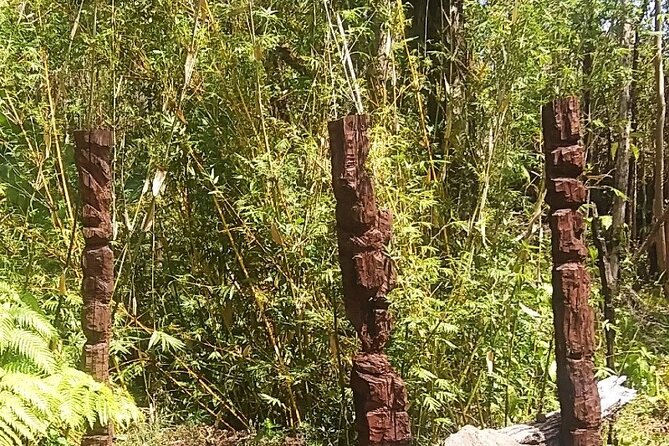
- Chess-themed tiki statues along a pallet fence
- Lava rock sculptures and the Rasta stone piece
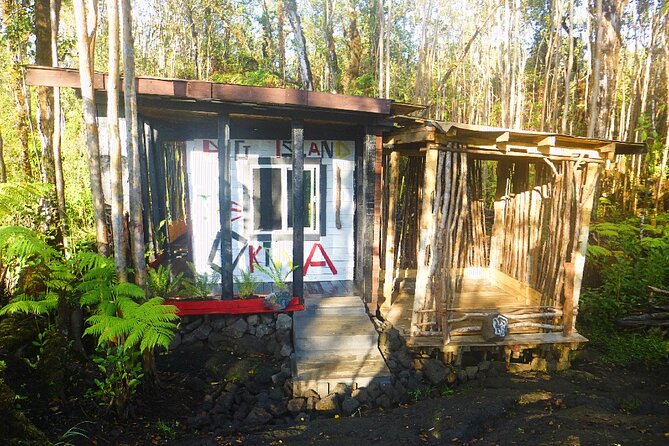
- The Okina prototype house: 100% recycled-pallet off-grid living
- How the timing and small group size shape the experience
- What to bring (and what kind of traveler this suits)
- Price and value: is $75 per person worth it?
- Should you book Hawaiian Tikis and Guava Tea?
- FAQ
- How long is Hawaiian Tikis and Guava Tea?
- What does it cost?
- Where do I meet, and where does the tour end?
- What time does the tour start?
- Is the tour offered in English, and what’s the group size?
- Can I get a refund if my plans change?
Key highlights to know before you go
- Seven life-sized chess tiki statues greet you right away, arranged along a fence built from 100% recycled pallets
- 300+ Hapu’u ferns in their natural habitat, on a naturally formed uneven lava flow path
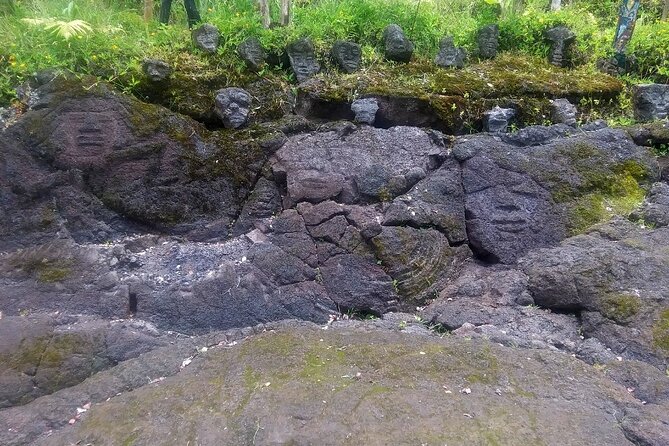
- Lava rock sculptures plus a stone piece called Rasta, all placed on-site for a grounded feel
- The Okina prototype house, a small off-grid art installation built from recycled pallets
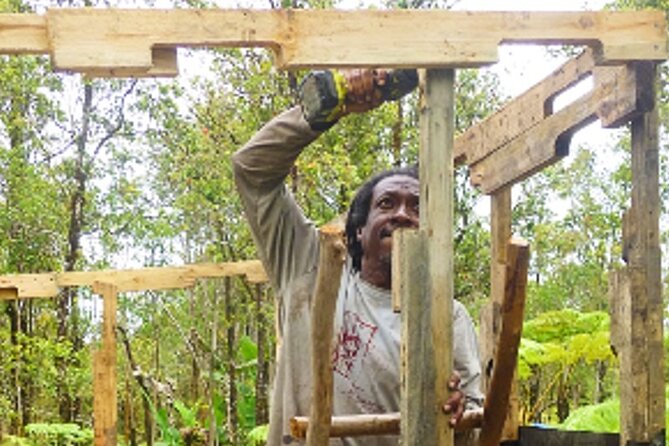
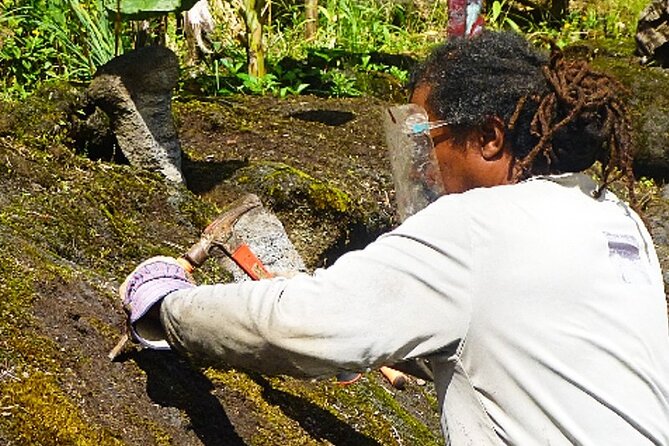
- Guides Jason and Nikki share their approach, including hands-on carving or chiseling opportunities for kids
More island farm stands, from cacao to sea salt
- Big Island GOAT Experience: Mauna Kea Summit, Sunset & Stars★ 5.0 · 1,706 reviews
- Hawaiian Salt Farm Tour in Kona★ 5.0 · 767 reviews
- Award Winning Farm Tour: Coffee, Chocolate and Unique Gifts★ 5.0 · 484 reviews
- Small-Group Big Island Tour: Hawaii Volcanoes National Park and Kona Coffee Farm★ 5.0 · 343 reviews
Fern Forest and the recycled-tiki art that actually feels lived in
On the Big Island, you can find plenty of tourist-facing sights. This experience goes a different direction: you’re walking through a working, creative homestead space where art and the landscape meet. The setting is Fern Forest, and the vibe is part nature walk, part outdoor art gallery, part lesson in making do.
What I like is how the carvings and structures are integrated into the place instead of dropped on top of it. The tiki work is hand-carved, and the surrounding tropical plants and wildlife make the whole area feel active, not staged. It’s also a small group setup (max 10), which matters here because the tour is personal and interactive, not rushed through a checklist.
The other reason I think this is a good value at $75 per person is that you’re getting a full 2-hour circuit that focuses on real details: fern habitat, lava textures, and small-scale building that uses recycled materials. If you like seeing how people create something practical and beautiful at the same time, you’ll probably feel the same.
Quick note on the name: Hawaiian Tikis and Guava Tea is what you’re booking, but the details you’ll get focus heavily on tiki, ferns, and the Okina structure. If guava tea matters to you, check at booking for what’s actually included.
The lava-flow path and 300+ Hapu’u ferns
The heart of the tour is a naturally uneven lava flow path. You’ll move through the area and see over 300 Hapu’u ferns growing in their natural environment. That number isn’t just a brag: it changes what you notice. Instead of passing a few plants, you get surrounded by them, and you start paying attention to how they grow and where they thrive.
If you’ve seen Hawaiian ferns in photos, you’ll likely notice a difference in scale and texture in person. Hapu’u ferns look like tall, sculptural fronds, and the forest lighting makes them feel almost architectural. You’re not just looking at a single attraction; you’re learning to read the space as a living ecosystem.
The practical takeaway: the ground is uneven because it’s a naturally formed lava route. So choose footwear accordingly. Even if you’re not hiking hard, you’ll want stable soles, especially if the ground is damp or slick.
Chess-themed tiki statues along a pallet fence
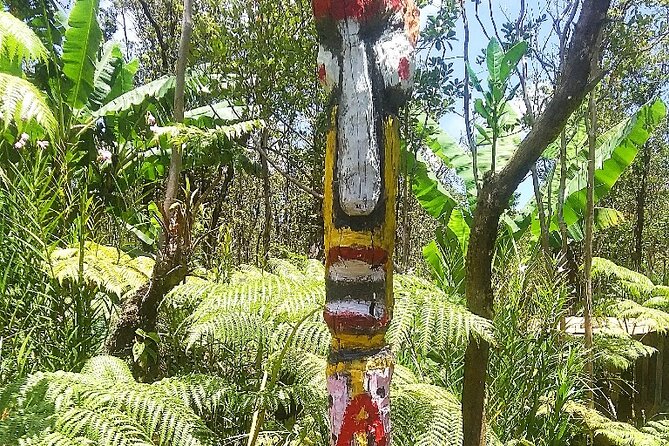
Before you get into the fern area, you get an immediate visual hook: you’re greeted by seven life-sized tiki statues that represent the game of chess. They sit along a fence made using 100% recycled pallets, so the first thing you notice is the mix of playful imagery and real-world materials.
This part works because it sets the theme early. You’re in an environment where recycled wood isn’t just a gimmick; it’s part of the story of how the property has been built. And the chess idea is memorable. It gives you a simple mental map, even when you’re moving through dense plantings and lots of sculptural details.
You’ll also spot additional carved elements like hand-carved Hawaiian Tikis, lava rock sculptures, and pallet structures. It’s a good mix for different kinds of interest: some people love art details, others want the plants and environment, and this tour gives both without forcing either one to be an afterthought.
Lava rock sculptures and the Rasta stone piece
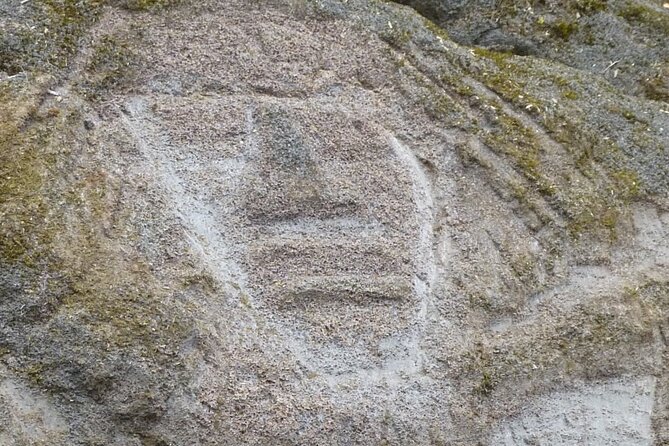
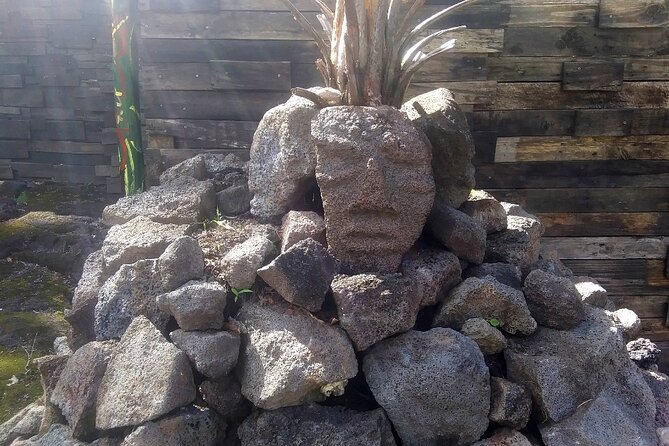
As you walk, you’ll encounter lava rock sculptures and in-situ pieces, including one called Rasta stone sculpture. Lava is a signature material on the Big Island, so seeing it used as a sculptural medium is satisfying in a very practical way. It’s not just scenery; it’s part of the craft.
I like that these sculptures aren’t floating in a vacuum. They sit within the broader property and get framed by tropical plants around them. That makes the art feel anchored in the place rather than imported.
This segment is also where the tour’s hands-on energy shows up. In particular, the guides Jason and Nikki can involve kids in small carving or chiseling attempts. If you’re traveling with children, this is one of the more meaningful parts of the experience, because it turns passive looking into active doing.
For adults, it’s still valuable because you’ll learn more than just what a sculpture looks like. You’ll get a better sense of the effort behind it: the time, the materials, and the environmental thinking that shapes what gets built where.
The Okina prototype house: 100% recycled-pallet off-grid living
The tour culminates at The Okina prototype house, which is an art installation structure made from 100% recycled pallets. Even before you focus on the details, the concept is compelling: this is small-scale, functional design wrapped in mixed-media creativity.
Inside, the hallways and sleeping area are about 100 sqft. That’s compact by design, and it’s a useful reminder that off-grid living isn’t about having a huge space. It’s about planning, conserving, and using what you’ve got effectively.
Two technical details are especially important if you care about sustainability rather than just art:
- It has a water catchment system
- It has solar electricity
You’ll also see original mixed-media artwork in the space. The point isn’t to pretend it’s a luxury home. It’s to show how creative structures can still do real work—collect water, make power, and create a livable footprint—using recycled materials.
One more nuance: the guides explain things in a way that connects the structure to the surrounding jungle. So even if you only see the house as a visual stop, it still lands as an environmental lesson.
If you’re the type who likes to extend your time in one place, one review mentioned booking The Okina cabin through Airbnb to experience the jungle atmosphere at night. That’s outside the tour itself, but it’s a smart add-on if you want more than a 2-hour taste.
How the timing and small group size shape the experience
This activity runs about 2 hours. It’s long enough to walk, stop for explanations, see the major carved elements, and visit The Okina. It’s also short enough that the tour doesn’t feel like a full-day commitment.
Your start time is 2:30 pm, and the tour ends back at the meeting point. That loop is helpful because you don’t need to figure out transportation from a distant end location.
Group size is capped at 10 travelers. In a setting like this—where the art details are close-up and the fern environment needs attention—small groups matter. You get space to look without constantly squeezing past other people, and it’s easier for the guides to answer questions as they come up.
Because it’s a mobile ticket experience and it’s offered in English, it’s usually straightforward to plan for. If you’re the kind of traveler who hates last-minute chaos, this one fits.
What to bring (and what kind of traveler this suits)
Bring closed-toe shoes. You’re walking over a naturally uneven lava flow path, and stable footing will make the whole tour more comfortable. If you’re sensitive to humidity, a light layer helps, since tropical forests can feel warm and damp even when the temperature outside seems mild.
You should also come with an open mind. This isn’t a high-tech museum and it isn’t a guided hike focused on distance. It’s an art-and-environment experience built around a personal homestead. If you like craftsmanship, plant life, and creative sustainability ideas, you’re in the right place.
Who it fits best:
- Families with kids who like hands-on activities like carving or chiseling attempts
- Travelers who want something more authentic than standard attraction stops
- People curious about off-grid concepts like solar electricity and water catchment
Who might hesitate:
- If you need perfectly smooth walking surfaces, the uneven lava terrain could be annoying
- If you only want long trail time and big overlooks, this is more of a focused tour than a landscape sprint
Price and value: is $75 per person worth it?
At $75 per person for about 2 hours, you’re paying for more than admission. You’re paying for a guided experience in a small group setting, where the highlights are specific and hands-on: tiki carvings, lava rock art, a fern habitat with 300+ Hapu’u ferns, and a small recycled-pallet off-grid prototype house with water catchment and solar electricity.
The value works best if you care about the details. The tour isn’t trying to be everything. It’s concentrated on a particular kind of place: a living art project in a fern forest. If that matches your travel style, $75 doesn’t feel inflated for what you see and learn.
Also, with only up to 10 travelers, the price is partly offset by getting more direct attention from Jason and Nikki rather than being pushed along in a crowd.
Should you book Hawaiian Tikis and Guava Tea?
I’d book this if you want a Big Island experience that feels personal, creative, and rooted in the environment. The chess-tiki entrance, the sheer scale of Hapu’u ferns, and the chance to see a real off-grid-minded prototype structure make it more than a casual stroll. It’s the kind of tour where you leave with specific images in your head, not just a vague feeling that you saw something.
You might skip it if you dislike uneven ground or if you expect a conventional museum-style tour with lots of fixed exhibits. This is a property you move through, so comfort with walking and curiosity about art-in-nature matters.
If you go, treat it like a guided look at someone’s real work and real landscape choices. That mindset is what makes the whole experience click.
FAQ
How long is Hawaiian Tikis and Guava Tea?
It’s about 2 hours (approx.).
What does it cost?
The price is $75.00 per person.
Where do I meet, and where does the tour end?
You start at Jungle King Avenue, Jungle King Ave, Fern Forest, HI 96778, USA, and the activity ends back at the same meeting point.
What time does the tour start?
The start time listed is 2:30 pm.
Is the tour offered in English, and what’s the group size?
It’s offered in English, and the maximum group size is 10 travelers.
Can I get a refund if my plans change?
Yes. Free cancellation is available, and you can cancel up to 24 hours in advance for a full refund. If you cancel less than 24 hours before the start time, the amount paid is not refunded.
More Tour Reviews in Big Island of Hawaii
- Big Island in a Day: Volcanoes Waterfalls Sightseeing and History
★ 5.0 · 6,569 reviews - Big Island Manta Ray Night Snorkel
★ 5.0 · 5,656 reviews - Big Island: Kona Manta Ray Snorkel Tour in Keauhou Harbor
★ 4.5 · 2,465 reviews - Hilo Shore Excursion: Volcanoes National Park & Black Sand Beach
★ 4.5 · 2,338 reviews - Big Island: Captain Cook Snorkel On A Power Catamaran With Lunch
★ 5.0 · 2,232 reviews - KONA Manta Ray Night Snorkel – FREE re-ride if no Sightings
★ 5.0 · 2,212 reviews
Island Farm Stands and Tastings
- Big Island GOAT Experience: Mauna Kea Summit, Sunset & Stars
★ 5.0 · 1,706 reviews - Hawaiian Salt Farm Tour in Kona
★ 5.0 · 767 reviews - Award Winning Farm Tour: Coffee, Chocolate and Unique Gifts
★ 5.0 · 484 reviews - Small-Group Big Island Tour: Hawaii Volcanoes National Park and Kona Coffee Farm
★ 5.0 · 343 reviews - Volcano, Chocolate and Waterfalls of the Big Island
★ 5.0 · 238 reviews - Experience Our Honey Farm And Beekeeping Tour
★ 5.0 · 167 reviews
Just Added: The Newest Big Island Reviews



Big Island Farm & Chocolate Tastings, compared.
 ★ 5.0Big Island GOAT Experience: Mauna Kea Summit, Sunset & StarsFrom $2891,706 reviews
 ★ 5.0Hawaiian Salt Farm Tour in KonaFrom $27767 reviews
 ★ 5.0Award Winning Farm Tour: Coffee, Chocolate and Unique GiftsFrom $50484 reviews
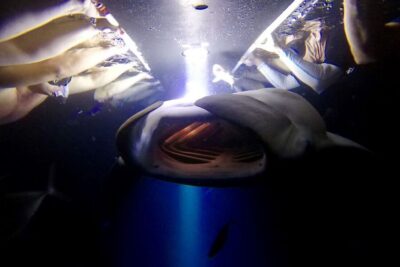 ★ 4.9Night Swim with Manta Ray with Hot ChocolateFrom $146420 reviews
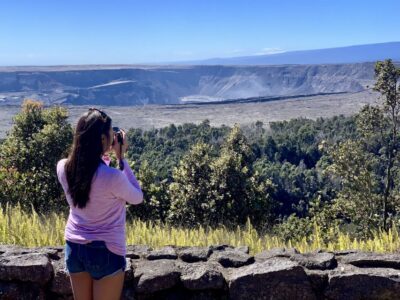 ★ 4.9Volcanoes, Waterfalls, & Coffee Farm Day-TripFrom $264414 reviews
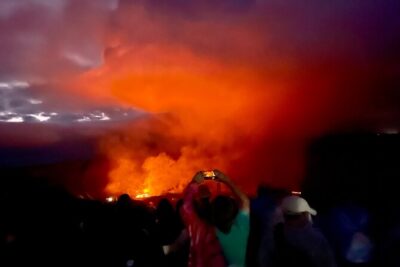 ★ 5.0Small-Group Big Island Tour: Hawaii Volcanoes National Park and Kona Coffee FarmFrom $209343 reviews
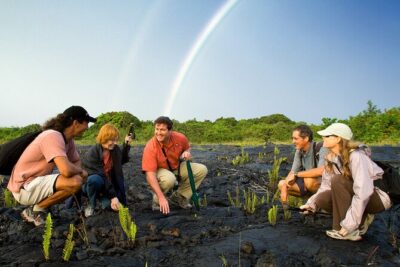 ★ 5.0Volcano, Chocolate and Waterfalls of the Big IslandFrom $308238 reviews
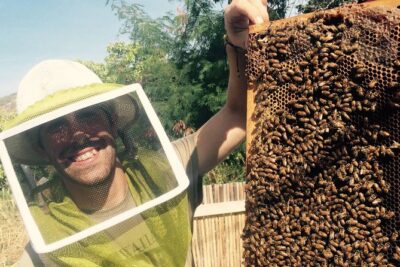 ★ 5.0Experience Our Honey Farm And Beekeeping TourFrom $30167 reviews
Browse the lists this tour appears in