
Reviewed · BIG ISLAND FARM & CHOCOLATE TASTINGS
Hawaiian Rainforest Banana Cultivation Experience
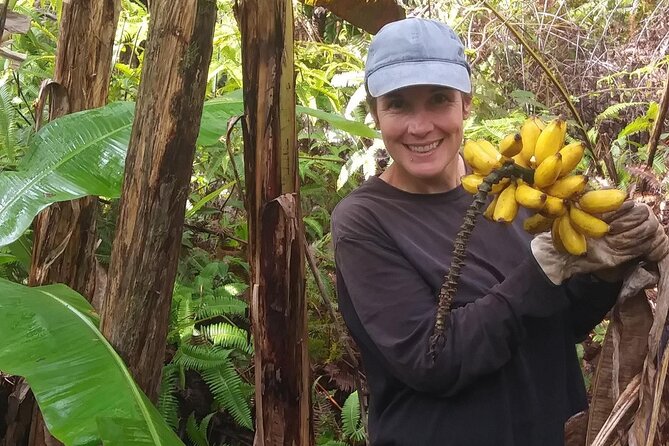
Bananas, but make it real agriculture. This Hawaiian Rainforest Banana Cultivation Experience takes you to apple banana trees on the east side of the Big Island, planted on an 800-year-old lava flow in Fern Forest. You tour about 1 acre with over 200 apple banana trees, plus other tropical plants, and you get the hands-on part that most food tours skip.
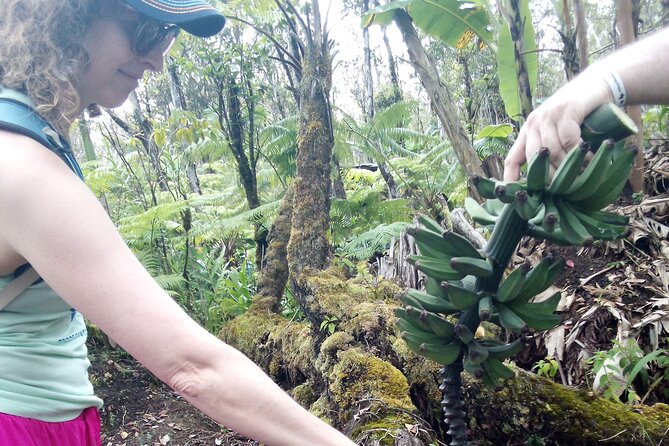
What I like most is the hands-on harvesting experience: you help with propagation, inspect the inner stem/core, and you even cut down the banana tree once it bears fruit. I also like the taste payoff: after harvesting, you sample green bananas with green banana tea, and the tea is surprisingly memorable. The one catch is that the terrain includes exposed lava rock, so bring solid shoes and expect some uneven ground.
Small groups make a difference here. The tour runs about 2 hours, max 6 people, and it’s led in English. You meet at Jungle King Ave in Fern Forest, and the tour ends back at the same spot, so you’re not stuck figuring out logistics while you’re busy looking at plants.
In This Review
- Key highlights you’ll actually care about
- Where the apple banana grove lives on Big Island lava
- The 2-hour flow: from rainforest walk to cutting and tasting
- A note on timing
- Meeting Jason and Nicky: why the farm story matters
- Propagation in practice: making new banana plants
- What you’ll likely notice
- Who this part suits
- The inner stem and edible core: the banana lesson you don’t expect
- A quick practical takeaway
- Harvest and tasting: green bananas and green banana tea
- Terrain reality meets food reward
- Off-grid property details and small extras
- Price and value: $75 for 2 hours of hands-on farming
- Timing matters for value
- What to wear and bring (so the tour feels easy)
- Who should book this banana cultivation experience
- Should you book this tour
- FAQ
- How much does the Hawaiian Rainforest Banana Cultivation Experience cost?
- About how long is the tour?
- Where is the meeting point?
- What language is the tour offered in?
- How many people are in the group?
- What does the tour include for hands-on activities?
- Will I get a food or drink sample?
- Is free cancellation available?
Key highlights you’ll actually care about
- 800-year lava flow setting: apple banana trees growing on an old volcanic surface is the coolest part of the backdrop
- Small group cap (6): you get real attention, not a herd experience
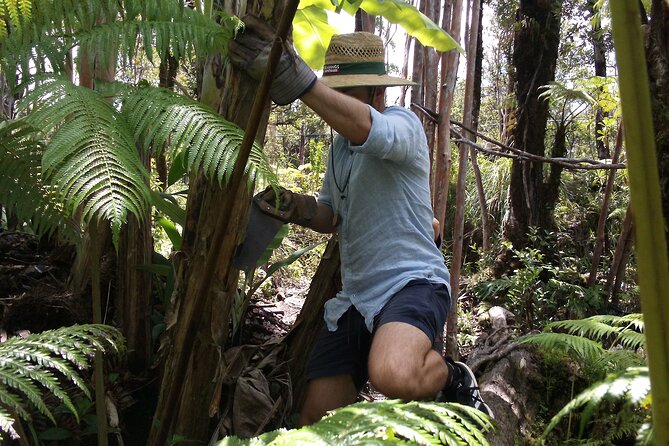
- Hands-on propagation: you get the chance to propagate live trees, not just watch
- Cut, open, and inspect: you examine the inner stem and core and learn what’s edible
- Harvest and tasting included: you’ll harvest fruit directly and sample green bananas plus green banana tea
- Local farm team energy: Jason and Nicky lead with personal stories and a welcoming vibe
More island farm stands, from cacao to sea salt
- Big Island GOAT Experience: Mauna Kea Summit, Sunset & Stars★ 5.0 · 1,706 reviews
- Hawaiian Salt Farm Tour in Kona★ 5.0 · 767 reviews
- Award Winning Farm Tour: Coffee, Chocolate and Unique Gifts★ 5.0 · 484 reviews
- Small-Group Big Island Tour: Hawaii Volcanoes National Park and Kona Coffee Farm★ 5.0 · 343 reviews
Where the apple banana grove lives on Big Island lava
The tour’s location matters because it changes how the whole experience feels. You’re in the Hawaiian rainforest on the east side of the Big Island, in Fern Forest. The property sits on an 800-year-old lava flow, which means the ground isn’t the flat, manicured kind you expect from a typical orchard.
Instead, you’ll be walking a terrain that includes exposed lava rock. That’s not just a trivia fact. It affects comfort and what you’ll notice. You’ll slow down to watch your footing, and you’ll also notice the plants more because you’re moving through a real growing area, not a museum-style exhibit.
You’ll spend time in a 1-acre collection focused on apple banana trees, with over 200 apple banana trees growing there. And because it’s not a single crop-only setup, you’ll also see other tropical plants. That mix is helpful if you’re the type who likes learning how farms actually work—how different plants share space and how the environment shapes growth.
The 2-hour flow: from rainforest walk to cutting and tasting
This experience is built like a tight loop. Expect a guided tour of the collection first, then hands-on work, and then a food-and-drink finish that connects what you just learned to what you taste.
Here’s the practical order of what you’ll do:
- Tour the apple banana collection in the rainforest setting
- Learn planting and cultivation techniques used on the property
- Propagate live trees with hands-on guidance
- Examine the inner stem and learn what to look for
- Harvest fruit directly from the banana tree collection
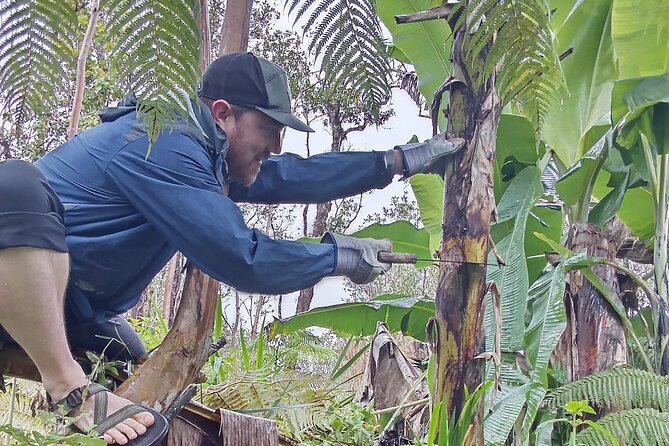
- Cut down the fruiting tree and open the stalk to see the edible core
- Taste green bananas with green banana tea at the end
That sequence is smart. You don’t jump straight to the fun part. You build context first—where these bananas are grown, how they’re cultivated, and what makes apple bananas different from the banana stereotypes in your head.
A note on timing
It runs about 2 hours. That’s long enough to feel like you did something real, but not so long that you’re exhausted before the tasting. If you’re trying to fit this into a busy Big Island day, it’s a good size block.
Meeting Jason and Nicky: why the farm story matters
The human part is one of the biggest reasons this works as a tour, not just a walk through plants. The guides, Jason and Nicky, come across as genuinely invested in their land and how they live off-grid. You’ll hear how they got started, not in a lecture way, but in a way that explains why the farm looks the way it does.
That matters because banana cultivation isn’t just about sunshine and water. It’s about managing a living system—soil, growing conditions, propagation, and timing. When you hear the story alongside the techniques, the whole process makes more sense. You’re not memorizing steps; you’re understanding choices.
And since the group is limited to up to 6 people, you can ask questions and get straight answers. If you’re traveling with kids, this also helps. The hands-on parts give curious people something to do, and the tone stays welcoming for any age that likes to ask why.
Wander deeper into the Kona cloud forest


Propagation in practice: making new banana plants
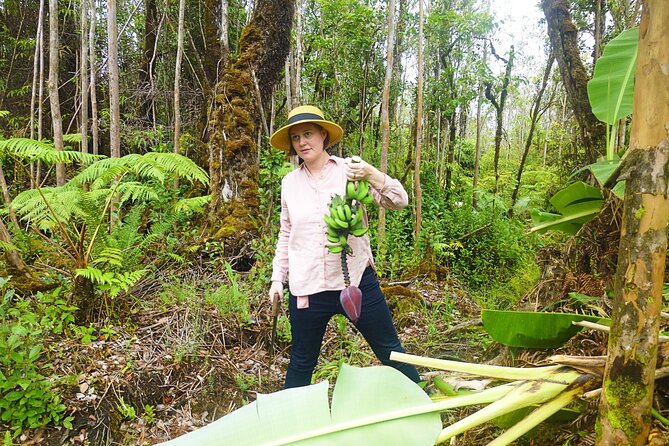
One of the most valuable parts of this tour is the chance to try propagating live trees. That’s the step many farm tours talk about but don’t let you do.
Propagation is where theory becomes tactile. You’ll get direct instruction on how cultivation techniques translate into actual plant starts. You’ll also get to see how this farm thinks long term—because growing food is great, but keeping the system going matters just as much.
What you’ll likely notice
Even if you don’t know banana terminology yet, you’ll come away with a clearer sense of what the plants need to keep growing. You’ll see how farmers look at living material and make decisions based on what they can observe.
Who this part suits
If you like nature education that feels hands-on instead of classroom-style, this is for you. It’s also a great fit if you want your kids to do something besides walk and take photos.
The inner stem and edible core: the banana lesson you don’t expect
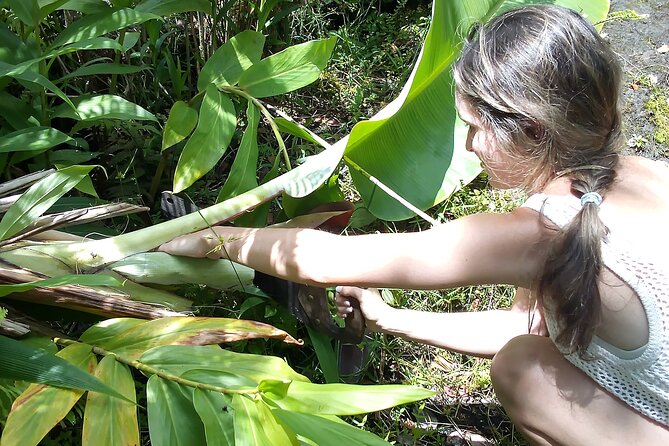
This tour gets specific in a way that feels useful. You don’t just admire banana plants. You’ll examine the inner stem and learn about the inner core.
Then comes the part that surprises a lot of people: you’ll harvest fruit directly, and because once a banana tree bears fruit it must be cut down, you’ll be able to do the cutting. After that, you’ll cut open the inner stalk to see the core, which is described as edible.
That sequence is educational because it reframes how bananas are treated in the real world. Bananas aren’t a forever plant. The fruiting cycle has an end point, and farming means managing that reality.
A quick practical takeaway
If you’re squeamish about cutting or exposed plant parts, this is your heads-up. The tour includes harvesting and cutting as part of the experience, not as a distant viewing activity.
Harvest and tasting: green bananas and green banana tea
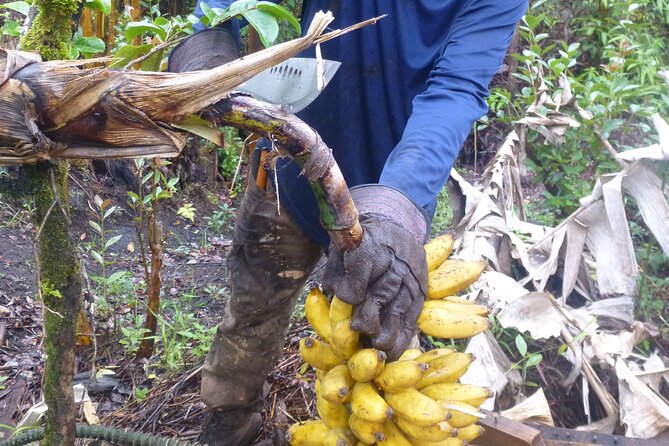
After harvesting, you’ll enjoy a sample of green bananas with green banana tea. If you think you only like bananas when they’re soft and yellow, don’t assume the green version will be worse. Green bananas can taste different, and the tea adds another dimension.
This is also where the tour ties the story together. You’ve just watched cultivation and learned what parts matter. Eating the fruit right afterward helps you connect the process to the result, the way good farm experiences do.
Terrain reality meets food reward
Because you’re on exposed lava rock terrain, you’ll likely feel properly ready for the tasting. This is the kind of outing where you come away with both a memory and a flavor you can’t get from a supermarket shelf.
Off-grid property details and small extras
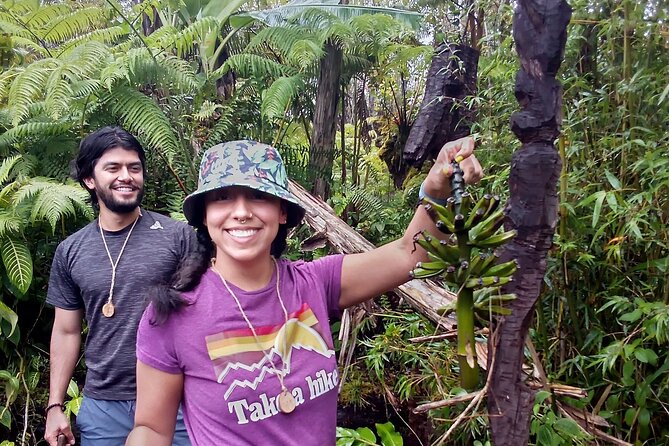
This experience is described as happening on an off-grid property, and you may also get to see elements like the guides’ art while you’re there. In at least one instance, each person received a handmade necklace, which adds a personal touch beyond the food and plants.
Whether you consider those extras essential depends on your travel style. If you love small meaningful takeaways, these kinds of touches make the tour feel more human and less transactional.
Price and value: $75 for 2 hours of hands-on farming
At $75 per person for about 2 hours, this isn’t a bargain-tour price. But it also isn’t a generic sightseeing stop. You’re paying for a few expensive things in travel terms:
- A live working property on lava terrain
- Limited group size (max 6)
- Hands-on participation (propagation, cutting, inspecting the inner stem)
- Harvesting and tasting food and tea that connect directly to what you learned
If you’re the type who likes tours where you leave with skills or a real sense of how something is done, this pricing makes sense. It’s closer to a guided farm workshop than a quick attraction.
Timing matters for value
On average, this is booked about 27 days in advance, so it’s not the kind of thing you want to wait on if you’re traveling during a popular period. If you want your preferred time, plan ahead.
What to wear and bring (so the tour feels easy)
You can’t do this experience in flip-flops unless you enjoy regret.
- Wear good shoes with solid grip. The property includes exposed lava rock.
- Expect some uneven ground as you move between plants and work areas.
- If you’re coming with kids, prioritize footwear and let them know this is an active, hands-on farm visit.
That’s the big one. Everything else is standard for an outdoor rainforest farm setting: you’ll be outside, moving slowly, paying attention to what you’re doing.
Who should book this banana cultivation experience
This tour is a strong match if:
- You like hands-on food education
- You want to understand farming cycles, not just taste a dish
- You’re interested in the Big Island’s rainforest setting on lava ground
- You’re traveling with kids who enjoy getting their hands on real tasks
- You prefer small-group tours with personal attention
It may not be your best fit if:
- You want a low-activity walk with no cutting or harvesting involved
- You struggle with uneven, rocky terrain
Should you book this tour
If you’re looking for a Big Island stop that goes beyond scenic photos and actually connects to cultivation, I’d book it. The best reason is simple: you’re not only learning about apple banana trees; you’re helping with real tasks like propagation and cutting open the inner stalk to see the edible core.
The value also feels fair for what you get, especially with a small group and a built-in tasting of green bananas and green banana tea.
My only caution is the practical one: wear shoes made for lava rock, and be ready for the hands-on harvesting part. If that sounds like your kind of travel day, this is an easy yes.
FAQ
How much does the Hawaiian Rainforest Banana Cultivation Experience cost?
It costs $75.00 per person.
About how long is the tour?
The tour lasts about 2 hours.
Where is the meeting point?
The start and end point is Jungle King Ave, Fern Forest, HI 96778, USA.
What language is the tour offered in?
The tour is offered in English.
How many people are in the group?
There is a maximum of 6 travelers.
What does the tour include for hands-on activities?
You’ll tour the apple banana collection, get hands-on opportunities to propagate live trees, examine the inner stem, and harvest fruit directly from the banana tree collection. You will also be able to do the cutting and cut open the inner stalk to see the core.
Will I get a food or drink sample?
Yes. After harvesting, you’ll enjoy a sample of green bananas with green banana tea.
Is free cancellation available?
Yes. You can cancel up to 24 hours in advance for a full refund.
More Tour Reviews in Big Island of Hawaii
- Big Island in a Day: Volcanoes Waterfalls Sightseeing and History
★ 5.0 · 6,569 reviews - Big Island Manta Ray Night Snorkel
★ 5.0 · 5,656 reviews - Big Island: Kona Manta Ray Snorkel Tour in Keauhou Harbor
★ 4.5 · 2,465 reviews - Hilo Shore Excursion: Volcanoes National Park & Black Sand Beach
★ 4.5 · 2,338 reviews - Big Island: Captain Cook Snorkel On A Power Catamaran With Lunch
★ 5.0 · 2,232 reviews - KONA Manta Ray Night Snorkel – FREE re-ride if no Sightings
★ 5.0 · 2,212 reviews
Into the Kona Cloud Forest
- Big Island Waterfalls Tour with Swimming and Botanical Garden
★ 5.0 · 513 reviews - Kona Cloud Forest Sanctuary Montane Jungle Tour (2.5 hrs)
★ 5.0 · 322 reviews - Kona Cloud Forest Sanctuary Pantropical Tour (1.5 hrs)
★ 5.0 · 51 reviews - Full-Day Hakalau Forest Reserve Bird Watching Adventure
★ 5.0 · 45 reviews - Big Island North Island Jungle Adventure – Self-Guided Audio Tour
★ 4.5 · 13 reviews - Big Island Jungle Tour with Guava Green Tea
★ 5.0 · 9 reviews
Island Farm Stands and Tastings
- Big Island GOAT Experience: Mauna Kea Summit, Sunset & Stars
★ 5.0 · 1,706 reviews - Hawaiian Salt Farm Tour in Kona
★ 5.0 · 767 reviews - Award Winning Farm Tour: Coffee, Chocolate and Unique Gifts
★ 5.0 · 484 reviews - Small-Group Big Island Tour: Hawaii Volcanoes National Park and Kona Coffee Farm
★ 5.0 · 343 reviews - Volcano, Chocolate and Waterfalls of the Big Island
★ 5.0 · 238 reviews - Experience Our Honey Farm And Beekeeping Tour
★ 5.0 · 167 reviews
Just Added: The Newest Big Island Reviews



Big Island Farm & Chocolate Tastings, compared.
 ★ 5.0Big Island GOAT Experience: Mauna Kea Summit, Sunset & StarsFrom $2891,706 reviews
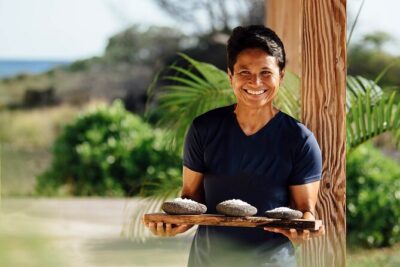 ★ 5.0Hawaiian Salt Farm Tour in KonaFrom $27767 reviews
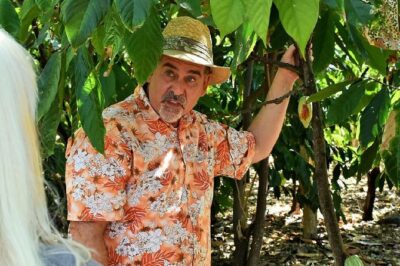 ★ 5.0Award Winning Farm Tour: Coffee, Chocolate and Unique GiftsFrom $50484 reviews
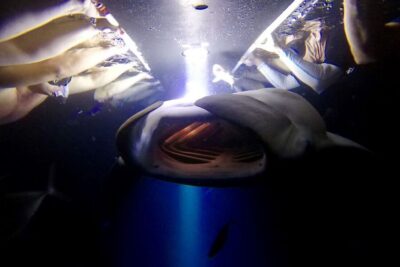 ★ 4.9Night Swim with Manta Ray with Hot ChocolateFrom $146420 reviews
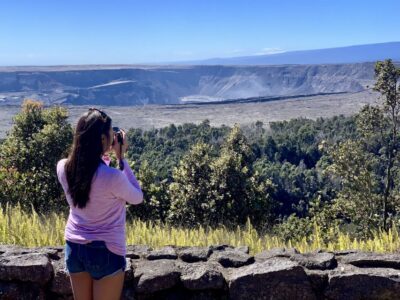 ★ 4.9Volcanoes, Waterfalls, & Coffee Farm Day-TripFrom $264414 reviews
 ★ 5.0Small-Group Big Island Tour: Hawaii Volcanoes National Park and Kona Coffee FarmFrom $209343 reviews
 ★ 5.0Volcano, Chocolate and Waterfalls of the Big IslandFrom $308238 reviews
 ★ 5.0Experience Our Honey Farm And Beekeeping TourFrom $30167 reviews
Browse the lists this tour appears in