
Reviewed · KOHALA & HAMAKUA WATERFALLS
Farm-to-Table Chef’s Dinner at Kulaniapia Falls
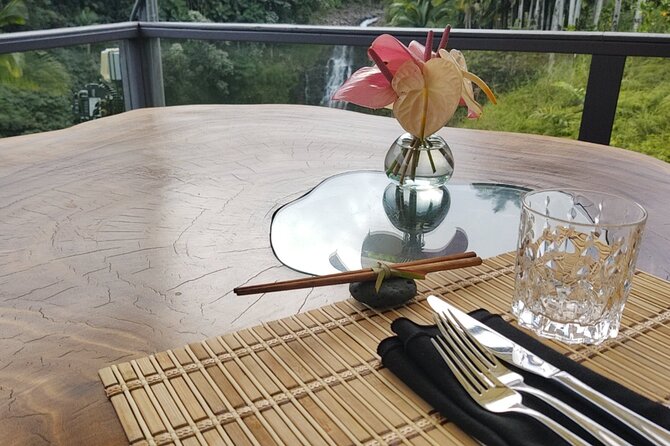
Dinner by a waterfall changes your pace. Kulaniapia Falls sets you up for an al fresco farm-to-table chef’s dinner beside a private cascade, with a menu built from what’s fresh and in season. I like that the experience feels close-up and real, and I also love that you get time to roam the 42 acres of gardens and streams before the meal.
One possible drawback: service can run at a relaxed tempo, so gaps between courses may stretch, and there isn’t much in the way of pre-dinner snacking. If you’re the type who needs constant food, you may find yourself wishing for bread or at least a quick bite while you wait.
The payoff is the whole setting: birdsong, night lights on the falls, and a small group size (up to 12) that keeps the evening conversational instead of chaotic. It’s about 2 hours, starting around 6:30 pm, and there’s an optional wine pairing you can pay for when you arrive.
In This Review
- Key Things I’d Plan Around at Kulaniapia Falls
- Where the Evening Happens: Kulaniapia Falls Is the Main Attraction
- The Grounds Before Dinner: Trails, Water, and a Little Patience
- Chef’s Table, Not a Restaurant: How the 4-Course Dinner Works
- The 80% Hawaiian Ingredients Goal: What That Means on Your Plate
- Waterfall Timing: When the Falls Turn On and the Photos Look Best
- Wine Pairing and Drinks: Optional, and Sometimes Best Added Early
- Price and Value: Paying $249 for Location, Small Group, and Ingredient Work
- When It’s a Great Fit (and When It Isn’t)
- One More Reality Check: Third-Party Communication Can Be a Weak Link
- Should You Book the Farm-to-Table Chef’s Dinner at Kulaniapia Falls?
- FAQ
- Where is the meeting point for this dinner?
- What time does the Chef’s Table at Kulaniapia Falls start?
- How long is the experience?
- How much does it cost?
- How many people are in the group?
- Is the dinner indoors or outdoors?
- Are drinks included?
- Is the menu fixed?
- Can the chef accommodate dietary restrictions?
- Is there a cancellation refund?
Key Things I’d Plan Around at Kulaniapia Falls
- A chef-driven menu that changes daily, with a goal of at least 80% Hawaiian ingredients
- Up to 12 people max, which helps the talk stay personal and the pacing stay calm
- Farm and grounds time before dinner, including trails and a nighttime waterfall lighting moment
- Chef explanations of ingredients and Hawaiian food culture, not just food served and forgotten
- Relaxed course timing, which can be romantic or frustrating depending on your expectations
- Dietary limits can be tricky with third-party bookings, so come ready for chef’s choice
More falls and swimming holes on the wet side
- Big Island in a Day: Volcanoes Waterfalls Sightseeing and History★ 5.0 · 6,569 reviews
- Big Island Zipline Tour Near Akaka Falls (250-ft Waterfall!)★ 5.0 · 1,077 reviews
- Big Island Highlights: Coffee, Volcano, Black Sands & Waterfall★ 5.0 · 1,054 reviews
- Big Island: 8-Zipline & Suspension Bridge Waterfall Adventure★ 5.0 · 914 reviews
Where the Evening Happens: Kulaniapia Falls Is the Main Attraction
Kulaniapia Falls doesn’t feel like a standard restaurant stop. The dining space is outdoors, and the waterfall is the constant backdrop. That matters more than you might think: you’re not just eating with a view, you’re building your whole evening around the sound, the light, and the cool air that comes off water.
The location also gives the dinner a feeling of being in its own little world. Reviews and the property’s setup point to a place that’s more “walk around and take it in” than “arrive, sit, and wait for plates.” Before the first course, you’ll have a chance to enjoy the grounds—trees, streams, and that sense of being surrounded by the island.
Timing helps here. With a start time around 6:30 pm, you’re likely catching that stretch when day fades, birds are still active, and the falls look especially photogenic. Then, once it gets dark, the waterfall lighting turns on for night viewing. If photos are part of your plan, this is one of those moments where it’s worth waiting for the lighting rather than rushing straight to dinner.
The Grounds Before Dinner: Trails, Water, and a Little Patience
A big part of the experience is the time you spend on the 42-acre property before you’re seated. You’re not stuck in a parking lot. You can explore the gardens and streams, and you may also have a chance to walk a bamboo trail toward the waterfall area.
Here’s the practical note: timing your arrival is key. One account of the evening described arriving far earlier than the setting was ready for, which made the waiting awkward. Another described arriving about 1.5 hours early and still having enough time to hike the bamboo trail and get to the waterfall area comfortably.
So, if you have the choice, I’d aim for a buffer that lets you walk, then gives you time to settle without standing around with nothing to do. The dinner is the point, but the grounds are the teaser.
And yes—night nature can be part of the show. One diner highlighted birdsong and fireflies lighting up the area. If you’re the type who slows down for small moments, you’ll appreciate this more than the quick, check-the-box crowd.
Chef’s Table, Not a Restaurant: How the 4-Course Dinner Works
This is a chef’s table style dinner, and the format shows in the details. You’re not in a big dining room with a menu and a predictable rhythm. Instead, it’s casual and small, and the culinary team builds the menu from what’s freshest that day.
The stated structure is a 4-course meal with chef’s choice items for starter and main courses, plus dessert. In practice, you may see variation in how many courses you receive and how the menu is paced, because it’s designed around what’s available and what the chef wants to highlight that night. Either way, think “tasting menu style” rather than “order what you want and be done.”
The pacing is the swing factor. Some people loved the slow, unfolding feel—others felt the wait between courses dragged. One diner mentioned long gaps, even up to about 30 minutes between certain courses, and said the meal felt cold and over-salted when the main finally arrived. That’s not something you should ignore.
If you’re sensitive to delays, come with the right expectation: this is an evening experience. You’ll likely spend time talking, looking at the waterfall, and waiting for the next course to arrive. If you’re hungry-hungry, you may want to manage expectations beforehand (or make sure your arrival timing doesn’t turn the wait into a full-on hangry situation). There also isn’t a strong emphasis on bread or snack service while you wait, which can make the early minutes feel long.
The 80% Hawaiian Ingredients Goal: What That Means on Your Plate
The culinary philosophy here is one of daily sourcing. The goal is to present at least 80% Hawaiian ingredients, so the menu isn’t pretending local food is a gimmick. It’s meant to show the real range of what the islands grow, fish, and cook with.
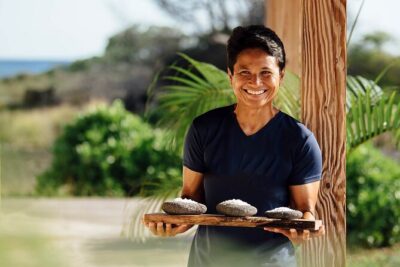
That’s where the experience goes beyond just eating. The chefs are set up to explain the sources of local ingredients and to share context about Hawaiian food traditions—how ingredients are used, what influences flavors, and why certain combinations make sense in island cuisine.
This is also where chef personality matters. People specifically praised chefs like Rachel and Jesse for making the flavor profile feel understandable rather than mysterious. One comment even said they didn’t truly get what “flavor profile” meant until they experienced the dinner. That’s the kind of education you can actually feel while you’re eating: the meal teaches your palate.
If you love food culture but hate lectures, this hits a sweet spot. The talks seem designed to be part of the meal, not a separate program. And because the group is small, the conversation can be easier to jump into.
More island farm stands, from cacao to sea salt


Waterfall Timing: When the Falls Turn On and the Photos Look Best
One of the most consistently mentioned moments is the lighting of the waterfall after dark. As soon as night settles, lights turn on for viewing, and that creates a strong visual backdrop for both photos and the mood.
This is also where the outdoor setting becomes more than scenery. The change in light can make the night feel different from the early part of dinner. Some people described watching the waterfall while they enjoyed courses, and the overall effect sounded like a calm, almost cinematic setting.
If you’re planning photography, give yourself enough time near dinner start so you’re not rushing once the lights come on. You’ll likely want to be seated or at least positioned well before that lighting moment so you don’t miss it.
Wine Pairing and Drinks: Optional, and Sometimes Best Added Early
Wine pairing is available as an option, paid separately on arrival. Whether it feels easy or slightly limited may depend on what’s set up that night.
One diner suggested ordering a wine flight ahead of time because there were issues getting the pairing on-site during their dinner window. They said wine options were limited at the time, with a single-choice bottle available instead of the flight they wanted.
So here’s the practical takeaway: if wine matters to your plan, treat the pairing like something you should confirm early rather than expecting it to appear smoothly at the last minute.
Even if you skip wine, don’t assume soft drinks will be a non-issue. The information provided focuses on the wine pairing as optional, not on broader drink inclusions. If you care about specific beverage needs, I’d consider planning to buy what you want on-site or pair the dinner with drinks you enjoy before you arrive.
Price and Value: Paying $249 for Location, Small Group, and Ingredient Work
At $249 per person for about 2 hours, this isn’t a cheap dinner. The value comes from what you’re paying for: the private waterfall setting, the small group limit, and the effort to source and prepare a daily menu that leans heavily on Hawaiian ingredients.
In a typical restaurant, you pay for food, service, and a space. Here, you’re also paying for access to the property and for an atmosphere that you can’t easily replicate in town. Also, because it’s a chef-driven format, you’re buying the “why” behind the meal, not just the calories.
That said, the experience lives or dies on execution. Some evenings sound perfectly timed with excellent food and attention. Others include complaints about cold, overly salted dishes or service gaps that feel like the group wasn’t prioritized. When you pay this kind of money, it’s smart to expect high standards and also recognize that outdoor, small-format service can occasionally wobble.
If you’re the type who values setting and food education almost equally, this price can feel reasonable. If you mainly want a predictable, fast restaurant flow, you may feel the cost more sharply.
When It’s a Great Fit (and When It Isn’t)
This chef’s dinner style fits best when you want more than a meal. You’ll likely love it if:
- you want a special evening on the Big Island that doesn’t feel like a cookie-cutter dinner
- you enjoy island food and want the ingredient stories
- you’re okay with a relaxed pace and a bit of time outdoors
- you like small-group conversation
It might not be ideal if:
- you’re strongly sensitive to delays between courses
- you need lots of snack support while you wait
- dietary needs are strict, especially if you book through a third party
That dietary point is important. The dinner notes say dietary restrictions can’t be accommodated when booked through third parties, so you should come prepared to eat what the chef creates. If you have restrictions, don’t assume they’ll be handled. Plan your booking method carefully and confirm your needs before you arrive.
One More Reality Check: Third-Party Communication Can Be a Weak Link
A theme that comes up around this kind of experience is communication. There have been instances where a reservation got canceled or not handled smoothly, and the messaging didn’t reach the host in time. In at least one situation, the venue said they tried contacting someone and that issues may have been on the third-party side.
You can’t control everything. But you can reduce risk. If you’re booking through a reseller, I’d still do the simple safety steps: double-check your reservation details, keep your contact info correct, and confirm the plan directly with the provider if you have any doubts as the date gets close.
Also, because dinner is tied to a specific evening and a specific chef, you’re not comparing menu options at home. If that kind of uncertainty would ruin your trip, build in time flexibility elsewhere in your schedule.
Should You Book the Farm-to-Table Chef’s Dinner at Kulaniapia Falls?
Book it if you want a standout Big Island night built around a waterfall, local ingredients, and a chef-led experience. The best moments—walking the grounds, hearing about ingredients, and watching the waterfall light up at night—are exactly the kind of memory that sticks.
Skip it (or rethink it) if you need a fast, restaurant-style meal rhythm, if you can’t tolerate delays, or if your dietary restrictions must be handled with strict care. The format is designed for chef’s choice, and the outdoor pacing isn’t built for people who want everything on a tight clock.
If you do go, arrive with the right expectation: this is an evening experience first, dinner second. Give yourself time on the property without overdoing it, and treat the waiting as part of the setting. When it clicks, it’s the kind of night that feels like you came to the right island for the right reason.
FAQ
Where is the meeting point for this dinner?
The meeting point is 100 Kulaniapia Dr, Hilo, HI 96720, USA. The experience ends back at the meeting point.
What time does the Chef’s Table at Kulaniapia Falls start?
Start time is 6:30 pm.
How long is the experience?
The duration is about 2 hours.
How much does it cost?
The price is $249.00 per person.
How many people are in the group?
The maximum group size is 12 travelers.
Is the dinner indoors or outdoors?
It’s an al fresco farm-to-table dinner by a waterfall in a casual, outdoor setting.
Are drinks included?
An optional wine pairing is available for an extra cost paid separately on arrival.
Is the menu fixed?
No. The menu is created daily based on what is fresh, local, and in season, with chef’s choice items.
Can the chef accommodate dietary restrictions?
If you book through third parties, dietary restrictions cannot be accommodated. The guidance is to come prepared to eat anything the chef creates.
Is there a cancellation refund?
Yes. Free cancellation is available up to 24 hours in advance for a full refund.
More Tour Reviews in Big Island of Hawaii
- Big Island in a Day: Volcanoes Waterfalls Sightseeing and History
★ 5.0 · 6,569 reviews - Big Island Manta Ray Night Snorkel
★ 5.0 · 5,656 reviews - Big Island: Kona Manta Ray Snorkel Tour in Keauhou Harbor
★ 4.5 · 2,465 reviews - Hilo Shore Excursion: Volcanoes National Park & Black Sand Beach
★ 4.5 · 2,338 reviews - Big Island: Captain Cook Snorkel On A Power Catamaran With Lunch
★ 5.0 · 2,232 reviews - KONA Manta Ray Night Snorkel – FREE re-ride if no Sightings
★ 5.0 · 2,212 reviews
Island Farm Stands and Tastings
- Big Island GOAT Experience: Mauna Kea Summit, Sunset & Stars
★ 5.0 · 1,706 reviews - Hawaiian Salt Farm Tour in Kona
★ 5.0 · 767 reviews - Award Winning Farm Tour: Coffee, Chocolate and Unique Gifts
★ 5.0 · 484 reviews - Small-Group Big Island Tour: Hawaii Volcanoes National Park and Kona Coffee Farm
★ 5.0 · 343 reviews - Volcano, Chocolate and Waterfalls of the Big Island
★ 5.0 · 238 reviews - Experience Our Honey Farm And Beekeeping Tour
★ 5.0 · 167 reviews
Falls on the Wet Side
- Big Island in a Day: Volcanoes Waterfalls Sightseeing and History
★ 5.0 · 6,569 reviews - Big Island Zipline Tour Near Akaka Falls (250-ft Waterfall!)
★ 5.0 · 1,077 reviews - Big Island: 9-Line Waterfall Zipline Experience
★ 5.0 · 1,057 reviews - Big Island Highlights: Coffee, Volcano, Black Sands & Waterfall
★ 5.0 · 1,054 reviews - Big Island: 8-Zipline & Suspension Bridge Waterfall Adventure
★ 5.0 · 914 reviews - Big Island Waterfalls Tour with Swimming and Botanical Garden
★ 5.0 · 513 reviews
Just Added: The Newest Big Island Reviews



Kohala & Hamakua Waterfalls, compared.
 ★ 5.0Big Island in a Day: Volcanoes Waterfalls Sightseeing and HistoryFrom $2646,569 reviews
 ★ 5.0Big Island Zipline Tour Near Akaka Falls (250-ft Waterfall!)From $2461,077 reviews
 ★ 5.09-Line Waterfall Zipline ExperienceFrom $2531,057 reviews
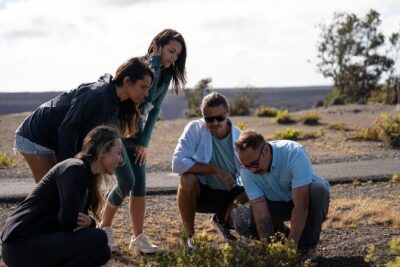 ★ 5.0Big Island Highlights: Coffee, Volcano, Black Sands & WaterfallFrom $2991,054 reviews
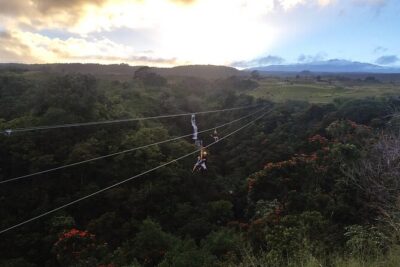 ★ 5.08-Zipline & Suspension Bridge Waterfall AdventureFrom $237914 reviews
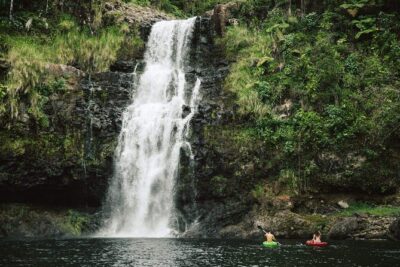 ★ 5.0Big Island Waterfalls Tour with Swimming and Botanical GardenFrom $297513 reviews
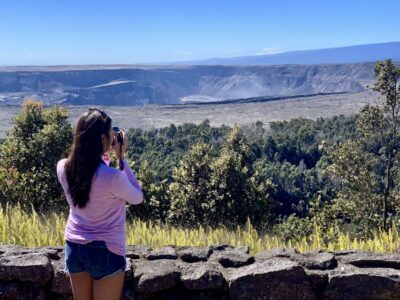 ★ 4.9Volcanoes, Waterfalls, & Coffee Farm Day-TripFrom $264414 reviews
 ★ 5.0Hilo Shore Excursion: Active Volcano, Lava Tube, Waterfall and GardensFrom $187393 reviews
Browse the lists this tour appears in