
Reviewed · BIG ISLAND FARM & CHOCOLATE TASTINGS
Big Island: Abalone Farm Guided Tour with Tasting
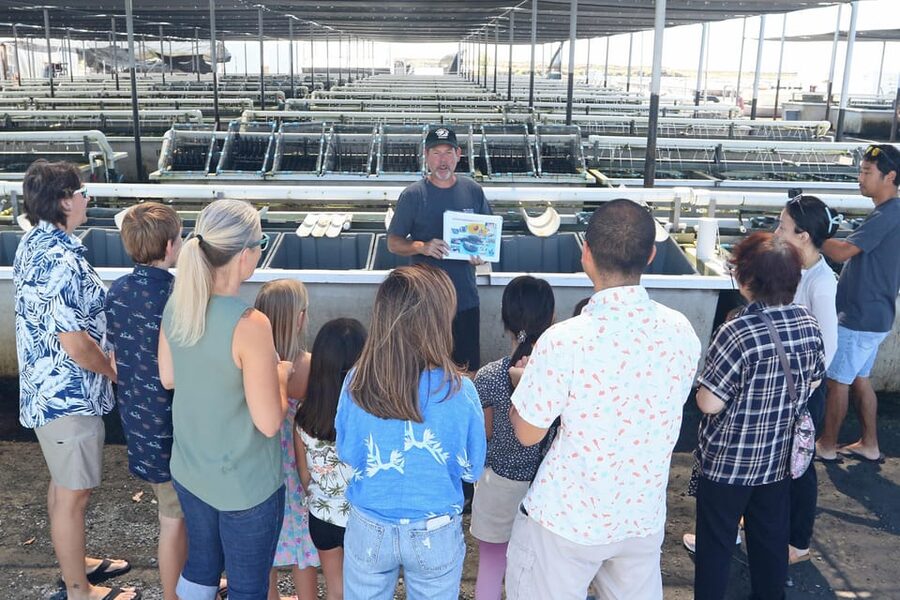
A tank full of abalone can teach you a lot fast. This guided farm visit shows how abalone are raised over months and years, then you get to try the results with a proper tasting. It is hands-on, food-forward, and way more practical than you might expect from a seafood stop.
I especially love the organic, sustainable setup and the fact that your guide explains the whole production chain. I also like the tasting portion, with both grilled abalone in the shell and a canned sample that helps you compare flavors and textures. If you’re curious about how “fresh” gets made, this tour gives you the map.
One possible drawback: the tour is not suitable for wheelchair users, so if mobility is an issue, you’ll want to plan carefully before booking.
In This Review
- Key takeaways (what makes this tour worth your hour)
- A 1-hour abalone farm tour that turns science into dinner
- Getting to 73-357 Makako Bay Dr and finding the check-in
- The guided format: what you’ll actually do on the tour
- Organic and sustainable growing: why abalone takes so long
- Breeding and handling: when the guide brings you closer
- Dulse seaweed tanks: the diet lesson you can actually taste
- The tasting: grilled abalone in a shell plus canned
- Who this tour suits best (and who might not love it)
- Price and value: is $31 per person worth it?
- Tips to make the most of your hour
- Should you book the Big Island Abalone Guided Tour?
- FAQ
- How long is the Big Island Abalone Farm guided tour?
- How much does it cost per person?
- Where do I check in?
- What’s included in the tour?
- What will I taste during the session?
- Is there a discount for shopping?
- What language is the tour guide?
- Is the tour wheelchair accessible?
- Can I cancel for a refund?
- Are there different starting times?
Key takeaways (what makes this tour worth your hour)
- Meet abalone where they’re raised, with a tour that connects feeding, breeding, and growth stages.
- Up to 10 years of growth gets explained in plain language, with demonstrations along the way.
- You may hold abalone while learning about the breeding and growing process.
- Dulse seaweed tanks show how a “superfood” supports the animals’ diet and doubles as a snack.
- Tasting is the payoff, including grilled abalone in the shell plus canned abalone.
- A shop discount is included, so you’re not ending empty-handed.
More island farm stands, from cacao to sea salt
- Kona Salt Farm: Deep Ocean Cold Water Mineral Foot Soak★ 4.7 · 23 reviews
A 1-hour abalone farm tour that turns science into dinner
If you think abalone only belongs on restaurant menus, this tour changes that view quickly. You’ll see the real farm work behind the shell, and you’ll hear how a small animal becomes a repeatable food source. It’s guided the whole time, so you’re not just walking past tanks and guessing.
This is the kind of activity I recommend when you want something more grounded than a photo stop. You’re learning how the product is produced, and then you’re tasting it while it’s still fresh in your brain. Even better, the guide keeps it practical, so the story doesn’t feel like a lecture.
Getting to 73-357 Makako Bay Dr and finding the check-in
Plan your timing around the tour’s starting times, since this runs on a schedule and you’ll need to check availability for the exact start. When you arrive, the meeting point is at the farm office at 73-357 Makako Bay Dr.
Check in at the blue building right after the entrance. It’s a small detail, but it matters because this is a short, focused tour. If you’re late, you’ll miss part of the instruction and the tasting window that follows.
Also note: the tour runs about 1 hour, so it fits well into a morning or afternoon slot on the Big Island without swallowing your whole day.
The guided format: what you’ll actually do on the tour
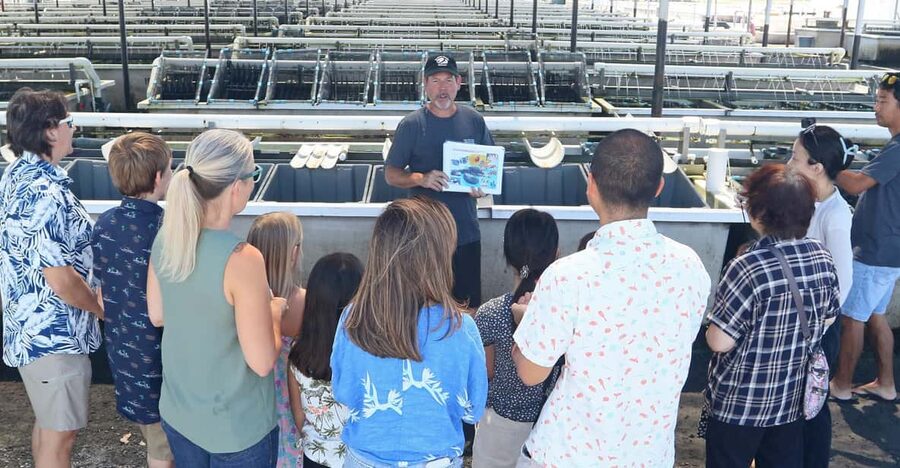
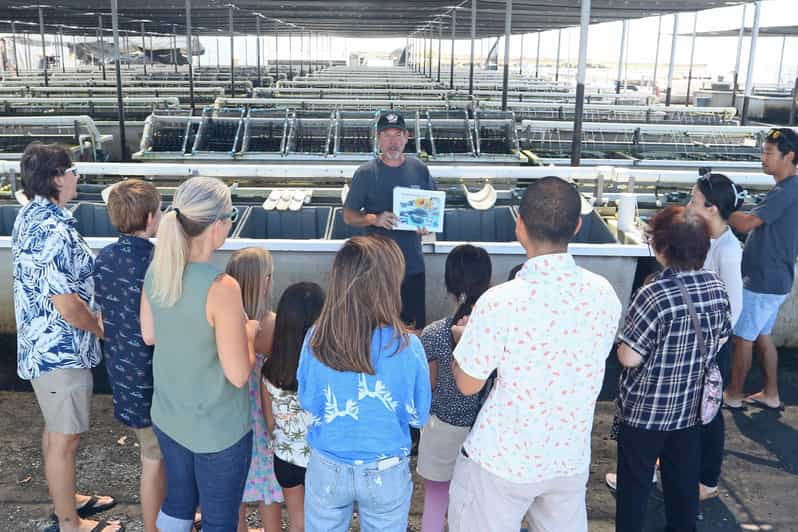
This is a live, English-language guided tour. You’ll get a welcome and a short history of the deep-water research that supports the abalone work. After that, your guide walks you through how the farm functions and what makes its approach 100% organic and sustainable.
Here’s the vibe: you are moving through facilities where abalone production is happening, and you’re hearing what each part of the process is for. It helps if you’re the type of person who likes to connect the dots between how something grows and how it ends up on your plate.
In my view, the best part of guided tours like this is that they prevent that awkward moment of standing in front of tanks thinking, Okay… what am I looking at? The guide keeps you oriented, and you leave knowing what matters.
Organic and sustainable growing: why abalone takes so long
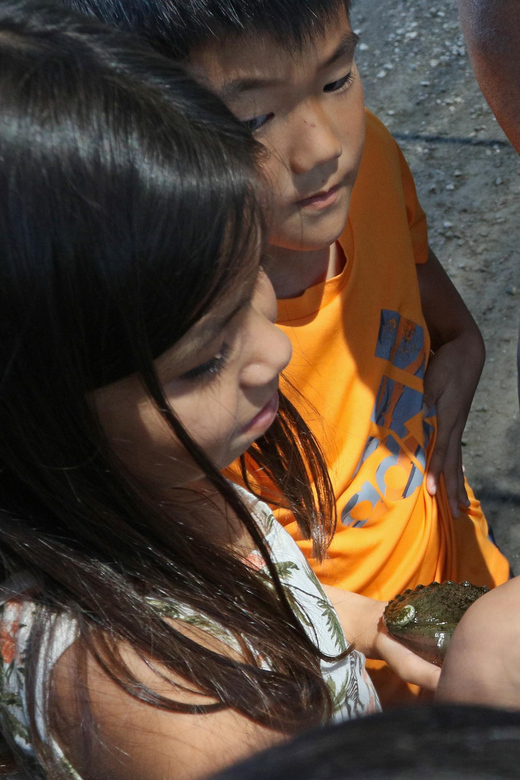
Abalone farming has patience built into it. During your visit, you’ll hear about stages of growth that can last up to 10 years. That single detail is a big deal, because it explains why abalone isn’t a casual seafood harvest. It’s a long-term operation.
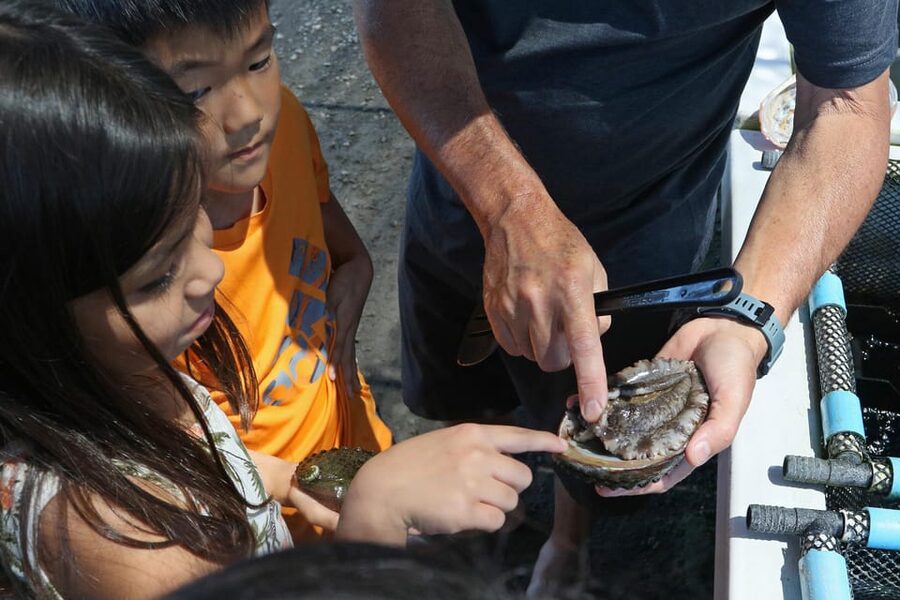
You’ll get demonstrations of the different stages, and your guide explains the “why” behind the time investment. You’ll also hear about breeding, and you may even be invited to hold some of the animals if the tour schedule and flow allow.
That hands-on moment is one of the reasons I think this tour works. It turns an abstract food topic into something physical and memorable. And since the guide is explaining at each step, your questions will feel natural instead of random.
If you’re a foodie, the takeaway is simple: the farm’s timeline is part of the product. If you’re a traveler who likes science, the takeaway is also simple: you’re watching a living cycle that demands careful conditions, not shortcuts.
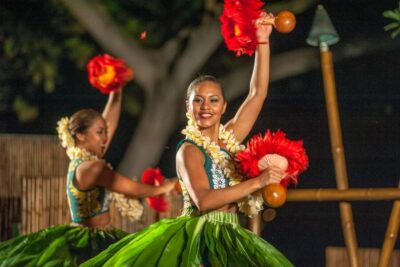




Breeding and handling: when the guide brings you closer
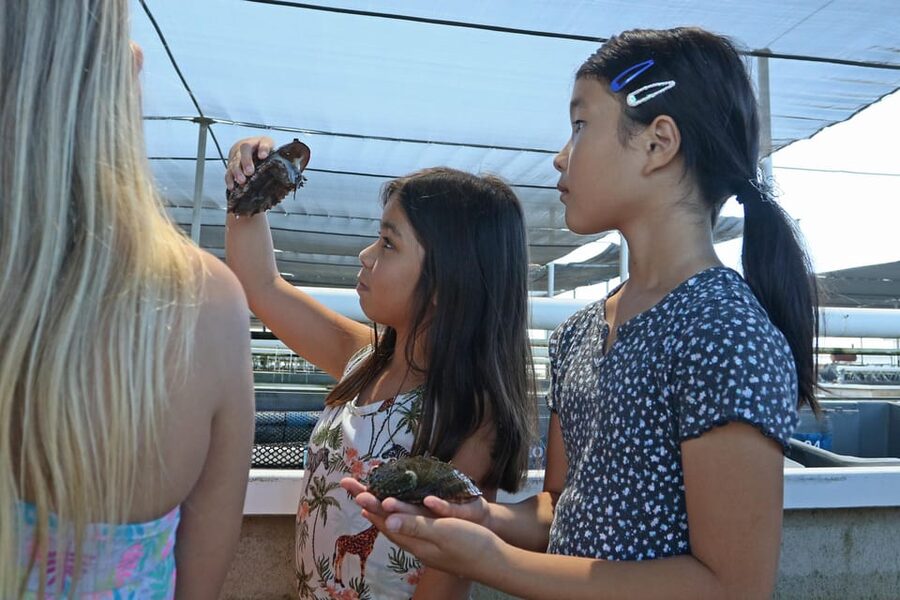
You’ll hear about the breeding process and learn how abalone production is managed over time. The tour also includes a chance to hold abalone, which makes the experience feel less like sightseeing and more like learning with your hands.
I like that the tour frames handling as part of understanding, not just a gimmick. When the guide talks you through growth and breeding, holding the abalone helps you connect the animal you’re touching with the timeline you’re hearing about.
One practical note: you’ll likely want to follow the guide’s instructions closely. Handling any marine animal is not about rushing. Treat it calmly, and you’ll get the most from that moment.
Dulse seaweed tanks: the diet lesson you can actually taste
Between abalone steps, you’ll tour the organic dulse seaweed growing tanks. Dulse is described as a superfood and also as a food you can eat.
This part of the tour is more than a side stop. It’s where you learn what the abalone are fed, which matters if you care about flavor and quality. It also adds a second layer to the story: you’re not just seeing animals being raised, you’re seeing the plant ingredient that supports that process.
If you like tasting menus, think of this like the ingredient chapter of the book. You’ll walk away knowing why the farm talks about seaweed as part of the system, not as a marketing add-on.
The tasting: grilled abalone in a shell plus canned
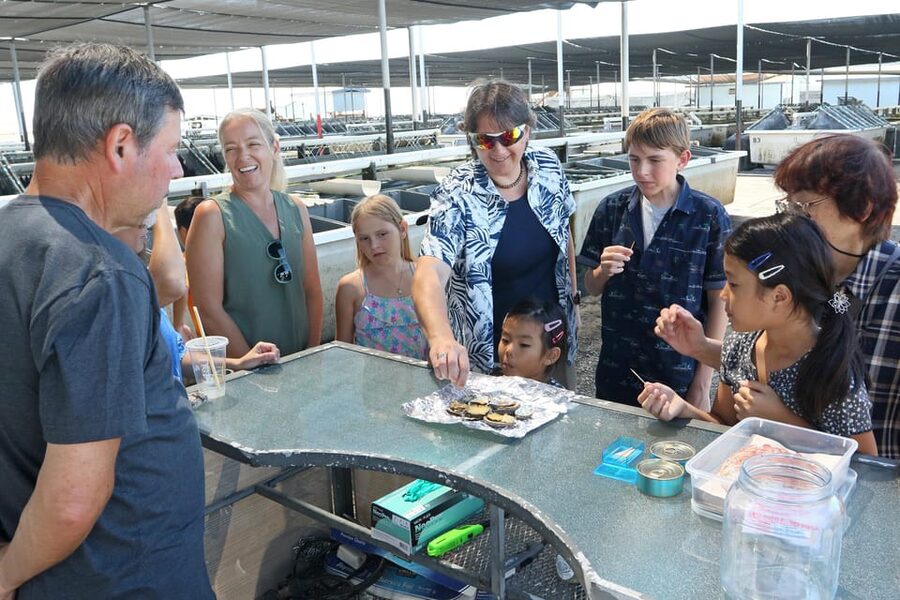
This is where the tour earns its keep. You finish with a tasting session that includes both:
- Grilled abalone in the shell
- A canned abalone tasting
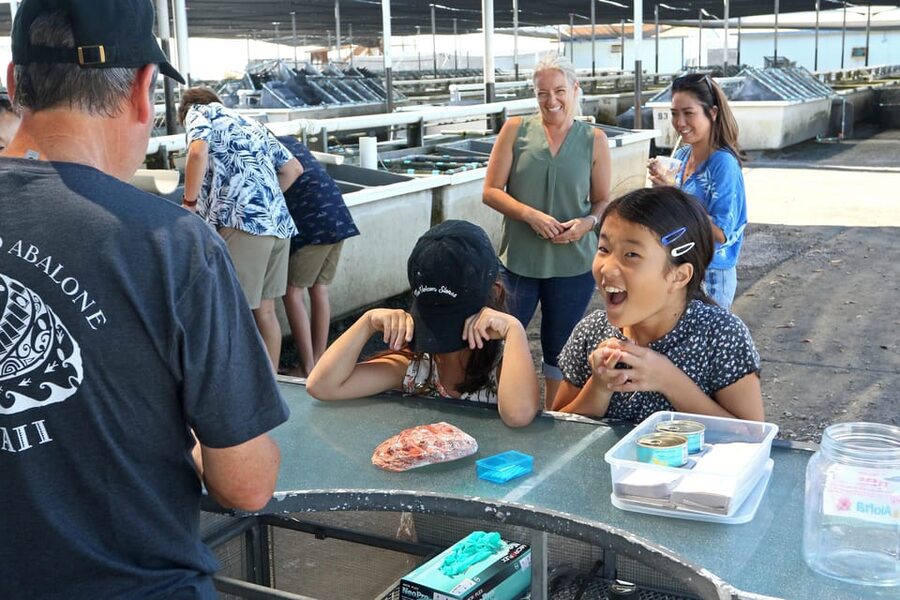
Comparing those two forms is genuinely useful. The grilled-in-shell option helps you understand the animal’s flavor when prepared simply and fresh. Then the canned sample lets you compare texture and taste in a processed form.
I also like that your guide ties the tasting back to what you learned during the tour. That means you’re not just eating; you’re evaluating with context. You’ll taste with a sharper question in mind, like How does the farm process show up in the final bite?
From the tour experience I’d suggest you come hungry. The tasting is the payoff, and it’s easier to enjoy when you’re ready for it rather than trying to fit it between meals.
Who this tour suits best (and who might not love it)
This tour is a great fit if you:
- Want a guided, practical look at how seafood is produced
- Like hands-on learning, including the chance to hold abalone
- Enjoy food experiences that come with real context
It may not be your best choice if:
- You need wheelchair accessibility, because it is not suitable for wheelchair users
- You’re expecting a long beach-style scenic walk. This is a production tour with facilities and instruction, not an open-air stroll
Also, it’s ideal for couples and small groups who want something different from Big Island sightseeing. You’ll learn and eat in the same hour.
Price and value: is $31 per person worth it?
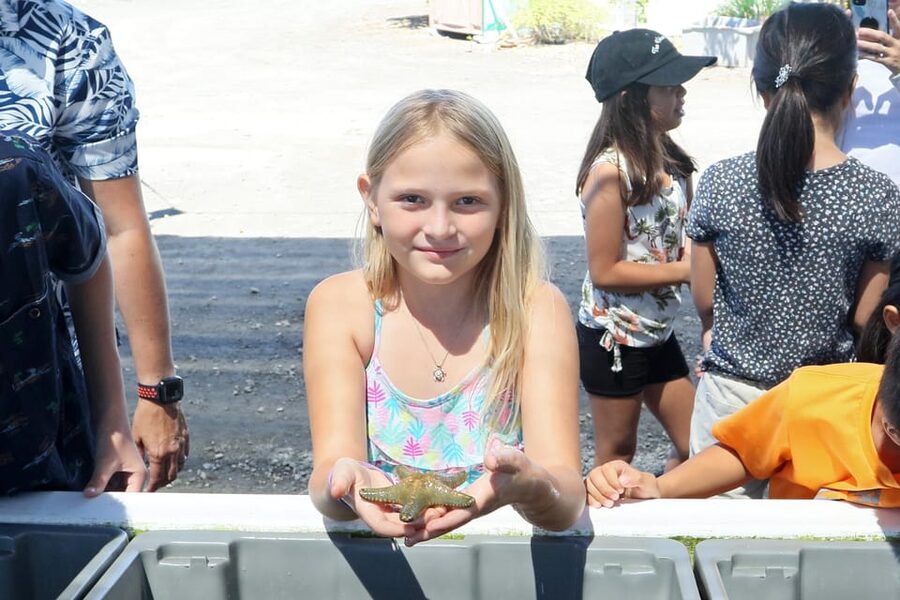
At $31 per person for about 1 hour, this isn’t a “cheap snack” activity. It’s priced like a guided food-and-farm lesson, and that’s exactly what it is.
Here’s why the value can work:
- You get a live guide for the full hour, which turns the farm into an explainable experience
- You get the tasting payoff, including two different abalone preparations
- You also receive a 10% shopping discount, which can be helpful if you plan to pick up abalone products afterward
The real value question is whether you’ll use the tasting. If you enjoy learning and you like comparing flavors, you’ll feel like you got your money’s worth quickly. If you only want a quick bite and don’t care about how the process works, you might find it a bit pricier than you hoped.
Tips to make the most of your hour
A few things will help you enjoy it more:
- Ask questions early. The guide covers breeding, growth stages, and feeding, and early curiosity usually gets better answers.
- Save appetite for the tasting. The grilled abalone and canned sample are the highlight.
- Wear comfortable shoes. You’ll be moving through a working farm environment.
- If you get offered the chance to hold abalone, take it calmly and follow instructions.
One more practical note: the guide can matter. One of the tour guides you may meet is Kale, and the reviews highlight the kind of fun facts that make the tour feel lively instead of stiff. If you’re lucky enough to get Kale’s group, lean into it.
Should you book the Big Island Abalone Guided Tour?
I’d book it if you want a short, high-impact experience that blends farm education with eating. The mix of organic and sustainable farming, the focus on a multi-year growth cycle, and the tasting of both grilled and canned abalone makes it feel like more than a one-note food stop.
I’d skip it if you need wheelchair accessibility or you’re mainly looking for scenic sightseeing. Also, if you strongly dislike seafood in general, the tour’s center point is still abalone, so it won’t match your tastes.
FAQ
How long is the Big Island Abalone Farm guided tour?
It runs for about 1 hour.
How much does it cost per person?
The price listed is $31 per person.
Where do I check in?
Check in at the farm office at 73-357 Makako Bay Dr, in the blue building right after the entrance.
What’s included in the tour?
The tour includes a guided visit and an abalone tasting.
What will I taste during the session?
You’ll taste grilled abalone in the shell and a canned abalone option.
Is there a discount for shopping?
Yes, a 10% shopping discount is included.
What language is the tour guide?
The tour is guided in English.
Is the tour wheelchair accessible?
No, it is not suitable for wheelchair users.
Can I cancel for a refund?
Free cancellation is available up to 24 hours in advance for a full refund.
Are there different starting times?
Yes, you’ll need to check availability to see starting times.
More Tours in Kailua Kona
- From Hawaii: Historical Dinner Cruise Tour to Kealakekua Bay
★ 4.8 · 198 reviews - Kona: Manta Ray Snorkel Tour, Guaranteed or Come Again Free
★ 4.6 · 78 reviews - Kona: Captain Cook Snorkel Tour
★ 4.7 · 35 reviews - Kailua Kona: Dolphin, Sea Cave and Captain Cook Snorkel Tour
★ 4.5 · 14 reviews - Kona Hi, Sunset Manta Ray Tour 10 passengers maximum
★ 5.0 · 14 reviews - Big Island: Manta Ray Snorkel Boat Tour
★ 4.4 · 12 reviews
More Tour Reviews in Kailua Kona
- Kailua-Kona: Voyagers of the Pacific Luau with Buffet Dinner
★ 4.4 · 564 reviews - Kailua-Kona: Manta Ray Watching Nighttime Boat Trip
★ 4.8 · 488 reviews - From Hawaii: Historical Dinner Cruise Tour to Kealakekua Bay
★ 4.8 · 198 reviews - Kailua-Kona: Captain Cook Reef Catamaran Day Trip with Lunch
★ 4.8 · 189 reviews - Kona: Manta Ray Snorkel Tour, Guaranteed or Come Again Free
★ 4.6 · 78 reviews - Kona: Captain Cook Snorkel Tour
★ 4.7 · 35 reviews
Island Farm Stands and Tastings
- Kona Salt Farm: Deep Ocean Cold Water Mineral Foot Soak
★ 4.7 · 23 reviews
Just Added: The Newest Big Island Reviews

Big Island Farm & Chocolate Tastings, compared.
 ★ 5.0Big Island GOAT Experience: Mauna Kea Summit, Sunset & StarsFrom $2891,706 reviews
 ★ 5.0Hawaiian Salt Farm Tour in KonaFrom $27767 reviews
 ★ 5.0Award Winning Farm Tour: Coffee, Chocolate and Unique GiftsFrom $50484 reviews
 ★ 4.9Night Swim with Manta Ray with Hot ChocolateFrom $146420 reviews
 ★ 4.9Volcanoes, Waterfalls, & Coffee Farm Day-TripFrom $264414 reviews
 ★ 5.0Small-Group Big Island Tour: Hawaii Volcanoes National Park and Kona Coffee FarmFrom $209343 reviews
 ★ 5.0Volcano, Chocolate and Waterfalls of the Big IslandFrom $308238 reviews
 ★ 5.0Experience Our Honey Farm And Beekeeping TourFrom $30167 reviews
Browse the lists this tour appears in