
Reviewed · KOHALA & HAMAKUA WATERFALLS
Historic Hilo Bay Waterfalls by Kayak
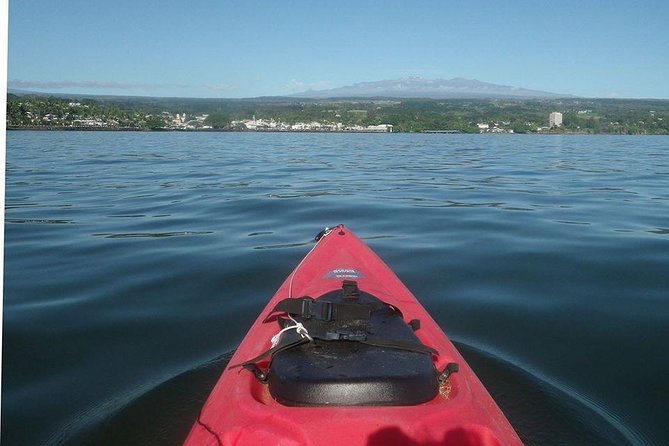
Hilo Bay changes when you’re on the water. This guided kayak trip turns a quick shoreline walk into a calmer, story-filled route through rivers, beaches, and the history around Hilo.
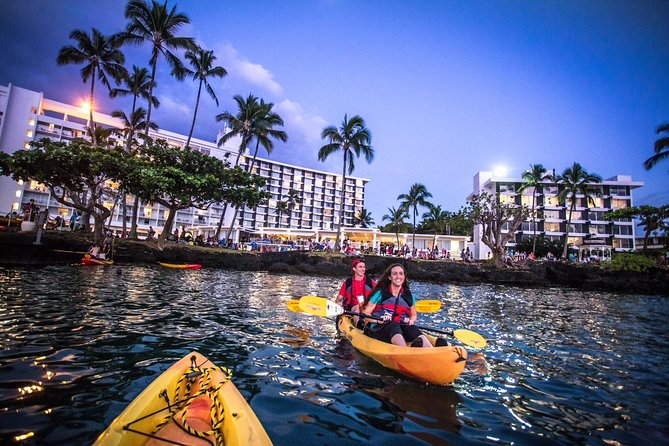
I like that you don’t need any kayaking background. You’ll get instruction, plus snacks and bottled water to keep you comfortable for the full paddle. I also like the small feel—up to nine people—so the guide can actually help with pacing and technique.
One thing to plan around: weather and recent rain can affect what you see. Even with the word waterfalls in the experience name, on rougher days the route may shift and you might not get those same waterfall views.
In This Review
- Key things I’d watch for
- Why Hilo Bay feels calmer from a kayak
- Meeting at 93 Banyan Dr: quick logistics, less stress
- What you’ll do during the two-hour paddle
- 1) Launch and getting your bearings
- 2) Rivers and quiet water sections
- 3) Waterfalls, beaches, and a hydroelectric plant area
- 4) Optional refreshing dip
- 5) Return paddle and wrap-up
- The stories behind Moku Ola and Hilo’s changing shoreline
- Honu sightings: why you should look, not chase
- Waterfalls and weather: the day-to-day reality
- Small-group size up to nine: why it changes the whole feel
- Price and value: $160.10 for 2 hours (and what you’re buying)
- Who should book (and who should skip)
- Quick tips to make your paddle smoother
- Should you book this Hilo Bay kayak tour?
- FAQ
- How long is the Historic Hilo Bay Waterfalls by Kayak tour?
- What time does the tour start?
- Where is the meeting point?
- Do I need kayaking experience?
- What’s included during the tour?
- What group size is this tour?
- Is the tour offered in English?
- What happens if weather is poor?
Key things I’d watch for
- Beginner-friendly instruction: you can go even if you’ve never paddled before
- Small group (max nine): more hands-on help and a less hectic vibe
- History narration: stories tied to Moku Ola (coconut island) and Hilo’s changing coast
- Honu spotting: your guides will keep an eye out for sea turtles
- Route flexibility after rain: flooding conditions can change where you paddle
More falls and swimming holes on the wet side
- Big Island in a Day: Volcanoes Waterfalls Sightseeing and History★ 5.0 · 6,569 reviews
- Big Island Zipline Tour Near Akaka Falls (250-ft Waterfall!)★ 5.0 · 1,077 reviews
- Big Island Highlights: Coffee, Volcano, Black Sands & Waterfall★ 5.0 · 1,054 reviews
- Big Island: 8-Zipline & Suspension Bridge Waterfall Adventure★ 5.0 · 914 reviews
Why Hilo Bay feels calmer from a kayak
Hilo can be noisy and crowded in spots. On this tour, you trade busy sidewalks for moving water, quieter beaches, and a slower pace. The overall vibe is “mosey,” not “race around.” That matters, because Hilo Bay is the kind of place where small observations—birds, shore details, tide changes—add up.
What makes this experience especially appealing is the mix: you’re not just paddling for exercise. You’re getting narration and context while you glide along rivers and near the edge of town. You’ll hear about the area’s past, including Moku Ola (coconut island), and how shoreline changes have shaped Hilo over time.
And yes, the name points to waterfalls. But the trip is really about the bay as a whole—waterways, quiet coves, and the feeling of being away from the crowds.
Meeting at 93 Banyan Dr: quick logistics, less stress
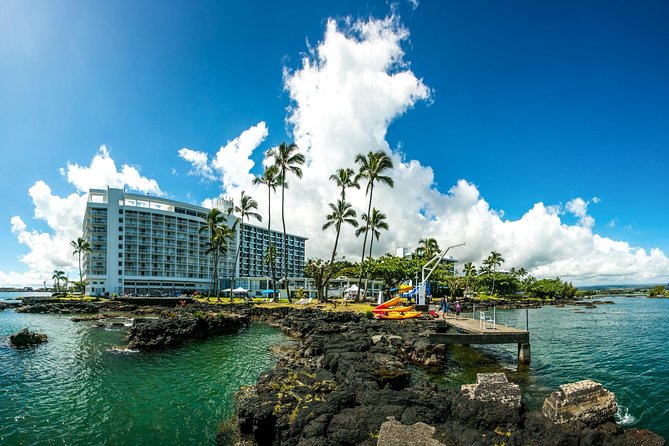
The tour starts at 93 Banyan Dr, Hilo, HI 96720, with pickup from the pier area behind KapohoKine Adventures. It’s scheduled for 9:00 am and you’ll return to the same meeting point afterward.
For me, the big win here is simplicity. You show up, get ready, then get on the water with a guide. There’s no car shuffle, no complicated multi-stop day. Since the total time is about two hours, staying focused on the basics matters: getting there on time, being dressed right, and listening closely to the safety briefing.
What you’ll do during the two-hour paddle
This is a fully guided, narrated trip that moves at a relaxed pace. Expect a mix of “paddle and look around” with short moments to learn technique or adjust your route.
Here’s the flow you can expect:
1) Launch and getting your bearings
You depart the pier behind KapohoKine Adventures. Before you go far, your guide helps set expectations—how to paddle, how to hold your position, and how to move safely with the group. The guides are lifeguard certified, and that shows in how they think about spacing and conditions.
If you’re new to kayaking, this part is key. You’ll want to feel stable early. If you get a little wobbly at first, that’s normal—take the instruction, slow down, and you’ll settle.
More paddling on the bay and the Hilo waterfront



2) Rivers and quiet water sections
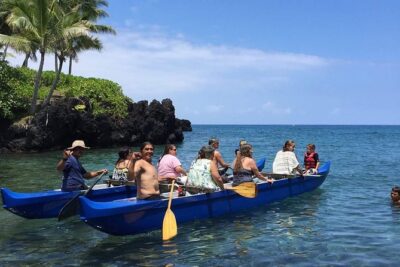
Once you’re moving, you’ll explore tranquil rivers and nearby shoreline areas. This is where the tour feels like a break from normal sightseeing. The water gives you a “from here it makes sense” view of the coastline.
You’ll also start looking for wildlife—especially honu (sea turtles). Guides scan while you paddle, so you’re not stuck trying to spot them while doing everything else.
3) Waterfalls, beaches, and a hydroelectric plant area
The route includes hidden waterfalls and beaches, plus an area tied to a hydroelectric plant. In plain terms: the scenery isn’t only pretty—it’s functional too. The bay has engineering and history woven into it, and the guide explains what you’re seeing as you pass it.
One practical note: some days may not deliver the same waterfall visuals. Heavy rain can change conditions quickly, and your guide may adapt the route for safety. If you’re booking specifically for waterfalls, keep your expectations flexible and focus on what you can control: your comfort, your effort level, and your willingness to go with the plan on the day.
4) Optional refreshing dip
If you want, you can take a refreshing dip before returning. The tour doesn’t force swimming, so it’s a choice. I’d think of it as a bonus moment—something to do only if you feel steady in the water and conditions are good.
5) Return paddle and wrap-up
After exploring the bay, you head back to shore and finish at the meeting point. Since the whole tour is only about two hours, the return doesn’t drag. It stays action-focused: paddle, look, learn, then go back.
The stories behind Moku Ola and Hilo’s changing shoreline
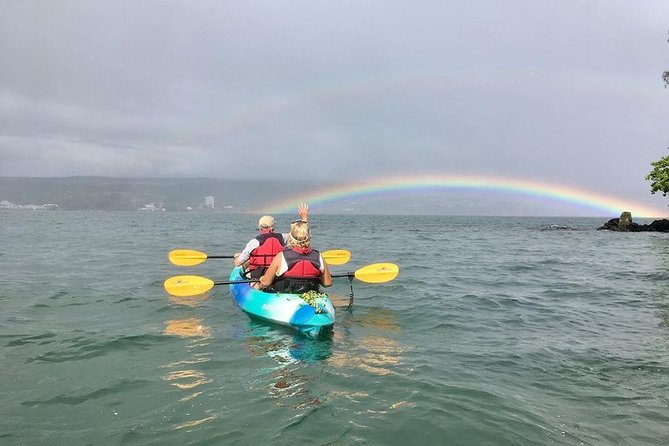
The historical narration is one of the main reasons this tour is more than a rental-and-go experience. You’ll hear about Moku Ola (coconut island) and the ways the landscape has shifted around Hilo town. It’s the kind of information that makes physical features make sense—why certain spots feel the way they do, and how water and land interact over time.
Even if you’re not a “history person,” I’d still listen. The guide ties stories to what you’re seeing right now, not to distant facts that don’t connect. That’s how the trip becomes memorable.
Guides you might get include people like Victor and Montana, who were praised for their fun, helpful energy and sea-life knowledge, and Andre, who led one of the best-rated experiences. Whoever you get, you should expect a friendly teaching style and lots of context for the route.
Honu sightings: why you should look, not chase
Seeing sea turtles isn’t guaranteed, but it’s part of the plan. The guides will keep an eye out for honu while you paddle along calm areas.
Here’s the best way to handle wildlife on the water:
- Slow your breathing and relax your paddle for a moment when your guide points something out
- Don’t angle hard toward a turtle—stay with the group
- Appreciate the view for what it is right there, not what you can force
When it happens, it feels special. When it doesn’t, you still get that water-level perspective and shoreline details you miss on foot.
Waterfalls and weather: the day-to-day reality

This activity depends on conditions. Good weather is required, and recent rain can create flooding challenges. That matters because a trip named for waterfalls has to prioritize safety when water levels or flow change.
So here’s the honest expectation: you might see waterfalls as promised, or you might get a route that focuses more on rivers, beaches, and scenery while skipping certain waterfall views. That’s not a failure of the tour. It’s the sensible outcome of guiding on a working coastline.
One more practical detail: motion sickness can hit on the water, especially if you’re watching wave movement instead of focusing on paddling rhythm. I’d strongly consider bringing Dramamine if you’re prone to nausea. A rider noted that two of their group members got motion sickness, and that prep would have helped.
Small-group size up to nine: why it changes the whole feel
With a maximum of nine travelers, this doesn’t feel like a conveyor belt. You’ll get more attention during instruction and more flexibility if someone needs extra help or needs to slow down.
It also changes the vibe. Instead of a noisy cluster, you get something closer to a shared experience—people chatting, laughing, and learning without feeling rushed. One guide was described as a gem and great fun, and that tracks with what you want on a water tour: someone who manages the group while still making it feel relaxed.
Price and value: $160.10 for 2 hours (and what you’re buying)
At $160.10 per person for about two hours, this is not the cheapest way to spend time on Hilo Bay. Renting a kayak yourself can look simpler—and one person felt the guide wasn’t necessary.
But you’re paying for real value in a few areas:
- Instruction so you’re not guessing technique
- Lifeguard certified guides who manage safety and route choices
- Narration tied to what you’re passing (like Moku Ola and Hilo’s changes)
- Snacks and bottled water, which is small but not nothing
- A small-group setting, which reduces hassle and confusion
If you’re an experienced paddler who already knows the waters and just wants time on the bay, you might decide a rental is enough. If you want a guided experience that teaches you where to look and what you’re seeing, this pricing starts to make more sense fast—especially since you don’t have to plan the route or interpret the coastline on your own.
My rule of thumb: if you’d rather learn than navigate, the tour’s value climbs. If you’d rather go solo, the rental option can win.
Who should book (and who should skip)
This tour fits best if you:
- Want a beginner-friendly introduction to kayaking
- Prefer small groups and a guided, narrated route
- Like wildlife spotting, especially sea turtles
- Enjoy learning about places through stories tied to real scenery
- Can handle being physically active for about two hours
It might be less ideal if you:
- Get motion sickness easily and don’t want to take precautions
- Want a guaranteed waterfall view no matter what the weather is doing
- Are looking for a low-effort, no-thinking experience (you will be paddling)
The physical fitness requirement is listed as strong. That doesn’t mean you need to be an athlete, but you should be comfortable paddling and staying engaged.
Quick tips to make your paddle smoother
A few small moves can make a big difference:
- Bring motion sickness support if you’re sensitive (Dramamine was specifically recommended by one rider)
- Dress for wet conditions and sun. It’s better to be slightly too covered than underprepared
- Listen during the safety briefing and take the guide’s technique cues seriously early
- Expect route changes if rain has been heavy—go with the flow and enjoy the alternative scenery
Also, if you’re traveling with teens or family, this is a good sign-and-go format. One family kayaked together, and the guide was helpful with the experience.
Should you book this Hilo Bay kayak tour?
I’d book it if your goal is a guided, two-hour water view of Hilo that includes instruction, local storytelling, and a good chance at honu sightings—without the stress of planning paddling routes yourself.
I’d think twice if your whole trip hinges on seeing waterfalls and nothing else. On rainy days, safety comes first and the route can change.
If you want a calm, practical way to see Hilo Bay from the water—plus snacks, water, and a guide who helps you make sense of it—this is a solid choice.
FAQ
How long is the Historic Hilo Bay Waterfalls by Kayak tour?
The tour runs for about 2 hours.
What time does the tour start?
It starts at 9:00 am.
Where is the meeting point?
The meeting point is at 93 Banyan Dr, Hilo, HI 96720, USA.
Do I need kayaking experience?
No. Instruction is provided, and you do not need prior kayaking experience.
What’s included during the tour?
Water and a light snack are included.
What group size is this tour?
The maximum group size is nine travelers.
Is the tour offered in English?
Yes, the tour is offered in English.
What happens if weather is poor?
This experience requires good weather. If it’s canceled due to poor weather, you’ll be offered a different date or a full refund.
More Tour Reviews in Big Island of Hawaii
- Big Island in a Day: Volcanoes Waterfalls Sightseeing and History
★ 5.0 · 6,569 reviews - Big Island Manta Ray Night Snorkel
★ 5.0 · 5,656 reviews - Big Island: Kona Manta Ray Snorkel Tour in Keauhou Harbor
★ 4.5 · 2,465 reviews - Hilo Shore Excursion: Volcanoes National Park & Black Sand Beach
★ 4.5 · 2,338 reviews - Big Island: Captain Cook Snorkel On A Power Catamaran With Lunch
★ 5.0 · 2,232 reviews - KONA Manta Ray Night Snorkel – FREE re-ride if no Sightings
★ 5.0 · 2,212 reviews
Paddle the Bay and Hilo Bayfront
- 3.5 Hour Kailua-Kona Ocean Kayak and Snorkel Tour
★ 5.0 · 384 reviews - Guided Outrigger Canoe Tour in Kealakekua Bay
★ 5.0 · 218 reviews - Morning Magic Kayak and Snorkel Adventure in Kealakekua Bay
★ 5.0 · 183 reviews - Midday Meander – Kealakekua Bay Kayak and Snorkel Adventure
★ 5.0 · 68 reviews - Clear Bottom Kayak Rentals in Kailua-Kona
★ 4.5 · 33 reviews - Feast and Fire Luau Outrigger Kona Resort and Spa
★ 4.0 · 31 reviews
Falls on the Wet Side
- Big Island in a Day: Volcanoes Waterfalls Sightseeing and History
★ 5.0 · 6,569 reviews - Big Island Zipline Tour Near Akaka Falls (250-ft Waterfall!)
★ 5.0 · 1,077 reviews - Big Island: 9-Line Waterfall Zipline Experience
★ 5.0 · 1,057 reviews - Big Island Highlights: Coffee, Volcano, Black Sands & Waterfall
★ 5.0 · 1,054 reviews - Big Island: 8-Zipline & Suspension Bridge Waterfall Adventure
★ 5.0 · 914 reviews - Big Island Waterfalls Tour with Swimming and Botanical Garden
★ 5.0 · 513 reviews
Just Added: The Newest Big Island Reviews




Kohala & Hamakua Waterfalls, compared.
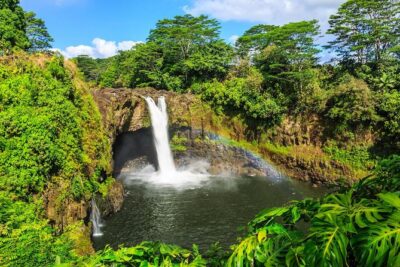 ★ 5.0Big Island in a Day: Volcanoes Waterfalls Sightseeing and HistoryFrom $2646,569 reviews
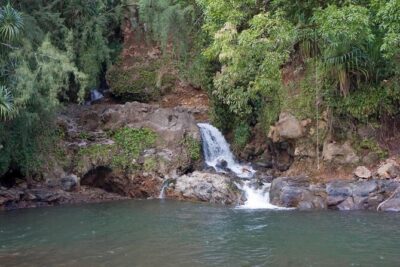 ★ 5.0Big Island Zipline Tour Near Akaka Falls (250-ft Waterfall!)From $2461,077 reviews
 ★ 5.09-Line Waterfall Zipline ExperienceFrom $2531,057 reviews
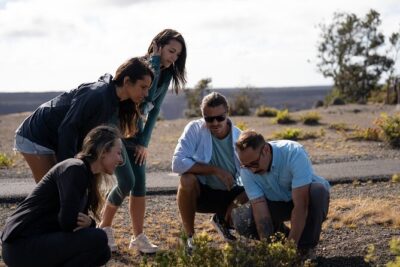 ★ 5.0Big Island Highlights: Coffee, Volcano, Black Sands & WaterfallFrom $2991,054 reviews
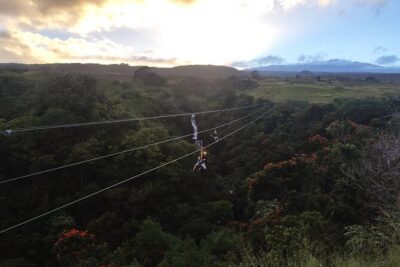 ★ 5.08-Zipline & Suspension Bridge Waterfall AdventureFrom $237914 reviews
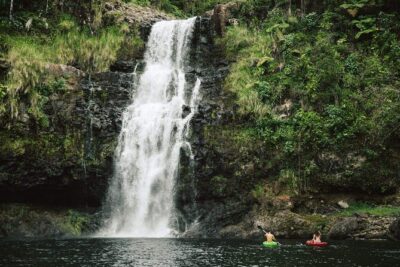 ★ 5.0Big Island Waterfalls Tour with Swimming and Botanical GardenFrom $297513 reviews
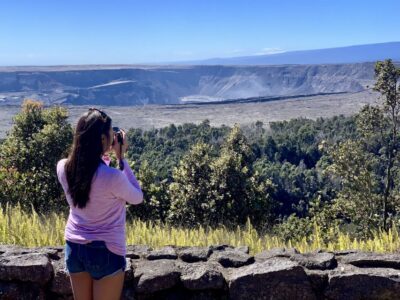 ★ 4.9Volcanoes, Waterfalls, & Coffee Farm Day-TripFrom $264414 reviews
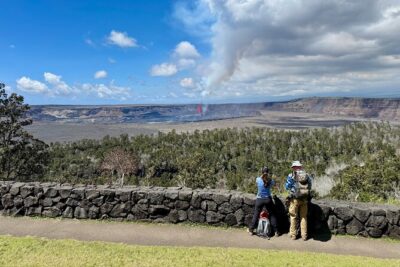 ★ 5.0Hilo Shore Excursion: Active Volcano, Lava Tube, Waterfall and GardensFrom $187393 reviews
Browse the lists this tour appears in