
Reviewed · HAWAII VOLCANOES NATIONAL PARK TOURS
Hawaii Volcanoes National Park Experience Departing From Maui
Volcanoes, turtles, and coffee in one long day. This Maui-to-Big Island tour is interesting because it strings together the Big Island’s most iconic sights with round-trip airfare and a guided sweep through Hawaii Volcanoes National Park. You get a full, photo-friendly day built around lava, steam, and black-sand beaches, with narration to help you understand what you’re seeing.
I love the stop mix: Greenwell Farms gives you coffee context before the geology-heavy part of the day, and Manuka State Wayside Park adds a calmer pocket of forest while the schedule stays moving. I also like that guides (including Brandon, Henry, Mel, and Neil, based on past experiences) tend to keep families engaged and ask check-in questions when the group needs a breather.
The main drawback to plan around is timing and conditions. You’re in a real volcanic area, and weather can flip fast at higher elevations—cool and wet in the park one moment, sunshine the next—so bring layers and sturdy shoes.
In This Review
- Key takeaways before you go
- Hawaii Volcanoes National Park from Maui: the value of bundling flight + guide
- Morning logistics: the 8:00 am Kona start and how you’ll meet your group
- Greenwell Farms (30 minutes): Kona coffee with real volcanic context
- Punaluʻu Black Sand Beach (30 minutes): sea turtles and rough surf
- Manuka State Wayside Park (30 minutes): a calmer forest reset
- Punaluʻu Bake Shop (lunch stop): where you fuel up and keep your budget sane
- Hawaii Volcanoes National Park: crater glow, rain-forest crater, lava tube heat
- Mauna Kea Access Road and why altitude changes the whole mood
- Kohala Coast and Hilo: the last chapters of a long day
- Price and comfort: is $589.99 worth it?
- What to pack and how to handle volcano-area reality
- Should you book this Maui-to-Volcanoes day trip?
- FAQ
- What time does the tour start in Kona?
- Where do I meet the tour guide after I land?
- What’s included in the price?
- Are meals included?
- Do I need to bring anything besides a swimsuit?
- What should I know about weather and volcanic safety?
Key takeaways before you go
- Flight + park admission bundled: you’re not piecing together inter-island logistics all day.
- Small-group feel: capped at a maximum of 22, which helps with pacing and photo stops.
- Icon stops with meaning: coffee, black sand turtles, and lava-driven sights each connect to Hawaii’s volcanic story.
- No guaranteed lava glow: you may catch the crater glow, but real-time eruptions are chance-based.
- Pack for cold + uneven ground: volcano weather and trail surfaces can be rough in places.
- Bring your own snacks: water may be provided, but meals are on your own at lunch.
More ways into Hawaii Volcanoes National Park
- Big Island in a Day: Volcanoes Waterfalls Sightseeing and History★ 5.0 · 6,569 reviews
- Hilo Shore Excursion: Volcanoes National Park & Black Sand Beach★ 4.5 · 2,338 reviews
- Small Group Big Island Twilight Volcano and Stargazing Tour★ 5.0 · 1,619 reviews
- Big Island Highlights: Coffee, Volcano, Black Sands & Waterfall★ 5.0 · 1,054 reviews
Hawaii Volcanoes National Park from Maui: the value of bundling flight + guide
If you only have one day to “do Big Island,” the biggest win here is the way the tour reduces friction. You’re picked up after flying from Maui (transport to Kahului Airport isn’t included), and you’re brought over to Kona with round-trip airfare built in. That means less worry about rental cars, parking stress, and keeping track of tickets while you chase a tight schedule.
The guide element matters too. This isn’t just driving from stop to stop; you’ll get story-based narration throughout the day, including local natural and cultural context. When guides like Brandon and Henry are at the wheel, the tone tends to be friendly and funny, with frequent check-ins so the group stays comfortable on a long day.
The tradeoff is that a full-day plan can feel like a lot, especially if you’re prone to motion sickness or you’re picky about having long meal breaks. You’ll be moving for hours, with the day running roughly 8 to 10 hours, so it’s not the right choice if you want a slow, flexible pace.
Morning logistics: the 8:00 am Kona start and how you’ll meet your group
Your tour starts at Keahole Airport on the Big Island (Kailua-Kona area) at 8:00 am. The meeting point is listed at the lot behind the Alaska Baggage claim, B-2. Pickup is offered, but the most important practical step is being ready to find your group quickly after you land.
This is also the moment where you should think about comfort for the day. Even with an air-conditioned vehicle, you can expect a bunch of road time. If you’re the type who hates bumpy rides, have a small comfort kit ready (nausea meds if you use them, water within reach, and a light layer).
One more timing reality: your day depends on flights and on staying on schedule at each stop. In past experiences, people have reported it’s easy to get rushed if your outbound or return flight timing is tight. I’d treat any inter-island day trip as “plan conservatively,” even if everything is supposed to run smoothly.
Greenwell Farms (30 minutes): Kona coffee with real volcanic context
Greenwell Farms is a smart early stop because it shifts your brain from “vacation mode” to “why is this island like this?” You’ll visit a long-running Kona coffee producer in the Kona district on Mauna Loa slopes, first established in 1850 by Henry Nicholas Greenwell.
What I like about this stop is that it’s not just coffee tasting as a quick detour. The farm’s growing conditions—volcanic soil, sunny mornings, cloud cover later in the day, and consistent rainfall—explain why Kona coffee has a reputation for quality. Even if you don’t buy anything, it helps you connect the park’s geology to something everyday you can smell and sip.
The time here is about 30 minutes, so don’t treat it like a full farm tour. Use the window for quick photos, a short look around, and any tastings or purchases if offered during your visit. If coffee isn’t your thing, you’ll still likely appreciate the “volcano-to-coffee” storyline before the day gets steamier.
Punaluʻu Black Sand Beach (30 minutes): sea turtles and rough surf
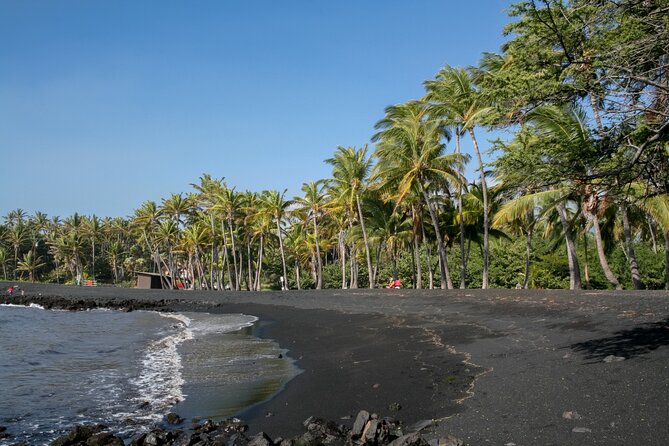
Punaluʻu Black Sand Beach is one of those places you’ll instantly recognize as Hawaii. The sand is black basalt, shaped by volcanic activity, and the setting feels lush—coconut palms, dramatic shoreline, and a classic “this is the result of real geology” vibe.
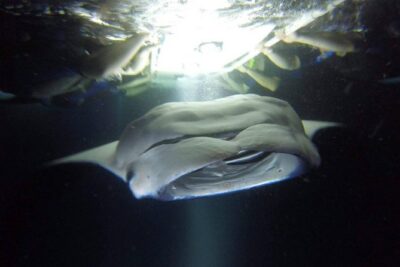
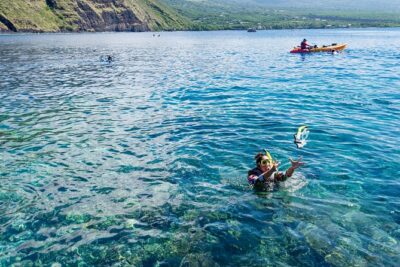
The practical point: black sand does not mean easy swimming. The waters can be rough, so treat this as a viewing and photo stop rather than a beach day. If you want to see turtles, plan to stay near the shoreline and watch quietly. Hawaiian green sea turtles often bask along the coast, and a patient pause here is usually more rewarding than trying to rush.
It’s listed as 30 minutes, which is about right. You’ll want time to scan for turtles, take a few pictures, and then move on before the group starts to get restless. Bring sun protection—this coast can be bright even when you’re not expecting it.

Manuka State Wayside Park (30 minutes): a calmer forest reset
After the black sand, you’ll get a different kind of Hawaii. Manuka State Wayside Park is about 13 acres along the Hawaii Belt Road (Highway 11), and it’s built for a slower moment: a 2-mile Manuka Nature Trail through wet and dry forest ecosystems.
This is one of the best “balance” stops on a volcano-heavy day. In the park you’ll see native plant life and volcanic features explained through interpretive signs, plus a chance to spot endemic birds like the Hawaiian hawk and honeycreeper. If you’ve been focusing on lava and steam all morning, this forest walk helps you reset your senses.
The drawback is that it’s not a “big hike” stop, but it does still involve walking on uneven ground. Wear the kind of shoes you’d trust on trail surfaces, not sandals. Thirty minutes can feel short if you’re the type who stops to read everything, so skim the interpretive signs first, then enjoy the walk.
Punaluʻu Bake Shop (lunch stop): where you fuel up and keep your budget sane
Punaluʻu Bake Shop is famous for traditional Hawaiian sweet bread. It’s also described as the southernmost bakery in the U.S., and it offers flavors like taro, guava, and mango. Expect a garden, a gift shop, and a busy lunch flow.
Here’s the practical value: you stop for lunch at a place that’s set up for quick ordering and photo moments. Your meal is at your own expense, so this is where you can decide how you want to spend: a quick sandwich, a full plate lunch, or baked treats to snack later.
One tip worth taking seriously: pack some snacks from home or bring simple ones in your bag. Even when water is available on the shuttle, some past experiences noted snacks weren’t provided. If you’re sensitive to hunger during a long day, that small prep makes the whole schedule feel more comfortable.
Also, bring cash if you plan to buy from roadside stands and food trucks on the way. The tour guidance specifically mentions that some places are cash-only, and you’ll thank yourself for having a little on hand.
Hawaii Volcanoes National Park: crater glow, rain-forest crater, lava tube heat
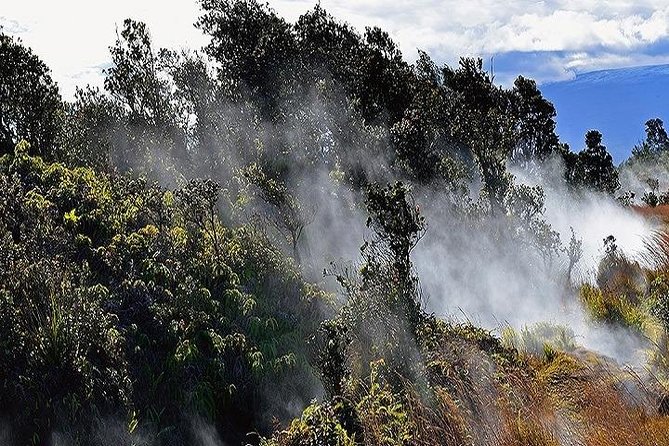
This is the main event. Hawaii Volcanoes National Park gives you a guided route through the island’s volcanic story in a way you can actually picture: from active geothermal areas to older lava remnants, plus the ecology that grows back.
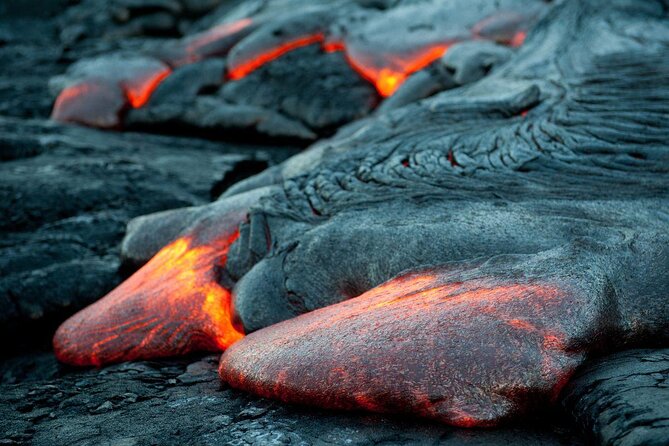
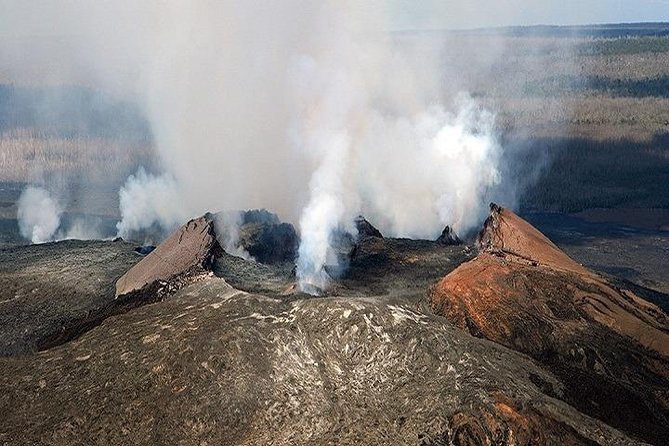
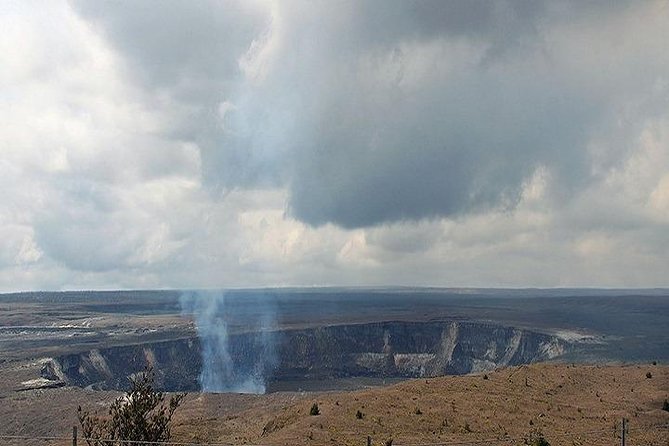
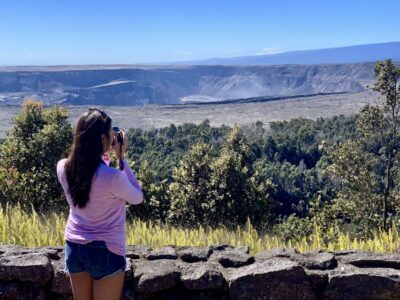
Your day here starts at the visitor center. From there, you’ll head to Halemaʻumaʻu Crater, where you may see the glow of molten lava. That glow is not guaranteed, but the park’s activity is why this stop stays on everyone’s list. Some days have been lucky enough for people to witness Kilauea erupt, and even when there’s no eruption, you’ll still get the “earth is alive” feeling from the active geothermal areas.
Then you’ll shift to the Kīlauea Iki Rainforest Lookout, which contrasts the crater world with a lush, living environment. There’s a trail leading through remnants of past eruptions, and the scene helps you understand how quickly plants start reclaiming volcanic surfaces.
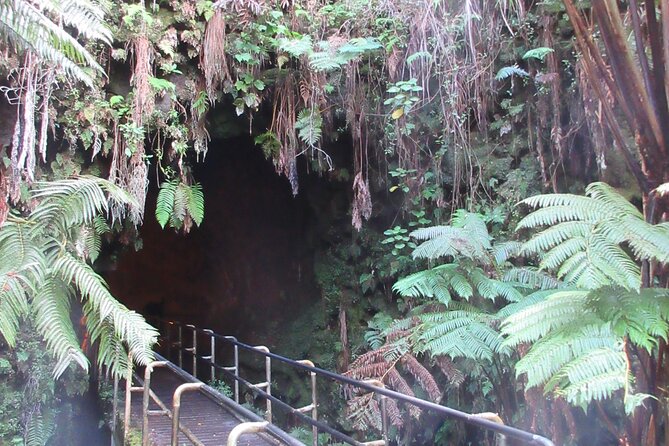
One of the most memorable stops in the park is Thurston Lava Tube. This is a natural tunnel formed by flowing lava, which makes the geology feel physical. And near the steam areas, you’ll encounter active geothermal vents where heat rises from the ground. If you’re the type who wants one moment that feels “wow,” this is often it.
Important safety note to take seriously: volcanic gases can be an issue, especially if you have respiratory conditions like asthma. Follow posted guidance, stay on marked trails, and listen to your body if the air feels sharp.
Also remember: cell service can be limited or nonexistent in parts of the park. Download what you need ahead of time, and don’t count on your phone for trail info when you’re underground or in low-signal zones.
Mauna Kea Access Road and why altitude changes the whole mood
After the volcano park segment, the tour includes Mauna Kea Access Road. This is a steep, winding drive from Saddle Road (Route 200) up toward the summit area. What’s key here is the “climate shift” as you go higher: grassy plains can turn into barren, volcanic terrain.
At higher elevation, the air feels thinner and temperatures drop. The tour info specifically warns to bring layers and a rain jacket because conditions can change quickly. People often assume they need only sun protection, but up there you’ll likely want warmth.
Even if you don’t plan to do a long hike, treat the altitude as real. Move slowly at viewpoints, hydrate, and plan for slower walking. This part of the day is best viewed as “scenic geology and altitude drama,” not as a casual stroll.
Kohala Coast and Hilo: the last chapters of a long day
The tour also includes stops around the Kohala Coast and reaches Hilo. Kohala is described as drier than many other parts of the island, with scenic views and luxury resorts along the shoreline. In other words: it’s a visual palate cleanser after steam vents and lava tubes.
Hilo, meanwhile, has a different kind of Hawaii feel. It’s known for cultural and history-focused spots such as the Lyman Museum, the Hilo Historic District (early 20th-century buildings), and the Pacific Tsunami Museum. There’s also Liliuokalani Gardens, which honors Queen Liliuokalani. You may not have time for every museum inside a single day, but reaching Hilo at least gives you a sense of the island’s human story alongside its volcanic one.
If you’re the kind of traveler who likes to end with culture (not just more scenic stops), this route helps. If you’d rather keep your energy for longer walks, you’ll want to pace yourself earlier because it’s a lot to absorb late in the day.
Price and comfort: is $589.99 worth it?
At $589.99 per person, you’re paying for more than “a tour.” You’re paying for bundled inter-island flights from Kahului to Kona (Kahului transportation isn’t included), air-conditioned ground transport, Hawaii Volcanoes National Park admission, and guided narration.
That’s where the value comes from. If you were to book flight tickets, rent a car, and then buy park access and guide services separately, your total would likely be more than you expect—especially once you factor in time. This day trip is basically designed to reduce planning work so you can focus on experiences.
Comfort is the question mark. Some people have described the van as crowded and bumpy during long days. If you’re sensitive to cramped seating, consider that you’re sharing a vehicle with up to 22 people (a cap listed for the experience). If you’re tall, prone to motion sickness, or claustrophobic, you’ll feel that more than someone who’s used to group tours.
There are also a couple of negative notes worth respecting. One set of past comments flagged cleanliness issues in the van, including reports of roaches. I can’t predict whether that happens on your day, but I’d still do a quick seat check and keep bags zipped. You don’t want bugs to be a distraction while you’re trying to enjoy the island.
What to pack and how to handle volcano-area reality
This tour has a practical theme: it takes you from sunny coasts to cool, higher-elevation terrain to active volcanic areas. The tour guidance is very clear about what matters.
Bring:
- Sturdy, closed-toe shoes for uneven volcanic ground
- Layers, including a rain jacket
- Water and sunscreen, plus a hat
- Snacks, since lunch is your own expense and the day is long
If you have respiratory issues, this matters even more. Volcanic gases like sulfur dioxide can irritate airways. Follow safety rules and talk with your clinician if you’re unsure about your risk.
Also, don’t count on perfect phone service. If you like using maps, download them. In-park signal can be limited or nonexistent.
Finally, respect sacred and culturally significant areas by not disturbing anything or stepping where you shouldn’t. Leave No Trace applies here in a real way—volcano areas are fragile and heat-driven.
Should you book this Maui-to-Volcanoes day trip?
Book it if you want a high-impact Big Island day without driving and without the hassle of separate bookings. It’s a great fit for first-time visitors who want the highlights: Kona coffee at Greenwell Farms, a black sand turtle beach stop at Punaluʻu, and a guided run through Hawaii Volcanoes National Park with crater views, lava tube, and steam vents.
Skip it (or at least reconsider) if you strongly prefer breathing room—more time for meals, less time in transit, or fewer scheduled stops. Also think twice if you’re highly sensitive to crowded seating or bumpy roads, or if altitude and volcanic gases are issues for you.
If you do book, make it easier on yourself: bring layers, snacks, and comfortable shoes. Then aim to keep your expectations realistic. Some departures catch dramatic glow and even reports of eruptions, but the park is active and what you see can vary.
FAQ
What time does the tour start in Kona?
The tour starts at 8:00 am at Keahole Airport (Kona International Airport).
Where do I meet the tour guide after I land?
You meet at the lot behind the Alaska Baggage claim, labeled B-2, at Kona International Airport.
What’s included in the price?
The price includes round-trip airfare from Kahului Airport in Maui to Kona International Airport, air-conditioned vehicle transportation, Hawaii Volcanoes National Park admission, and narration from a local guide.
Are meals included?
No. Meals are at your own expense, though the tour stops at Punaluʻu Bake Shop for lunch where you can buy food.
Do I need to bring anything besides a swimsuit?
Yes. Bring water, snacks, sunscreen, a hat, and especially layers and a rain jacket. Wear sturdy closed-toe shoes since you’ll walk on uneven terrain.
What should I know about weather and volcanic safety?
Weather can change quickly, particularly at higher elevations, so plan for cool and wet conditions. The park can also have volcanic gases, so follow safety guidance and be cautious if you have respiratory issues.
More Tour Reviews in Big Island of Hawaii
- Big Island in a Day: Volcanoes Waterfalls Sightseeing and History
★ 5.0 · 6,569 reviews - Big Island Manta Ray Night Snorkel
★ 5.0 · 5,656 reviews - Big Island: Kona Manta Ray Snorkel Tour in Keauhou Harbor
★ 4.5 · 2,465 reviews - Hilo Shore Excursion: Volcanoes National Park & Black Sand Beach
★ 4.5 · 2,338 reviews - Big Island: Captain Cook Snorkel On A Power Catamaran With Lunch
★ 5.0 · 2,232 reviews - KONA Manta Ray Night Snorkel – FREE re-ride if no Sightings
★ 5.0 · 2,212 reviews
Deeper Into Volcanoes National Park
- Big Island in a Day: Volcanoes Waterfalls Sightseeing and History
★ 5.0 · 6,569 reviews - Hilo Shore Excursion: Volcanoes National Park & Black Sand Beach
★ 4.5 · 2,338 reviews - Small Group Big Island Twilight Volcano and Stargazing Tour
★ 5.0 · 1,619 reviews - Big Island Highlights: Coffee, Volcano, Black Sands & Waterfall
★ 5.0 · 1,054 reviews - Deluxe Volcano Experience with Restaurant Dinner
★ 5.0 · 620 reviews - Big Island: Fat Tire E-Bike Tour through Volcanoes National Park
★ 5.0 · 546 reviews
Just Added: The Newest Big Island Reviews


Hawaii Volcanoes National Park Tours, compared.
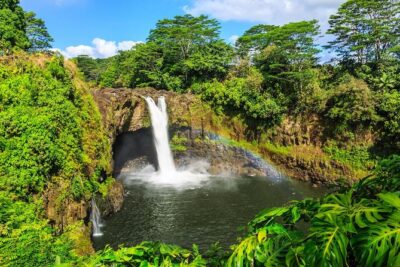 ★ 5.0Big Island in a Day: Volcanoes Waterfalls Sightseeing and HistoryFrom $2646,569 reviews
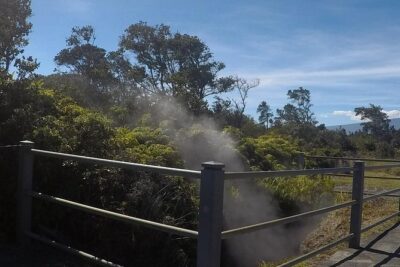 ★ 4.5Hilo Shore Excursion: Volcanoes National Park & Black Sand BeachFrom $1592,338 reviews
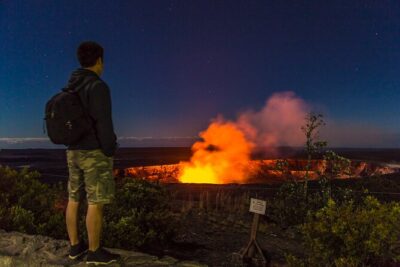 ★ 5.0Small Group Big Island Twilight Volcano and Stargazing TourFrom $2971,619 reviews
 ★ 5.0Big Island Highlights: Coffee, Volcano, Black Sands & WaterfallFrom $2991,054 reviews
 ★ 5.0Deluxe Volcano Experience with Restaurant DinnerFrom $341620 reviews
 ★ 5.0Fat Tire E-Bike Tour through Volcanoes National ParkFrom $199546 reviews
 ★ 4.5Big Island, Hawaii: Volcanoes National Park SafariFrom $379545 reviews
 ★ 4.9Volcanoes, Waterfalls, & Coffee Farm Day-TripFrom $264414 reviews
Browse the lists this tour appears in